

Historical Ties Between African-Americans and Africa
Despite their ancestors being taken from West and Central Africa centuries ago, African-Americans have maintained a lasting connection with their ancestral continent.
For example, Liberia, Africa's oldest republic, was established in 1822 by freed black American slaves. Following Ghana's independence in 1957, numerous black intellectuals and artists from the United States relocated there. Prominent figures such as Martin Luther King, Malcolm X, and Muhammad Ali made notable visits to Ghana, while Guinea became the residence of Black Panther leader Stokely Carmichael.
Renewed Connections Through DNA and Citizenship
This transatlantic relationship has fluctuated over time, but recent years have seen a resurgence, partly due to advancements in DNA testing.
Several black American celebrities have acquired citizenship in African countries: singer Ciara is a citizen of Benin; rapper Ludacris and actor Samuel L Jackson hold Gabonese citizenship; actors Meagan Good and Jonathan Majors are citizens of Guinea; and musical legend Stevie Wonder has Ghanaian nationality.
Just recently, popular content creator IShowSpeed was granted a Ghanaian passport after a brief tour of the country.
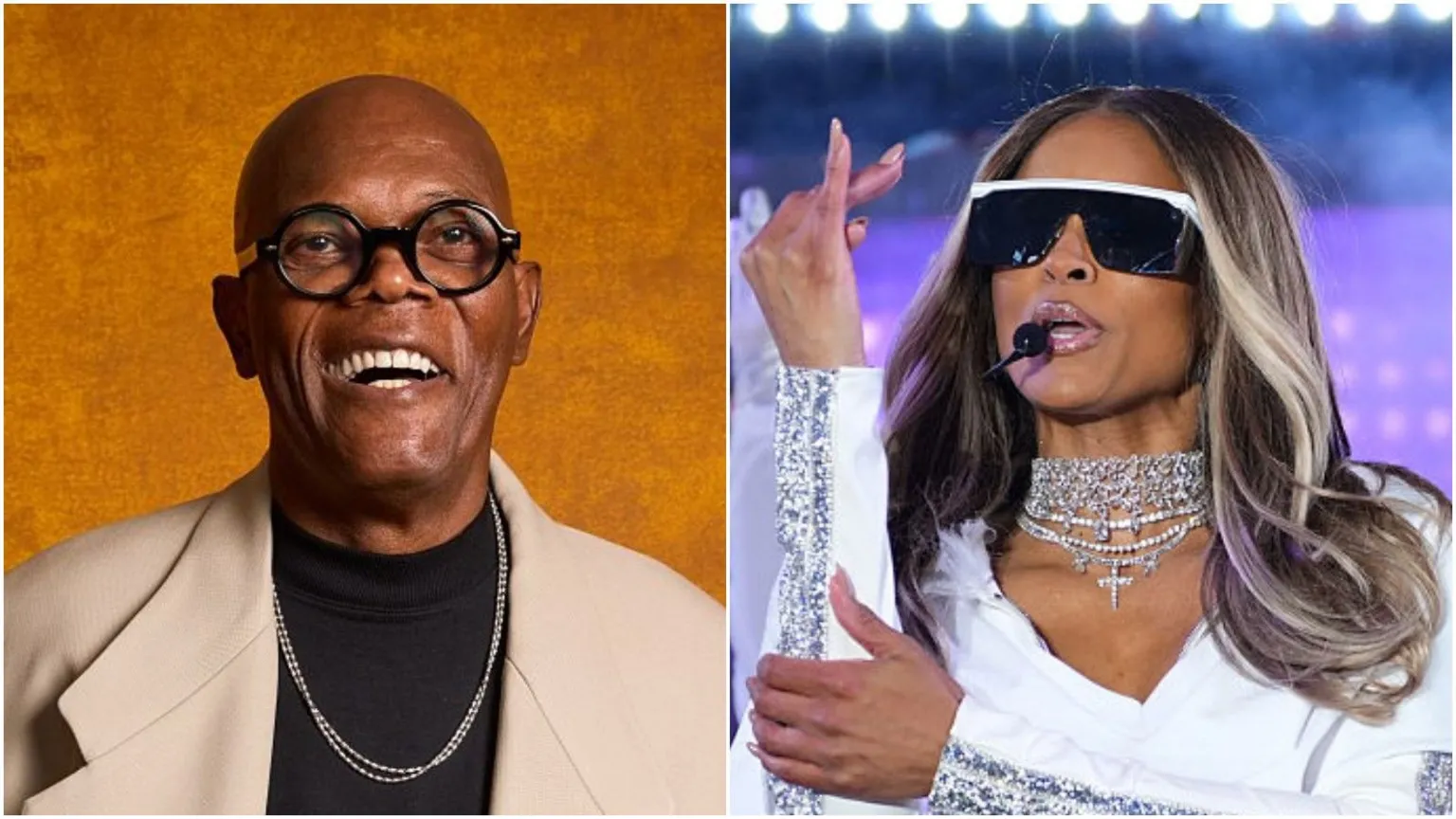
These celebrities often participate in elaborate citizenship ceremonies and tours of local landmarks, which are widely shared on social media.
Meagan Good, who has appeared in films such as Think Like A Man and Saw V, posted photos of her citizenship ceremony in Guinea to her 7.8 million Instagram followers last month, stating:
"This is history in motion".
Good and her husband Jonathan Majors, known for roles in Creed and Marvel's Ant-Man and the Wasp, became citizens after DNA tests traced their ancestry to Guinea.
"This recognition goes beyond titles, it is a homecoming and a reconnection to our Afrodescendant roots,"
Good said.
Government Messaging and Pan-Africanism
African governments have echoed similar sentiments in their messaging.
During Stevie Wonder's 2024 citizenship ceremony, former Ghanaian president Nana Akufo-Addo remarked:
"In conferring Ghanaian citizenship upon Stevie Wonder, we not only extend our warmest embrace to a beloved son of Africa but also reaffirm our belief in the enduring spirit of pan-Africanism and the global African family".
Ghana has long promoted its pan-African credentials. For over a decade, anyone with African ancestry has been eligible for Ghanaian nationality, a policy that inspired similar initiatives in Benin.
In 2019, Ghana launched the "Year of Return," an initiative encouraging Africans in the diaspora to relocate to the country.
According to Dr Erieka Bennet, ambassador for the Diaspora African Forum, which assists people relocating to Ghana, more than 1,000 African-Americans have moved there in the past decade.
Economic and Cultural Motivations
Marie-Roger Biloa, a Cameroonian journalist specializing in West Africa, told the BBC:
"It's all very much about how can we tap into the potential they have, the Americans."
Tourism is a key motivator. Governments hope that social media posts from celebrities will inspire other black Americans, a demographic with increasing economic power, to visit and invest in their countries.
Biloa noted that Benin's president, a former business tycoon, is acutely aware of the country's history as a major slave departure point, making it a significant destination for black Americans.
"President [Patrice] Talon has really started investing in cultural heritage, in a way to engage the African-Americans worldwide. He understood it could be an engine for a new form of tourism and a new branch of economy,"she said, referencing The Marina Project, a memorial and tourist complex under construction in Ouidah, once one of Benin's main slave ports.
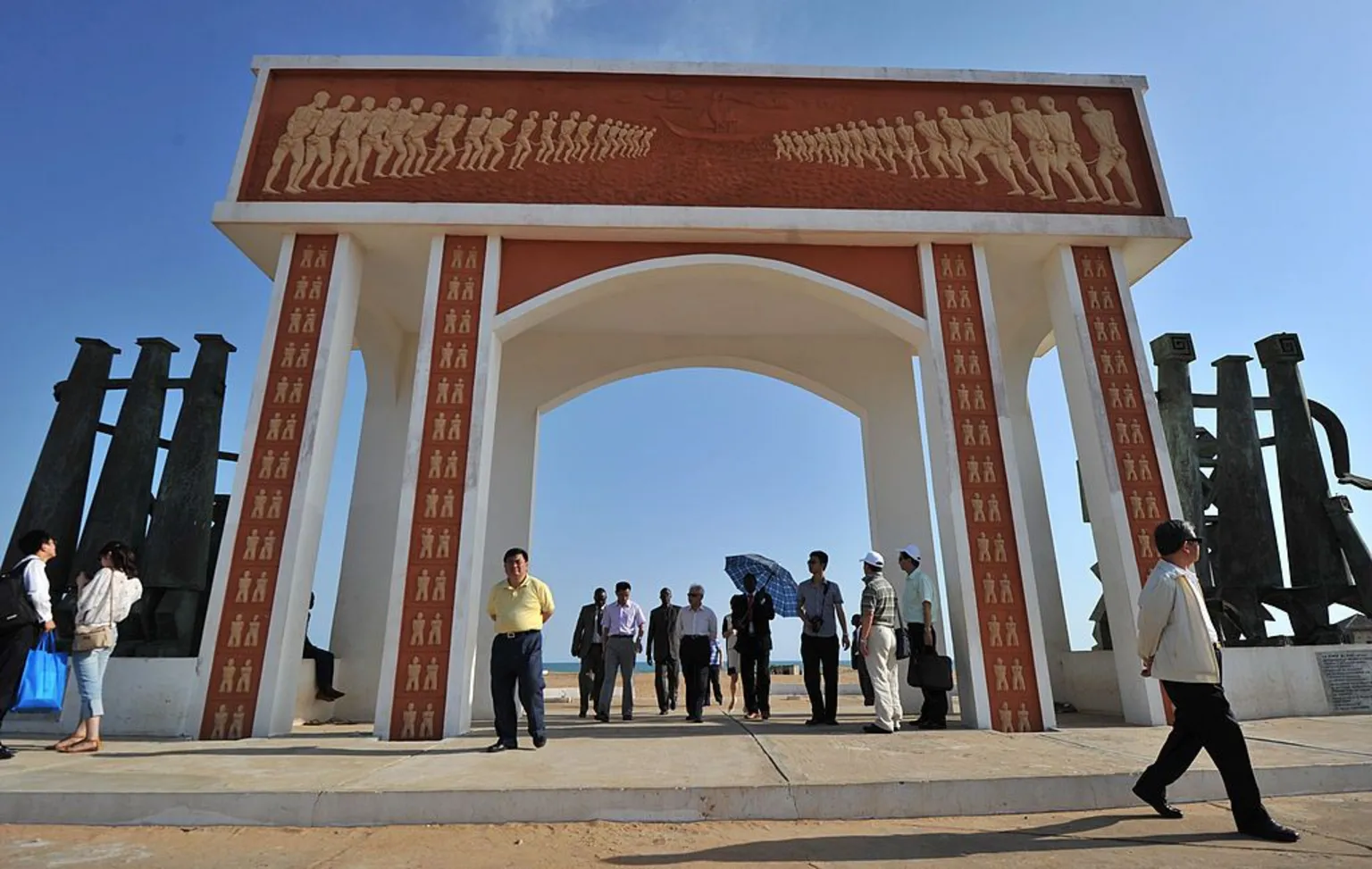
Positive publicity from stars like Ciara may also encourage diaspora members to invest or purchase property in Benin, similar to trends seen in Ghana since the Year of Return.

Soft power is another important factor. By promoting their culture and establishing a global network, countries such as Benin, Guinea, Gabon, and Ghana aim to increase their international influence.
Francis Kpatindé, a Beninois lecturer at France's Sciences Po University, told the BBC:
"Benin has no diamonds like the Democratic Republic of Congo, no petrol, nothing. We just have cotton, the ports and culture."
"The celebrity ambassadors are a way for us to be on the record, to be on-screen. Now it's working. You can go to the social networks. You see Benin everywhere,"Kpatindé added.
Criticism and Challenges
While many recognize the economic and political advantages of granting citizenship to black American celebrities, some express criticism.
There is a perception that celebrities are bypassing what can be a complicated and costly process for native citizens to obtain passports.
Taufic Suleman, a painter and decorator from Ghana, expressed frustration when the foreign minister announced that IShowSpeed, who was raised in the US but has a Ghanaian mother, was approved for a passport.
"It is really, really, really a bad precedent... why do people, your citizens, have to go through vetting? Sometimes others end up being denied,"Suleman, 32, told the BBC.
"You just can't hand out a passport to anyone just because the person is a celebrity."
Following the announcement, Patrick Boamah, a member of Ghana's parliamentary Foreign Affairs Committee, told local broadcaster Channel One that IShowSpeed must comply with legal procedures to obtain a passport, although some steps "may be waived for him."
Sindé Chekete, head of Benin's tourism authority, told the BBC that "citizenship processing is not influenced by celebrity status" and that Ciara "followed the same standard procedure as any other applicant."
Another critique is that the celebrity citizenship trend may be superficial and short-lived, with stars receiving certificates and posting on social media before disengaging.
It is unclear whether celebrities are required to maintain ongoing ties to their new countries, but Chekete emphasized that Beninese citizenship "is not a transaction and it does not come with contractual obligations, whether promotional, financial, or otherwise."
Long-Term Engagement and Future Prospects
Six months after obtaining citizenship, Ciara returned to Benin in January to perform at the Vodun Days festival.
Meagan Good and Jonathan Majors have expressed intentions for a lasting relationship with Guinea.
"We could absolutely see ourselves having a home here and spending meaningful time in Guinea,"they told the BBC via email.
Yaw Nyame, one of many Ghanaians welcoming IShowSpeed's naturalization, hopes the content creator will establish a base in Ghana.
"Even if he's not going to come to Ghana all the time, at least him having his presence in Ghana or doing a project in Ghana,"Nyame said.
Nyame described granting IShowSpeed, real name Darren Watkins Jr., a passport as a "brilliant, strategic move," noting the creator's substantial influence with over 50 million YouTube rs and a recent 20-country African tour that expanded his platform.
It will take time for Ghana, Gabon, Guinea, and Benin to assess the effectiveness of their strategies; Kpatindé suggested it may take one or two decades.
Earlier this week, Benin announced plans to open a government agency dedicated to nationalizing "Afro-descendants."
However, Ghana has paused its citizenship applications to improve the system's accessibility and user-friendliness.
Kpatindé believes that by welcoming some of the diaspora's most prominent stars, these African countries are moving in the right direction.
"People on the continent have long hailed pan-Africanism, but now we need action,"he said.
"We need concrete acts, not to just speak."

For more news from the African continent, visit BBCAfrica.com.
on Twitter @BBCAfrica, on Facebook at BBC Africa, or on Instagram at bbcafrica.


