Musician Nile Rodgers once observed that David Bowie transcended the role of mere artist—he embodied art itself. This philosophy finds fitting expression at the V&A Dundee, which now hosts a landmark exhibition celebrating the singer's profound connection to Scotland, positioned just a short distance from the very venue where he first performed under his adopted stage name in the country.
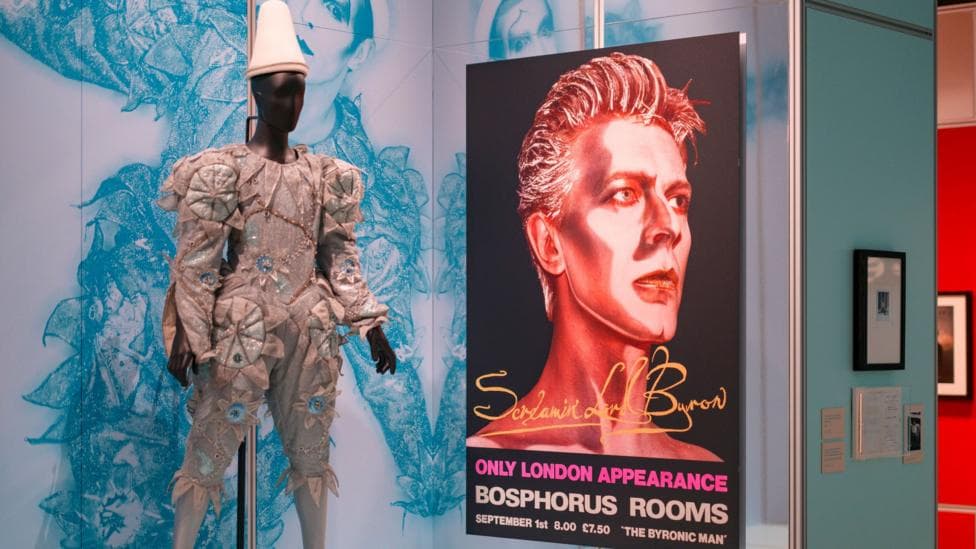
According to BBC News, David Bowie: On Tour represents the inaugural exhibition to draw from the singer's personal archive, which the V&A in London acquired in 2023. The showcase features 100 carefully selected items from the 90,000 pieces housed in the David Bowie Centre, established specifically to preserve this expansive collection. Many of these objects have never previously been displayed to the public.
The 1966 performance at the Palais de Dans marked an unassuming beginning—David Bowie and the Buzz did not even headline that evening—yet it initiated a lasting bond between the artist and Scottish audiences that endures to the present day.
What treasures from Bowie's personal collection are on display?
The exhibition presents intimate artefacts that illuminate how Bowie conceptualised, created and continuously transformed himself throughout his career. Among the most significant pieces is his first instrument, a saxophone gifted by his father on Christmas 1961. Also featured are the stopwatch he employed during songwriting sessions, his 1988 passport, and an advance copy of The Velvet Underground's 1967 record I'm Waiting for the Man.
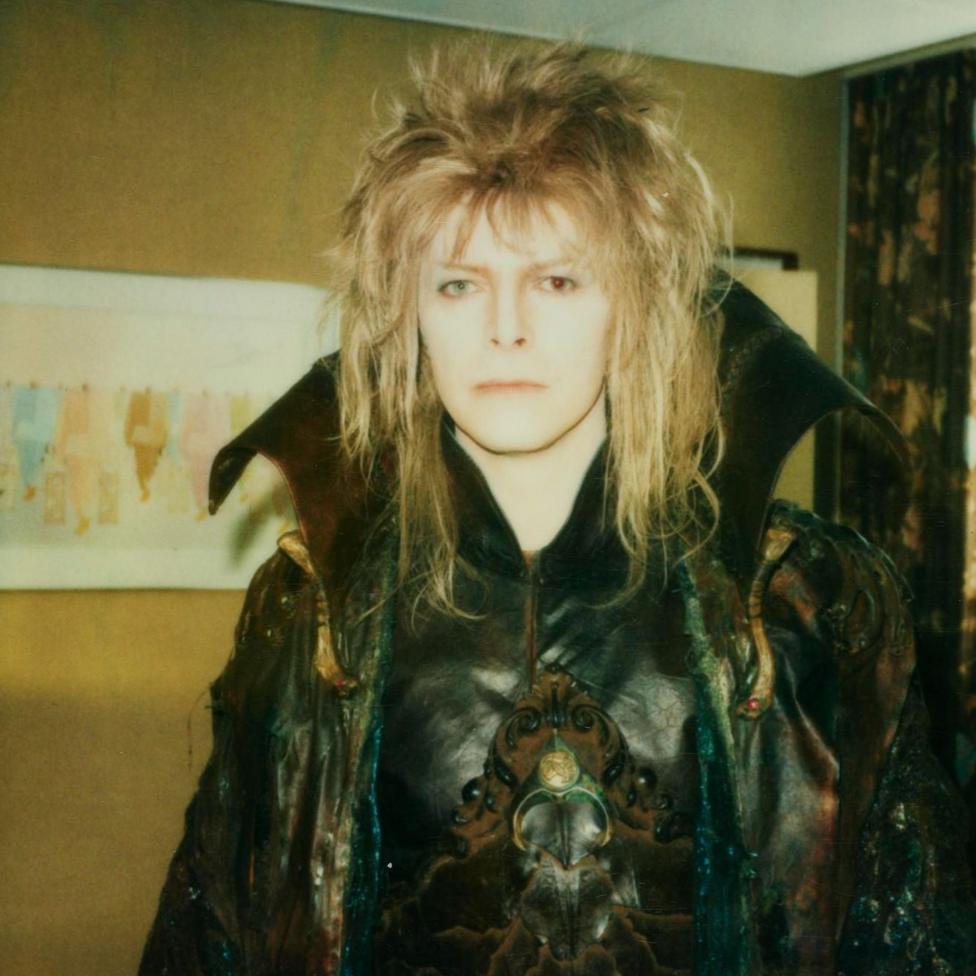
The collection extends to unexpected items, including a December 1973 letter of complaint from his London neighbours, addressed to "Mr Bowy". The terse message reads:
"We would be very grateful if you would be considerate enough to have the music played much more softly and stop at a reasonable hour."
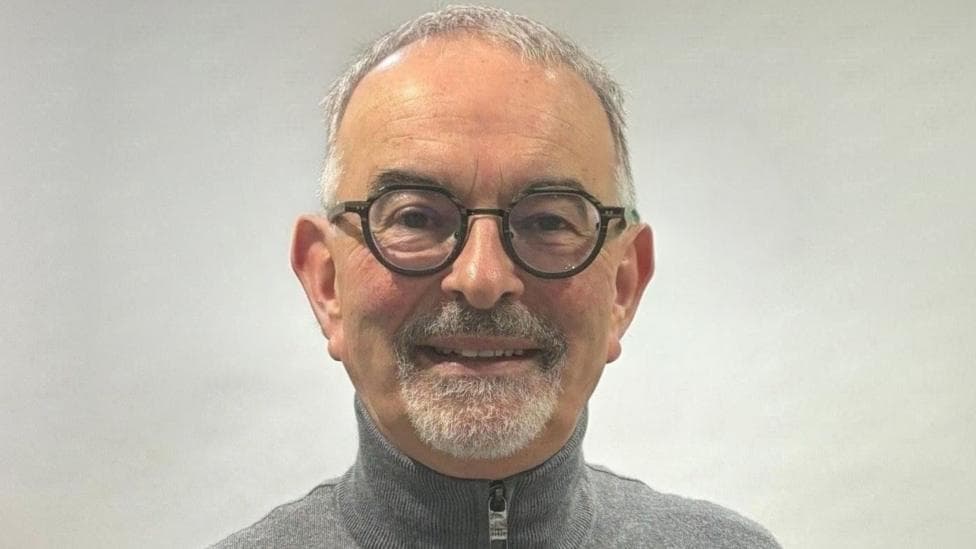
Leonie Bell, director of the V&A Dundee, emphasised the exhibition's significance:
"It offers something very special, the chance to encounter personal and intimate objects which reveal how David Bowie thought, worked and continually reinvented himself."
Bowie's meticulous approach to preservation meant he retained materials from his early career, documenting his ascent to becoming one of the world's most enigmatic and influential musicians. He subsequently collaborated with professional curators to systematically document and organise the archive, enabling him to revisit abandoned projects and fill gaps created when personal items had been distributed or misplaced.
How did Bowie's Scottish performances shape his artistic development?
Much of Bowie's theatrical vocabulary originated in Edinburgh during the late 1960s, where he studied under choreographer Lindsay Kemp. A programme displayed in the exhibition documents his January 1968 appearance alongside Kemp in Pierrot in Turquoise, a performance combining mime, music and dance that had premiered in Edinburgh. Two years later, the production was filmed at Edinburgh's Gateway Theatre for Scottish Television, becoming The Looking Glass Murders.
Among Bowie's most celebrated Scottish performances was a June 1978 concert at the Glasgow Apollo. In an interview for Reporting Scotland, Bowie told reporter Fidelma Cook that he favoured this venue because of the
"exceptionally excited audiences, intoxicated with the idea of a theatrical show".
When Bowie brought Ziggy Stardust to Edinburgh's former Empire Theatre—now the Festival Theatre—the performance did not commence until 23:30, as venue staff required time to empty the bingo hall that constituted the theatre's primary revenue source.
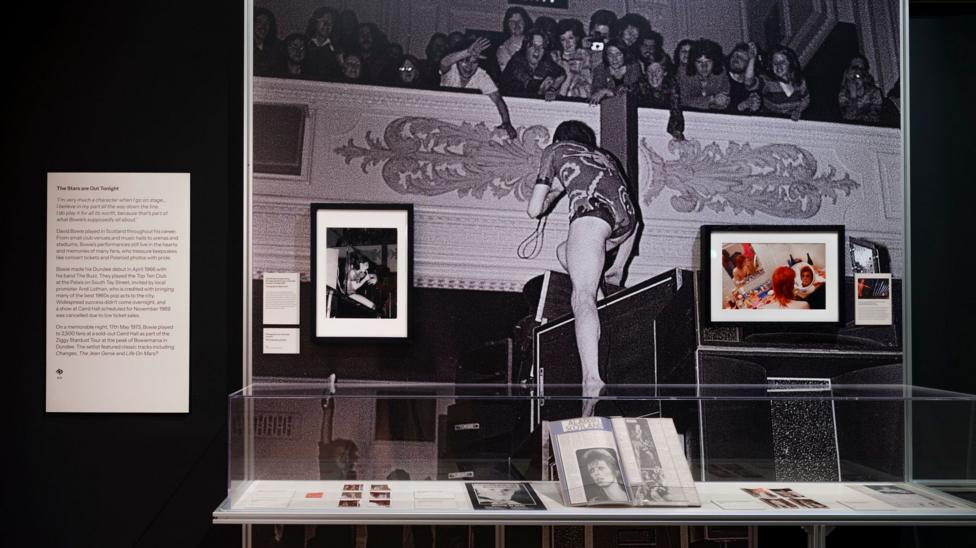
The theatrical imagery Bowie developed through his Scottish collaborations resurfaced throughout his career. He would later embody the Harlequin character in the video for Ashes to Ashes, drawing directly on the mime traditions he had learned from Kemp. By that stage in his career, Bowie possessed sufficient resources to commission Muppets creator Jim Henson to fabricate life-sized dolls, rather than borrowing props from the Museum of Childhood as he had done in earlier productions.
What do Scottish fans remember about Bowie's impact?
John Reilly was 11 years old when Bowie performed at Dundee's Caird Hall in May 1973 as part of the legendary Ziggy Stardust tour. Despite his passion for the artist, Reilly did not attend that particular show, having miscalculated his chances of sneaking in behind his father.
"I thought it would be like a football match, and I'd just crawl in under the turnstiles behind my dad,"he recalled at age 64.
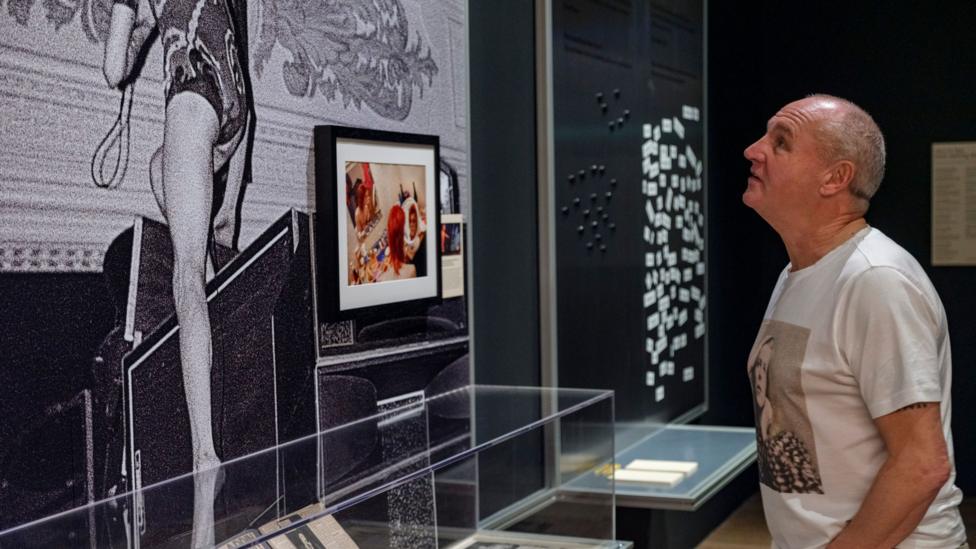
Reilly compensated for this missed opportunity by attending Bowie concerts 49 times before the artist's death in January 2016. His devotion to Bowie extended to naming two of his children with Bowie as a middle name, alongside Dalglish—representing his two greatest passions. A former Dundee United footballer, Reilly accumulated substantial memorabilia from Bowie's Scottish performances, portions of which now feature in the exhibition.
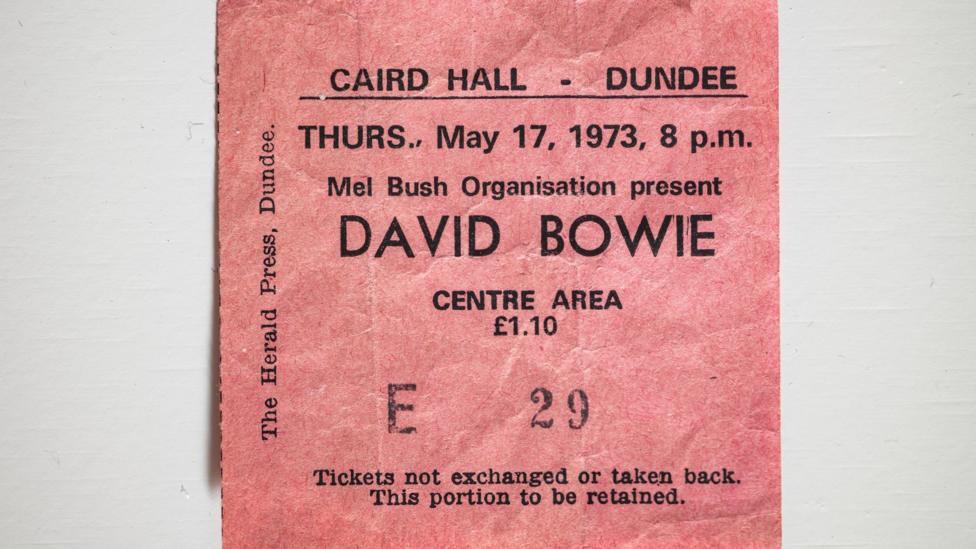
For Reilly, the exhibition's arrival in his home city carries profound emotional weight. He described how Bowie's music provided an
"escape"during his youth, when he collected pictures from magazines and built scrapbooks.
"The girls in my class would save pictures from their Jackie magazines and I'd collect them in scrapbooks. Then it was records and posters and tour programmes. I've made friends from all over the world and something like this brings the whole Bowie family together. Only this time, instead of travelling around to see him, I can get the bus into Dundee and the bus back home again and see it all on my own doorstep."
Curator Svetlana Panova reflected on the research process:
"He played in Scotland multiple times in his career. While researching the Dundee performances we were struck by how vividly they still live in the hearts and memories of local fans who have proudly held onto their keepsakes. Their dedication has made it possible to tell the cherished story of 17 May 1973 as part of the legendary Ziggy Stardust tour."
Key Facts
- The exhibition features 100 items from a 90,000-piece archive acquired by the V&A in London in 2023, with many pieces never previously displayed publicly
- Bowie's first Scottish performance under his adopted stage name occurred at the Palais de Dans in 1966, establishing a connection with Scottish audiences that lasted throughout his career
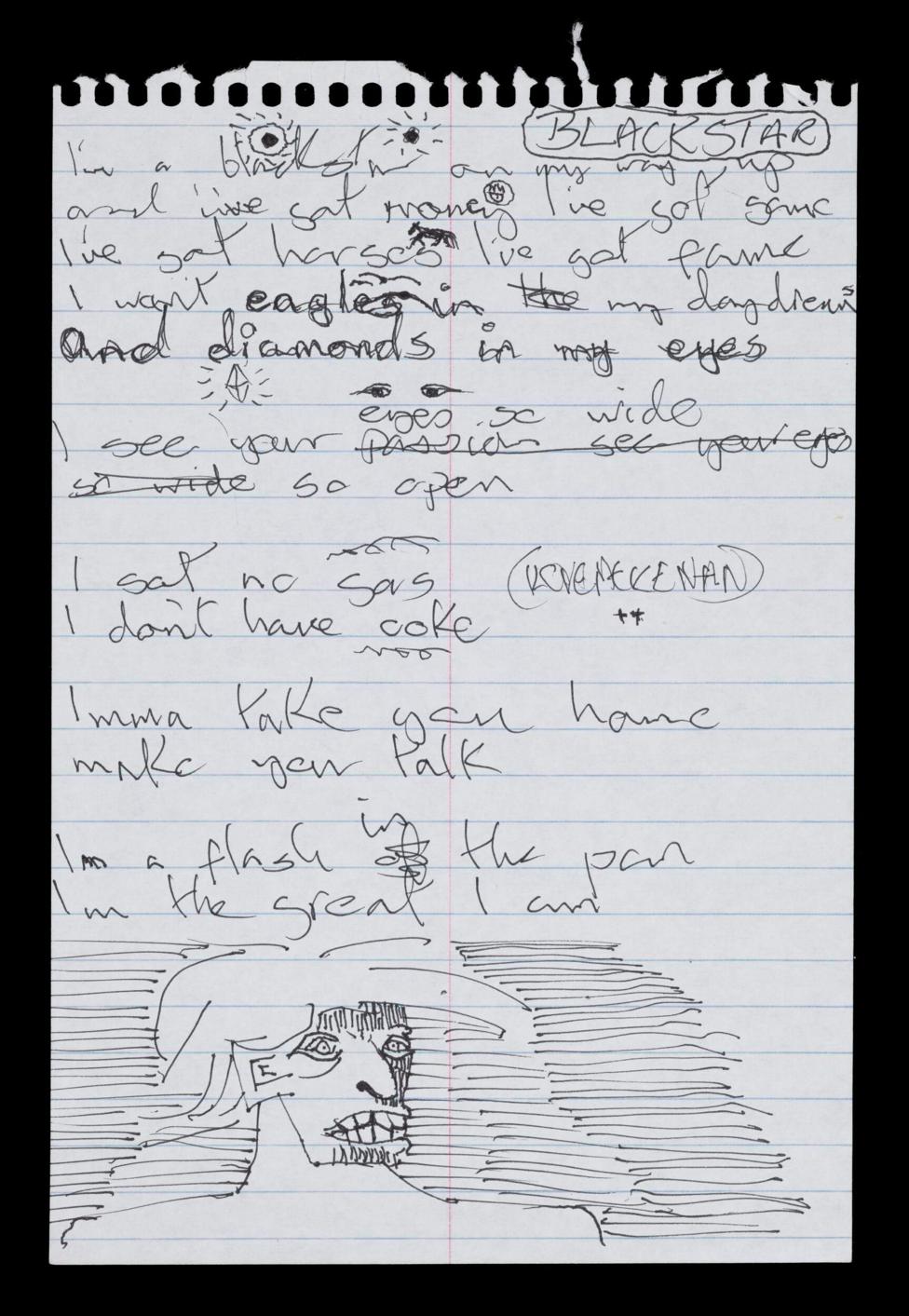
- The exhibition showcases personal artefacts including his first saxophone (gifted Christmas 1961), songwriting stopwatch, 1988 passport, and handwritten lyrics from his final album Blackstar
- Approximately 2,500 fans attended Bowie's May 1973 performance at Dundee's Caird Hall during the Ziggy Stardust tour, an event that remains vivid in the memories of local attendees
- Bowie's theatrical vocabulary was significantly shaped by his work with Edinburgh choreographer Lindsay Kemp in the late 1960s, influencing his visual presentation throughout his career