Introduction
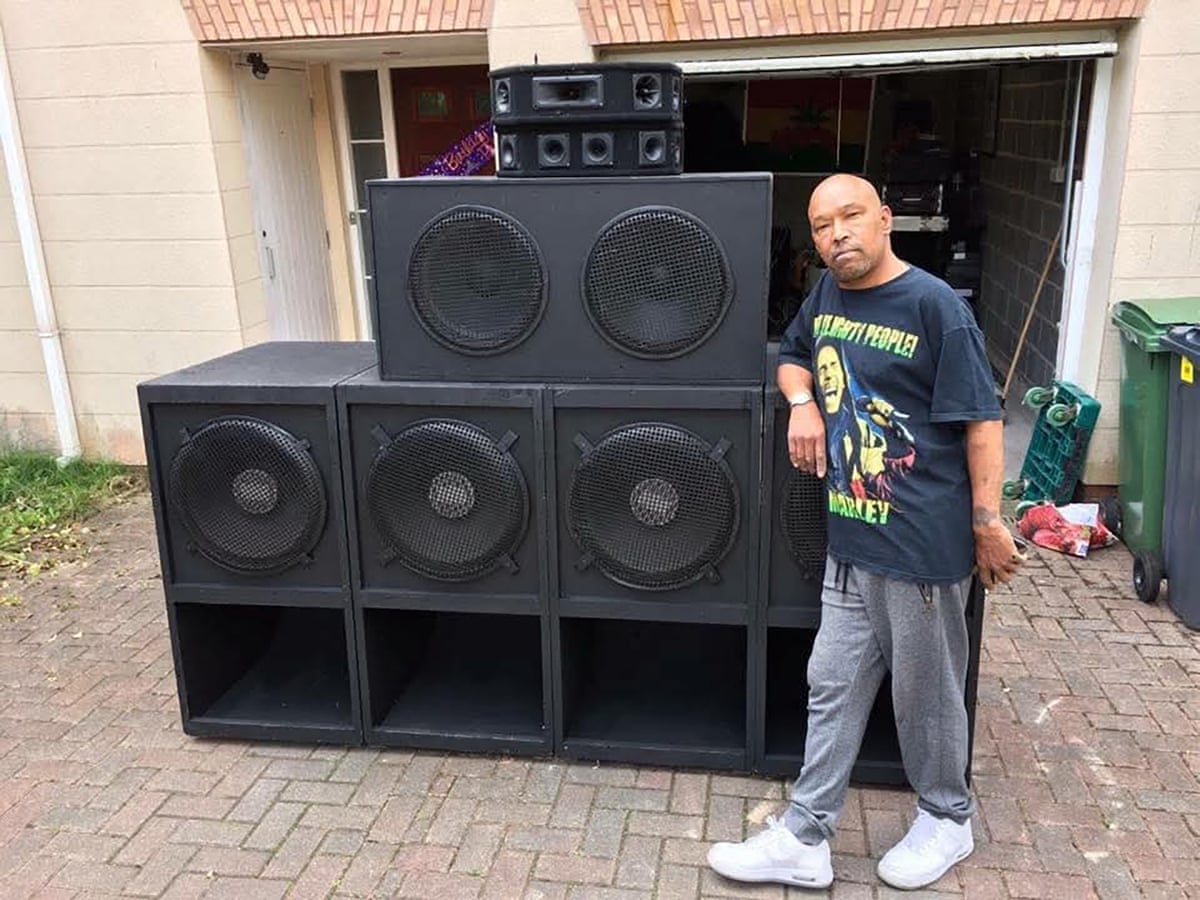
In the 1970s, Wales, a country traditionally associated with rock and choral music, emerged as a significant hub for the dub reggae sound system scene. Rival crews from Cardiff recall the energetic parties and the challenges posed by racist hostility during that era.
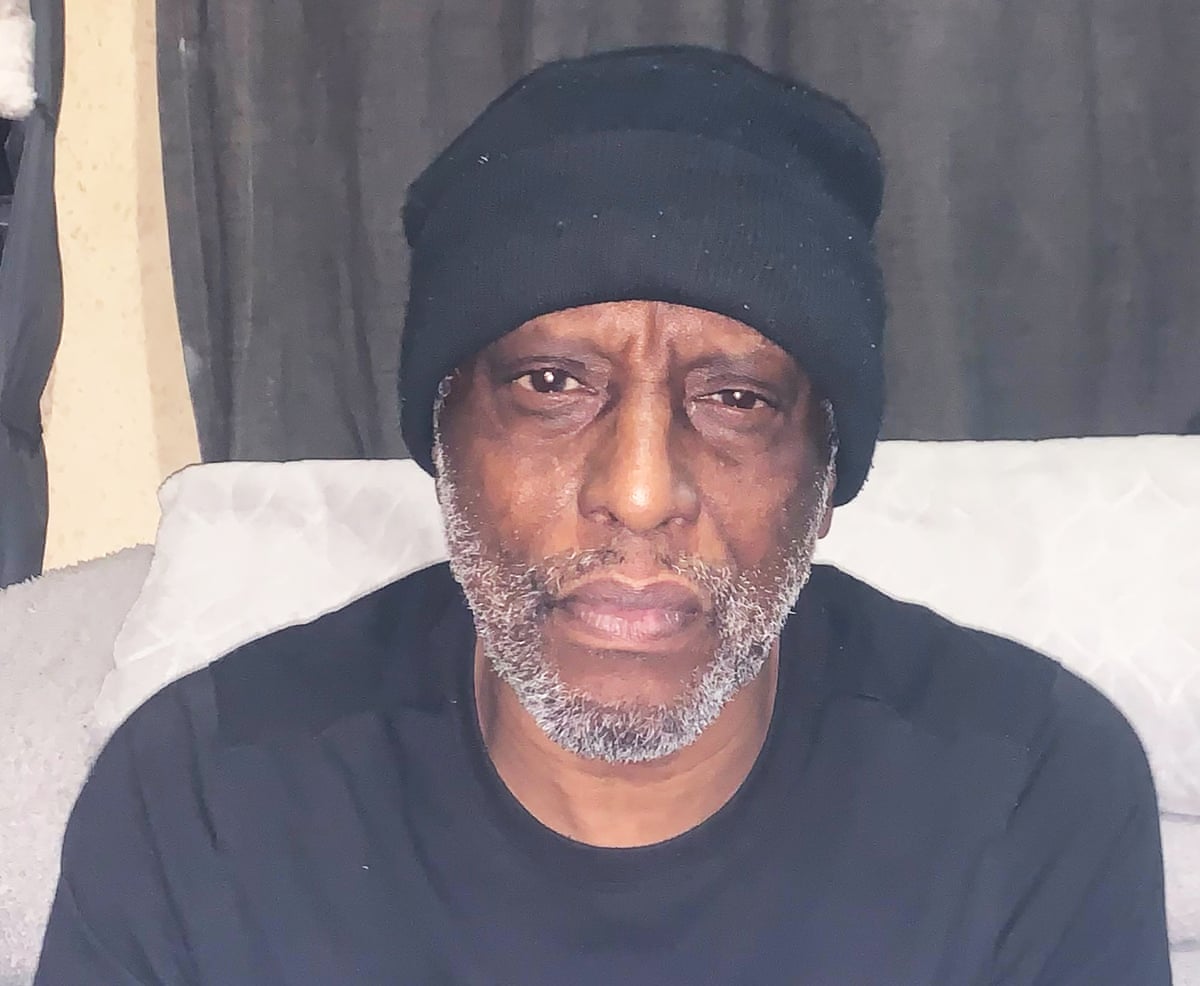
"It was like we were cut off from the rest of mankind. There was nothing for young Black people."— Lawrence “Tylo” Taylor
Growing up Black in Wales during the 1970s presented considerable difficulties. Despite Wales hosting one of the UK's oldest Black communities, dating back to the 19th century, the environment was often hostile. Tylo recalls the police abusing children with racial slurs and experiencing racism in schools, where teachers would single out and belittle Black students. This environment led many young Black individuals to feel disillusioned.
Finding Identity and Community
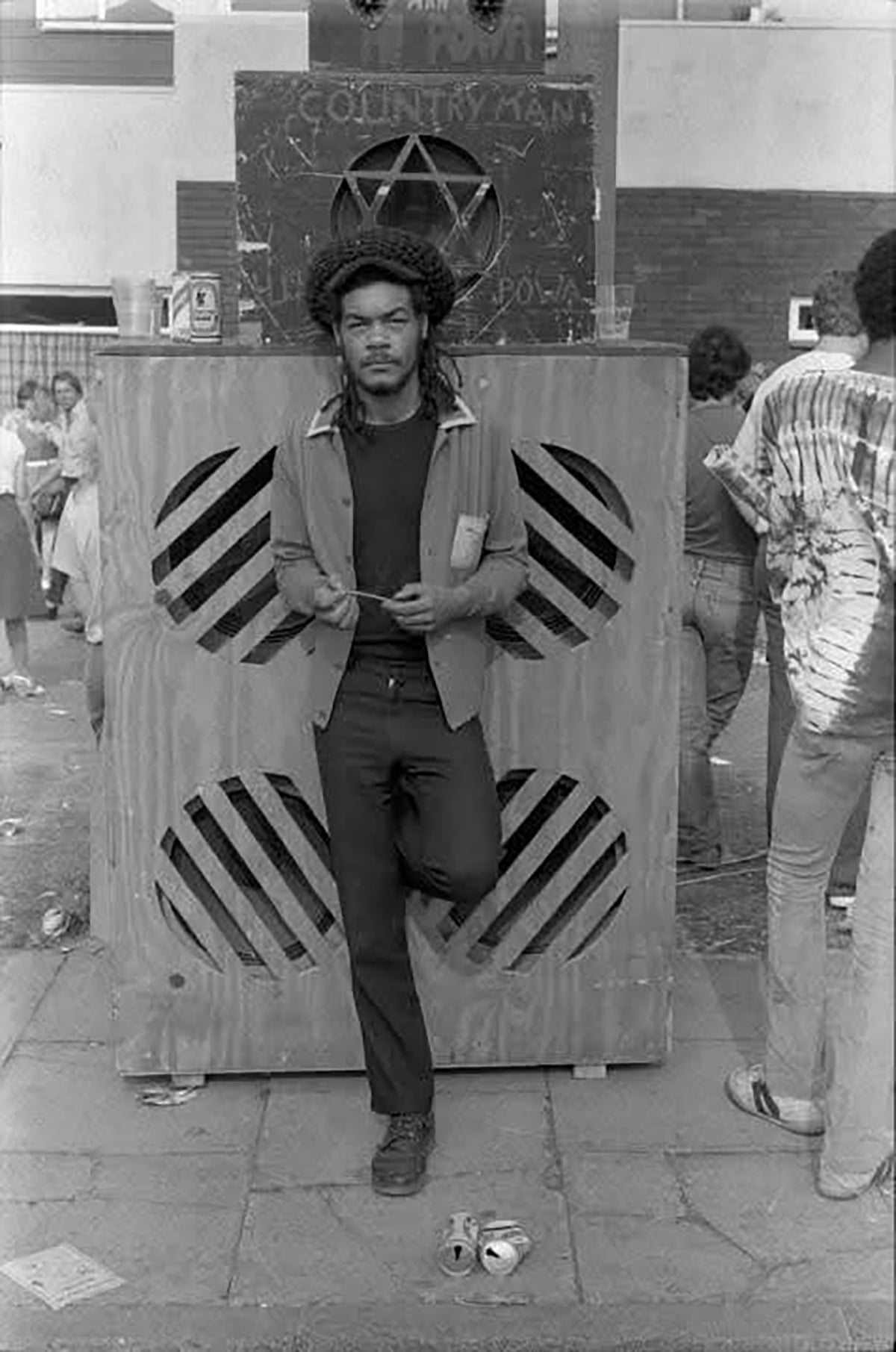
Many individuals sought to find their identity and community within Wales. Andrew “Bingham” Binns, who moved from London to Cardiff in 1970 at the age of nine, described the experience as a culture shock, admitting he was unaware of Wales before relocating. His travels to New York, London, and Jamaica as a teenager deeply influenced him, leading to his adoption of Rastafarianism and a strong connection to his heritage. This new identity served as a defense mechanism during turbulent times, and his passion for reggae music grew. When invited to join a sound system crew, he accepted enthusiastically.
Both Tylo and Bingham became prominent figures in one of Britain's lesser-known yet culturally rich music scenes: Welsh reggae sound systems. While cities like London, Bristol, and Leeds are widely recognized for their dub reggae street parties and dance halls, particularly at events like the Notting Hill Carnival, Wales's sound systems have remained relatively obscure. This obscurity allowed them to cultivate a fiercely cherished African-Caribbean culture within the UK.
The Rise of Welsh Sound Systems
The first sound system in Cardiff was Black International, followed by Conqueror Hi Power Sound System, established by Gilbert Anthony Watt in 1975. In the early 1980s, Tylo and Gary Jemmett founded Countryman, which, alongside other crews such as Lionheart and Emperor, contributed to a vibrant scene. Kervin Julien, originally from London and later a member of Conqueror after moving to Cardiff in the late 1970s, described the scene as isolated and distinct from the capital's environment. He noted the scarcity of venues, record shops, and media outlets, with only chart radio available and no pirate stations. Despite these challenges, the scene fostered a strong sense of community and belonging.
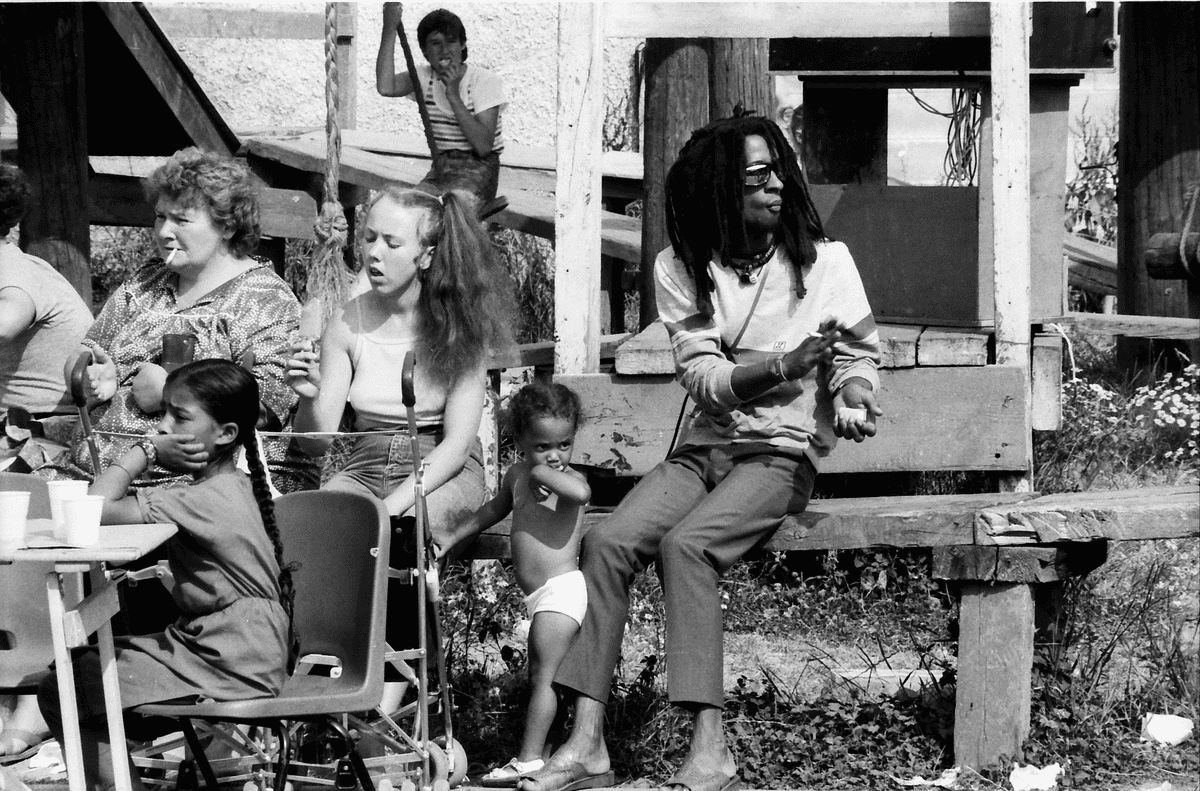
Sound system organizers frequently transported their speaker stacks to cities including London, Bristol, Birmingham, Gloucester, and Huddersfield, acquiring new records and engaging in sound clashes with other notable systems. During its peak, Cardiff’s Butetown carnival attracted tens of thousands of attendees. Bingham remarked on the carnival’s magnetic pull, stating that attendees would simply follow the bassline to find the event.
Rivalries and Challenges
When Countryman began in 1981, rivalry among sound systems was intense. Jemmett recalled,
"There was rivalry. We took them all on and nothing was stopping us."
All crews claimed superiority, including Conqueror. Jemmett recounted incidents where rivals attempted to disrupt their performances, such as breaking into their speaker lockup and cutting wires mid-performance to silence their powerful sound output.
Seeking venues to host their parties, the crews sometimes found themselves in unusual situations. Jemmett described an occasion when they were surrounded by police after inadvertently tapping into the mains power from the lord mayor’s residence. On another occasion, a double booking at a girl's 18th birthday party led to a confrontation when 80 bikers arrived, escalating tensions. Despite these challenges, Jemmett noted,
"They loved us. Their DJ blew his speakers trying to match us. It was great, until about 11pm when 80 bikers came in and then it all kicked off."
Preserving a Rich History
Despite the scene's rich history, including performances alongside renowned artists such as Aswad, Dennis Brown, and Jimmy Cliff, much of it remains undocumented. Historian Ashish Joshi has dedicated years to locating audio and video footage of sound clashes. He explained,
"I'm a Londoner and I grew up collecting tapes, going to dances and carnivals. But there's a lot of snobbery, with people thinking there's no sounds outside of London that could test us. But there were brilliant MCs and sound systems all over the place that haven't always got the attention. So, when I hear that Cardiff had a sound system scene, I'm like, 'Where's the tapes?' I feel like Indiana Jones."
Joshi has compiled an extensive YouTube channel and SoundCloud page featuring digitized recordings. However, as technology evolves and individuals age, many recordings risk being lost. Joshi emphasized the urgency, stating,
"It's a race against time. I'm trying to rescue stuff because it's being chucked away."
Locally, researcher and activist Yasmin Begum has taken up the cause. She manages an Instagram page dedicated to showcasing footage from the scene. Begum shared,
"I grew up with this culture, but I don't see it reflected within galleries, libraries, archives or museums."


Begum's familial ties to the culture run deep; her father is a ragga and jungle DJ, and her great-grandmother operated a jazz pub in the Tiger Bay area, Wales’s oldest multi-ethnic community. She reflected on her upbringing, saying,
"I grew up hearing these glorious stories of the bay. And that was in such contrast to my experiences after 9/11 as a Muslim Pakistani child. The stories were a wonderful world to retreat in. But all my elders either died or went to prison – I realised the onus was on me to promote and celebrate the culture."
Sound Systems as a Statement
For many, sound systems provided a sense of purpose and identity amid social exclusion. Tylo remarked,
"We were nobodies, we weren't even looked at. We had no future, so we tried to make a future for ourselves. Sound systems were a statement for us to say: you've shunned us for all of your life but, look, we've made it in our own communities."
Parties were often held at venues like the Black-owned Casablanca Club, as Black individuals were excluded from white clubs. Eric “Beefy” Howard, a member of Conqueror, explained,
"You were limited. And the police would really try and clamp down on what you were doing."
Tylo described Casablanca as a dilapidated building with minimal amenities, but emphasized the positive atmosphere, saying,
"It was a right shithole. A completely decrepit building. It had lights, power and a bar. You were lucky to have a chair. You had to stand up and dance because that's all you could do. But it was good vibes."
Recognition and Legacy
Word of Cardiff's sound system scene spread, attracting crews from across the UK for clashes. The Black culture television program Ebony featured the scene, and by 1984, the local reggae band Bismillah performed on the show. Benji Webbe, one of Bismillah’s singers and later frontman of the metal reggae band Skindred, credited the Conqueror system for his development, stating,
"Without the sound system in Cardiff, I wouldn't be here where I am now in a successful band. That was special for me."
Despite this, Bismillah disbanded due to the lack of local industry and infrastructure, and Cardiff remained a challenging environment. Julien recounted an incident shortly after opening a reggae record shop when a neighbor threatened them,
"The fruit and veg man from next door came to our window with a hammer. He tapped on it and told us to turn off our monkey music."
Later, when Julien launched a radio station to promote Black and Brown music, he was targeted by the racist hate group Combat 18, who sent him an envelope containing dog excrement and razor blades.
Changes in the 1990s and Beyond
By the early 1990s, with the rise of dance music and jungle, the scene's dynamics shifted. Conqueror disbanded, Butetown carnival ceased for 16 years, and the Casablanca Club closed. Bingham reflected on the impact, saying,
"Since the club closed, everybody's scattered and some people have gone sideways. What was a bona fide dreadlock man is now a crackhead. Because when the club closed, there was no way for us to link up. So now you don't meet man, you don't see man week to week, you see them month to month if you see them at all. And then when you do see them, they're on a different runnings."
Countryman continues to operate, as does the revived Butetown carnival, and Julien remains an active DJ locally. However, there is a widespread sentiment that more should be done to celebrate and preserve this important aspect of Black and Welsh culture. Begum expressed hope for institutional recognition, stating,
"I can't wait for Welsh institutions to see value in reggae culture and for Black cultural archives to make a Black Wales collection."
Bingham highlighted disparities in cultural funding and infrastructure, observing,
"Look at the hundreds of millions spent on opera houses. All that money to get the acoustics right. They build these big, fancy buildings for posh people, so why can't they build buildings especially for sound systems to continue the culture? Because when you have two clashes going and you kick up a sound … man, nothing better."