Early Performances at Connah's Quay Labour Club
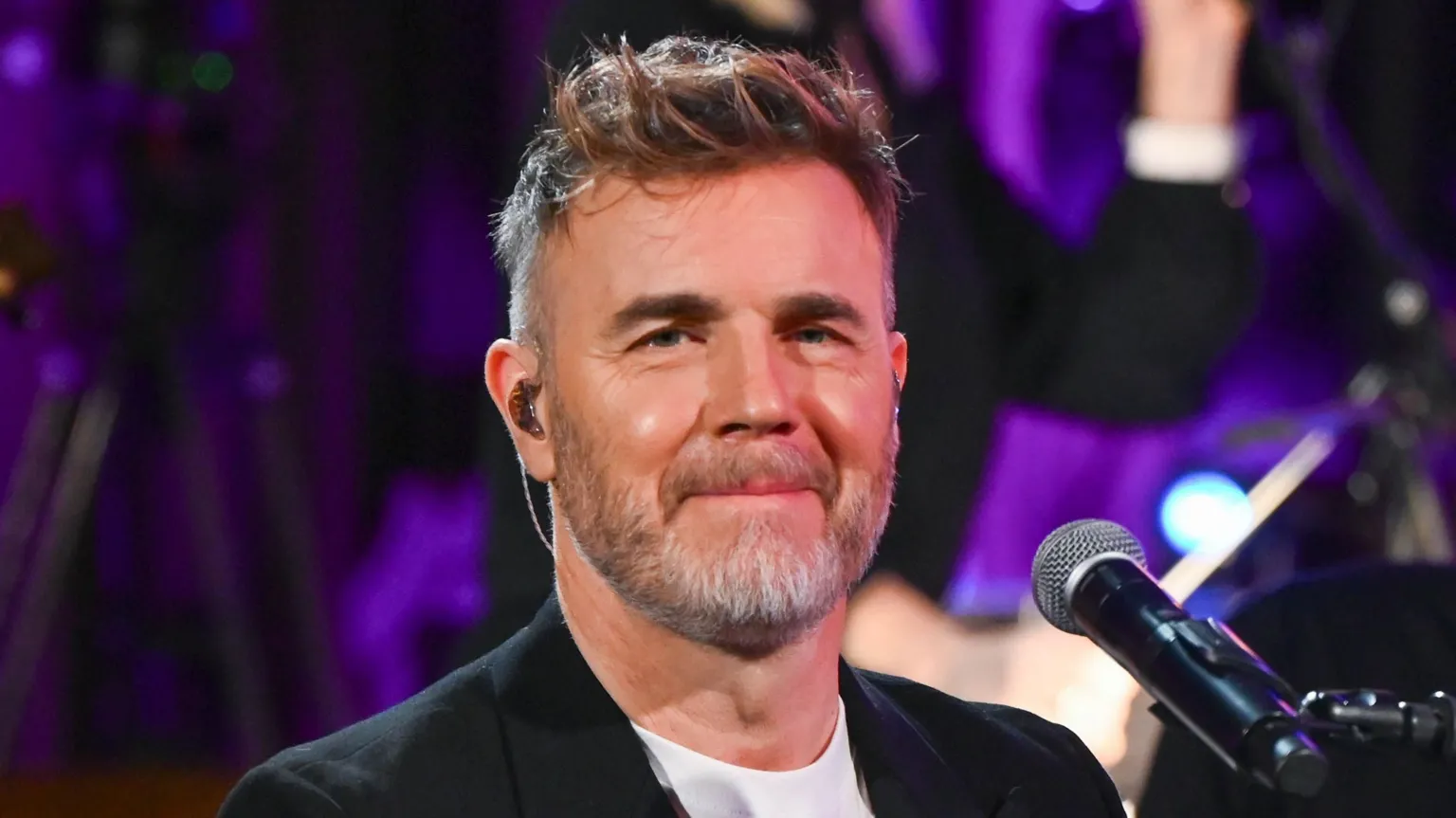
Everyone has to start somewhere, and for Gary Barlow, that beginning was an unassuming social club in north Wales. Now accustomed to selling out stadiums worldwide, the Take That star was only 11 years old when he first performed for patrons at Connah's Quay Labour Club.
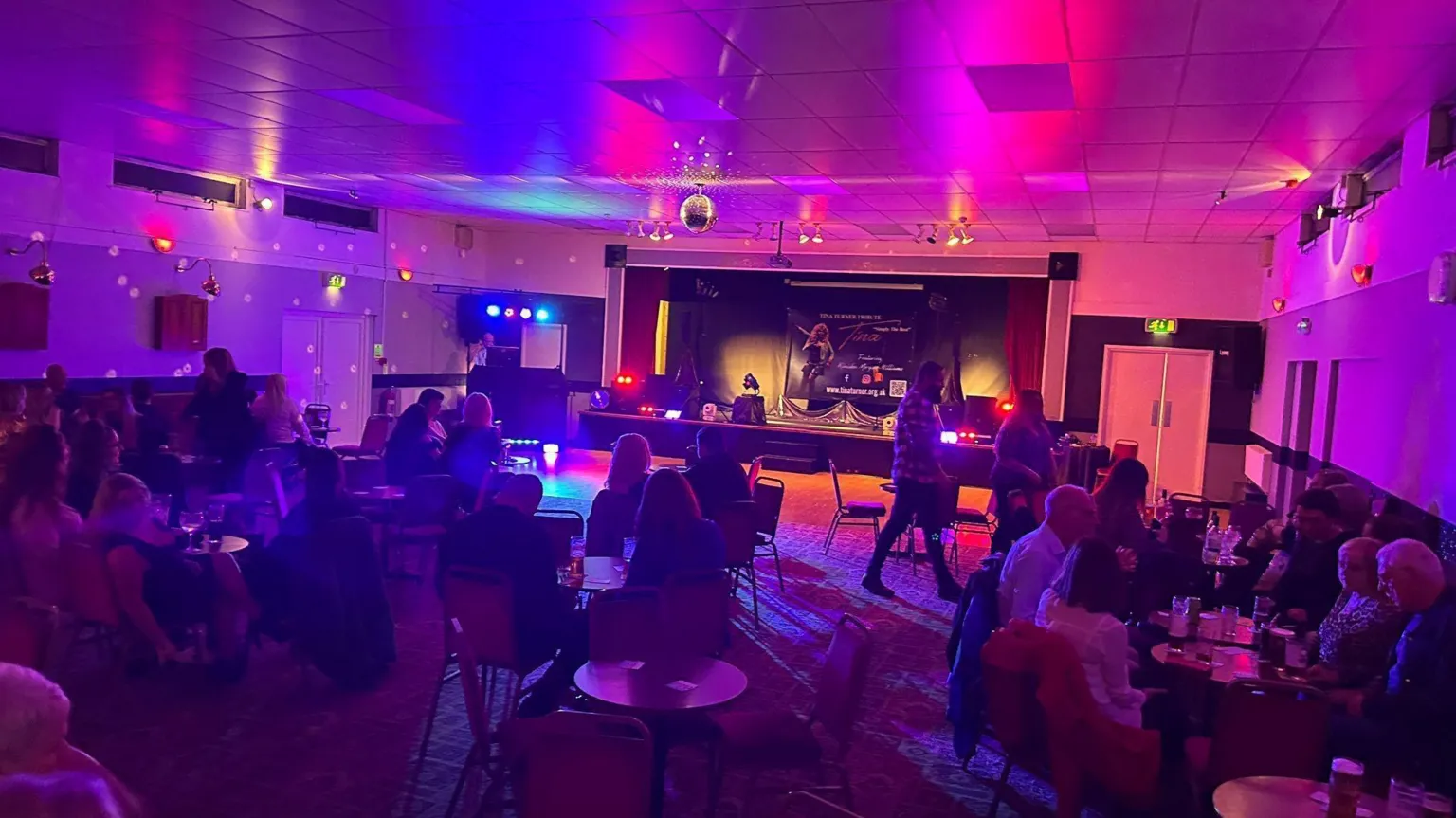
This lesser-known chapter of music history recently came to light following the release of the Netflix Take That documentary series earlier this year. The revelation prompted residents of the town to share their memories of Barlow on social media. From quieting the audience to returning for tea during his peak fame, Barlow left a lasting impression on the small Flintshire community.
Alan Davies Remembers His Father Trevor and Gary Barlow
For Alan Davies, Barlow’s early days evoke memories of his late father, Trevor, who performed alongside the young singer at the club, a venue he frequented.
"He'd come back from the club and he'd say, 'oh yeah, I've met this really nice lad, Gary. He's really good, I think he's going to go a long way'."
"My dad kept going week after week, got to know him, and it became like a regular thing where he got up on the mic with him."
Photographs from that period show Trevor on stage with Barlow, including one capturing the pair in fancy dress on New Year's Eve.
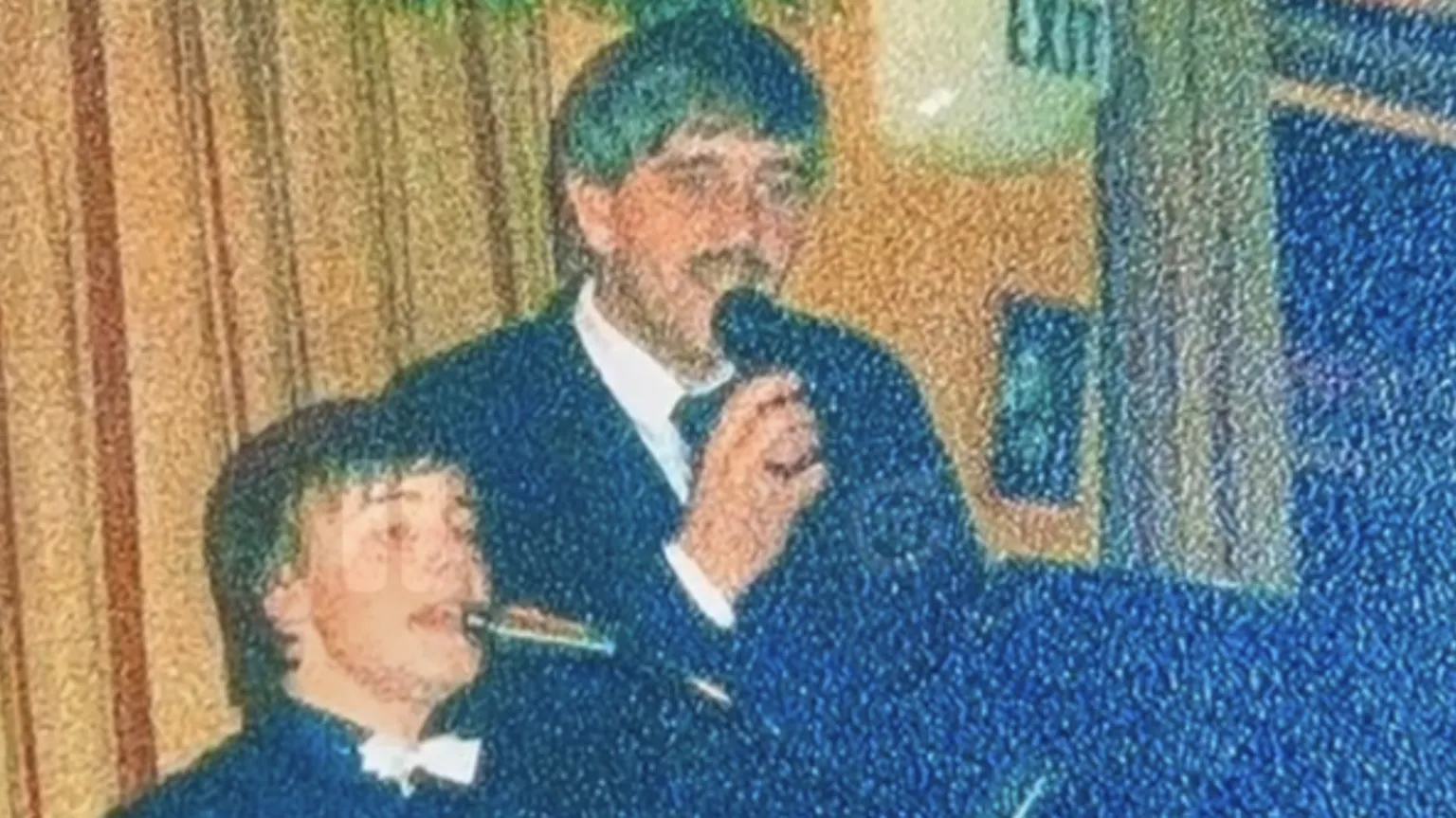
Barlow developed a close relationship with the Davies family, bringing back souvenirs from family holidays and even mentioning Trevor in his 2006 autobiography, My Take.

"He said that my dad taught him how to sing vibrato, which is quite funny really, because I don't think [my dad] knew what it was.
It is really touching, because that special mention kind of immortalises him in a way," Davies said.
"To say such nice things, obviously [Barlow] knows a lot of people, so it's nice to know that my dad has made an impression on him."
Club Regulars Recall Barlow’s Early Talent and Wit
The club was also a regular weekend spot for Julie Luff and her friends when Barlow began performing there, with his parents keeping a watchful eye on him.
"Every Saturday there would be an act.
But to me and my friends, 30-something mums who only managed to catch up on Labour club nights, it was our chance to chat and catch up.
To be truthful, he was extremely talented, but not enough to shut us up."
While performers were accustomed to Luff and her friends chatting through sets, Barlow was quick to respond.
"All of a sudden we heard the young Gary loudly say, 'shhhh, please girls', [and] we did.
Luff said that Barlow was a good sport, and "smiled" when he shushed them again that night.
Local Connections Explain Barlow’s Link to the Area
Growing up in nearby Cheshire, resident Darren Strathdee believes he understands the reason behind Barlow’s connection to the area.
"I think one of the reasons Gary played at the Labour club of all places was the fact that his dad races pigeons, and there is a pigeon racing club built onto the side of the club."
Strathdee’s father, Terry, was a member of the Shotton and District Homing Society alongside Barlow’s father, who maintained ties with the town.
"One of the other pigeon racers, Terry Andrews, was in touch with Gary's dad through the pigeons and received a visit from him a few years ago, and Gary, by now very famous, came along for the ride," Strathdee said.
While the three chatted over tea in the back garden, Andrews forgot to invite one important person.
"When Terry's wife got home he told her Gary Barlow had visited with his dad. She was a fan of his and was quite disappointed that she had missed him."