

Emma-Lee Moss’s Memoir Celebrates Hong Kong’s Cantopop Legacy
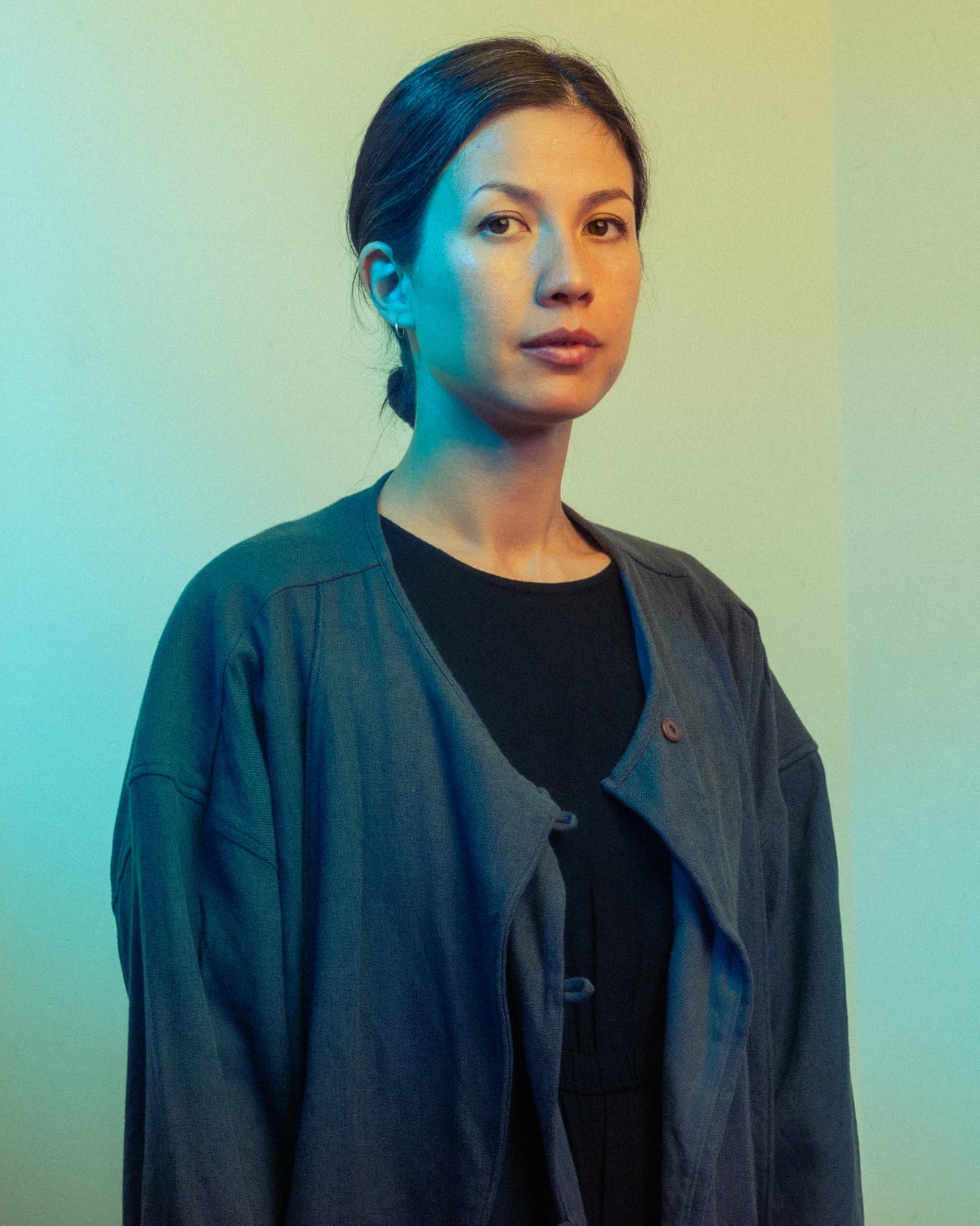
Emma-Lee Moss, known professionally as Emmy the Great, is a singer-songwriter with a unique cultural heritage: born to an English father and a Hongkonger mother, she spent her early years in Hong Kong before relocating to England at age 11. This move occurred amid the significant political transition of Hong Kong’s 1997 handover from British to Chinese sovereignty, a moment that deeply influenced her life and work.
“Thanks to our British passports, we would avoid the greatest schism our city had ever known – and its consequences, which were unwritten,”Moss reflects in her memoir, which is grounded in her affection for Hong Kong’s distinctive Cantopop music scene.
As a touring musician, Moss reconnected with Cantopop, a genre that fuses Chinese and Western pop influences, during performances in Hong Kong. In 2017, she returned to the city to write her memoir My Cantopop Nights, coinciding with the 20th anniversary of the handover and a period marked by widespread pro-democracy protests following the imprisonment of activists such as Joshua Wong, Nathan Law, and Alex Chow. Through her work, Moss aims to capture the essence of Hong Kong’s sound and spirit amid political unrest.
Aaron Kwok – Love You Endlessly 對你愛不完
Aaron Kwok, one of the famed “four heavenly kings” of 1990s Cantopop alongside Jacky Cheung, Andy Lau, and Leon Lai, launched his career with the song Love You Endlessly. For Moss, this track is personally significant due to a childhood memory involving a transformative haircut she received in 1995 at age 11. Instead of choosing the popular "Rachel" style from the TV show Friends, she opted for the "Aaron cut," a style associated with Kwok.
I went to the salon and I remember thinking: should I get the Rachel from Friends cut? And instead I walked out with the Aaron cut. I arrived in England from Hong Kong with that haircut, where no one knew who Kwok was. I passed from a world where he was a god to a world where he did not exist.
Moss relates this choice to a pivotal moment of autonomy at age 11, a transitional phase where personal identity begins to form. The haircut symbolized a connection to her Hong Kong roots during a time of change.
Faye Wong – Dream Person 夢中人
After Moss’s family left Hong Kong, she returned briefly on a business trip with her parents. During this visit, she associates Faye Wong’s Cantonese cover of The Cranberries’ song with a memorable sleepover with her friend Nat. Nat had recently attended concerts by the Cranberries, Foo Fighters, Sonic Youth, and Beastie Boys, and introduced Moss to DIY punk bands from international schools. This weekend immersion in 1990s Hong Kong subculture profoundly influenced Moss’s teenage identity and creative development.
At that time, Wong was exploring Western rock influences and distancing herself from mainstream Cantopop, covering artists like Tori Amos and collaborating with Cocteau Twins. The mixtape Nat created became central to Moss’s musical persona, inspiring her first songwriting efforts.

The Wynners – You’re Free
During the COVID-19 pandemic, Moss discovered a 1970s album by the Hong Kong band The Wynners, which unexpectedly featured her father’s name on the back cover. Her father had written English lyrics for the band while working as an art specialist in Hong Kong, a fact that connected Moss’s personal history to the broader narrative of Cantopop.
The Wynners, including stars Alan Tam and Kenny Bee, were a major Cantopop act. Their TV show featured ruffled costumes and flawless covers of Western songs, part of the initial wave of Cantopop inspired by the Beatles’ 1964 Hong Kong visit. This discovery deepened Moss’s understanding of both Hong Kong’s musical history and her parents’ youth.

Beyond – Boundless Ocean, Vast Skies 海闊天空
Beyond’s song Boundless Ocean, Vast Skies was released shortly before the death of their lead singer Wong Ka Kui in 1993. Moss recalls being nine years old and witnessing the emotional impact of his passing on Hong Kong’s public figures. Although Beyond was Hong Kong’s leading rock band, they were largely unknown in England, making Moss’s connection to them a private cultural link.
During the pandemic, Moss found solace in Beyond’s music, playing their songs on piano and reflecting on their origins in Hong Kong’s independent music scene. This realization affirmed her own identity as a Hong Kong musician, despite her independent status.
Sam Hui – Half a Catty, Eight Taels 半斤八两
Sam Hui was a pioneering Cantopop artist who experimented with Cantonese songwriting during the post-Beatles 1960s era. Moss admires his versatility, from poignant ballads to humorous Canto opera. She particularly enjoys the song Half a Catty, Eight Taels, which humorously critiques labor conditions in 1970s Hong Kong, paralleling Dolly Parton’s 9 to 5.
Moss’s move back to Hong Kong as an adult coincided with a period of political uncertainty and cultural introspection. Writing her 2017 album April/月音, she observed a collective effort among Hong Kong’s youth to preserve and explore the city’s identity through music and art.
The story of Hong Kong is the sound of it and the feel of it. It didn’t begin with colonisation. It’s not what you read on the street signs or in an English history book. Listening to Hui was the moment I realised, for me, I would find that history if I listened to Cantopop.
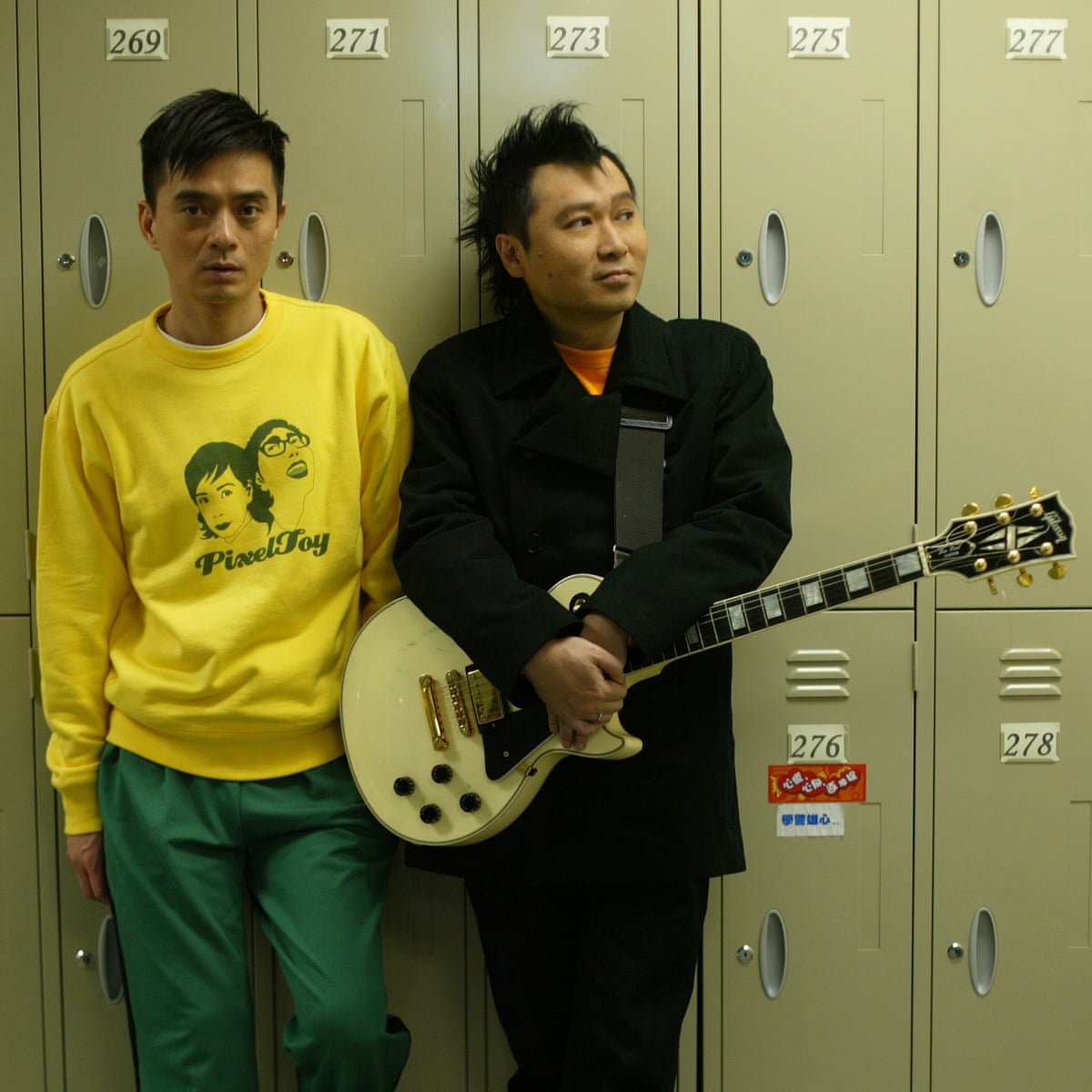
Tat Ming Pair – The Stars Are So Bright Tonight 今夜星光燦爛
Tat Ming Pair, emerging from Hong Kong’s band scene, were known for their activist lyrics and innovative approach to Cantopop. Their 1988 song Forbidden Colours was among the first LGBTQ+ anthems in the genre, and Anthony Wong Yiu-ming became the first Cantopop star to publicly come out in 2012. The duo remains a cult favorite, symbolizing artistic authenticity.
This song is incredibly prophetic. It was written in 1988, before the handover, and it asks: is the glitter and glamour going to disappear? Is this all going to go away? I remember these questions being part of the atmosphere during my childhood.
Anita Mui and Leslie Cheung – Yuanfen 緣分
The song Yuanfen is from the film Behind the Yellow Line, a 1980s Hong Kong movie akin to the 2001 film Serendipity. Starring Anita Mui and Leslie Cheung, it explores the concept of fate through chance encounters on the MTR railway system.
Moss encountered the idea of yuanfen—karmic serendipity—during a 2017 music residency, which profoundly influenced her life and decision-making. Mui and Cheung, both iconic pop stars who challenged Hong Kong’s conservative norms, shared a deep connection marked by immense talent and tragedy, both passing away in the same year.
Faye Wong – One Person Playing Two Roles 一人分飾兩角
Released in 1995, following Wong’s role in Wong Kar-Wai’s film Chungking Express, this unconventional song diverged from mainstream hits. Moss discovered it in her twenties during her first Asian tour, learning it was associated with AMK, Hong Kong’s pioneering indie band.
AMK, known for small venue performances, introduced Moss to Hong Kong’s indie music scene, which included bands like The Box and My Little Airport. The song’s lyrics about an internal, hidden world resonated deeply with Moss’s own artistic journey.
The lyrics are about living in an internal world that other people can’t know about. She’s living in a dream and playing two roles: it was like she had written this song for me.


