

Introduction to Cat Walking
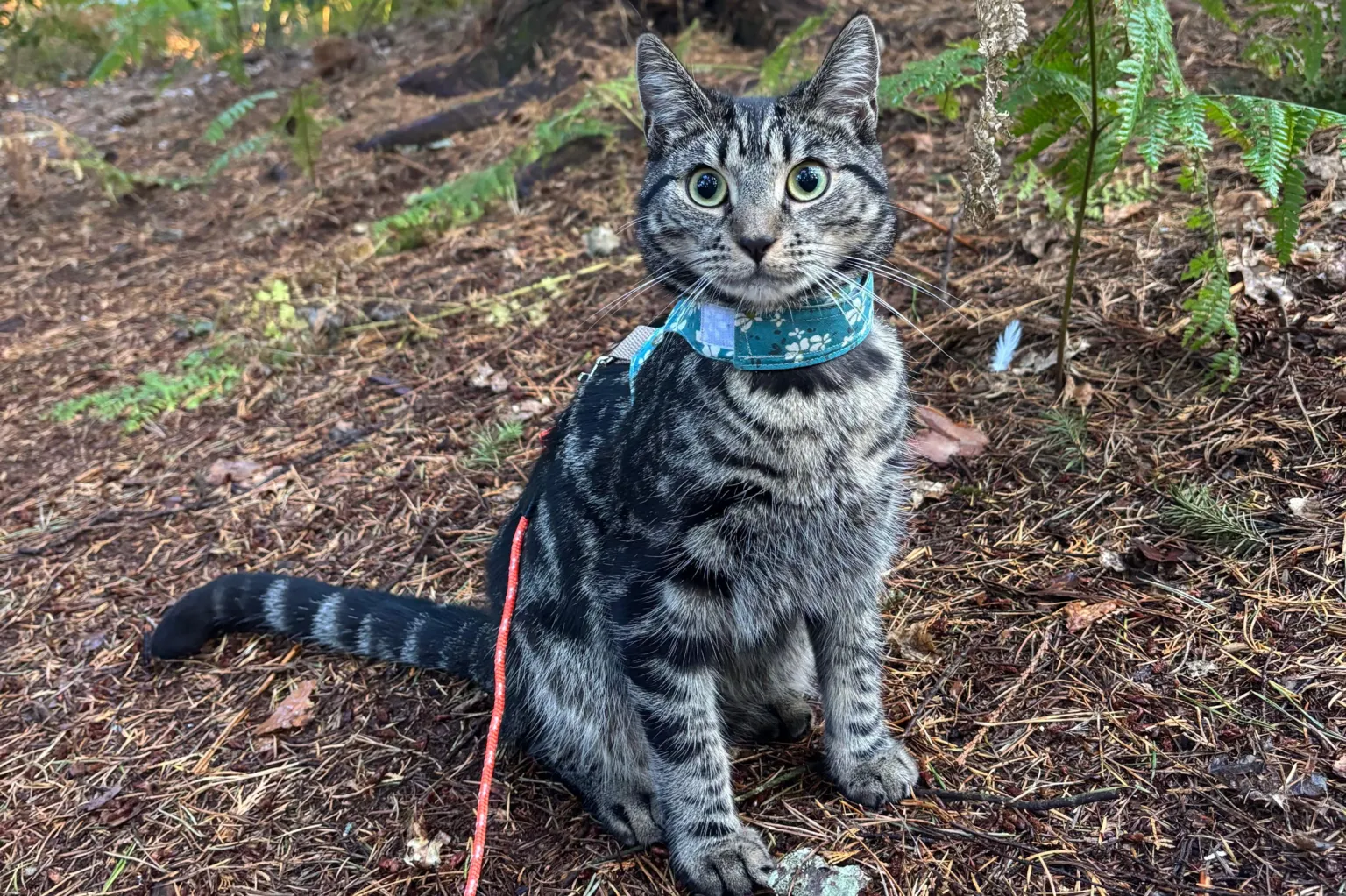
Roo is equipped with her harness and her owner, Alana Kestle, holds her lead as they prepare to go for a walk. Roo is a cat, and she is among many felines being taken outdoors on walks.
TikTok and Instagram have witnessed a surge in videos featuring adventurous cats over recent years, showcasing pets on paddleboards, climbing mountains, or strolling along beaches.
With an increasing number of young people living in city flats, supervised outdoor time offers cats enrichment opportunities without the hazards of free roaming, such as traffic accidents, according to owners.
Expert Opinions on Cat Walking
Cat expert Emily Blackwell commented that while she does not condemn walking cats, she does not actively recommend it either, emphasizing that success depends on both the cat and the owner.
Cats Protection advises prospective owners to select a cat suited to their environment and lifestyle rather than trying to force the cat to adapt.
"I would say the majority of cat owners that are putting in the weeks and months of time to harness train, slowly get them used to the backpack and taking them out are good owners who are wanting to keep their cats safe," said Alana.
Alana and Roo's Experience
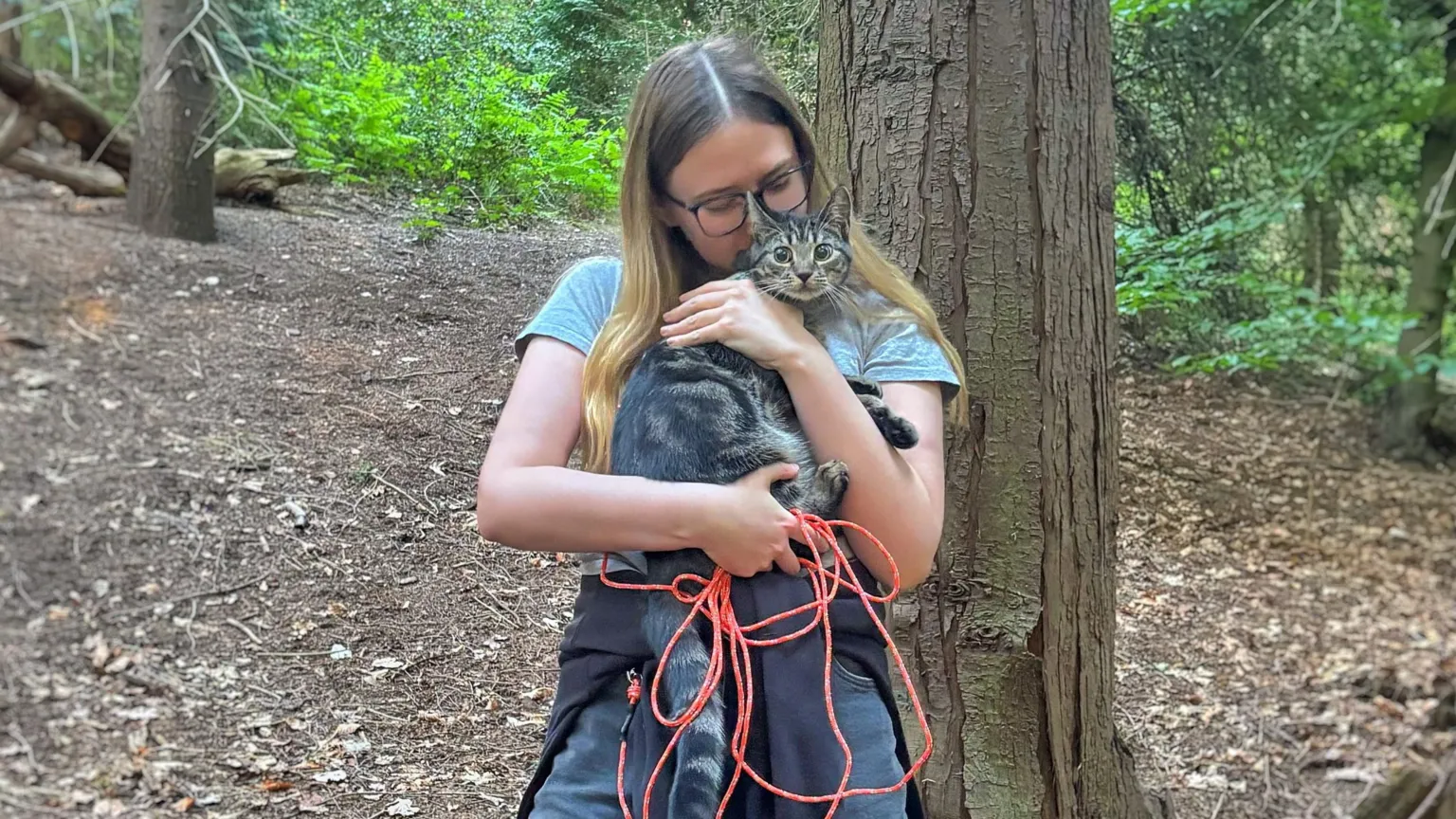
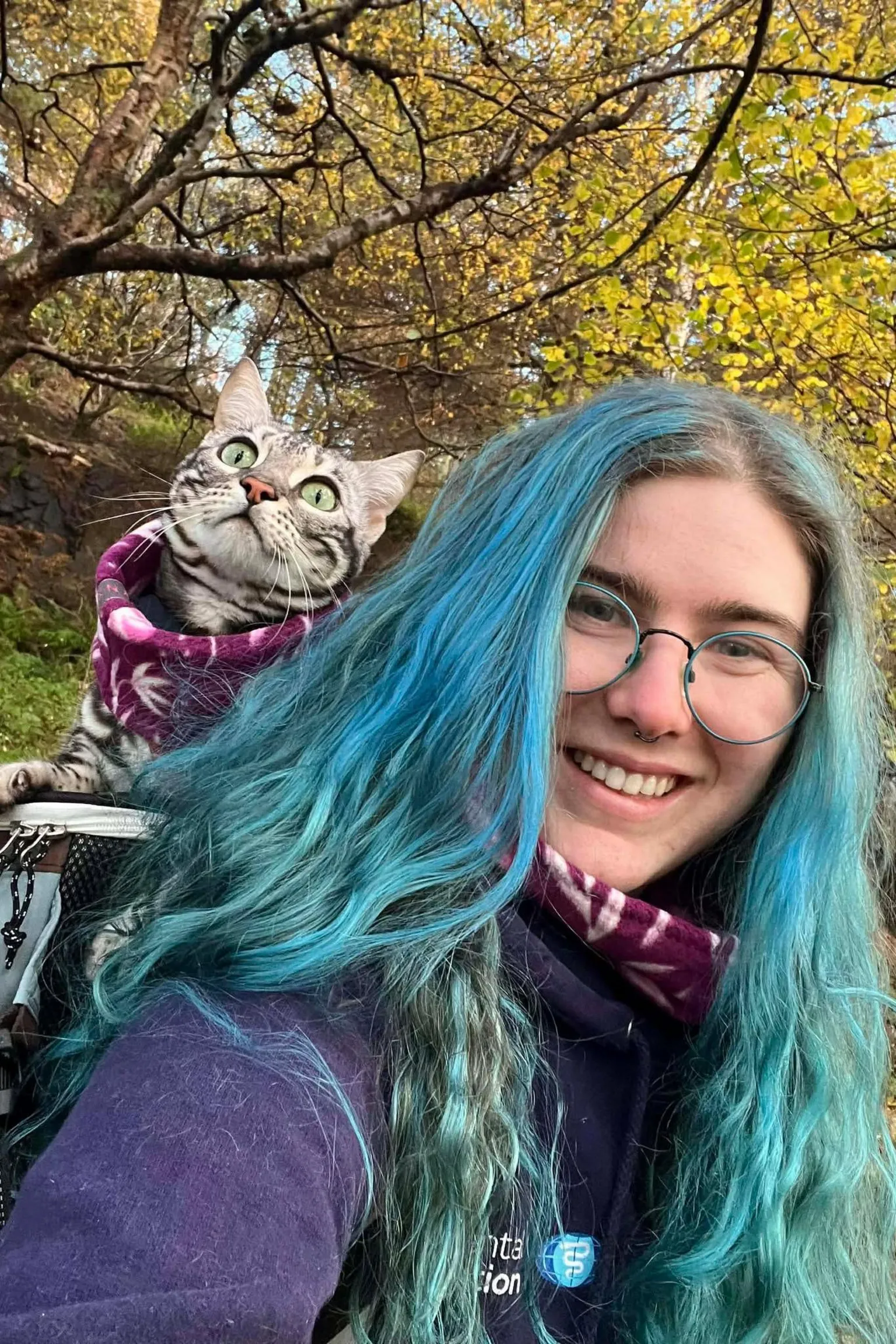
When Roo was adopted by 22-year-old Alana and her partner from Cardiff, the kitten was intended to be an indoor cat. However, after seeing videos of cats on leads on social media, they decided to try walking Roo.
As a third-year veterinary student at the University of Surrey, Alana is aware of the risks free-roaming cats face, including traffic accidents, fights, and disease.
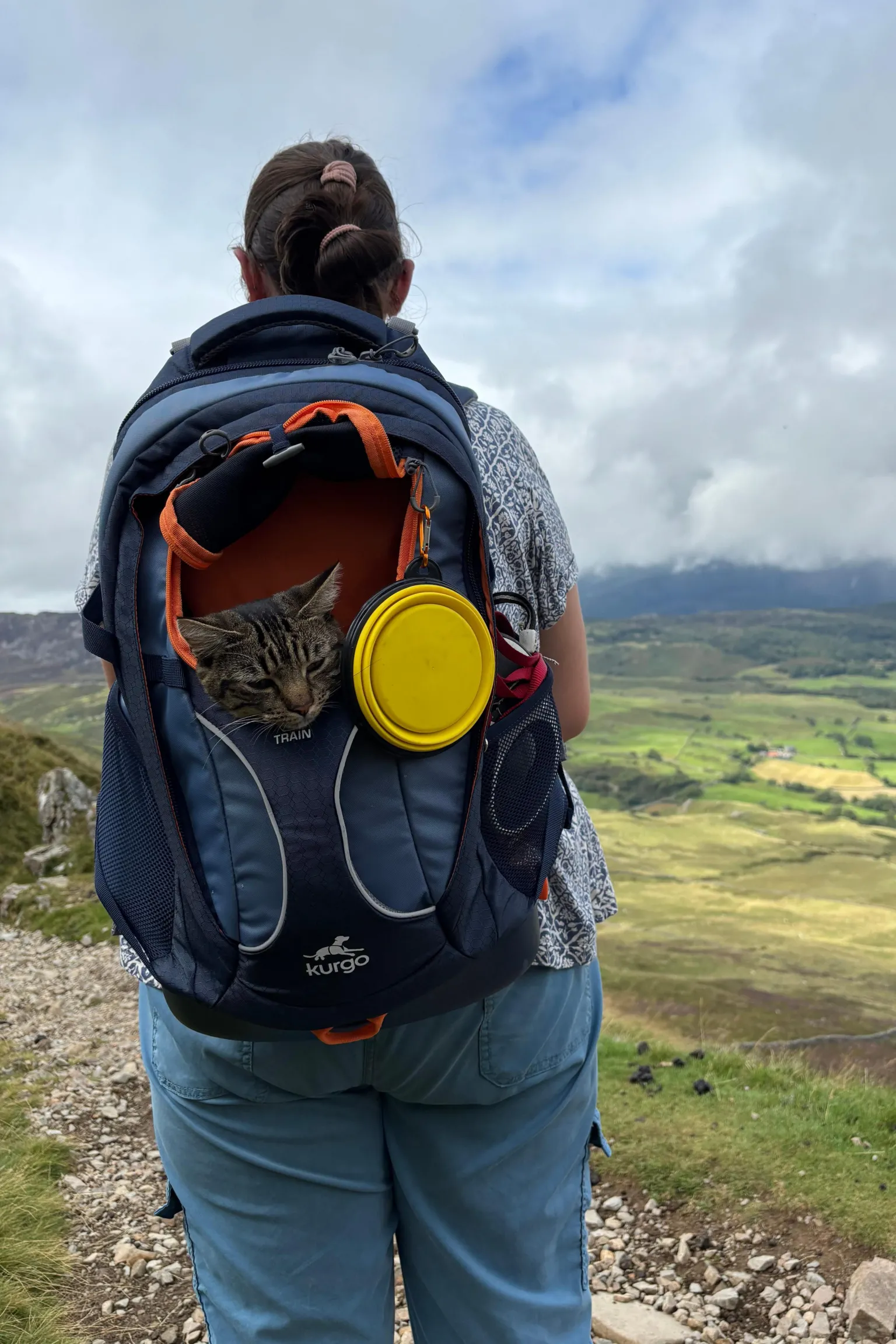
The couple experimented with various harnesses and acclimated Roo to wearing one indoors before introducing a travel backpack to provide Roo with a safe space during outings.
"It did take her quite a few months to start realising, 'no, this actually is safe'," Alana said. "But now she has full-blown zoomies outside, tail up, chirping, running around on her lead."
Some veterinarians Alana knows support cat walking, while others have expressed reservations.
Alana believes the trend is more popular among young people living in urban areas who recognize the dangers of free roaming but does not support those who walk cats solely for social media attention or push their cats too far.
"The trick is knowing your cat, their body language and when they have had enough," she added.
Community and Other Cat Walkers
Alana is not alone in this practice; the UK Cat Walkers Facebook group has over 4,500 members.
Lucy Francom, 26, from Llandudno, Conwy county, began training her cat Bongo about four years ago because he followed her everywhere.
Lucy does not believe cats should be allowed outside unsupervised regardless of location, but she also does not want them confined indoors all day. Her cats Bongo and Fifi are trained to paddleboard, kayak, and walk with her.
"The trick was going at their pace and using a clicker that you click and give them a treat when they do the correct behaviour so the cat associates the action with a reward," Lucy explained.

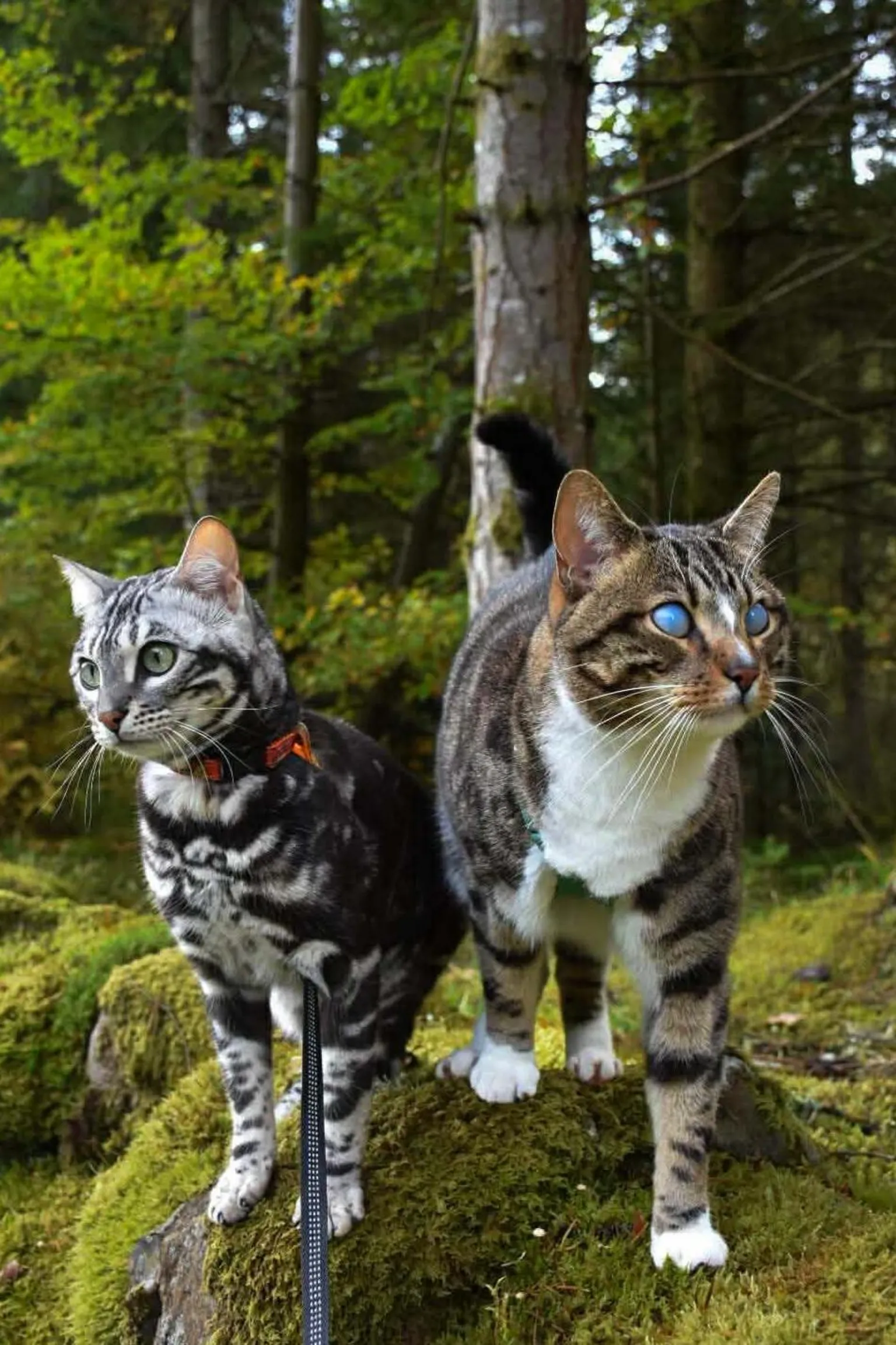
Bongo and Fifi have been trained to walk without leads and respond to recall commands. Lucy expressed concern about people on social media dragging cats or improperly training them.
Training Insights from a Dog Trainer
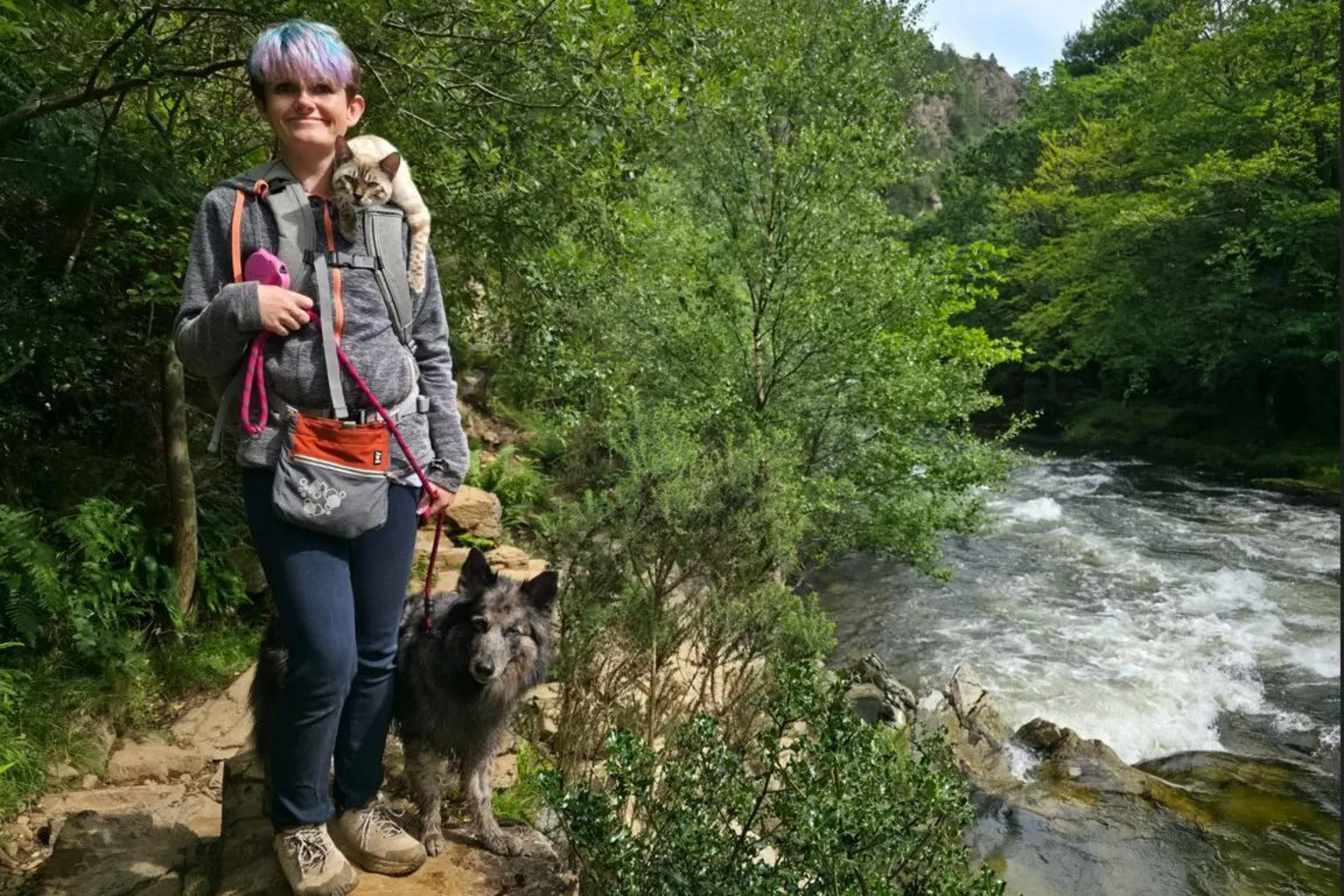
Candice Stapleton, a dog trainer with Welsh family roots, noted that training cats is similar to training dogs. She has four cats but only Captain Crumpet walks with her and her German shepherd/border collie cross, Lexa May.
Candice does not believe all cats should be harness trained. For example, she decided walking was unsuitable for Chikondi due to hip issues and considers it inappropriate for her older cats.

She has trained Captain Crumpet and Chikondi to respond appropriately if they feel threatened and carries a rucksack as a mobile safe space for them.
"I guess there's a lot of social media presence and people potentially might do it for the likes rather than what's right for the cat," Candice said.
"Walking Captain Crumpet was a real mood booster, I can't help but smile seeing his happy tail as he trots along."
Abby and Melody's Cat Walking Routine
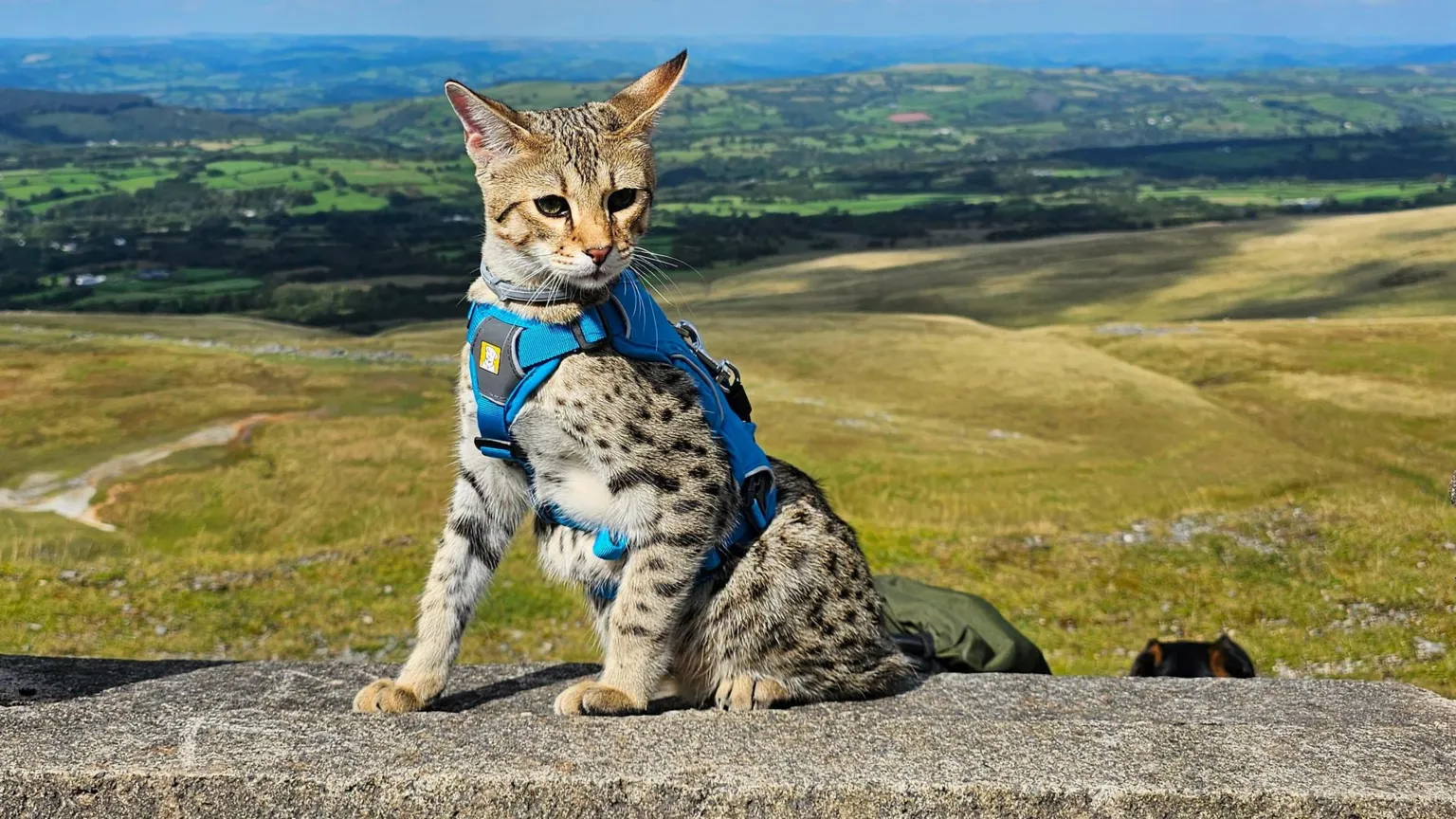
Abby Mayers and her wife Melody, both 22, live in Cheshire and typically walk their cat Olive in Erddig, Wrexham, and Llangollen, Denbighshire.
The couple has three cats; their new kitten Robin is being harness trained, while Ginny prefers to stay indoors.
"We started training [Olive] with a harness because we lived in a first floor flat with no garden and near a fairly busy road," Abby said.
Now residing in a house with a garden, they allow Olive unsupervised outdoor access due to her high energy levels and their long working hours.
"I did see the guidance [that harness training is bad] and it kind of worried me a bit because I was like, 'what if we're doing the wrong thing?' But if Olive and Robin didn't enjoy it then they wouldn't do it," Abby said.
"If you have cats then you'll know that cats don't do things they don't want to do.
"I know them well enough that I know when they are enjoying something and when they're not.
"If my cats were ever showing signs of distress, I wouldn't do it with them."
Expert Cautions on Cat Walking
Emily Blackwell, senior lecturer in companion animal behaviour and welfare at Bristol Veterinary School, advised caution in recommending cat walking for extra stimulation, noting that most cats find being restrained and taken off familiar territory stressful.
She emphasized that training from a very young age is critical and that the cat should be naturally confident and curious.
Blackwell has observed cats habituated to harnesses who appear happy exploring mountain ranges but also seen cats clearly distressed when walked in busy urban environments.
"It is something that can work, but that's not the norm," Blackwell said.
"I'm not condemning it entirely. I know that some people do this very responsibly and successfully.
"Allowing the cat to choose whether it goes, having somewhere with you where the cat can hide if it wants to is really important."
She stressed the importance of recognizing stress signals in cats, including behaviors such as:
Concerns from Cats Protection
Daniel Warren-Cummings, clinical animal behaviourist and central behaviour officer for Cats Protection, commented that many younger cat owners are attracted to items that may compromise cat welfare, such as leads and backpacks with bubble windows, often influenced by social media.
He stated that free roaming is always preferable, but many cats are well-suited to small spaces and limited outdoor access.
He recommended that potential cat owners choose a pet that would "thrive within the environment and lifestyle you can offer rather than attempting to force the cat to adjust."


