Caleb Tutt's Unique Connection to Welsh Common Land
Caleb Tutt's lifestyle resembles that of many Gen Z professionals in London, marked by rent payments, student debt, and routines dominated by commuting and convenience food.
However, one aspect sets him apart: he holds the right to graze livestock on common land in Llantrisant, a town in south Wales located 160 miles (257 km) from his London residence. This right is part of a 680-year-old tradition known as freemanship.
Freemen have the privilege to graze animals on land owned by the community, specifically Cymdda Bach and Brynteg in this case.
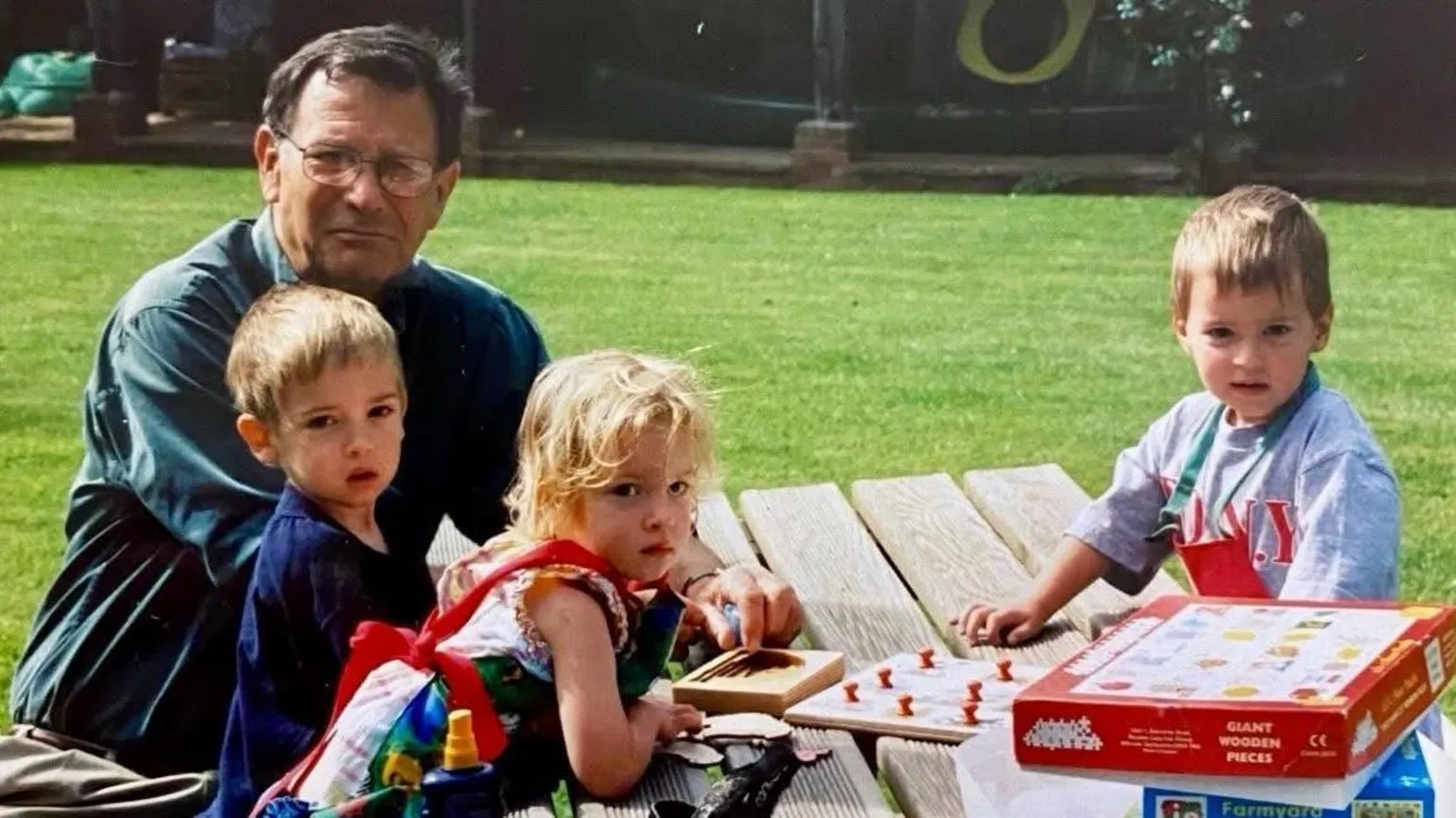
Caleb, aged 24, recalls discussing the freemanship with his father during his childhood.
"I wasn't 100% sure what it was, but in my mind it would look something like a grand coronation with ermine cloaks and gold,"
he said.
As the Covid-19 pandemic began in 2020 and Caleb started university, the freemanship topic "fell by the wayside slightly as life got in the way."
Then, unexpectedly, his father James messaged him about his ancient right to care for animals on the land, which Caleb likened to "finding a fiver down the back of the sofa."
"All of a sudden here's something eccentric, albeit materially meaningless, that I could do."
Growing up in the home counties, Caleb noted it was "painfully obvious to everyone within a few metres of me that I'm English."
Nevertheless, he is entitled to be a freeman of Llantrisant through his grandmother Gwen, as he is "descended from coal miners from Senghenydd and housewives from Pontypridd," and is related to an existing freeman.
"I think being able to trace my family back to that small hilltop town and the surrounding land is something I didn't appreciate until I was right there,"
he reflected.
"Being able to go back to the room on the hilltop where my Welsh ancestors wrote their name in the exact same book was pretty emotional, even for someone like me who's kind of cynical at the best of times.
I think that's the charm of the freemanship. It isn't a lordship with swanky estates or privileges. It is literally the right to graze on a patch of grass in south Wales."
In his imagination, Caleb expected a ceremony akin to Anne Hathaway's experience in the Princess Diaries, involving meetings with dignitaries and an inheritance read from a scroll.
He admits that even if he wished to graze livestock, he would not know where to start.
"I think deep down I knew that I only stood to gain the right to graze a sheep or two in a country I don't live in, but I didn't have much to go on.
Even my dad couldn't remember many details from his ceremony – this might be because it's followed by a dinner where the drink is pretty free flowing."
Caleb described the ceremony as enjoyable and "nothing like the weird coronation I had imagined when I was younger."
"We were all aware that we weren't being knighted or accepting a peerage. We all knew that the right we stood to gain was fairly inconsequential as inherited birthrights go."
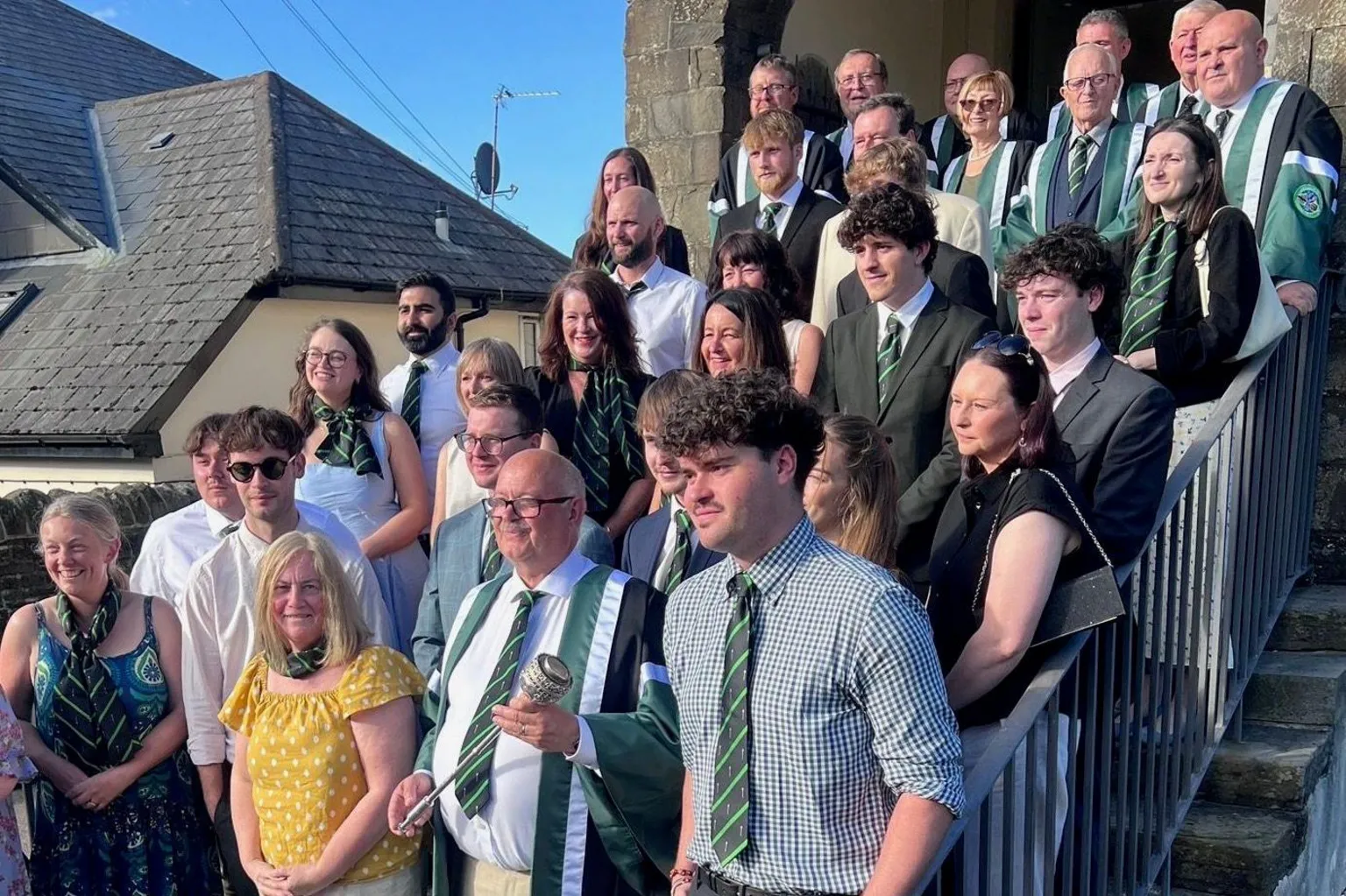
Alongside approximately 20 new freemen, Caleb sat in Llantrisant Guildhall before the committee chairman called for the ceremonial Mace of Llantrisant to be brought in, which made him feel as if they were in Parliament.
New freemen's names were called, and they stated which existing freeman they were related to before signing an 18th-century ledger – the original from 1346 having been lost in a fire – followed by a handshake and the presentation of a ceremonial necktie or scarf.
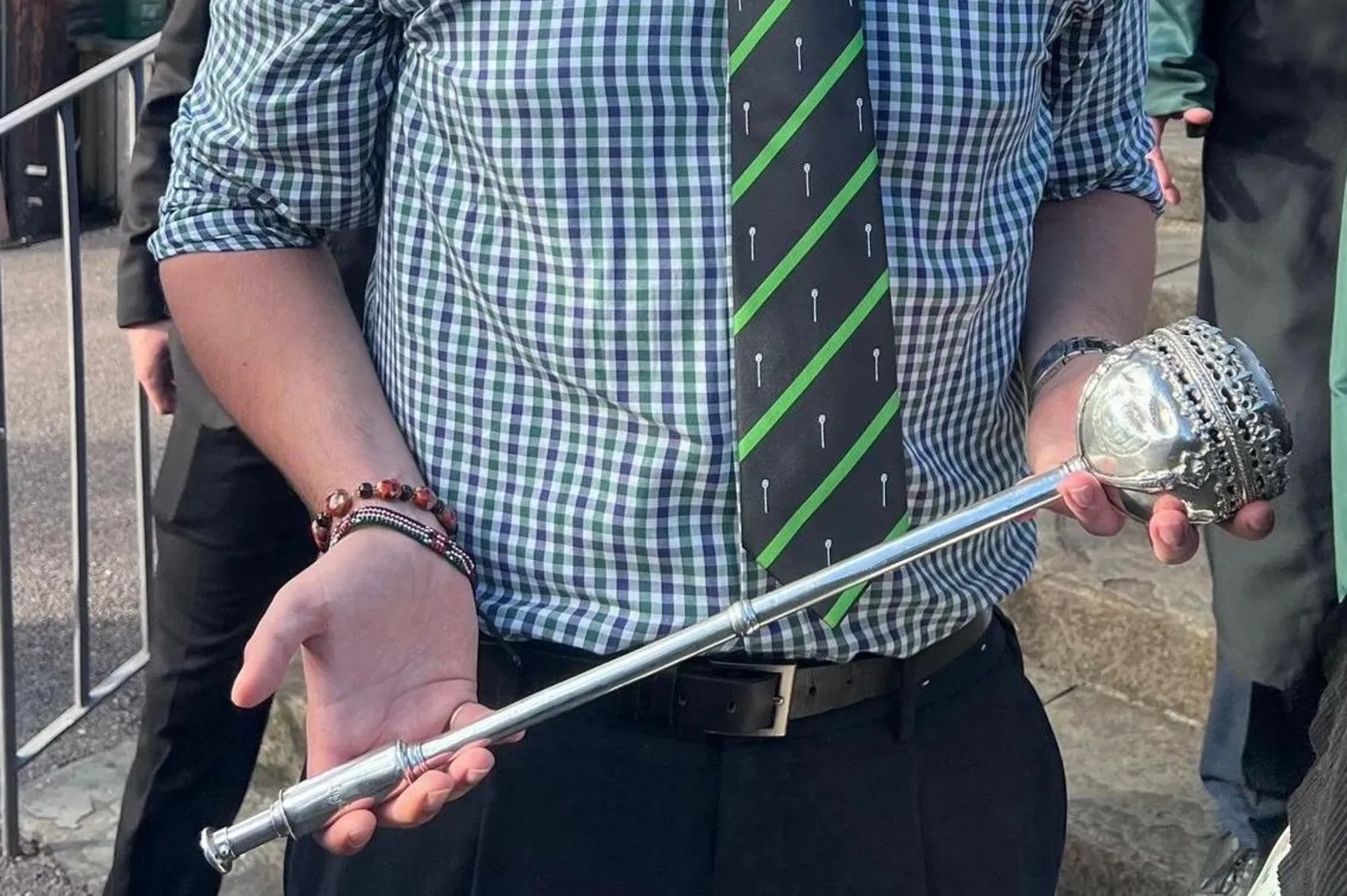
Caleb was informed that the Llantrisant Mace predates most of the Crown Jewels and survived Oliver Cromwell's attempts to melt down precious metals bearing King Charles I's crest.

"I know it's literally just a rod of silver but the hype around the mace had already been built up so I was a bit nervous, especially as I didn't want to drop it,"
he said.
He was also told that the mace went missing in the 19th century when some men from London, who had become freemen but were cash-strapped, stole it to fund their return journey. The mace was recovered years later when its new owner realized its significance.
"It didn't exactly do me any favours as I too was a new freeman who had come from London, and is also pretty broke.
I think they were keeping a particularly beady eye on me when I was holding the mace, suspicious I might do the same."
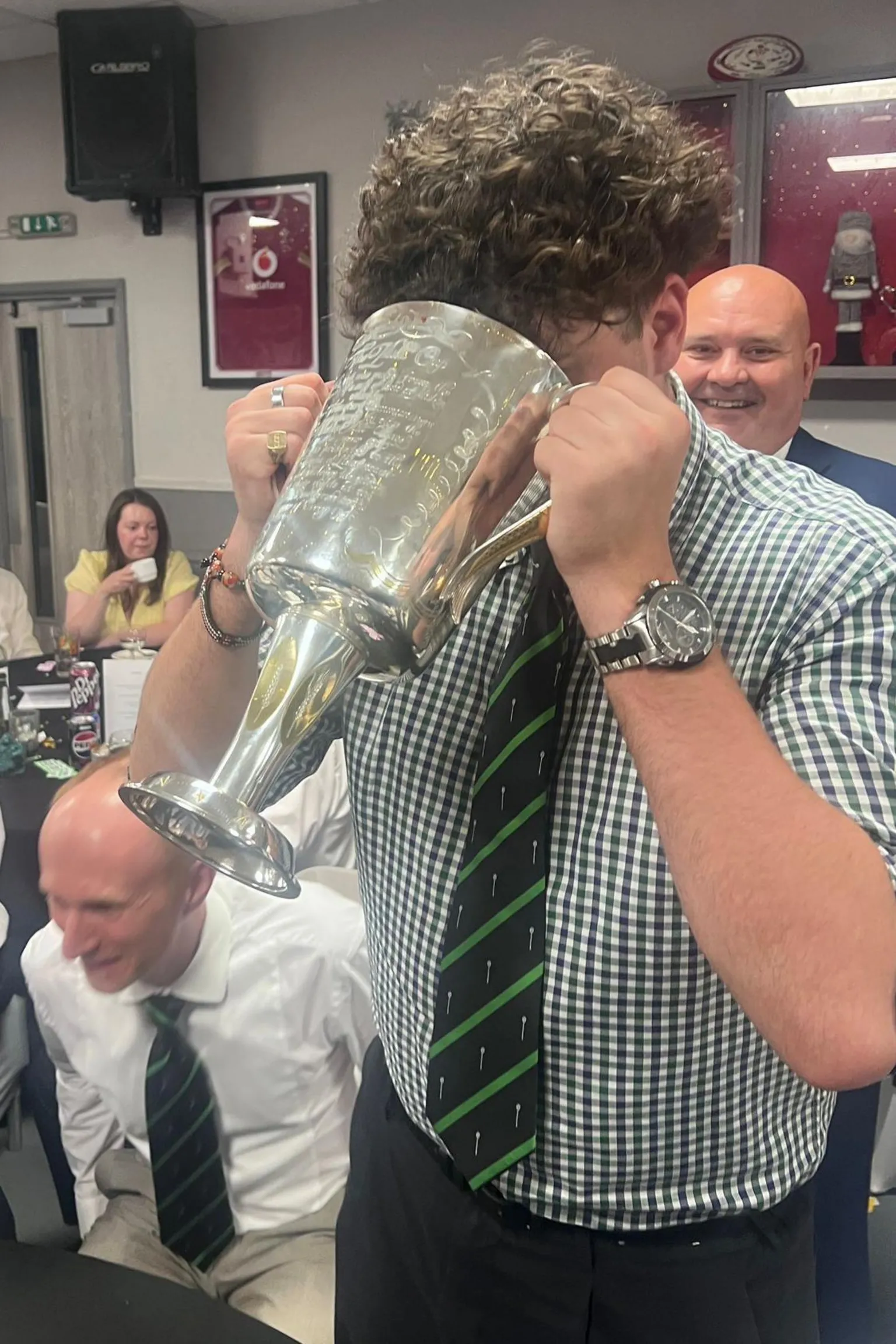
Following the ceremony, the freemen's dinner was held at Llantrisant Rugby Club, where the "loving cup" was passed around.
Caleb described it as "some big trophy" filled with port, with tradition requiring everyone present to take a substantial sip and pass it to their left.
"It reminded me a bit of something we used to do at my rugby club at university, but my brother and sister refused to drink from it... but I took three big gulps to make up for my brother and sister refusing."
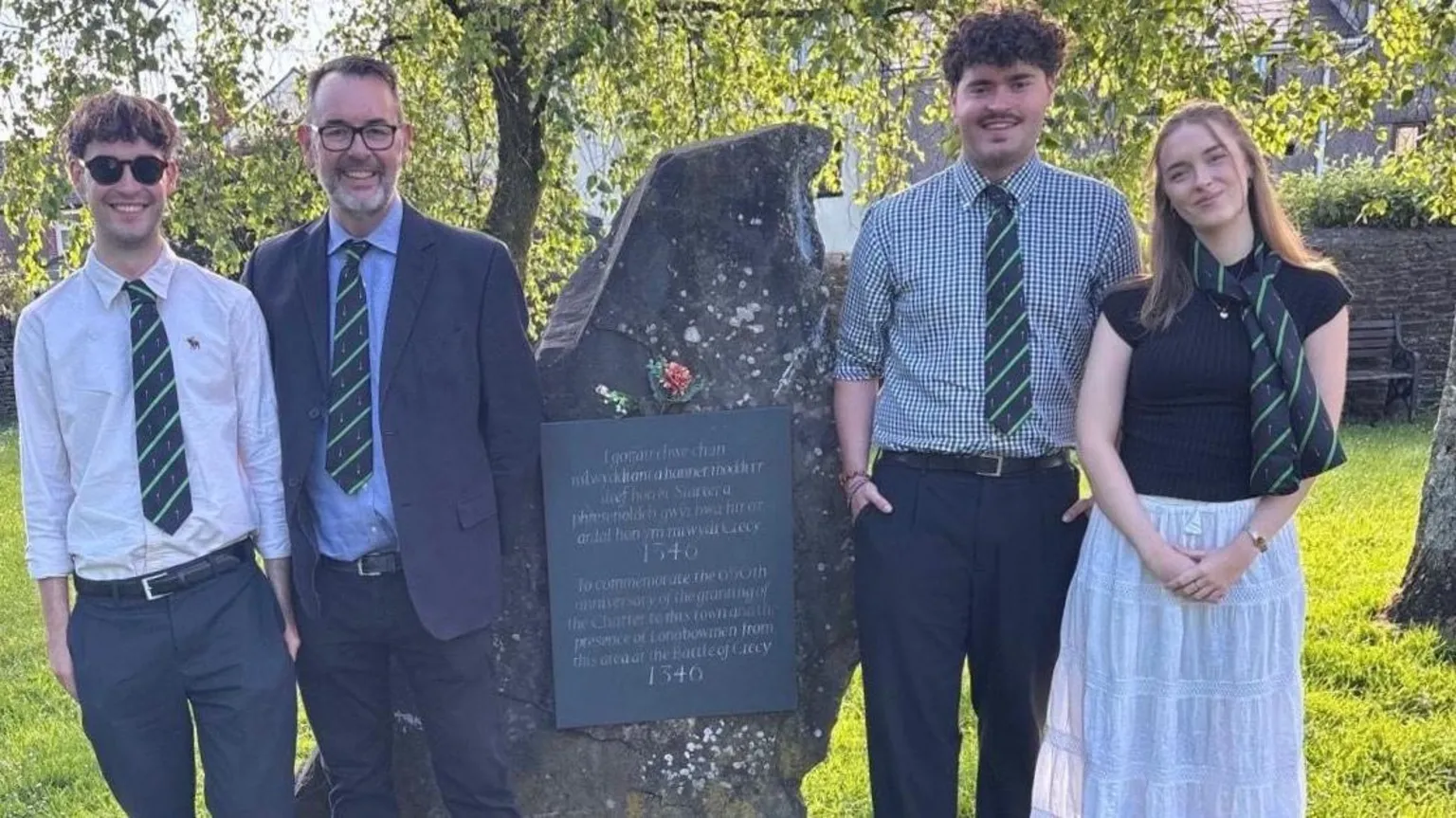
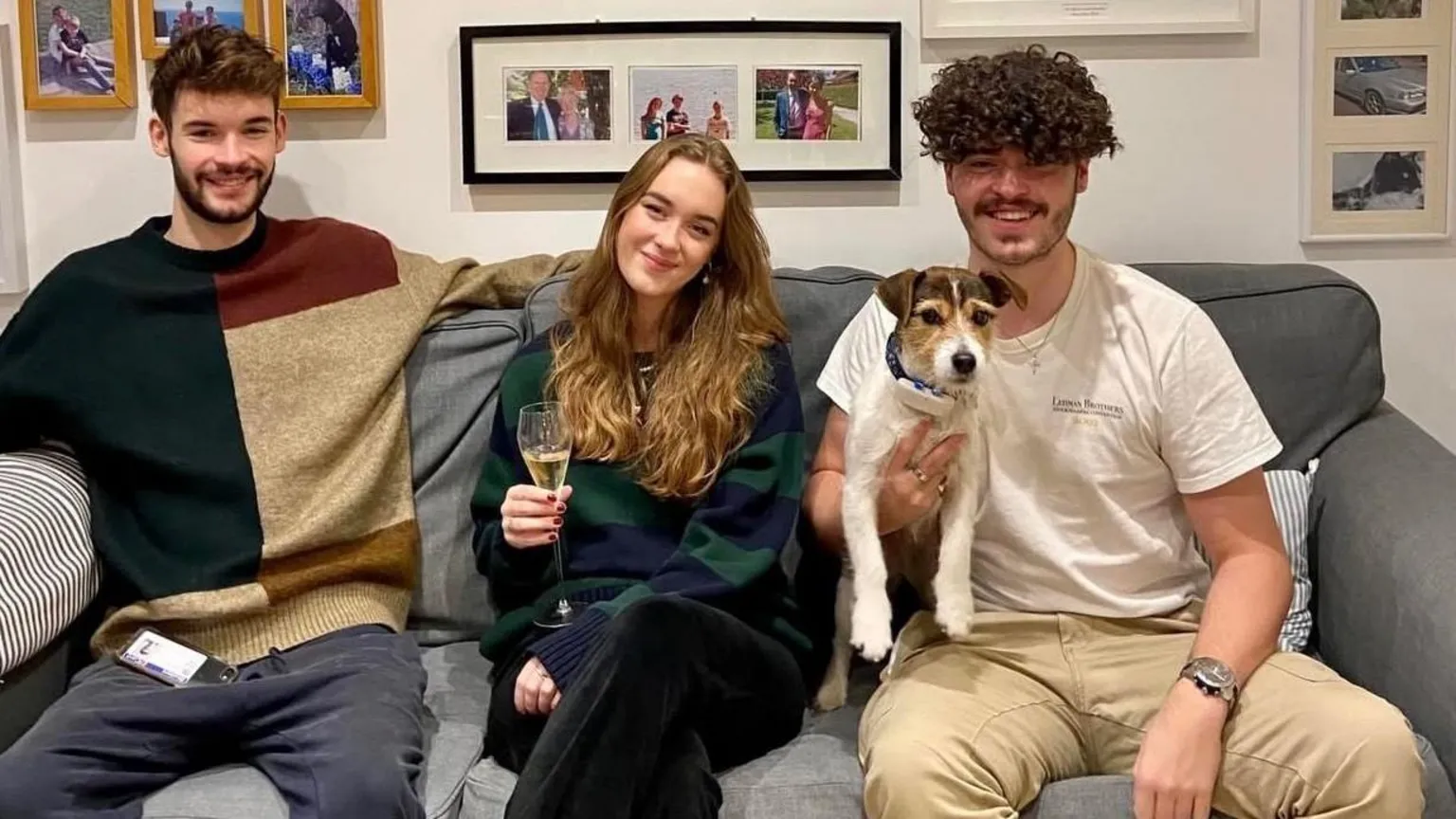
Caleb experienced the ceremony alongside his siblings Silas and Imogen, who are triplets.
He said this was "great," noting that although they have different interests, it was special to share the occasion.
"We struggle enough to meet up for a drink after work most of the time, so it was impressive that we all met up on a remote hilltop in Rhondda Cynon Taf on a random Friday."
Caleb acknowledged his tendency to pursue "strange side quests," but considered this one "probably the most out there of the lot."
"I think that's what I've enjoyed most about it, on paper I have very little in common with the other freemen but we all got on like a house on fire.
It's nice to see a shared occasion where people can come from all over and celebrate a shared history.
I think lots of people these days get their sense of identity from some sinister ideas on ethnicity and who belongs in what group, but the freemanship is a bastion of historic and quite eccentric identity that is friendly and warm, not hostile."
With an estimated 1,200 freemen worldwide, Caleb noted that the willingness of people from diverse locations to inherit this right demonstrates the sentimental value of the title, despite its lack of material benefits.
He expressed a desire for his children to continue the tradition, stating that "eccentric things like these are only kept alive by people telling their kids about it."
"I never met my great-grandfather William but at the dinner table I heard all about him from the older freemen who could remember him.
It's being part of history, admittedly in a small and inconsequential way, but in a way special to my family's fairly humble roots."