

Introduction of Accessible Facilities at NFTS
For many years, physically disabled students aspiring to study at the UK's leading film and TV production school faced significant challenges due to the lack of accessible accommodation in the local area. Additionally, commuting students encountered numerous inaccessible areas on the campus itself.
Within the film and television industry, only a small percentage of professionals are disabled, compared to 18% in the general labour market, highlighting a pressing need for change.
To address this, starting in 2027, the National Film and Television School (NFTS) will provide nine new fully accessible rooms at its Buckinghamshire campus, allowing physically disabled students to live and study on-site for the first time. These students will have their living costs fully covered through a bursary scheme.
Impact and Perspectives on Accessibility
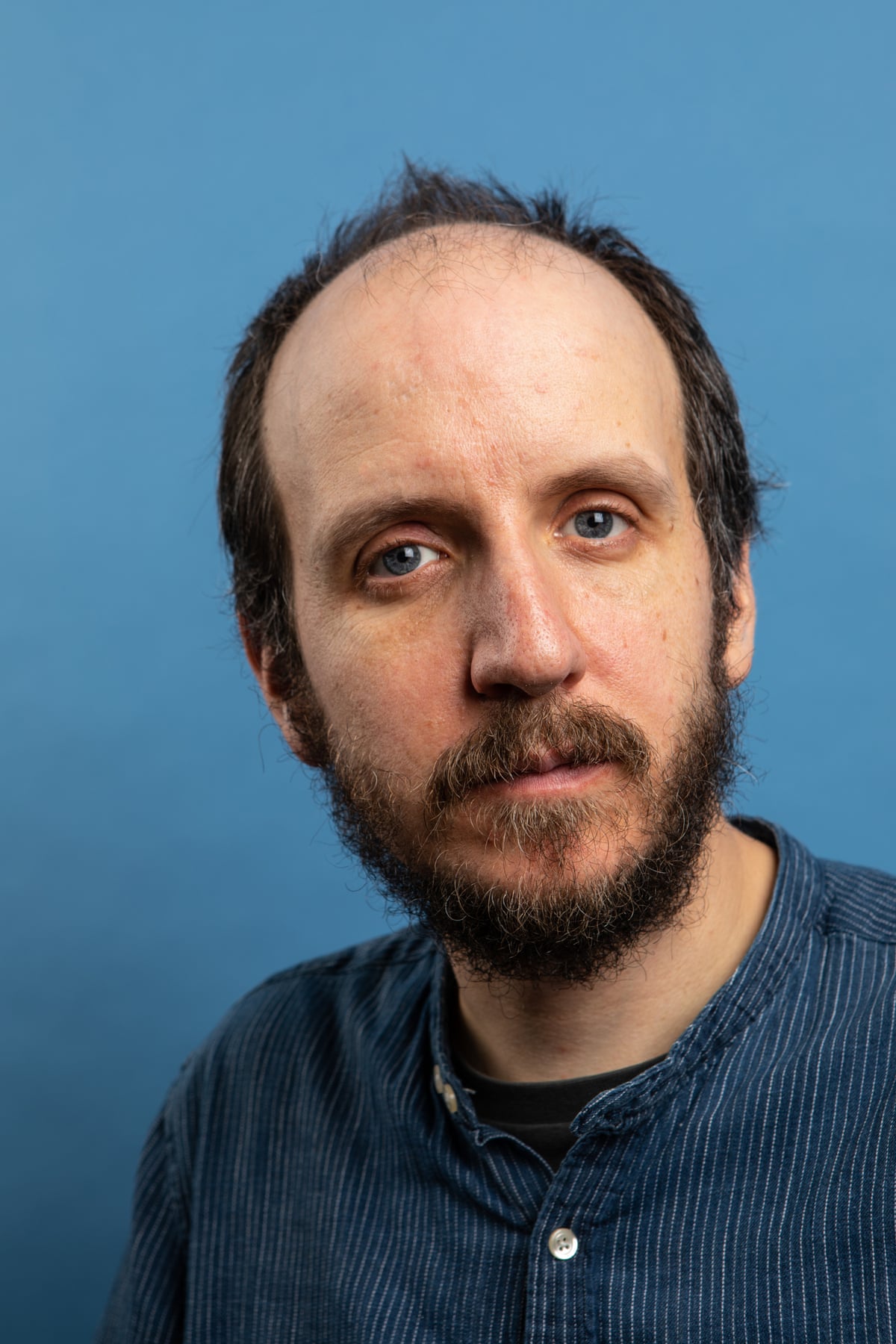
Hamish Thompson, NFTS disability advocate, described the introduction of the new rooms and bursary as "massively transformative" for disabled individuals.
"Often disabled people are having to choose between studying at a world class institution like this or not studying at all," he said. "That talent then gets wasted. This will open a huge amount of doors for disabled people into an industry that has traditionally not welcomed them."
A recent accessibility audit of the historic campus, formerly the Beaconsfield Film Studios, identified 200 inaccessible areas. The NFTS aims to eliminate all these barriers by the time the new building opens in 2027.
Thompson noted that discussions about disabled representation often focus on visible on-screen roles, whereas the NFTS specialises in training students for behind-the-camera positions. He emphasized the importance of disabled individuals creating art themselves.
"Making disabled art is important as well," he stated.
While there is a willingness to improve representation, Thompson observed that the industry has traditionally viewed accessibility as a cost issue. He commended targeted initiatives such as the BBC’s Extend programme, which reserves job opportunities for disabled people, the emergence of access coordinator roles that advise on accessibility and adjustments—evident in shows like Strictly Come Dancing embracing disabled performers—and the TV Access Project’s commitment to full inclusion by 2030.
Industry Calls for Inclusion and NFTS's Role
The NFTS has acknowledged the necessity for significant change following a critical speech by Jack Thorne, writer of the Netflix drama Adolescence, during his 2021 McTaggart lecture at the Edinburgh TV awards. Thorne described disability as the "forgotten diversity" and argued that disabled people were being failed by the industry.

Thorne told that since his call to action, "the improvement has been vast thanks to the generosity of the broadcast sector," noting that Diamond data, which tracks disabled representation, has been increasing. He also highlighted that disabled writers such as Kyla Harris and Billy Mager are telling stories with disabled talent at the core.
"We still are nowhere near representative. Spaces need to change everywhere – and attitudes too. We want full inclusion by 2030, we hope it’ll happen."
He praised the NFTS for "leading the way for what inclusion should look like" in industry training and emphasized the importance of increasing the number of disabled graduates to help the industry approach parity.
Progress and Future Plans at NFTS
Since Thorne’s lecture, the NFTS has intensified efforts to enhance opportunities for future TV and film professionals with disabilities. This progress is reflected in the improved intake figures, with the proportion of MA entrants with disabilities rising from 15% in 2021 to 26% in 2025, and diploma students increasing from 18% to 28% in the same period.
The accessible accommodation will be situated in the school’s new Cubby Broccoli Building, named after the late James Bond producer Albert R "Cubby" Broccoli. This facility will expand the school's footprint by 25% when it opens to students in January 2027.
The building, bursary programme, and a new apprenticeship initiative aimed at individuals from low socioeconomic backgrounds are supported by £10 million in government funding, supplemented by matched private investment.
Government and Industry Support
Culture Secretary Lisa Nandy stated that the government’s investment aims to address the disparity between talent and opportunity across the country, emphasizing that the UK’s status as a creative powerhouse depends on such measures.
Jon Wardle, NFTS director, highlighted the importance of investing in diverse talent, noting that the school receives industry funding to identify and support promising individuals, thereby reducing financial risks associated with film and TV production.
Wardle noted that the NFTS already exceeds industry averages in inclusion and diversity, with 33% of its graduates coming from underrepresented backgrounds—more than double the industry rate, which remains largely London-centric and middle class. He expressed intentions to expand the school’s presence in Scotland and Leeds.
"I think there’s a definite commitment, but when things get tougher and there are fewer commissions, it can sometimes fall down the list of priorities. But the partners I work with, I definitely see their desire to find great, diverse talent wherever you might come from."


