Film sequel reveals luxury brands' changing power over magazine editors
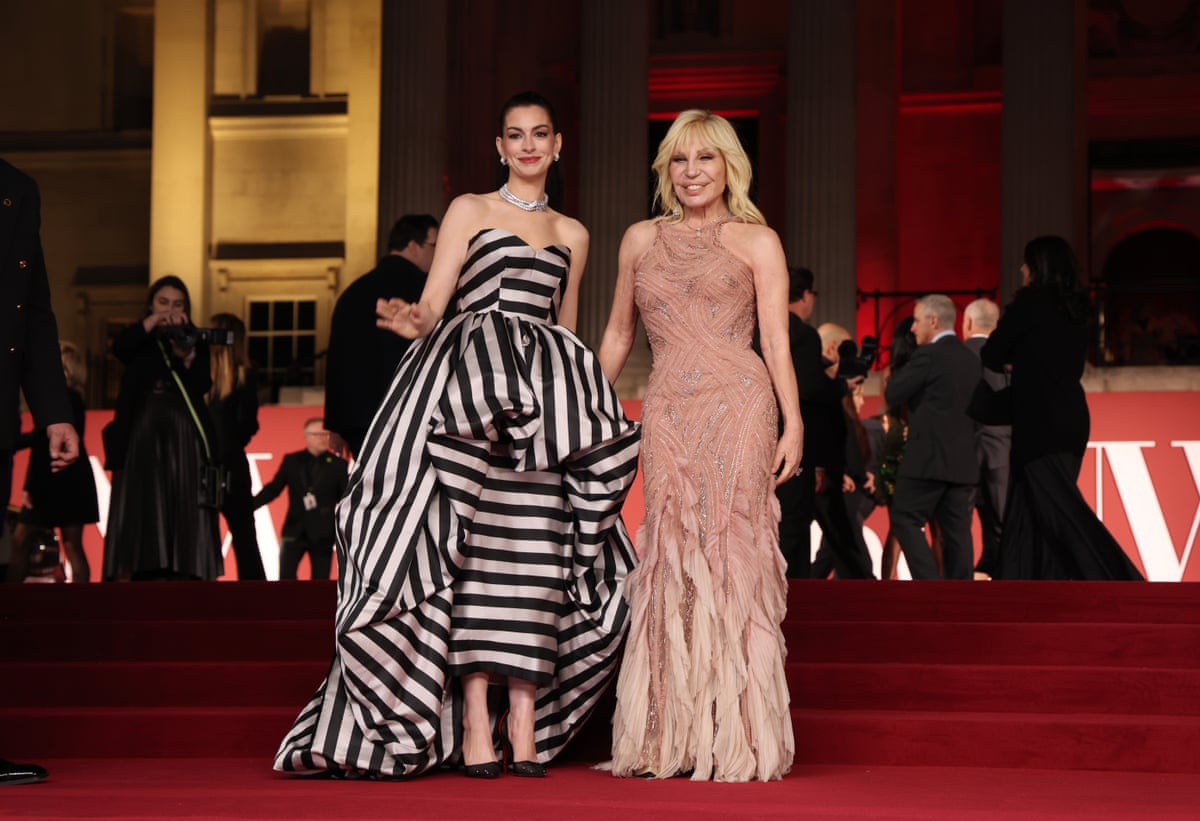
The National Gallery served as the prestigious venue for the party following the London premiere of The Devil Wears Prada 2 this week. Donatella Versace was a prominent figure in a roped-off area beneath Paul Delaroche’s painting The Execution of Lady Jane Grey.
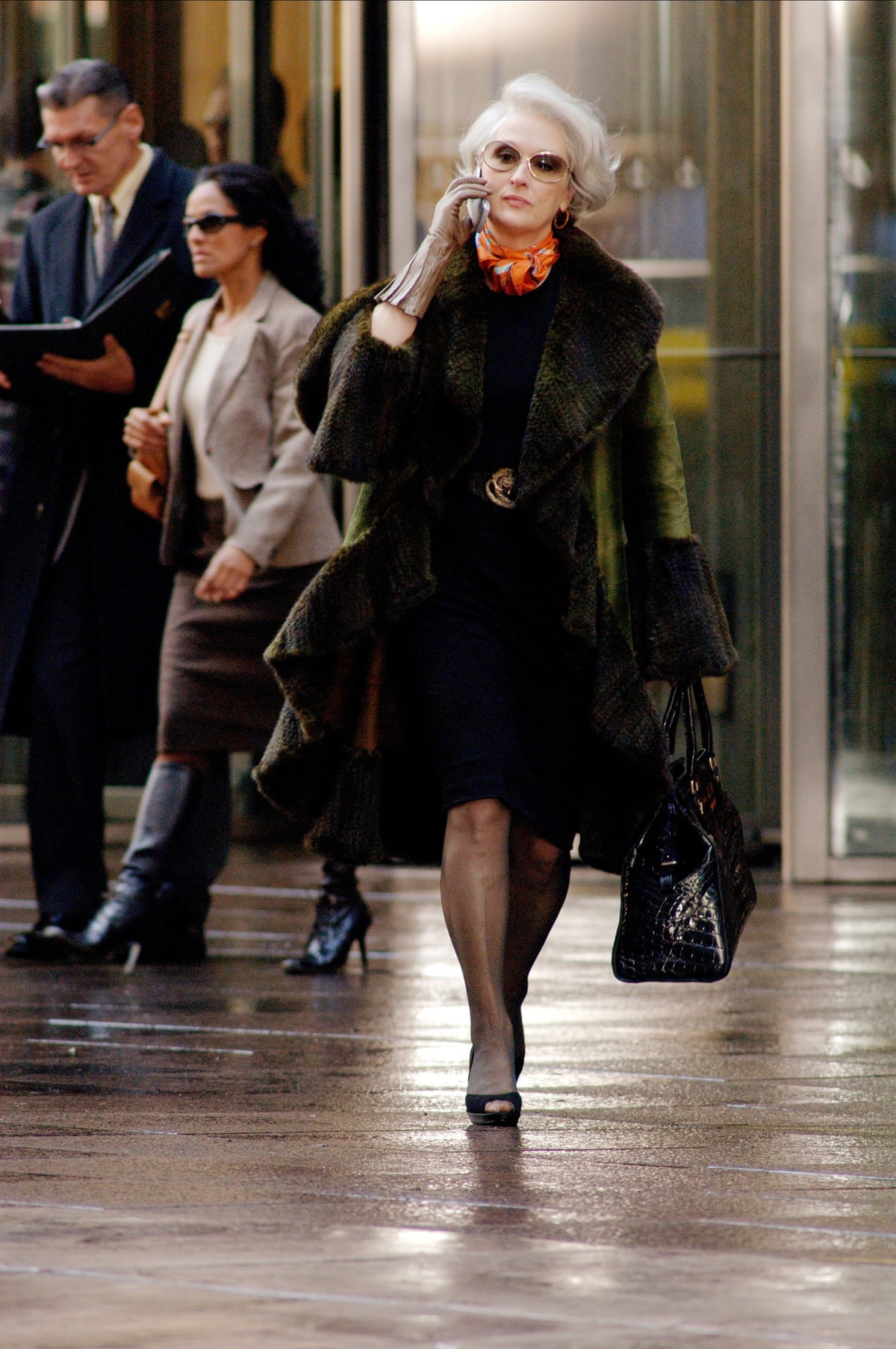
Meryl Streep reprised her role as Miranda Priestly, the fictional counterpart to Anna Wintour, wearing a red satin Prada coat referencing the film’s title and black sunglasses as a subtle nod to Wintour. Editors from glossy magazines across Spain, Germany, and the Netherlands, flown in for the event, enjoyed fried chicken served with caviar and mac and cheese dishes theatrically presented under silver cloches.
It is notable that the most glamorous and high-profile moment the fashion industry has experienced in recent years is the release of a film that sharply satirizes its transformation.
“It has kind of blown our minds how much we have been embraced by businesses that we poked fun at in the first movie and continue to poke fun at in the second movie,”said the film’s screenwriter, Aline Brosh McKenna, from her home in Los Angeles.
The sequel’s plot centers on Priestly’s efforts to guide Runway magazine through the decline of print publishing. While details remain under embargo, magazine staffers who attended the premiere described the storyline, off the record, as “close to the bone.”
A sequel two decades in the making shines a spotlight on an industry upended by the collapse of legacy publishing. Despite this upheaval, the excitement surrounding the film’s release confirms that fashion remains compelling.
“What is amazing about fashion is that it never loses its appeal,”said the film’s director, David Frankel.
“Humans are drawn to beauty and to glamour and to remaking our identities using clothing.”
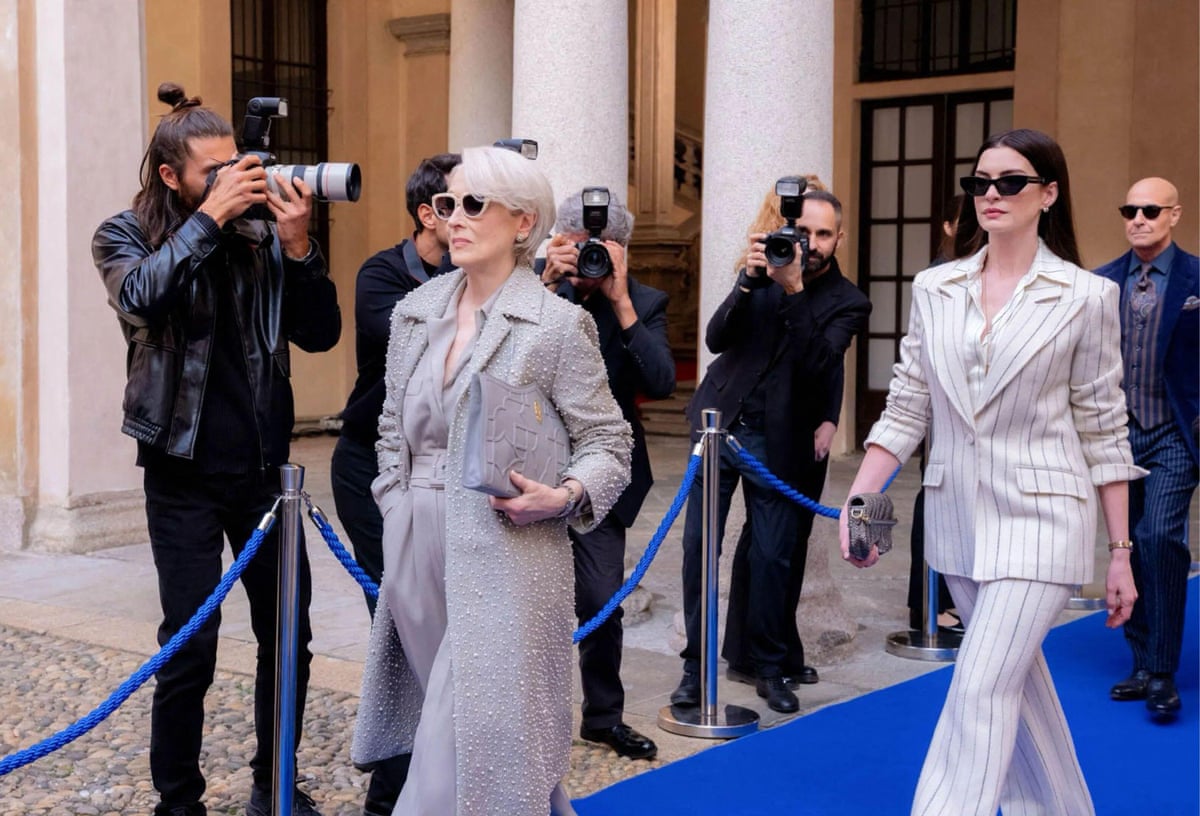
The original novel by Lauren Weisberger, a former assistant to Wintour, was condemned as high treason by fashion insiders upon its 2003 publication, and designer brands initially refused to lend clothes for the film to avoid offending Vogue.
Twenty years later, the situation has dramatically reversed. The sequel features an abundance of designer pieces generously lent by brands and includes cameos from Versace and other industry figures. In reality, fashion industry power structures have been humbled and reshaped by the digital shift, with readers abandoning newsstands and editorial increasingly dependent on commercial partnerships.
Traditional gatekeeping has diminished amid a cultural move away from institutional authority; consumers no longer passively accept trends dictated by catwalk designers and magazine editors.
The Devil franchise, once emblematic of lavish shoot budgets and unlimited expense accounts, is now embraced as a cherished part of fashion’s self-mythology. Editors and designers eagerly participate in the buzz surrounding the sequel.
In the new film, Emily Blunt’s character, Emily Charlton, has left the magazine to work for a luxury brand and now holds influence over her former boss. Editors who once dictated taste on a whim must now collaborate with commercial partners they previously regarded as beneath them.

“The media business is frightening today,”said Frankel.
“The same is true of Hollywood. There’s a terrible contraction – we all see the tsunami of AI coming and we are all just doing anything we can to survive. The movie is addressing all of that. The first film was a coming-of-age story, this one is about values and morals. I see Miranda as heroic. She’s steering a ship through rough water and determined to find land.”
The publicity surrounding the return of the Devil illustrates how Wintour has endured two challenging decades unscathed, having transformed a critical book by an assistant she claimed not to remember into a cornerstone of her personal mythology. A year after stepping down as American Vogue’s editor, she appears on this month’s cover alongside Streep, signaling her continued status as the industry’s leading figure.
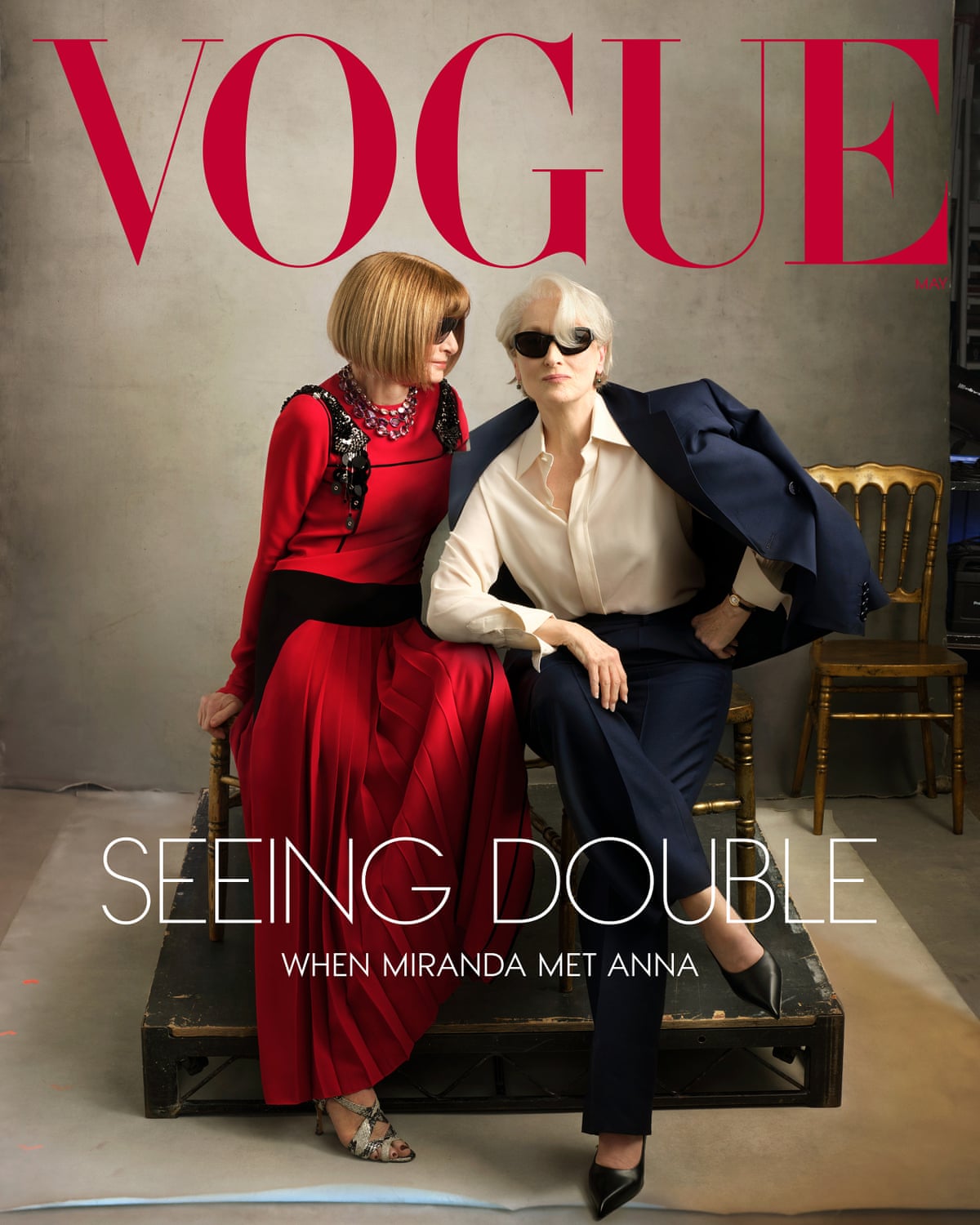
The new film and its associated attention also highlight evolving attitudes toward older women. Streep and Wintour’s joint Vogue cover features two 76-year-old women, photographed by 76-year-old Annie Leibovitz and styled by 84-year-old Grace Coddington.
This challenges the longstanding sexism in Hollywood and fashion, which traditionally sidelined women over 40. The power of celebrity enables women like Streep and Wintour to build enduring personal brands that maintain box office appeal.
“Fashion creates these iconic women with staying power,”said Brosh McKenna.
“I’m thinking of Coco, Diana Vreeland, Iris Apfel. It’s a business where people work till they drop, and I quite like that.”
Designer prices soar amid 'fash-flation' over 20 years
Since the first Devil Wears Prada film, prices of designer items favored by the fashion industry have surged, a phenomenon dubbed 'fash-flation.' Below are examples of pieces worn in 2006 and their current prices:
Post-makeover, Andy Sachs (played by Anne Hathaway) wears a double-breasted Chanel jacket. At the time, a jacket from Chanel cost approximately $4,800 or £3,561. Today, the price is around £6,430, marking an 80% increase.
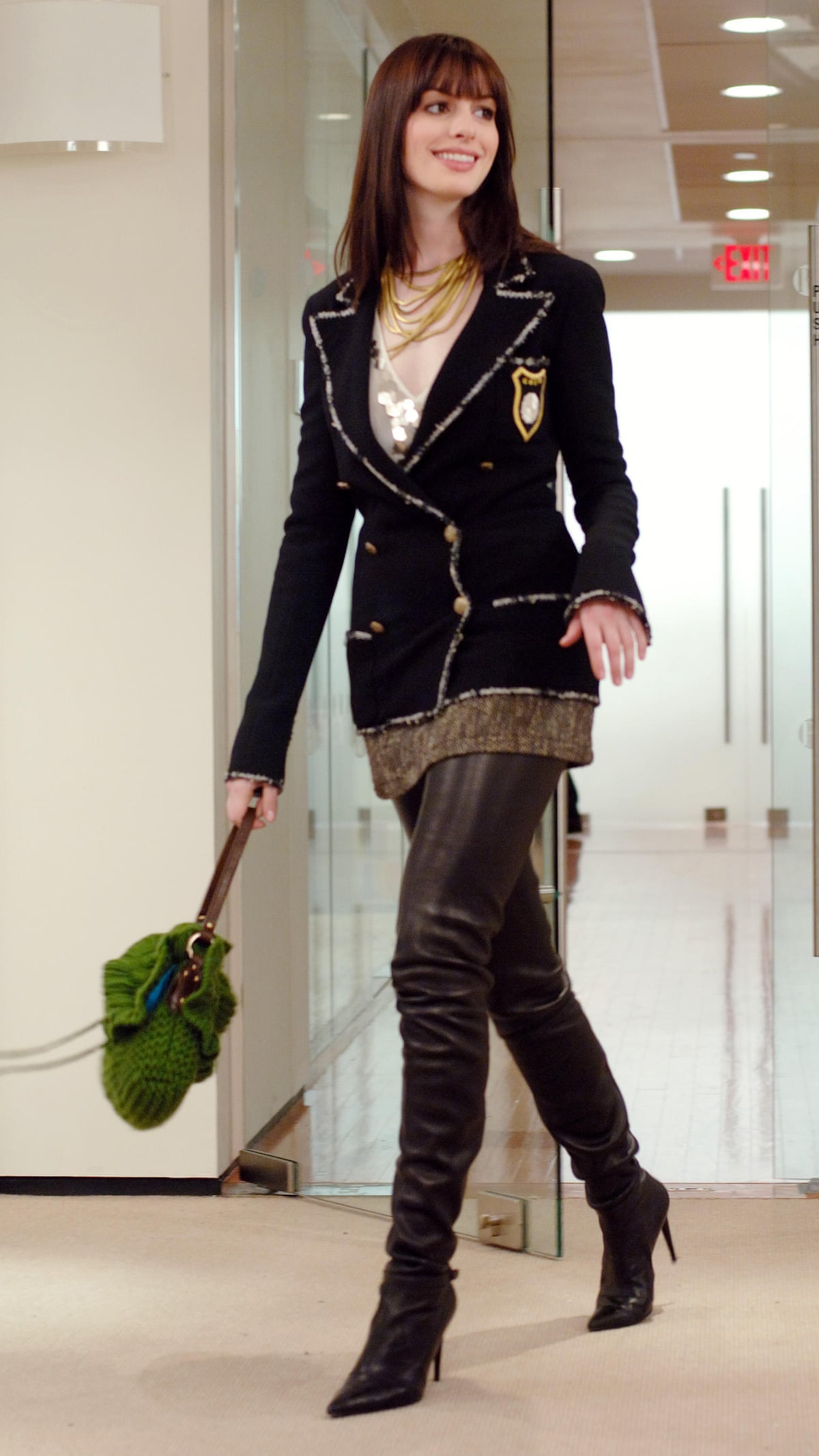
Although the Chef bag featured in the original film is discontinued, the Fendi Baguette remains available. Currently, these bags cost about £3,000, a 147% increase. Chef bags are available on the resale market for approximately £753.
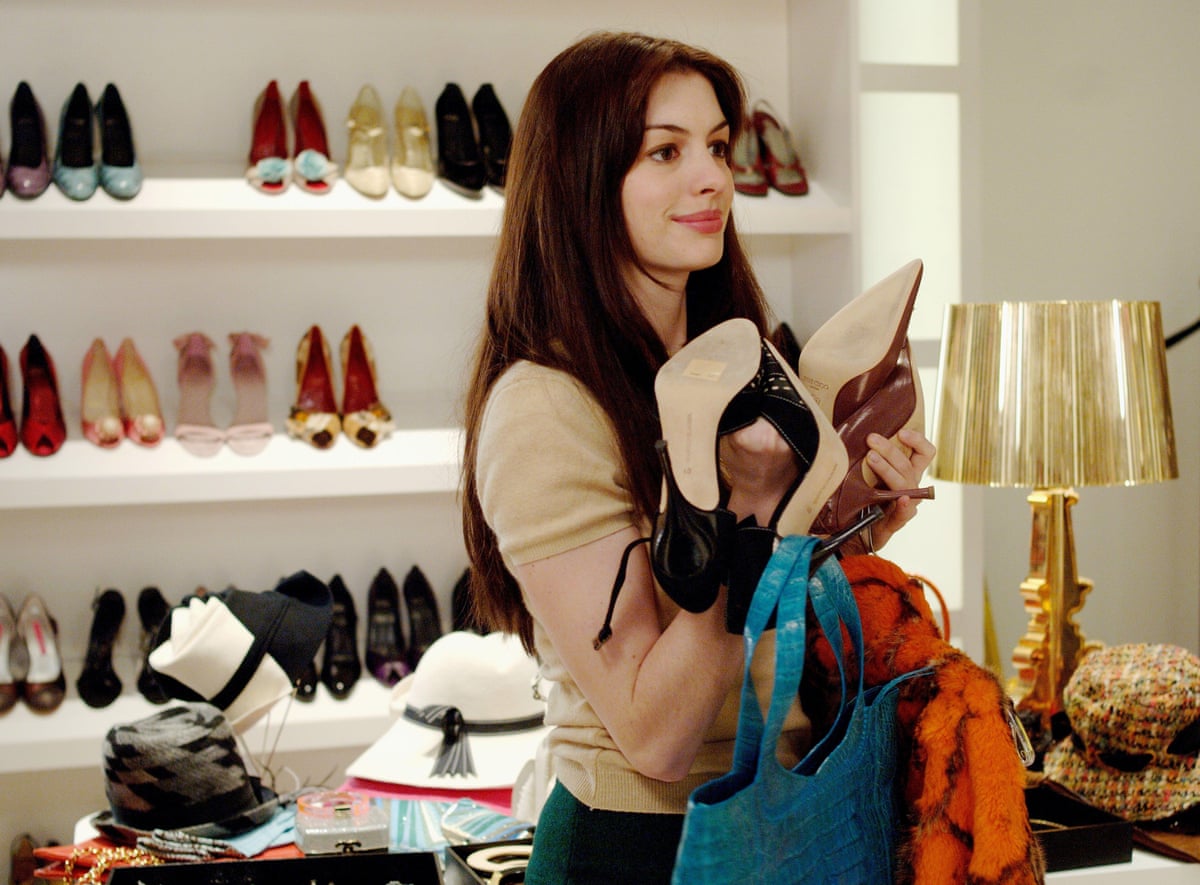
“You sold your soul to the devil when you put on your first pair of Jimmy Choos,”a line from the 2006 film, reflects the brand’s significance. At that time, a pair of Jimmy Choo shoes cost around £285. Today, a classic pair of sandals from the brand costs £625, a 122% increase.
Runway editor Miranda Priestly, portrayed by Meryl Streep, wore a Hermès scarf in the original film. In 2006, the scarf cost about $350 or £237. Twenty years later, the price has risen to £520, a 119% increase.