

Introduction
As Sir David Attenborough celebrates his 100th birthday, one notable achievement often goes unrecognized: his pivotal role in establishing an industry that employs thousands and generates millions, centered in Bristol.
The city has become what Lucie Muir, CEO of the Wildscreen Awards and Festival, describes as "the beating heart of the wildlife film industry." Bristol is responsible for producing 80% of the world's high-quality natural history television.
"Without Sir David," says his longtime director Keith Scholey, "the wildlife film industry in Bristol would be a shadow of what it is."
So how did David Attenborough not only create landmark programmes but also foster an entire industry?
Early Collaborations and Industry Growth
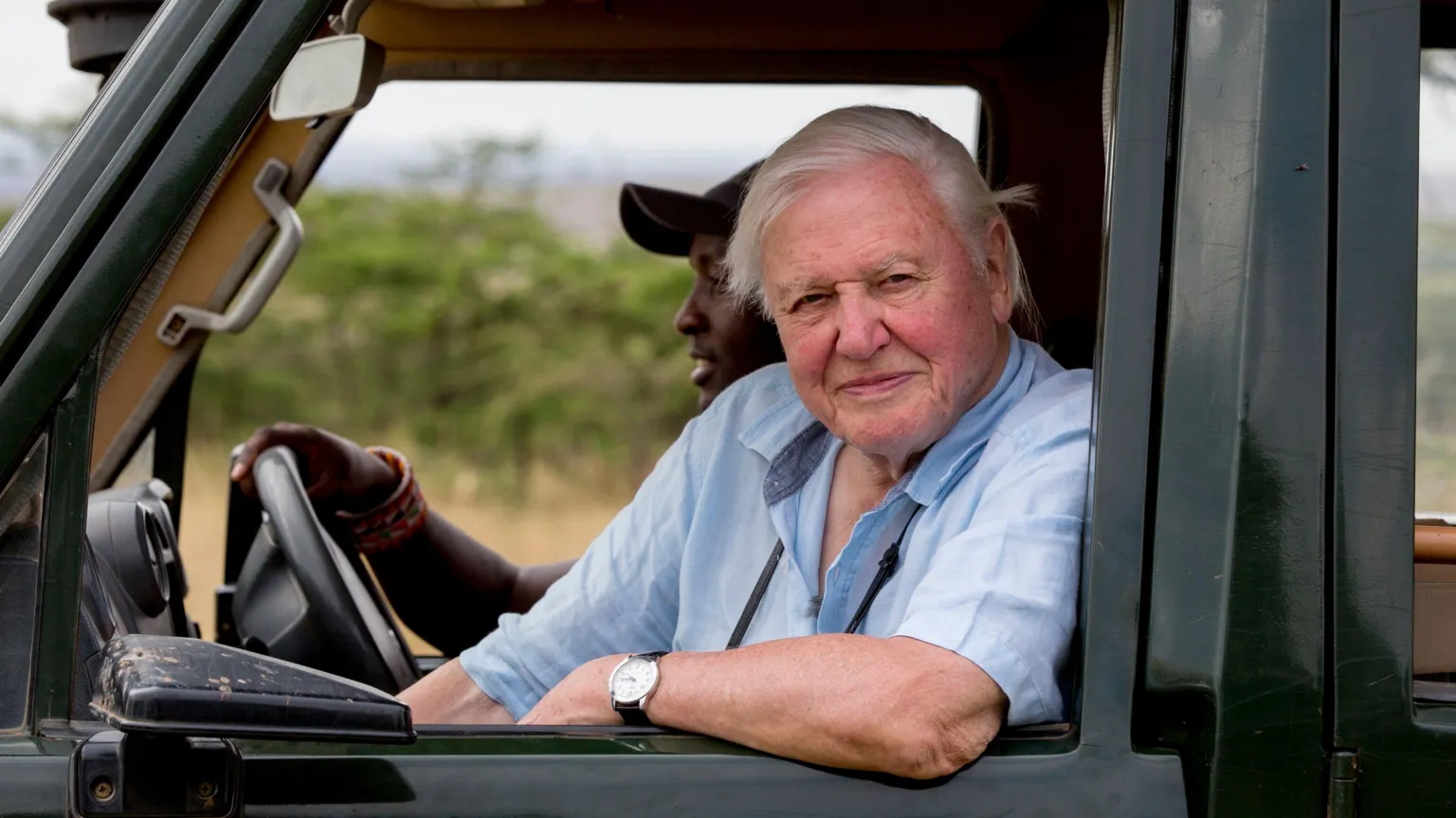
Keith Scholey first met Attenborough in 1981 as a zoology graduate from Bristol University aspiring to enter television. Scholey later directed Planet Earth and The Private Life of Plants and co-founded Silverback Films in 2012 alongside Alastair Fothergill, another of Attenborough's veteran producers.
"He made it famous, he made it internationally valuable," Scholey states.
"And all of us who went on to have careers in natural history in this city benefited from the genius of this man," he adds.
The Wildscreen Festival, often referred to as the "Oscars of Wildlife," convenes the global industry in Bristol biennially.
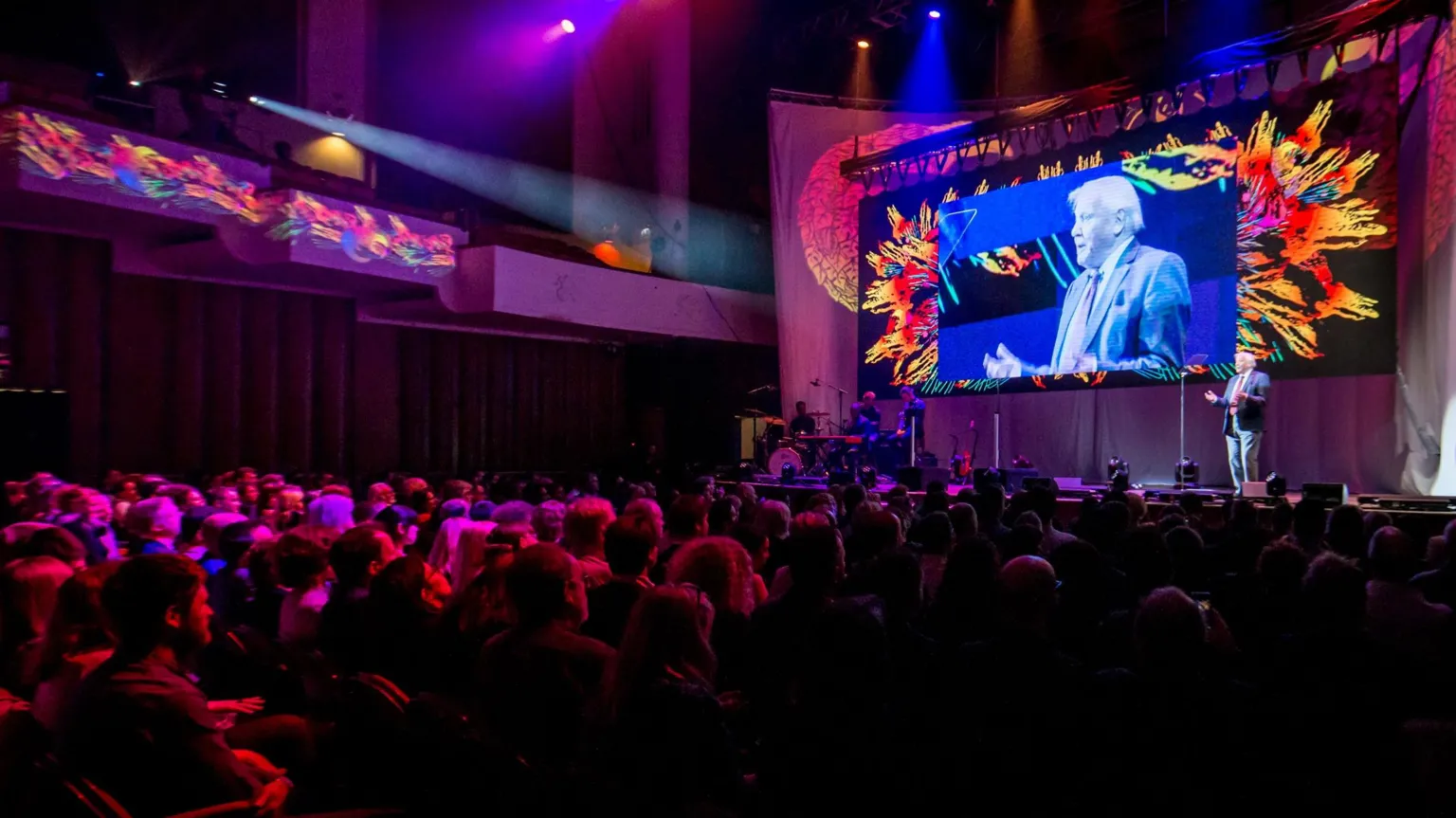
"Bristol is seen as the kind of 'Green Hollywood'," explains Muir.
"If you watch National Geographic, or the BBC, Disney, Apple, Netflix - the vast majority of their natural history productions are made in Bristol."
Despite the global reach of these programmes, Bristol filmmakers did not need to travel to Hollywood to secure deals.
"We had the big players coming to us," Scholey says.
"Netflix, Apple TV, and National Geographic… because it was known as a centre of excellence.
"We have built a concentration of talent in Bristol that is quite unique."
Building Blockbusters
Attenborough's initial influence was not as an on-screen presenter but as a BBC2 controller, where he developed the concept of ambitious landmark programmes. He later left management to present, collaborating with the BBC's Natural History Unit (NHU) in Bristol.
The outcome was Life on Earth, filmed worldwide and viewed by 15 million people in the UK and 500 million globally.
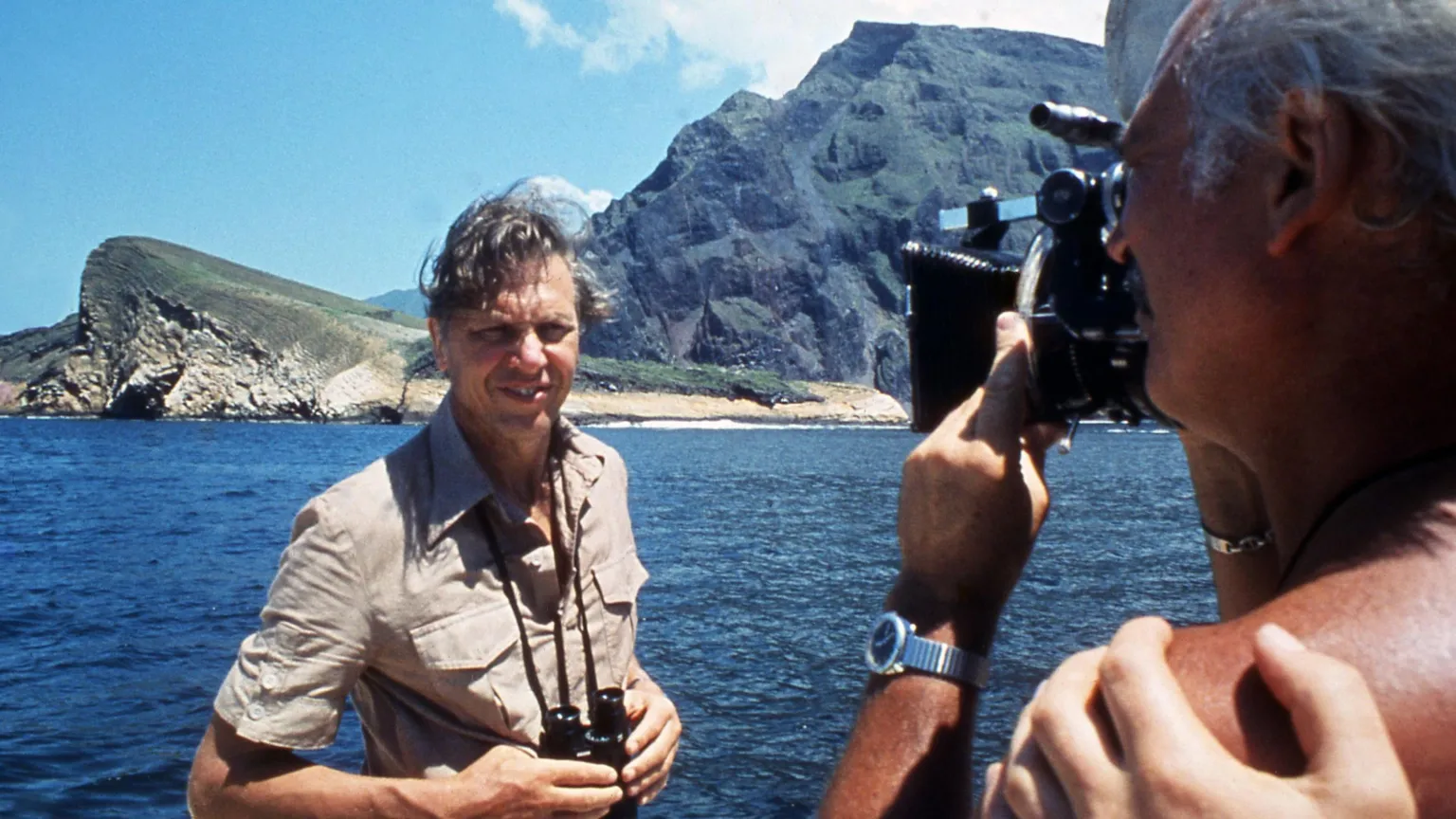
"It was extraordinary," Scholey recalls. "David would be in South America, then Australia, showing things people had never seen… underwater life, bats, reptiles - everything."
"He was the first person to make international wildlife popular," Scholey adds.
Global Storytelling and Financing
The series also revolutionized funding models. A co-production agreement with Warner Brothers introduced American investment into the genre.
Before Life on Earth, the NHU primarily filmed British wildlife on limited budgets. Attenborough's global approach required substantial funding.
"That was the first time money from America had been invested in a natural history series," Scholey notes.
Filmed across more than 100 locations, Life on Earth had a budget exceeding £1 million, a significant amount in 1979.
The series was sold to over 100 territories, establishing wildlife films as global blockbusters.
Subsequently, broadcasters such as National Geographic, Netflix, Apple, and Disney sought Bristol's expertise.
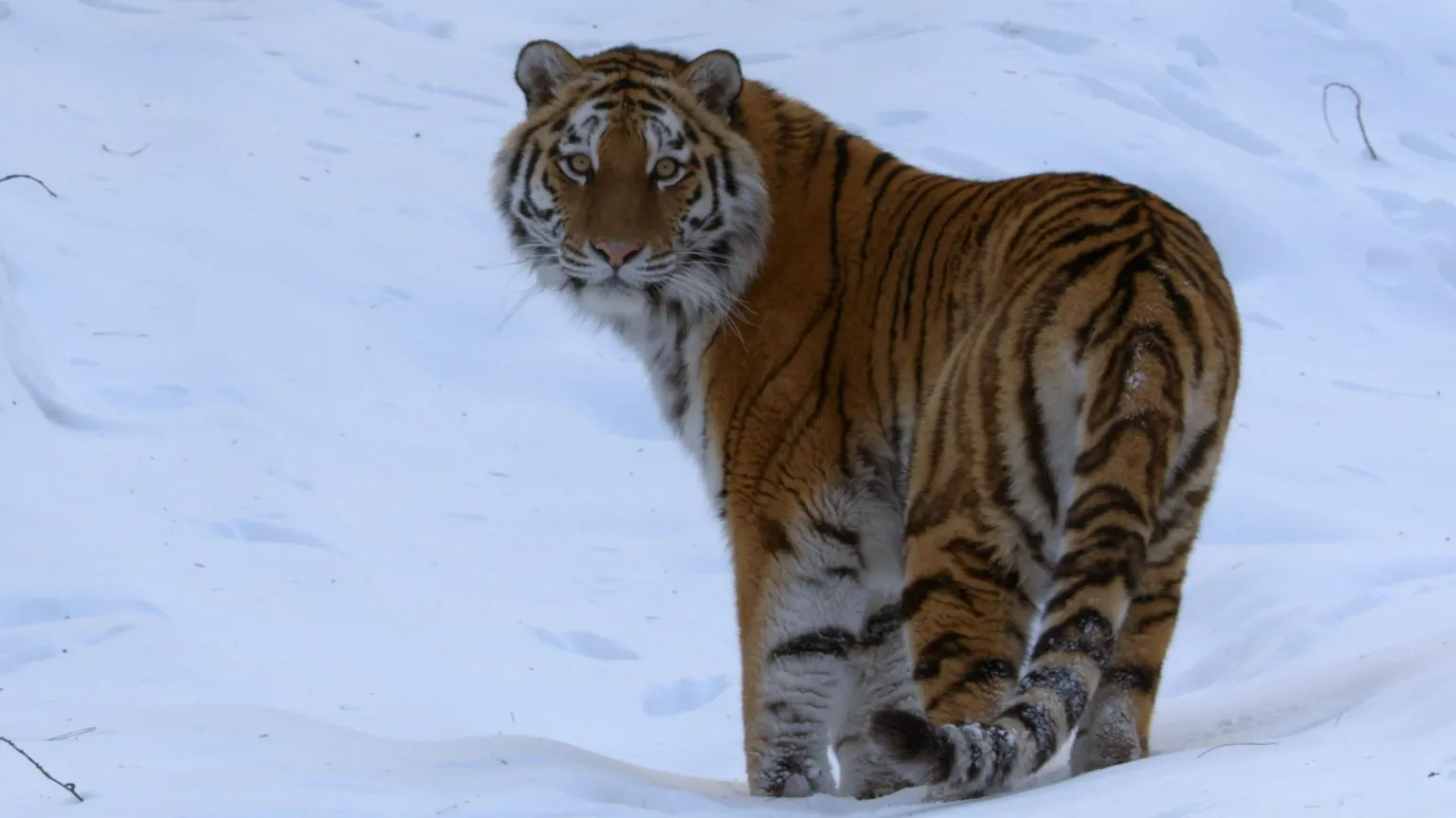
"Filming wildlife is expensive," Scholey explains.
"You have to go all over the world… International finance has been a huge part of it - but wow, we've had quite a ride!"
Cutting-Edge Technology
Attenborough also championed technical innovation. For Life on Earth, his team filmed bats in a wind tunnel, and the use of advanced film stock delivered sharper, color images to viewers.
The BBC's Natural History Unit in Bristol became renowned for adopting and often inventing the latest camera techniques.
Muir comments, "Sir David loves new technology, he loves new camera kit, he's always pushed everyone to make the best, newest discoveries possible."
He remains the only individual to have won BAFTA awards across black-and-white, color, HD, 3D, and 4K formats.
Over five decades of high-quality filmmaking, Bristol has developed a comprehensive production ecosystem, encompassing filming, editing, sound design, and specialized post-production.
Scholey elaborates: "We have people who can colour-grade a natural history film better than anywhere else in the world, people who can track-lay wildlife sound, edit animal sequences, they don't exist anywhere else in the world."
'A Bit of David in All of Us'
Although Attenborough has never lived in Bristol, his influence on the city is significant.
Currently, approximately 15 wildlife production companies operate alongside the BBC NHU, collectively employing around 1,000 people. The University of the West of England estimates the sector's value at about £100 million, representing roughly one-third of Bristol's television industry.
When Scholey was interviewed to lead the BBC's NHU in 1998, he was asked: "How will you replace David Attenborough?"
Nearly 30 years later, that question remains pertinent.
Scholey points out that the NHU has developed many other wildlife presenters, but Attenborough is "a one-off, you'll never replicate him."
For Muir, Attenborough's legacy "will live on forever, within the people making the films, the conservationists, the scientists, he's inspired so many people."
"There's a bit of David in all of us," she smiles.
Follow BBC Bristol on Facebook, X, and Instagram. Send your story ideas via email or WhatsApp at 0800 313 4630.


