

Introduction to the Manosphere and Its Influence
Sara Manchipp interviews a young man who admits to harboring negative feelings towards women in the documentary Into the Manosphere.
The term "manosphere" has recently gained attention through the drama series Adolescence and Louis Theroux's documentary Into the Manosphere. It refers to websites and online discussion groups connected to men's interests and rights, often promoting negative ideas and attitudes towards women among young men.
Sara Manchipp offers insight into this dark world and its dangerous influence on youth through two programs on S4C's digital platforms titled Into the Manosphere.
Sara, a former Miss Wales, experienced online stalking in 2011. This experience, combined with her current role as a mother to her young son Tomos, inspired her to explore how negative online content fosters harmful feelings among young boys—not only towards women but also towards themselves and their understanding of masculinity.
Manosphere, Incels, and Looksmaxxing
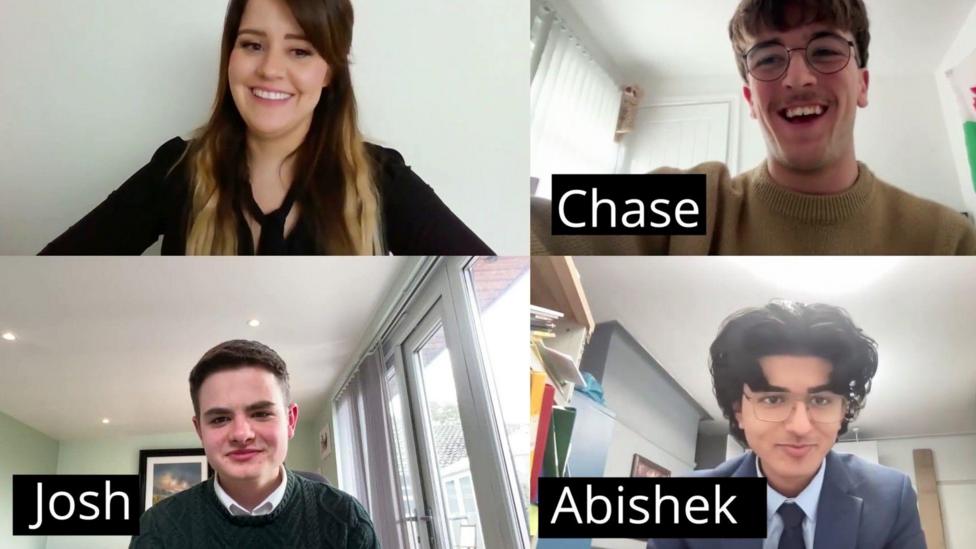
In the program, Sara speaks with experts from Swansea University conducting pioneering research on incels (involuntary celibates), as well as a young man who confesses to holding negative views of women. She also hears from three young men influenced by negative online content.
"I think one of the things that surprised and upset me most was hearing from a 16-year-old boy, Abishek," Sara explained.
"When he was 14, he was online and found a community called looksmaxxing – I had never heard of it before.
He explained that he was so unhappy with his appearance after a rugby accident, standing in front of the bathroom mirror with a crutch in his hand, ready to hit his face into the shape of one of the men in that community.
As a mother, that broke my heart; I almost cried listening to him."
Sharing Hatred on Public Forums
According to one expert, the manosphere represents the "biggest crisis" facing young people today.
Dr. Ashley Morgan, Senior Lecturer in Media and Visual Culture Studies at Cardiff Metropolitan University, expresses concern that the manosphere and content targeted at young people online "are truly harming young boys."
"It's a huge, huge problem," she said.
Dr. Morgan organizes an annual running event in Cardiff in memory of Sarah Everard, who was killed by a Metropolitan Police officer while walking home in London in 2021.
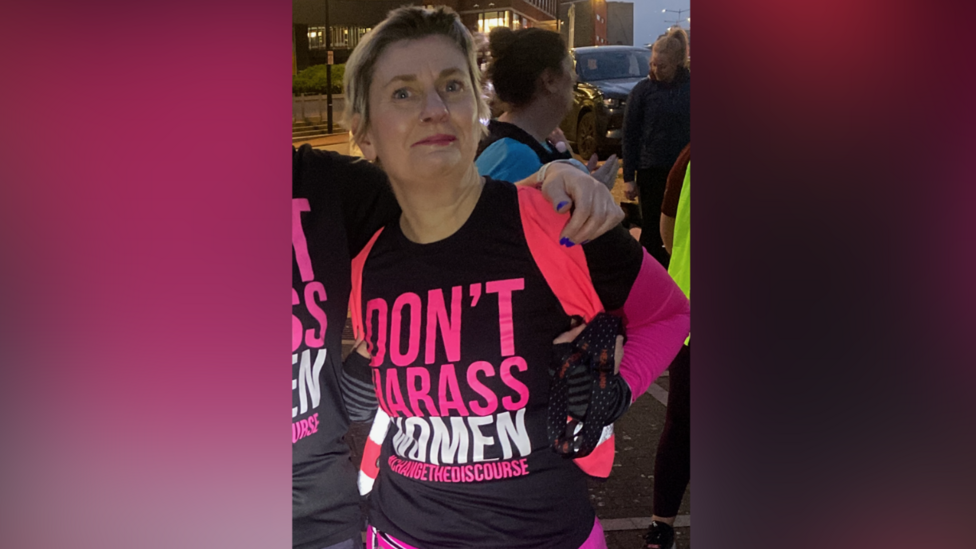
Living in a digital age where social media plays a major role, it is difficult to control the types of content created, shared, and viewed by young people.
Dr. Morgan observes that social media has replaced conversations that used to happen in pubs or sports games, and that "there is a lot of hatred towards women within society generally," but now it is expressed on public forums.
"What has happened is that pockets of groups of men have connected with each other, many of whom feel oppressed.
And by talking to each other, they have come to the incorrect conclusion that women and feminism are to blame for their oppression."
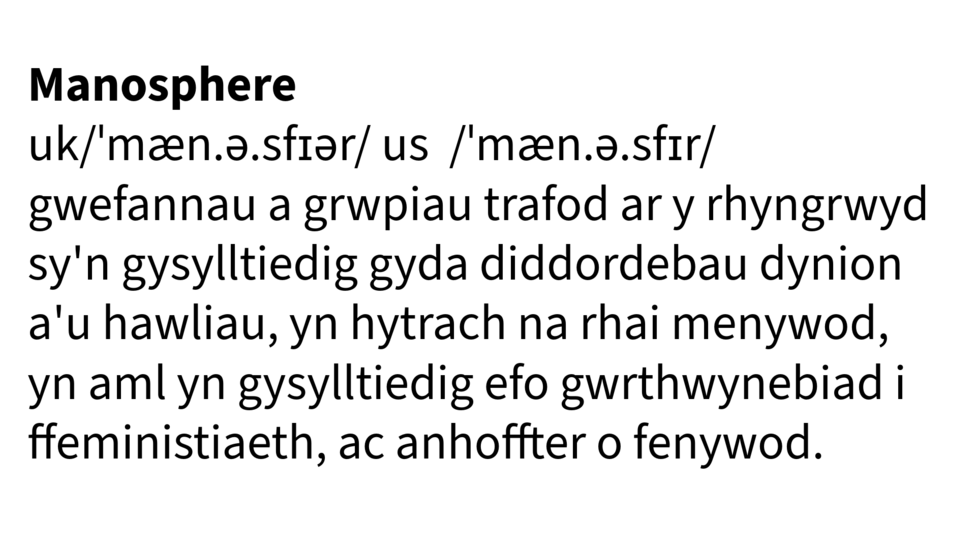
The Cambridge Dictionary defines the manosphere as websites and online discussion groups about men's interests and rights (rather than women's) often associated with opposition to feminism and dislike of women.
Dr. Morgan notes that some attitudes encouraged on social media affect how schoolboys treat women, especially teachers and other children.

Being a Positive Role Model for Young Men
A familiar name in this world is influencer Andrew Tate, who is openly misogynistic and has millions of followers worldwide on social media.
One reason suggested on Sara's program for young men's dependence on digital influencers' opinions is the lack of real role models available to them today.
George Hobbs, a teacher in South Wales, strives to be a positive role model for young men in his area.
Alongside his teaching work, George has over 40,000 followers on Instagram where he shares his experiences as a teacher and his efforts to reduce the manosphere's impact on young boys.
George Hobbs describes himself as an advocate for educating young men to be positive members of society.
"We have elevated the problem that many men, unfortunately, do not contribute positively to our society," he explained.
"Modeling what we want to see is the best way to produce young men who make positive contributions and challenge misogyny and toxic masculinity."
He decided at a young age that teaching was his calling, inspired by his father who was a teacher.
Now, he wants to be a positive influence on his students and has started an initiative offering a solution to toxic masculinity by combining his passion for teaching with his love of sports.
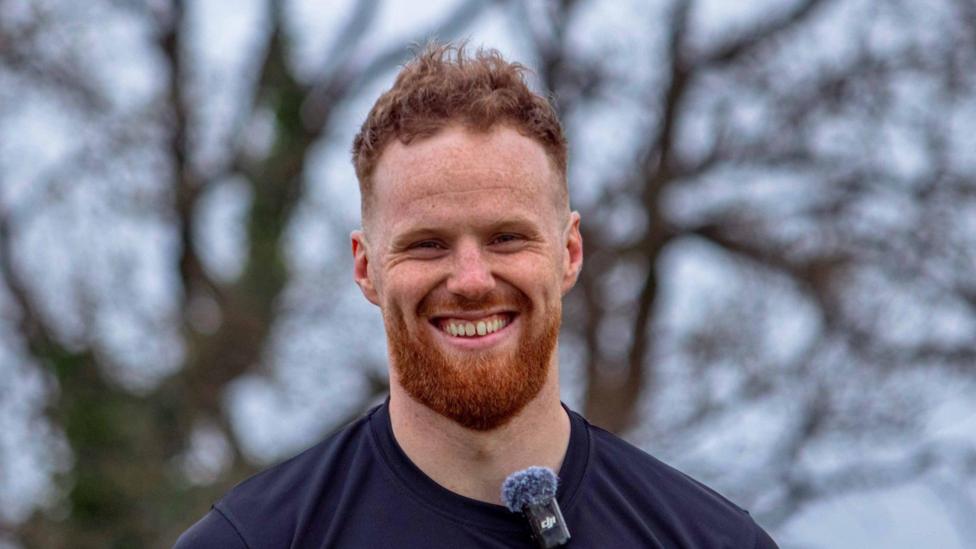
When not teaching in the classroom, George teaches outdoors on the sports field.

Through sports sessions such as rugby, he aims to "elevate the positive values and characteristics" that young people already have and "show them they have the ability and capacity" to be respectful and positive individuals.
"What we want to do is show our young men as many positive role models as we can, to inspire them and help them see they can achieve that too."
Solutions for the Future
Education is the best way to overcome the harmful attitudes held by young boys, according to Dr. Morgan and George.
While George does his best to educate boys and young men, Dr. Morgan believes the focus should be on the older generation.
She feels men have a responsibility to challenge attitudes they find inappropriate and start conversations with other men about their behavior.
After making her programs, Sara Manchipp acknowledges feeling more positive about the future due to the people she met who are trying to make a difference; the three young men she spoke with about their negative online experiences are now trying to help other young boys be open about their feelings and share problems.
However, with the recent announcement by Prime Minister Keir Starmer banning children under 16 from major social media platforms, is enough being done?
Sara Manchipp: Our Responsibility to Help Young People Use Social Media
"I think the responsibility lies with us as adults – as parents, teachers, the community – to try to do more to educate young people about being safe online and being respectful to each other.
But more than that, to teach them how to open up and talk to each other, because so many young people spend so many hours online, I think they forget how to talk face-to-face, and maybe they are struggling in their real lives.
Although [the ban] will be good, I also think young people will always find ways around it, so the responsibility is on us as adults to help them and educate them on how to navigate the digital world."


