

Preston Mill Resumes Grain Grinding After Three Decades
An East Lothian mill, featured in the first season of the popular TV series Outlander, has recommenced grinding grain for the first time in 30 years.
Preston Mill is located on the River Tyne in East Linton, with the current mill structure dating back to the 18th Century.
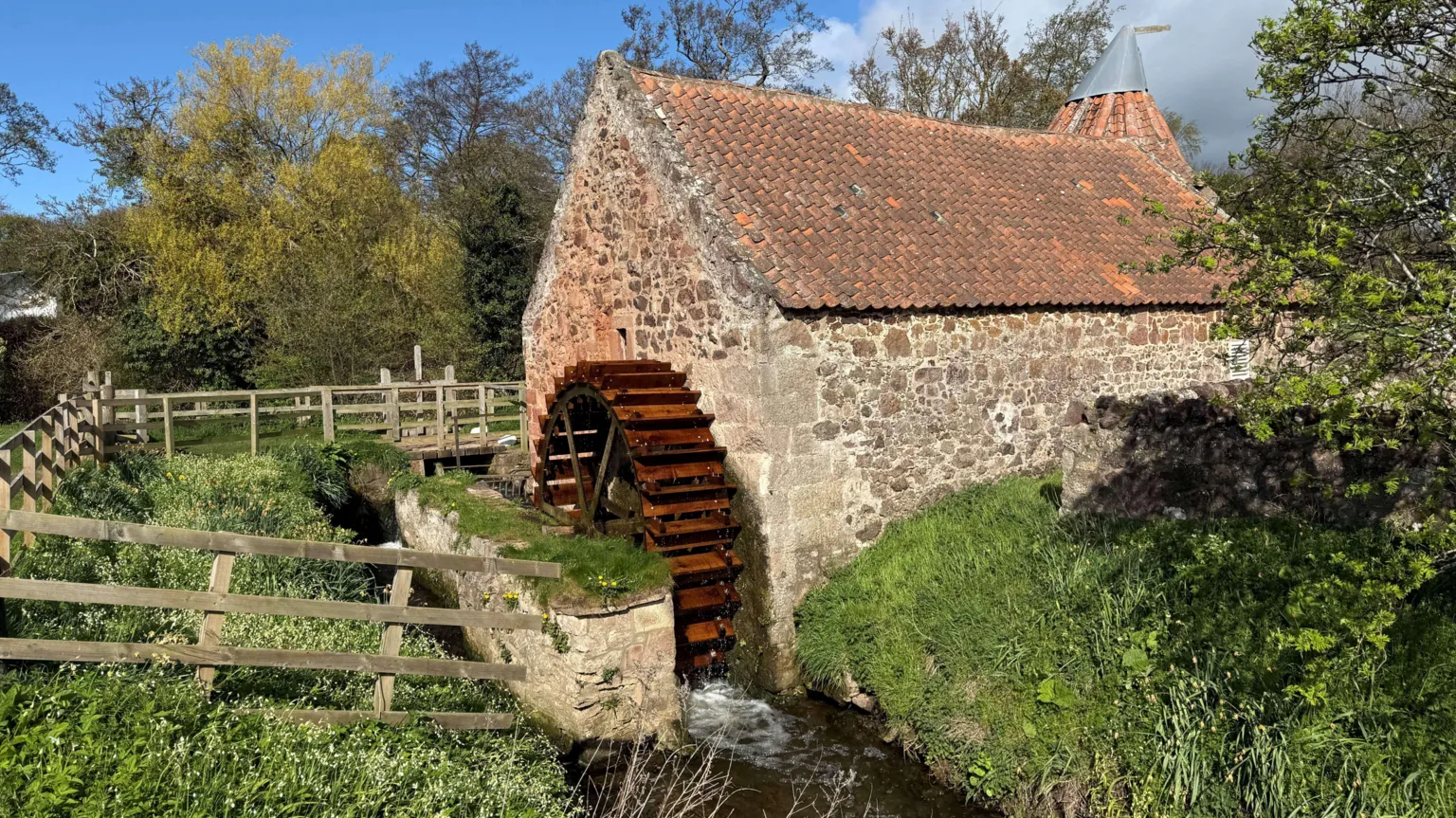
Following extensive repairs to the waterwheel and conservation efforts on other parts of the mill, it has now been restored to operational status.
The National Trust for Scotland (NTS) reported that the restoration work was initially funded by a "generous donor," whose early support enabled the continuation of the project. The NTS declined to disclose the donor’s identity or the amount contributed.
The NTS also noted that previous donations have been instrumental in funding necessary repairs to the mill.
Fans of Outlander contributed to fundraising efforts for the mill’s restoration. The mill appeared in an episode depicting the lead character Jamie Fraser, portrayed by Scottish actor Sam Heughan, repairing the waterwheel.

Historical Significance and Restoration Details
Records indicate that repairs at the Preston Mill site date back to 1598, although the NTS suggests that a mill may have existed there as early as the 13th Century.
The current waterwheel, powered by the River Tyne, was installed in 1909.
Preston Mill came under the care of the NTS in 1950 and operated commercially until 1959. It has not ground grain for several decades since then.
Fraser MacDonald, a visitor services supervisor at Preston Mill, explained that while visitors could previously observe the mill in operation, it was unable to grind grain because the French Burr millstones were too worn.
Restoration work completed last year enabled the millstones to be repaired and made functional for milling once again.
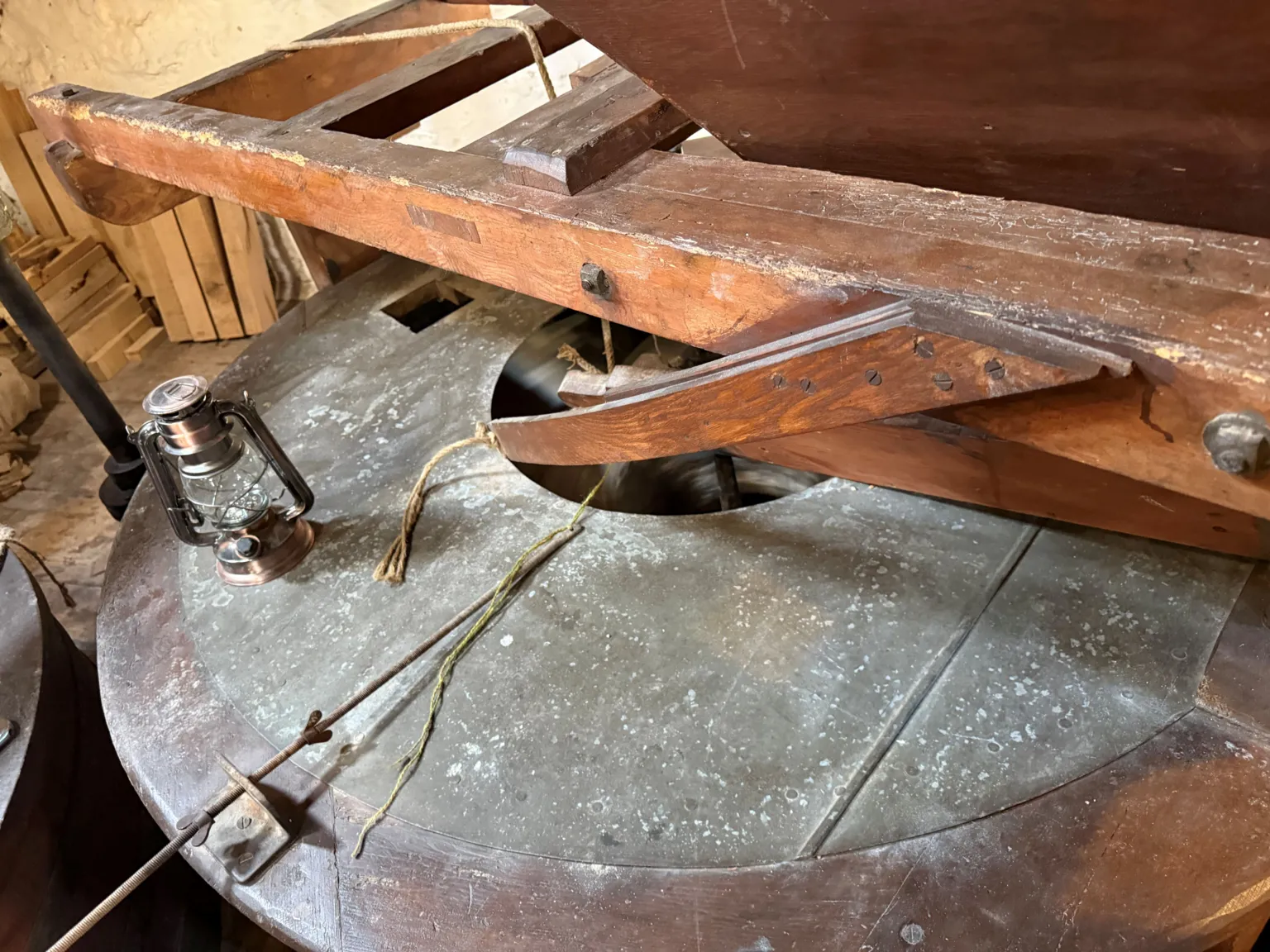
"The millstones are made from French Burr, a type of freshwater quartz that is highly prized for milling,"
"Our stones had been separated since the 1990s and were worn completely flat, but the dressing restoration has allowed them to be put back together for milling once again."
Community Importance and Future Plans
Stuart Maxwell, regional director at the National Trust for Scotland, emphasized the importance of mills like Preston Mill to their communities and their role in illustrating rural life in East Lothian from the 18th to early 20th centuries.
"With continued investment, these places can keep telling their stories for centuries to come. We hope that visitors will enjoy seeing real milling demonstrations again for the first time in decades and continue to support our vital conservation work."
Milling demonstrations are scheduled for National Mills Weekend on 9 and 10 May.


