

Letty Lynton: A Lost Hollywood Classic Returns
Joan Crawford was among the most prominent stars of Hollywood’s golden age, yet one of her most notable and contentious films, Letty Lynton, has not been legally screened since January 1936. Now, ninety years later, thanks to the efforts of her grandson, audiences will finally have the opportunity to view the film and understand the controversy surrounding it.
The 1932 MGM production Letty Lynton narrates the deadly story of a Manhattan socialite, her fiancé, and her vindictive former lover. The film achieved box office success but perplexed critics who were astonished that MGM had managed to bypass censors with such a provocative narrative. This was only the beginning of the film’s troubles.
MGM initially sought to acquire the rights to the play Dishonored Lady, authored by Edward Sheldon and Margaret Ayer Barnes. The play had been a Broadway success in 1930 but was deemed “unfit for motion picture adaptation” by the Hays office due to its themes of alcohol, drugs, and sexuality. MGM abandoned the project when the playwrights demanded $30,000 and the Hays office refused to permit any leniency on a story featuring a woman they labeled a “nymphomaniac.” Instead, MGM purchased the rights to Marie Belloc Lowndes’ novel Letty Lynton for $3,500. Like Dishonored Lady, the novel was inspired by the real-life 1857 case of Madeleine Smith, a Scottish socialite accused of poisoning her lover with arsenic after he threatened to reveal their affair and jeopardize her engagement.
MGM assigned the film to director Clarence Brown and cast Joan Crawford, one of the studio’s rising stars, in the lead role. Crawford embraced the part of the glamorous murderer, later describing it as
“one hell of a story and script and character I could really get to grips with, thanks to Clarence Brown.”Brown was among her favored directors, having worked with her on Possessed (1931) and Chained (1934). While Crawford was less enthusiastic about her co-star Robert Montgomery, she developed strong on-screen chemistry with Nils Asther, who portrayed her rejected lover. Their dynamic produced some of the film’s most memorable scenes and posed significant challenges for the censors. In one notable moment, Crawford’s character smiles coldly as she watches her ex-lover drink poisoned champagne. Throughout her career, Crawford was unafraid to tackle provocative roles. She once stated
“I love playing bitches. There’s a lot of bitch in every woman – a lot in every man.”

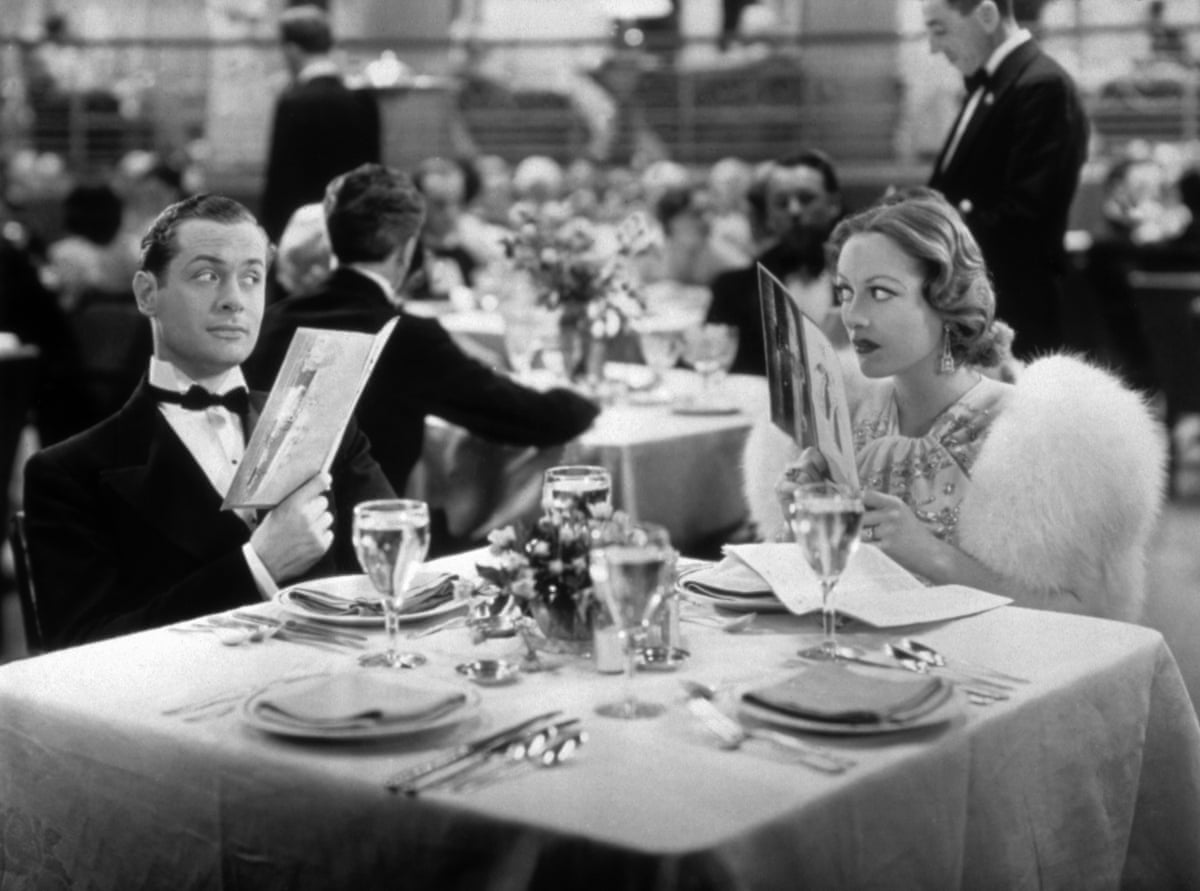
Legal Battles and the Film’s Withdrawal
One month after the film’s release, Sheldon and Barnes initiated legal action, asserting that the film was clearly based on their play rather than the novel. The lawsuit extended over several years, with MGM vigorously defending its position. However, when the playwrights began pursuing profits from cinemas that screened the film, MGM decided to withdraw Letty Lynton from circulation in 1937. The following year, Joan Crawford was infamously labeled “box office poison,” yet both she and the film endured beyond this period.
Fashion Legacy of Letty Lynton
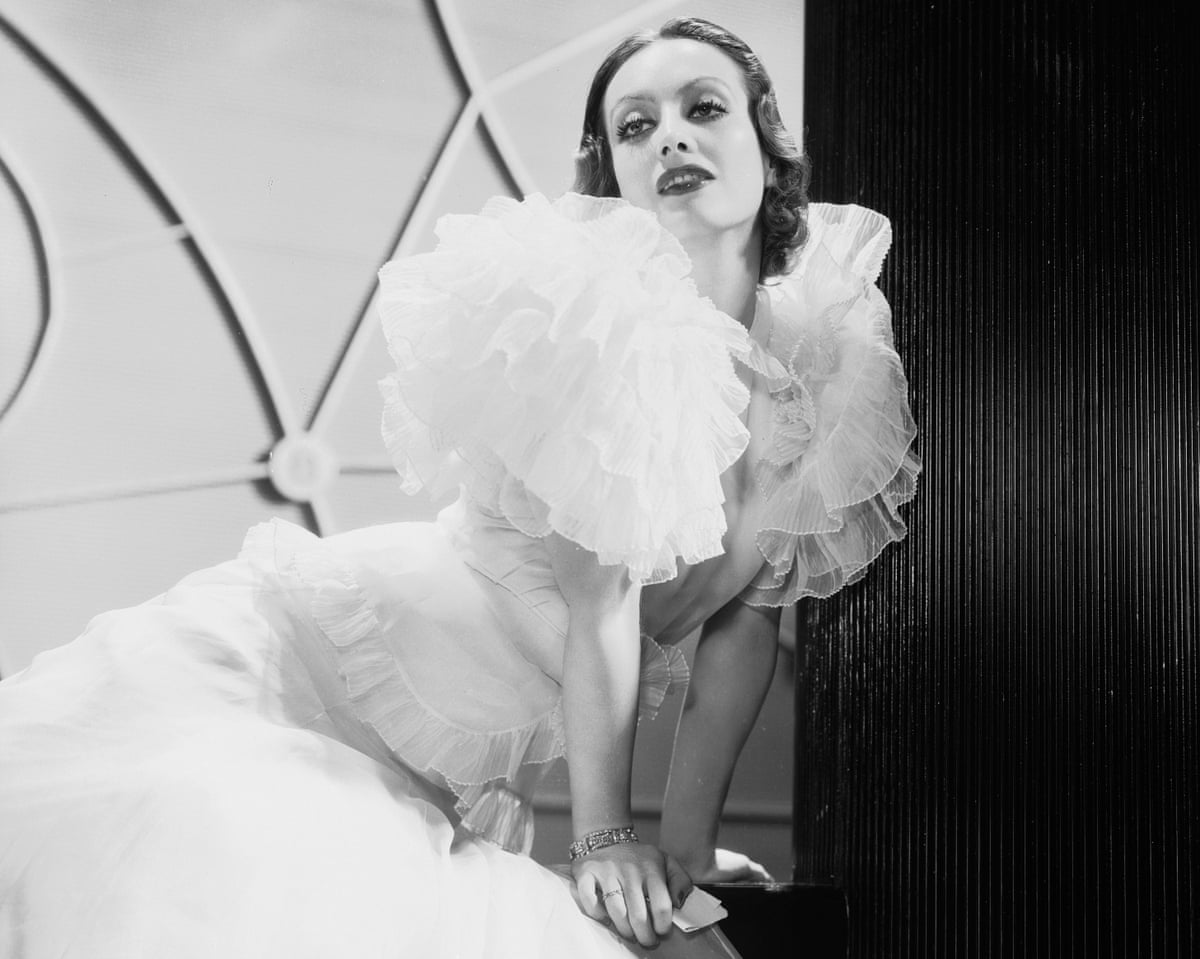
Although the film vanished from public view, its influence persisted in the fashion world. Letty Lynton exuded Art Deco glamour, and one of the dresses designed by Adrian for Crawford—a white organdy gown with oversized frilled sleeves—was reproduced in an affordable version for Macy’s department store, selling in large quantities. The style sparked a widespread trend for puffed and embellished sleeves. British Vogue reported on young women who
“felt they would die if they couldn’t have a dress like that. With the result that the country was flooded with little Joan Crawfords.”Hollywood costume designer Edith Head described the Letty Lynton dress as cinema’s single biggest influence on fashion. This trend persisted even as the film was embroiled in legal disputes.
Continuing Influence of the Madeleine Smith Story
The story of Madeleine Smith did not fade away. Producer Hunt Stromberg eventually acquired the rights to the play Dishonored Lady and produced a film adaptation starring Hedy Lamarr in 1947. British audiences may be more familiar with Madeleine, a 1950 gaslight noir directed by David Lean and starring his then-wife Ann Todd, which adheres more closely to the historical facts of the case.
Restoration and Re-release
The film’s reemergence is largely due to the efforts of Joan Crawford’s grandson, Casey LaLonde. In a statement, LaLonde expressed:
“I have been keeping this secret for months, so it is wonderful to share the news with Joan fans around the world.”As the copyright on the play expired on 31 December 2025, LaLonde contended that it would now be legally permissible to screen the film. Warner Bros, which holds the rights to many MGM films produced before 1986, has restored Letty Lynton in 4K resolution. The film will have its first legal screening in 90 years at the TCM Film Festival in Los Angeles and will also be released on Blu-ray and DVD. LaLonde expressed gratitude to Warner Bros and its library historian George Feltenstein for facilitating the release, stating:
“Without them, we wouldn’t have this fabulous film to see again on big and small screens.”


