

Funding Secured for Refugee Film Project in the Highlands
A film initiative supporting young refugees and asylum seekers residing in the Highlands has obtained essential funding to continue its work over the next three years.
Compass Collective's Film Futures programme has already produced two short films, which have been viewed by more than 600 people at screenings held in Inverness, Fort William, and Evanton.
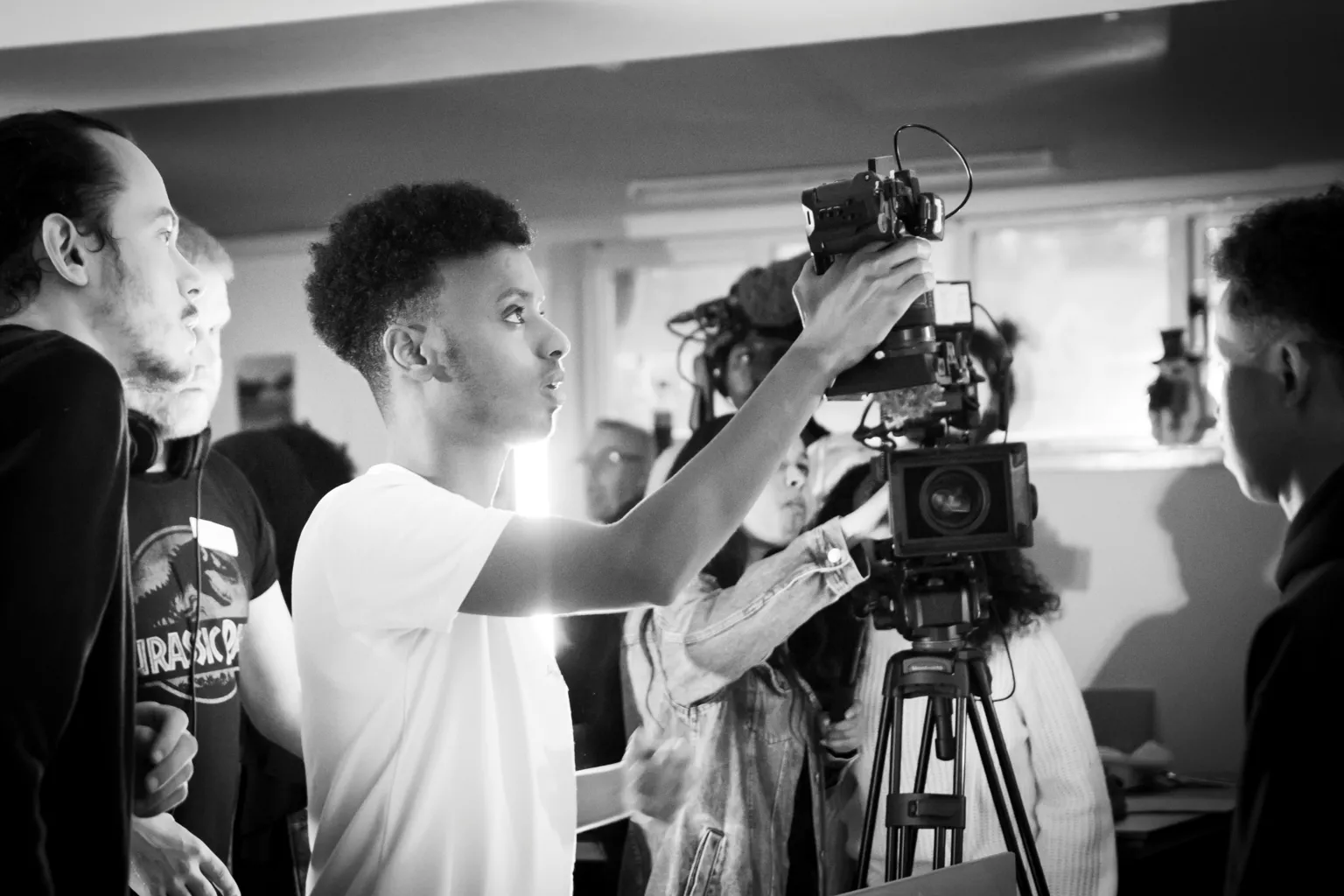
The charity, awarded £87,717, aims to foster "understanding and tolerance" towards the circumstances faced by these young individuals.
The group has encountered a challenging year amid protests concerning asylum seeker accommodation, including in Inverness, where the UK government plans to house up to 300 single men at Cameron Barracks.
Background and Beneficiaries
Compass Collective, which operates programmes across the UK, began supporting young refugees and asylum seekers in the Highlands approximately one year ago.
The participants include individuals aged between 14 and 26 who have fled conflict and instability in countries such as Sudan, Afghanistan, and Somalia.
The charity's initial project in the Highlands was a befriending theatre initiative designed to address feelings of isolation among under-18s who arrived in the UK unaccompanied.
Film Futures Project Details
Last autumn, a pilot film project was conducted involving 32 young people in Inverness and Alness. This project provided training in writing, acting, directing, filming, and editing short films.

Film Futures offers participants the opportunity to create short films while acquiring employment skills and enhancing their English language proficiency.
The recently secured funding, provided by the National Lottery Community Fund, will enable Film Futures to continue for three more years and expand into new locations, including Stornoway in Lewis.
Impact and Participant Experience
One of the two films produced is titled Don't Jump to Conclusions. Elyas, a participant involved in its creation, explained the film's message.
"The message of the film is that we should not judge people too quickly and should keep an open mind. It teaches an important lesson about understanding and tolerance."
"It was fun and creative. It also helped me feel more confident," Elyas added, reflecting on his experience working on the film.
Project Leadership Perspectives
Mike Webster, lead film facilitator for Compass Collective's Highland project, emphasized the goal of uniting young people through the initiative.
"It kind of blows my mind that unaccompanied asylum-seeking children are being put into the rural Highlands so far away from population centres."
"The great thing about this project is that we are trying to place ourselves further out into these rural communities."
Project coordinator Mhairi Gayer highlighted the difficult experiences faced by the young filmmakers.
"They have faced forced displacement, they have experienced war, persecution, trafficking, long, difficult and dangerous journeys," she said.
"Their childhood has been completely interrupted. Their education has been interrupted. They are now having to build a new life in a new country and build a new identity."
Gayer also noted the isolation experienced by these individuals in the Highlands.
"People are quite isolated in the Highlands. They are placed in many different areas. Our project brings them out of the house – it brings people together. It improves people's mental health because they are connected."
Challenges Amid Protests
Gayer described the past year as "very hard" due to anti-asylum seeker protests and counter-protests occurring across the UK.
Several demonstrations have taken place in Inverness, including opposing rallies outside Cameron Barracks in December. One was organised by Highlands Against Hate, a group supporting refugees coming to Scotland, while another involved supporters of the anti-illegal immigration group Peterhead United.
"Young people themselves are telling us that they don't feel safe to go outside anymore," Gayer said.
"Within those challenging circumstances we still keep going. We still create those spaces of joy and support. We have a responsibility to tell the human story and not stereotype what a refugee and asylum seeker is."
"The amazing thing about the film project is that we hand that responsibility over to them and they decide the stories they want to tell."


