

Claudia Winkleman’s New Chatshow and Its Challenges
Claudia Winkleman’s new chatshow is set to premiere next month, generating considerable excitement among her supporters. Winkleman expressed her gratitude and disbelief at the opportunity, stating:
“I can’t quite believe it and I’m incredibly grateful to the BBC for this amazing opportunity.”
Kalpna Patel-Knight, who commissioned the show, praised Winkleman as “a true national treasure – warm, witty and endlessly entertaining.” Graham Stuart, the long-time producer and collaborator of Graham Norton who runs So Television, the production company behind both shows, commented on the challenge of following Norton’s success:
“How can you possibly follow [Graham Norton]? By booking a host equally as brilliant. So we have.”
Despite these endorsements, the difficulty of producing a successful chatshow is evident. Industry insiders recognize that overly boastful promotion often precedes new chatshows, which can struggle to meet expectations. While Winkleman is highly regarded, the success of her new series is not guaranteed. This raises the question: what does it take to create chatshow magic?
The Art of Guest Selection
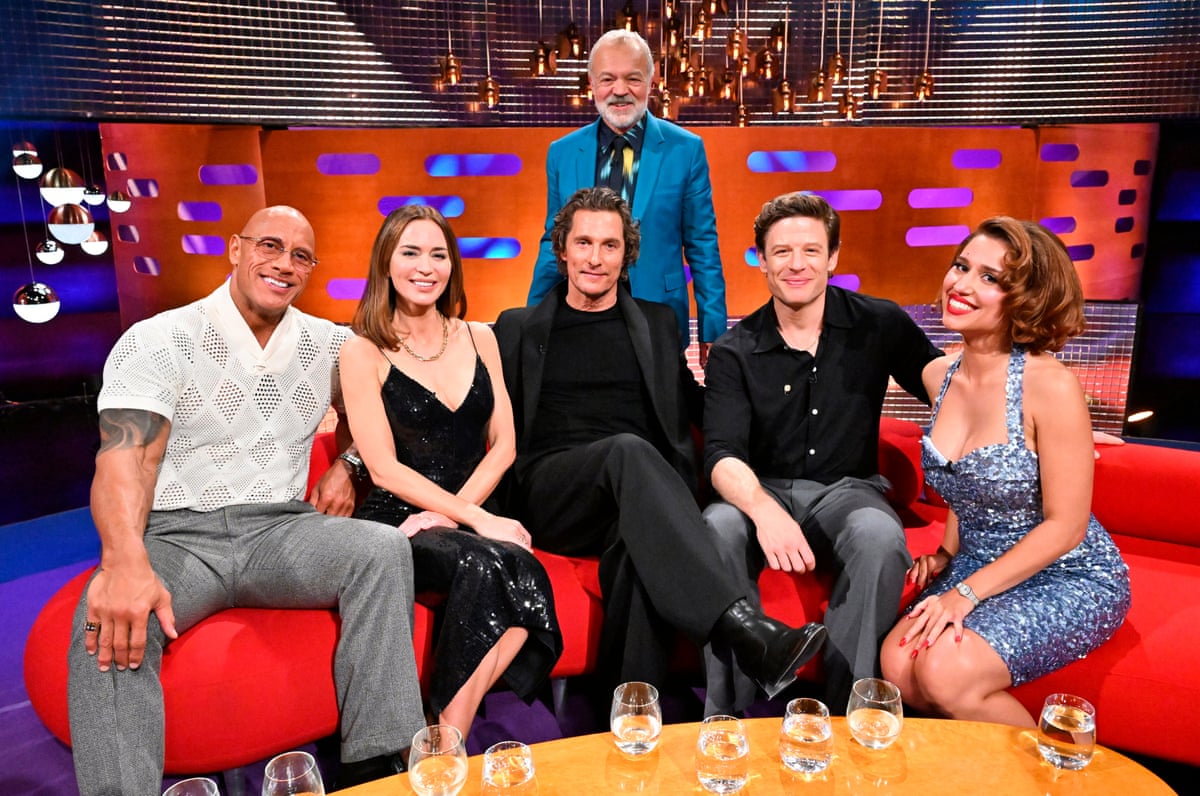
One of the key challenges is securing the right guests. Significant effort is invested in booking A-list celebrities, yet the more famous the guest, the less likely they are to reveal much. The chemistry between host and guests is essential to enliven the conversation and avoid repetitive stories. Graham Norton’s show employs a specific formula involving a large panel: a major guest closest to Norton, a congenial mixer in the middle, and a humorous guest in the third seat. Norton himself admitted in a 2010 Radio Times interview, when his show was three years old, that:
“I’m really bad at actually interviewing people.”
Ideally, guests generate their own dynamic, creating lively and unpredictable television reminiscent of a circus atmosphere.
The Interview Format and Its Evolution
The interview itself has evolved significantly. Michael Parkinson, who retired in 2007, criticized earlier chatshow formats in the same 2010 Radio Times issue, lamenting that television executives often entrusted interviewing to individuals who neither knew how to ask questions effectively nor listen to answers. However, such traditional question-and-answer formats have become outdated, as audiences no longer favor straightforward interviews. This style belonged to a more formal era when celebrities were approached similarly to politicians, with polite and searching questions.
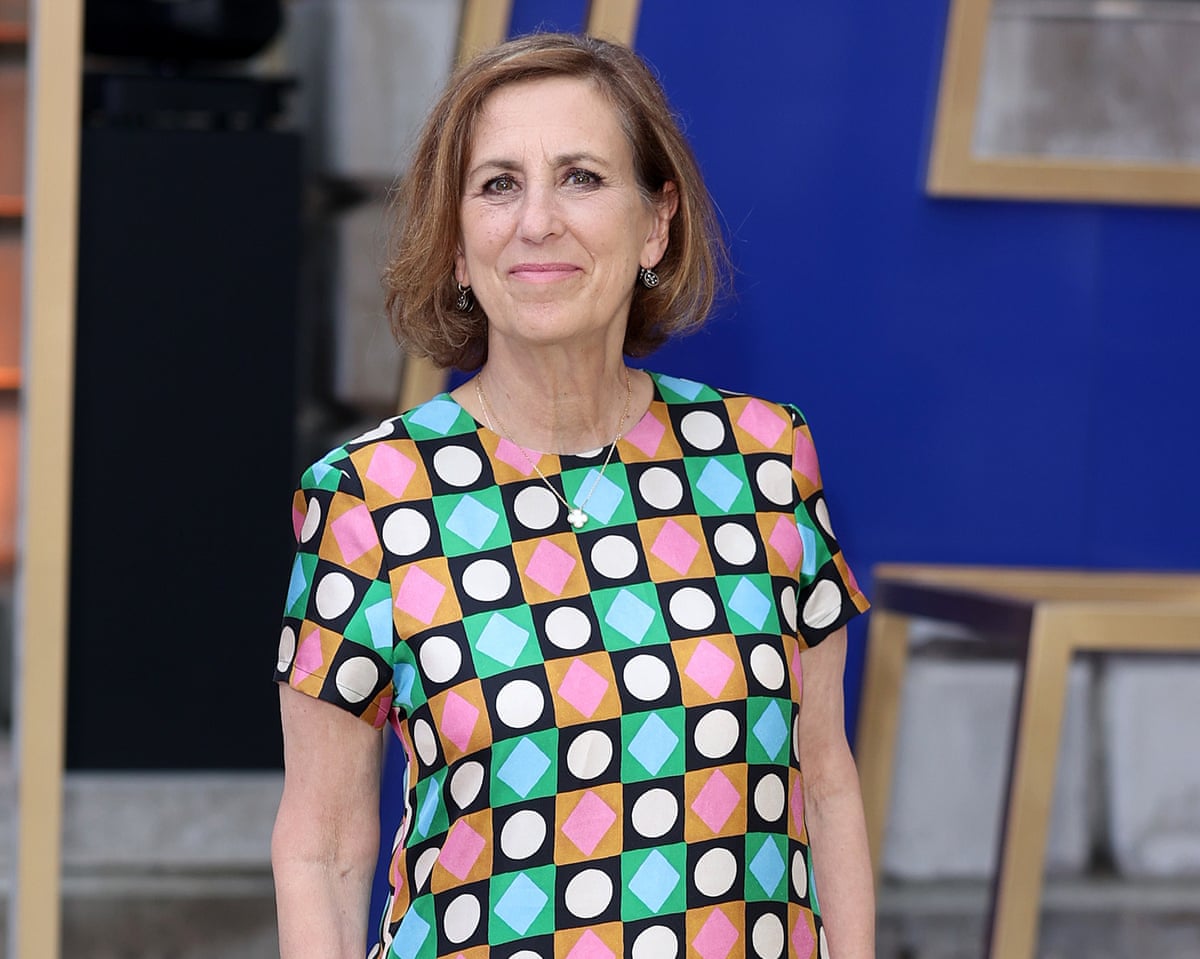
Kirsty Wark, a Bafta-winning interviewer and former Newsnight host, explained in a phone conversation while caring for her newborn granddaughter that entertainment interviews differ greatly from current affairs interviews:
“Entertainment interviews are a totally different kettle of fish from current affairs ones. Scratchiness is OK for political interviews, it’s a bit tricky for sofa interviews.”
Wark suggested that Claudia Winkleman could revive the art of asking genuinely challenging questions, noting Winkleman’s natural authority, possibly symbolized by her eyeliner. However, this approach risks alienating sensitive Hollywood stars whose most notable revelation might be trivial. The presence of celebrity entourages further complicates the power dynamics, which hosts must either confront or accommodate. Wark recalled an interview with George Clooney, remarking:
“He just sauntered in on his own and it was so much nicer.”
The Purpose of Chatshows Beyond Interviews
If chatshows are not primarily about interviewing, what is their core purpose? Jonathan Ross, who often avoids discussing his work to prevent controversy, told in 2010:
“My talkshow is not an interview show as such, which is why I’m always bemused when critics say the interview wasn’t very good. And I think, but I’m not doing an interview! What I’m trying to do is make a comedy show. And that, trust me, is a fuck of a lot harder.”
While comedy may be easier for those naturally funny, the real challenge lies in creating a genuine connection between guests who are promoting something and have never met before. For Claudia Winkleman, the question becomes how to maximize the appeal of a beloved host.

Lessons from Esther Rantzen and That’s Life
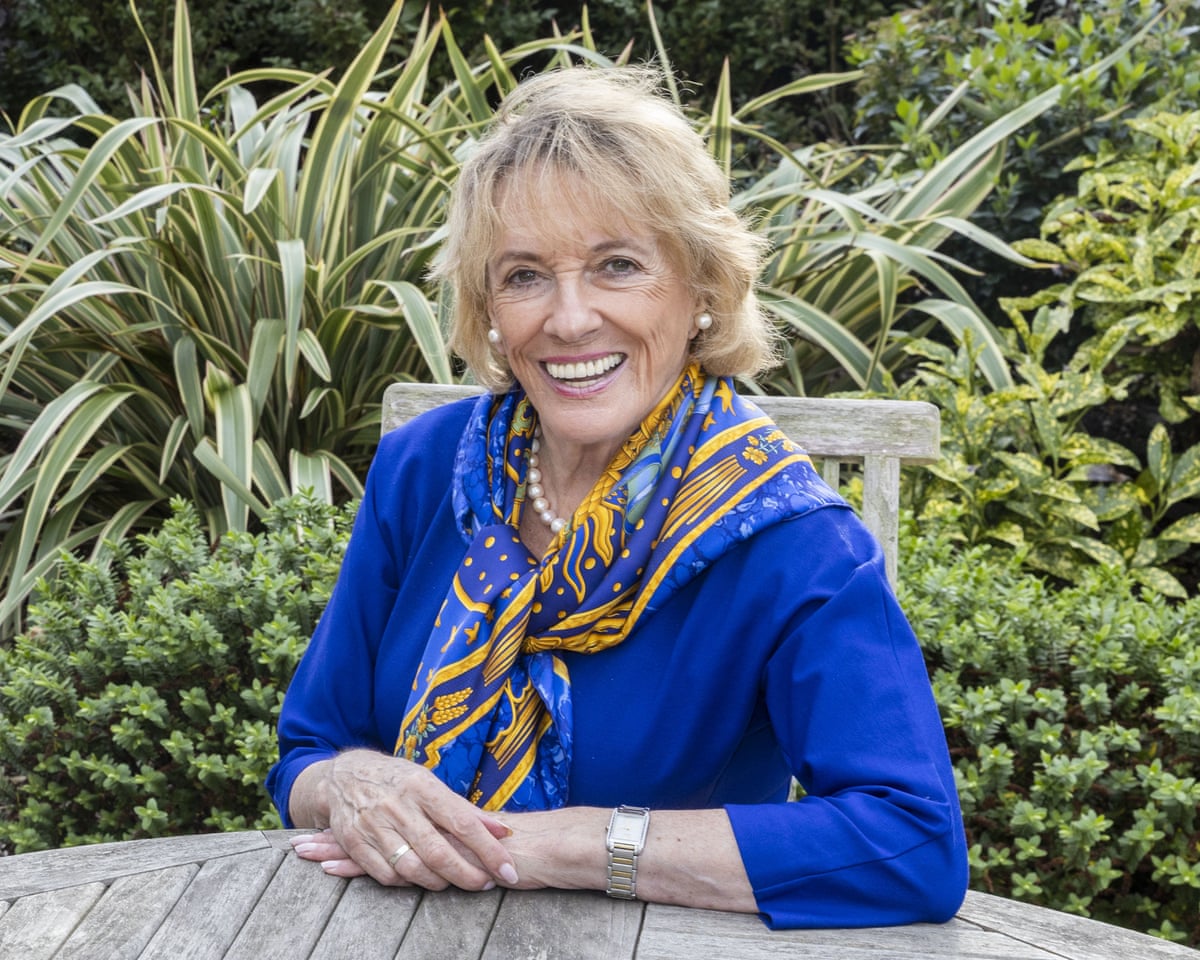
In 1973, Esther Rantzen exemplified this dynamic. Modest about her achievements, she recounted how she transformed a consumer show inherited from Canadian actor Bernard Braden into a widely watched programme. When Braden returned to Canada, Rantzen, who had been a researcher, took over and made it a hit.
“In those pre-fragmented days, we had audiences, regularly, of around 15 million, at its height, 22 million. Mrs Thatcher and John Major watched it, because they knew that their voters watched it,” she told me on the phone while her daughter prepared lunch. She admitted she cannot watch herself now, comparing it to actors disliking their own films:
“I do shudder when I watch it, and I’m sure there would have been viewers that felt the same.”
To become a national treasure and a water-cooler figure, a host must evoke strong audience reactions, including some division. For example, the Princess of Wales could not host a chatshow. Claudia Winkleman appears to possess the resilience to be mostly loved while accepting some criticism, which is important since being disliked is only bearable if the host responds with self-deprecating humor. Rantzen recalled an incident when she substituted for Terry Wogan in 1986 and interviewed Anthony Perkins, who took offense at one of her questions:
“He had a fantastic go at me, and said: ‘All the aficionados know that that’s the truth,’ and I said: ‘With my teeth, I can’t even say aficionados.’”
Content and Longevity in Chatshows
Part of the success of That’s Life was its focus on issues. The show’s longevity—running for 21 years and leading to Rantzen’s own spin-off chatshow, Esther—was due to its evolution from light-hearted topics like fake slimming teas or amusing animals to serious campaigns. In 1984, a campaign about Ben Hardwick, a toddler needing a liver transplant, doubled the number of transplants shortly after airing. In today’s more cynical and politically sensitive climate, producing such pioneering social affairs content would be challenging.
Creating Chemistry and Competition on the Sofa
While chatshow chemistry is difficult to manufacture, some dynamics are reliable. Norton once remarked during an appearance on Late Night With Seth Meyers:
“I think what’s good about actors is sometimes they don’t care about the audience but they care about each other. So if an actor tells a funny story, you can see someone seething, like: ‘I have a funny story! I shat myself!’ So the stakes get higher and higher.”
Winkleman adds an element of competitiveness, as guests strive to impress her. This is evident in shows like The Traitors, where both celebrities and regular participants display heightened confidence and seek her approval. While this chemistry is a key ingredient, it remains elusive and cannot be bottled.
Memorable Television and Spontaneous Moments
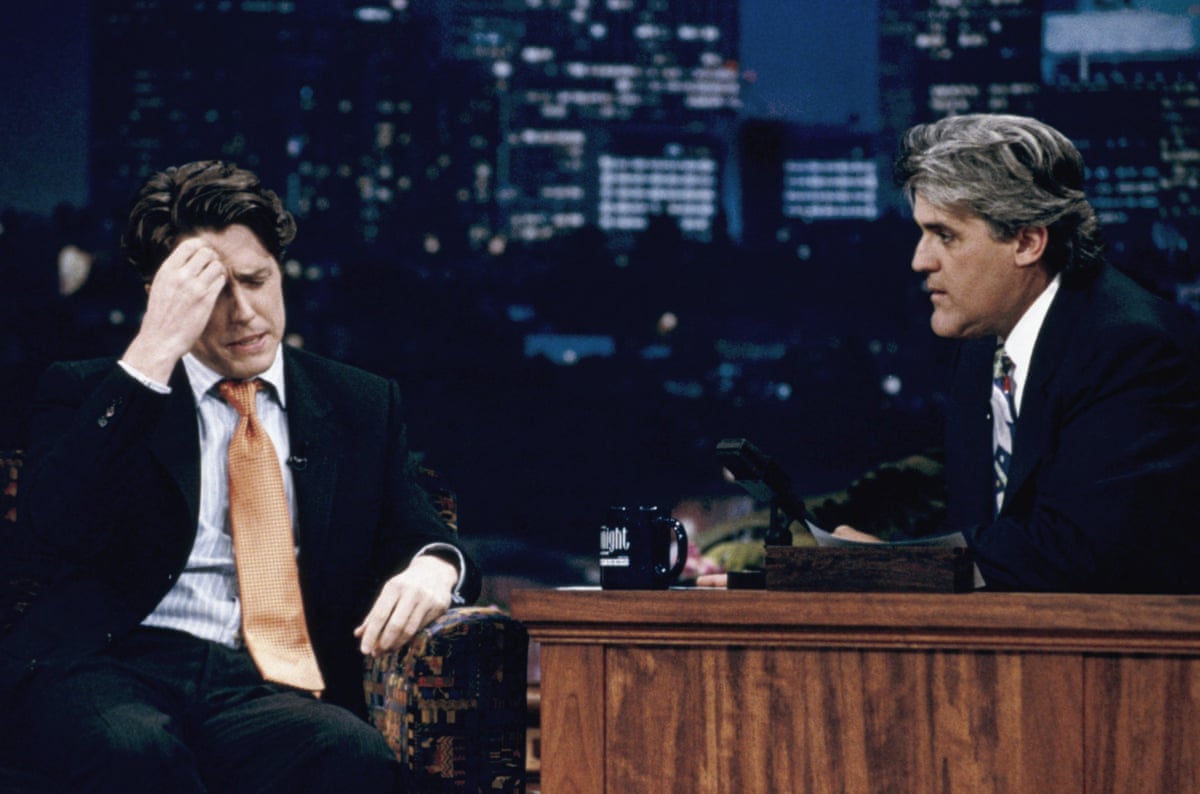
Ultimately, memorable television is the goal. Hosts and audiences recall moments of discord, such as exchanges between Terry Wogan and George Best, as well as humorous instances, even if the exact dialogue fades. Spontaneous openness and connection, like Freddie Flintoff’s appearance on Jonathan Ross or Hugh Grant’s confession about a scandal on Jay Leno’s show, are highly engaging but rare. Such moments cannot be artificially produced without losing authenticity.
Following the Conversation and Authenticity
Kirsty Wark advises preparation but also flexibility:
“You’ve got to do your homework but, in a sense, throw it all away, and follow the conversation. I did the last interview with Harold Pinter before he died. I think he knew that he wasn’t well. People who are less well known and perhaps less practised, that conversation sometimes flows more naturally. But I also feel that people who are comfortable in their skin give better interviews.”
Such individuals also tend to be better interviewers. On these terms, Claudia Winkleman is well positioned to succeed with her new show. However, as the author admits, predicting chatshow success is uncertain, recalling a previous misjudgment about The Celebrity Traitors.
The Claudia Winkleman Show will premiere on BBC One in March.


