

Accent and Identity Challenges in North Wales
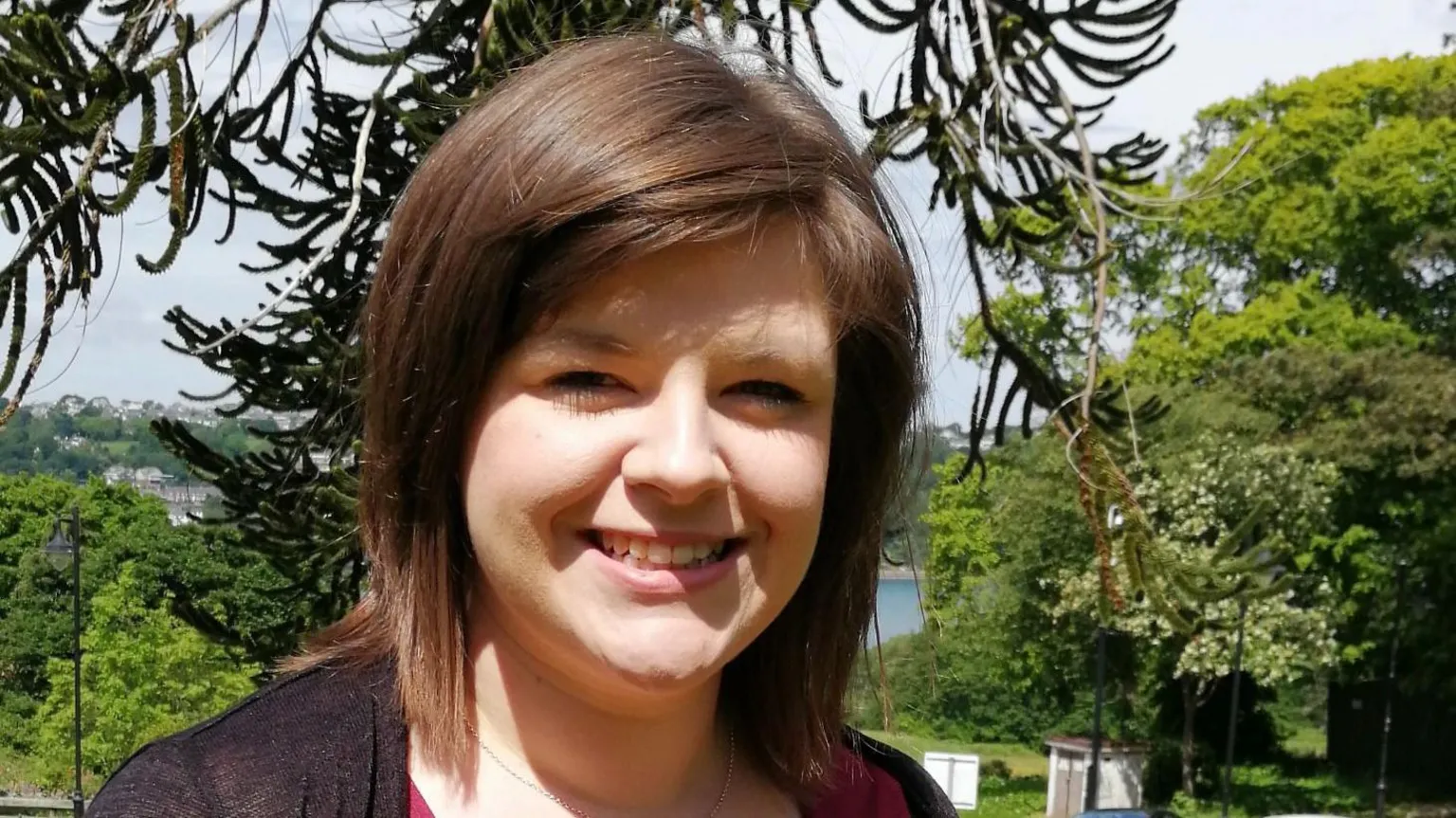
"But you don't sound Welsh" is a common response Sarah Luke, who hails from Flintshire near the English border, has encountered throughout her life when revealing her origins.
She is not alone, as many people from north Wales find their Welsh identity questioned due to their accent not fitting narrow stereotypes often portrayed on television, according to phonetics expert Dr Sarah Cooper.
Accents in Wales vary significantly when speaking English or Welsh, often differing from village to village. However, many people assume there is only one Welsh accent.
"I usually get 'are you from Chester?', occasionally 'near Liverpool' and I've even had 'are you from New Zealand?' in Vegas Airport, but never Welsh," Sarah Luke said.
She believes the "really strong south Walian accent" heard in TV shows like Gavin & Stacey, from personalities such as Sir Tom Jones, and characters played by Rhys Ifans, is regarded as the authentic Welsh accent.
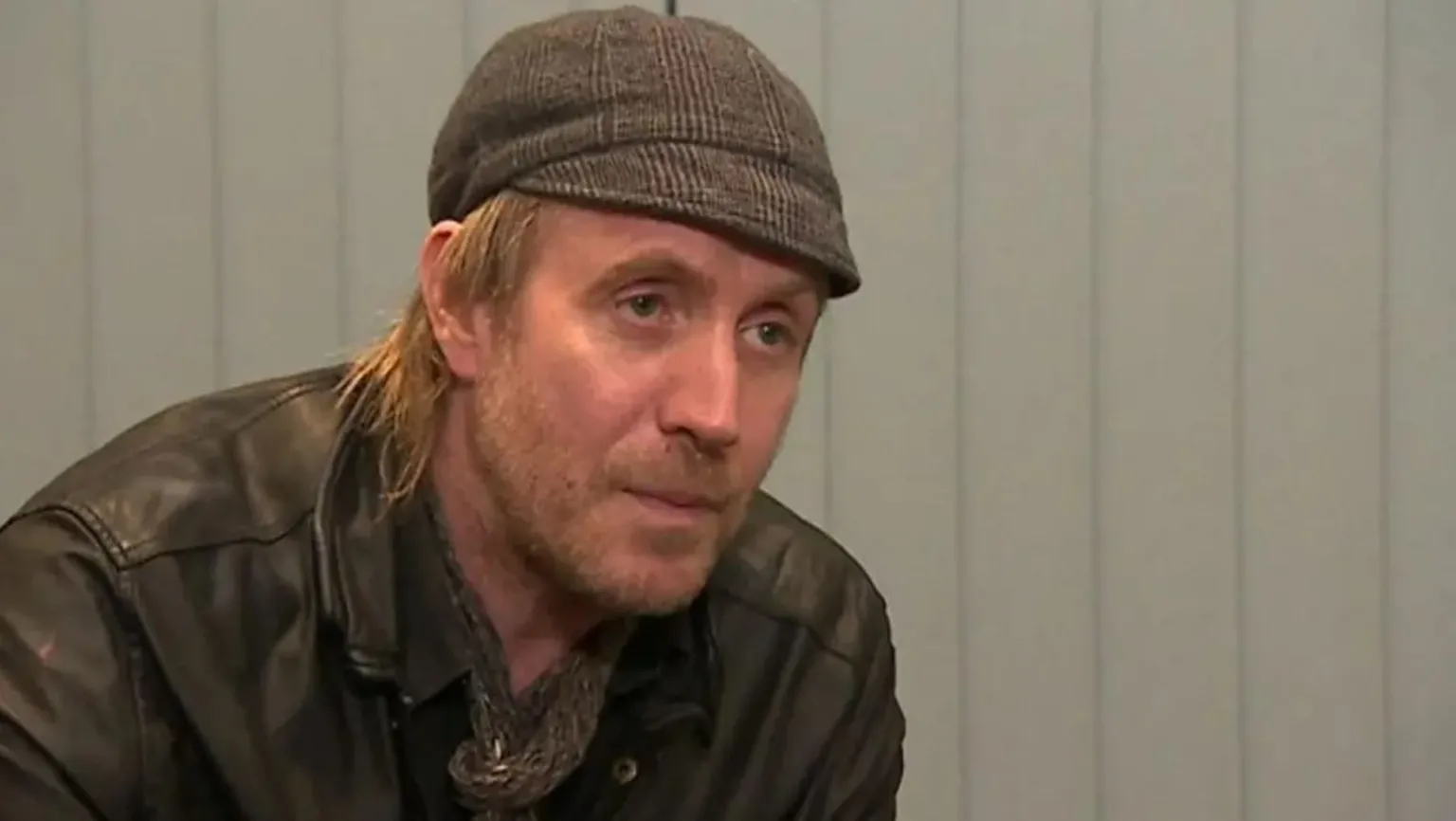
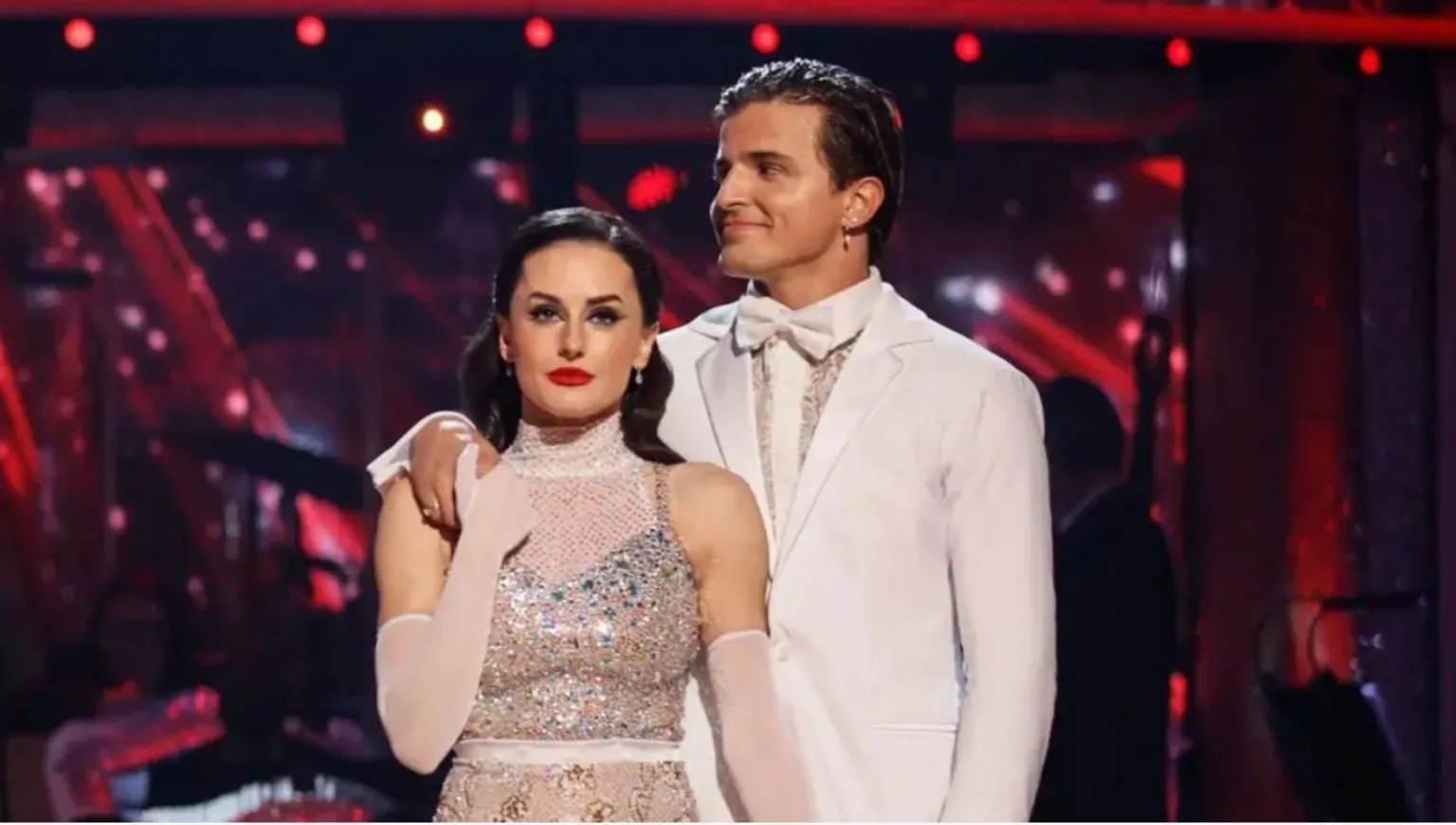
"We've had a few fairly big representatives over the years from north east Wales," added Sarah, an outdoor education instructor.
She cited examples including Amber Davies, Carol Vorderman, Lisa Scott-Lee, and Gary Speed, noting that their Welsh identity is often overlooked.
One of Sarah's first jobs was at a bar in Chester, where she worked alongside friends from Cheshire. She faced remarks such as "you live so close to the border, you may as well just say you're English."
"Which always puzzled me as Chester was closer to the Welsh border than my home was to the English border," she said.
"But they wouldn't consider themselves Welsh, so why should I consider myself English?"
For years, Sarah found such comments easier to ignore, but now she uses the Welsh language daily and actively promotes Welsh history and culture.
"When I was younger I used to just keep quiet and felt patronised and belittled," she said.
"As I grow older and learn more about our history, I'm more vocal."
Regional Accent Variations and Media Influence
Dr Sarah Cooper, who lectures in phonetics and bilingualism at Bangor University, explained that accents vary greatly by region and even between villages in Wales.
"Being told [someone] doesn't 'sound Welsh' says a lot about what the people they're speaking to are expecting when they are listening to them, rather than what it says about [their] identity," she said.
"For many speakers from north Wales, their Welshness might be questioned because their accent doesn't match the narrow stereotypes that are portrayed in the media."
Cooper attributes this to popular culture's powerful role in shaping expectations.

She warns that accent stereotypes can oversimplify Wales' rich linguistic diversity.
"Welshness is often tied to a south Wales valleys accent, because that's what people hear most often in the media," she added.
"This means that accent becomes treated as the default, so speakers from elsewhere in Wales are seen as less authentic in their Welshness."
Cooper emphasized that an individual's accent is closely linked to their identity, and being repeatedly told they don't sound Welsh can be alienating.
Stephen Rule and the 'Scelsh' Accent
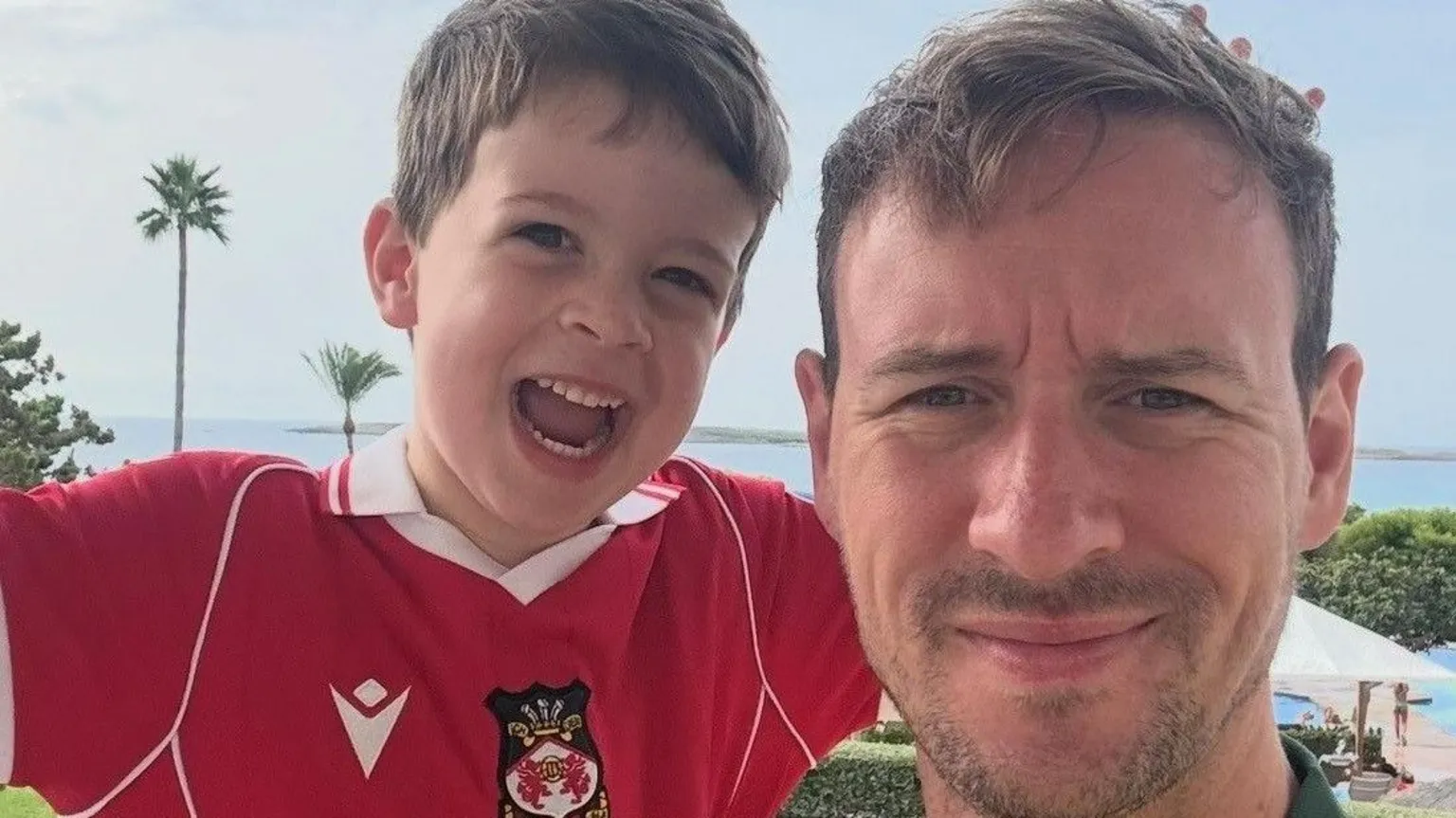
Stephen Rule, known online as Doctor Cymraeg, has gained a following discussing Welsh language and identity but notes that reactions to his accent are predictable.
"I'd say the lion's share… probably 90% of the people who comment on my accent will say 'you don't sound like you're Welsh'," he said.
Instead, he is often told he "sounds like a Scouser" or "Scelsh"—a hybrid accent combining features of Liverpudlian and Welsh pronunciation.
The Scouse accent was influenced by Irish and Welsh immigration into Liverpool as it developed into a major port.
Until the mid-19th century, Liverpudlians spoke similarly to their Lancastrian neighbors, but as the docks grew, accents and dialects mixed.
Cooper described the "Scelsh" label as interesting, showing how social attitudes about accents are shaped by community contact rather than strict geographic borders.
"I have a south Flintshire accent. Last time I checked, south Flintshire is in the confines of our beautiful country known as Wales," Rule responded to misidentification.
"Anything in Wales can be described with the adjective 'Welsh'. Therefore I have a Welsh accent, how mad is that?"
He uses the analogy that if a tree is in Wales, it is a Welsh tree.
Rule believes the underrepresentation of Wales in British media contributes significantly to these misconceptions.
"Whenever Wales is mentioned, the north east is one of the least mentioned of that," he added.
"So you're talking about the least mentioned of the least mentioned.
"I'm not saying that a valleys accent isn't a Welsh accent. It is. It is A Welsh accent, not THE Welsh accent."
While accent jibes are "very irritating and frustrating," for Rule they have inspired him to continue creating videos and to celebrate his way of speaking.
"It's almost inspired me to continue making videos, to keep doing this, and to be proud and to celebrate the way that I speak," he added.


