

The Custard Cream: Britain’s Iconic Biscuit
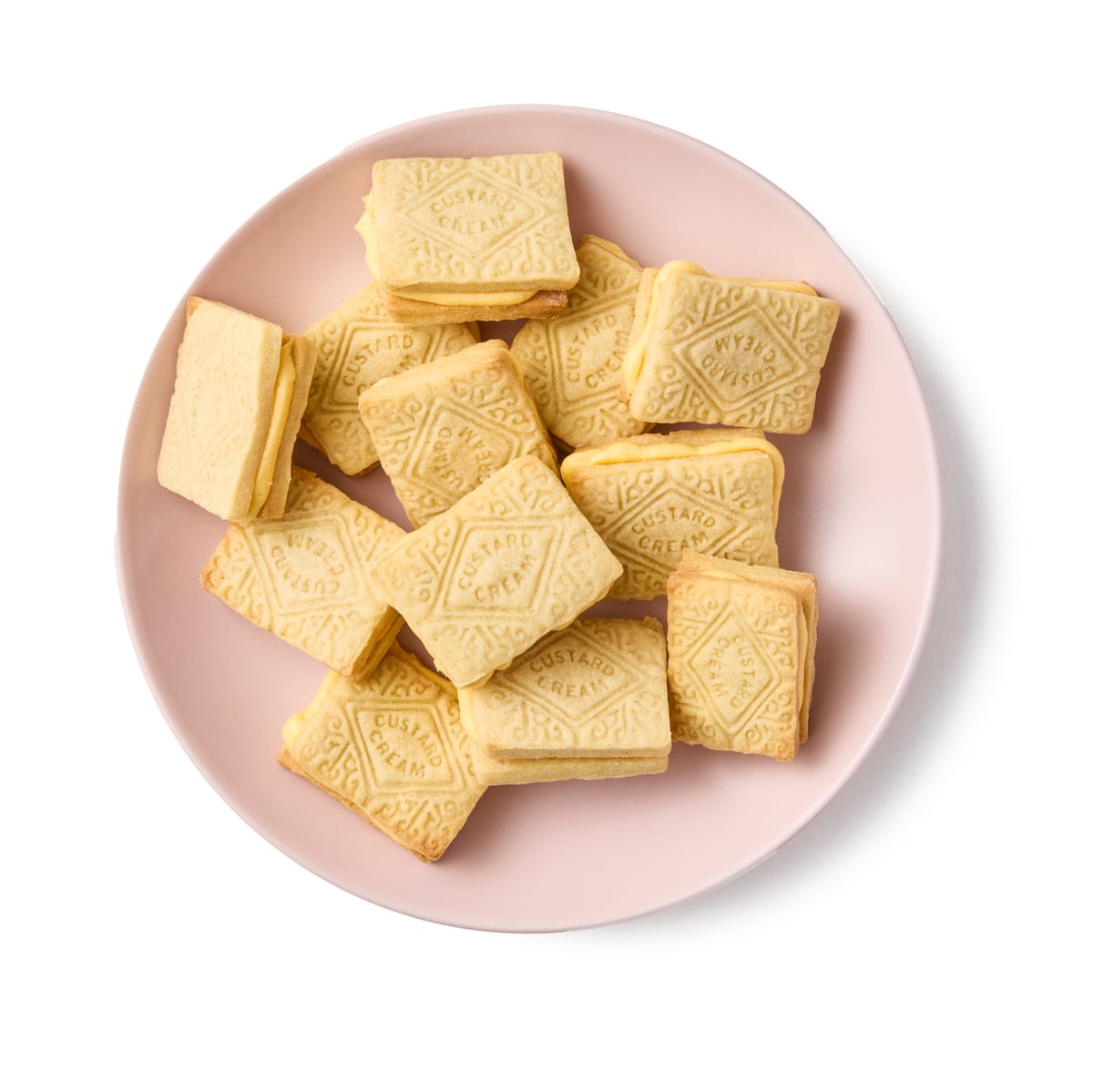
Though custard creams are commonly found in packets for just pennies, making them at home can transform this familiar biscuit into a remarkable treat. The custard cream is considered by many to be “arguably Britain’s most iconic biscuit,” a fern-patterned delight that has been dunked in tea for over a century. Early advertisements even placed it in the “fancy” category, perhaps aspirationally. By 1920, Bermondsey’s baking giant confidently declared the custard cream “far and away the most popular of all the cream sandwich biscuits.” This status remained strong for decades, only slightly challenged by the chocolate bourbon biscuit by the late 20th century.
Despite a personal fondness for custard and cookies, the author has often found the commercial custard cream to be overly sugary and somewhat dull. Historian Lizzie Collingham, in her authoritative book, explains that custard creams combine two early industrial food products: custard powder and machine-made biscuits. While these biscuits are factory-made, the author believes they are much better when baked at home.
The Biscuit
In the packet variety, the biscuit itself is often overlooked—the sugary filling is the main attraction, with children prising them open to scrape out the cream like bears licking honey from a split log. However, when baked at home, the biscuit can be just as important. The author aims for an upgraded version of the original custard cream rather than a biscuit merely inspired by it. This preference excludes Alison Niven’s recipe from her collection, which contains twice as much butter as the robustly plain biscuits in Regula Ysewijn’s work. Niven’s biscuits, popular with testers, have a short, crumbly texture characteristic of Australia’s melting moment biscuits. While delicious, they do not resemble traditional custard creams. Similarly, a recipe from Kitchen Projects Substack, which uses soft brown sugar and nutmeg, is considered too flavorful to be authentic.
The ideal biscuit should be snappy and crisp, with a subtle vanilla sweetness that does not overpower the filling. Ysewijn’s plain biscuit works well with the filling but tastes somewhat bland on its own. Prue Leith’s recipe from The Great British Bake Off: Kitchen Classics approaches the ideal, but for maximum crunch, the author chooses to omit custard powder from the biscuit dough. Although custard powder is beloved by many, it is essentially vanilla-scented cornflour, which, being gluten-free, softens the biscuit. Instead, a dash of vanilla extract is added to provide flavor without altering the texture.
Other ingredients such as brown sugar and vegetable shortening, used in some recipes like Nicola Lamb’s Feast book, retain moisture and reduce crispness. Baking powder, common in many recipes, creates a puffy rather than crunchy biscuit. The author recommends a simple dough of butter and sugar creamed together, then mixed with plain flour and a whole egg, to produce a satisfying snap that complements the sweeter filling without competing with it.
Rolling and Shaping
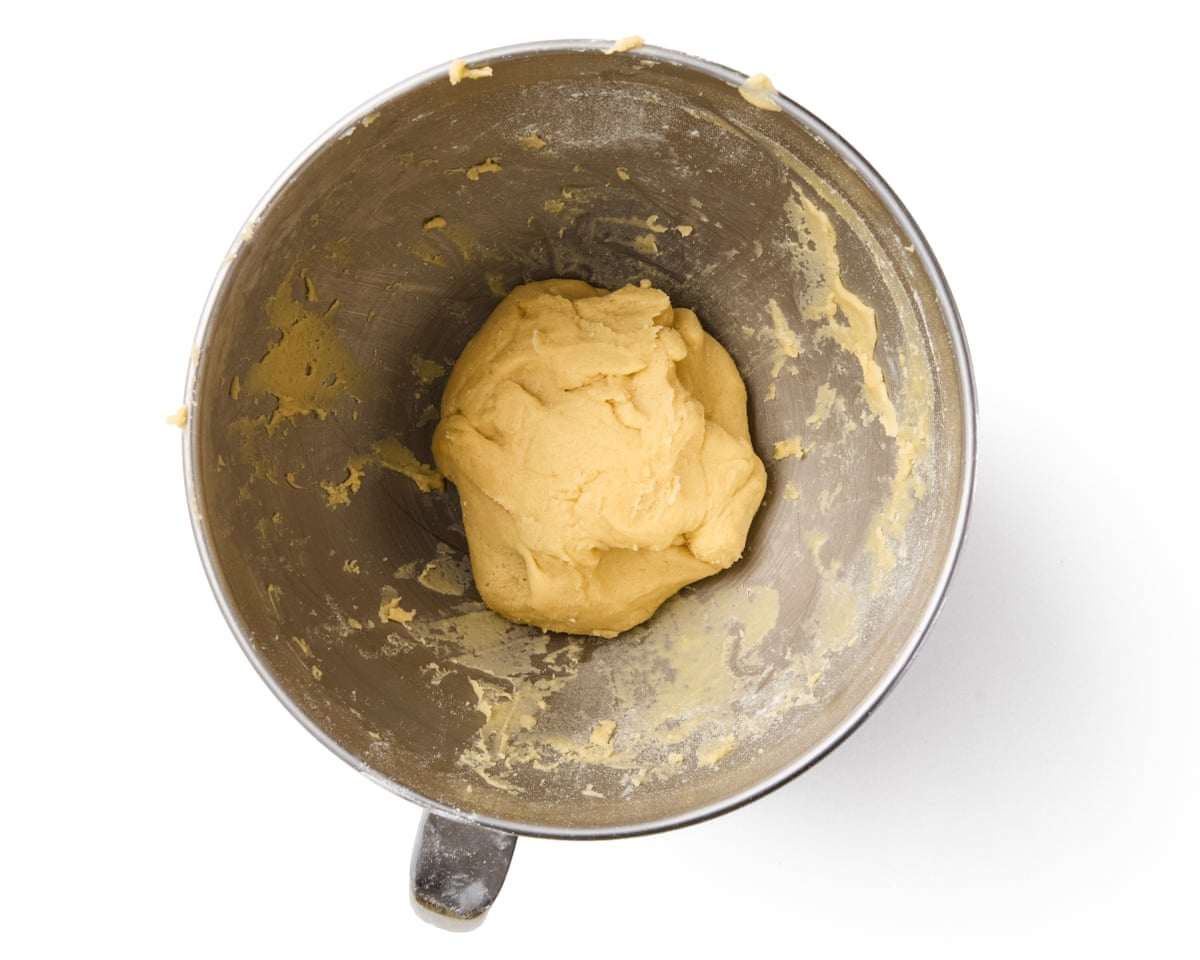
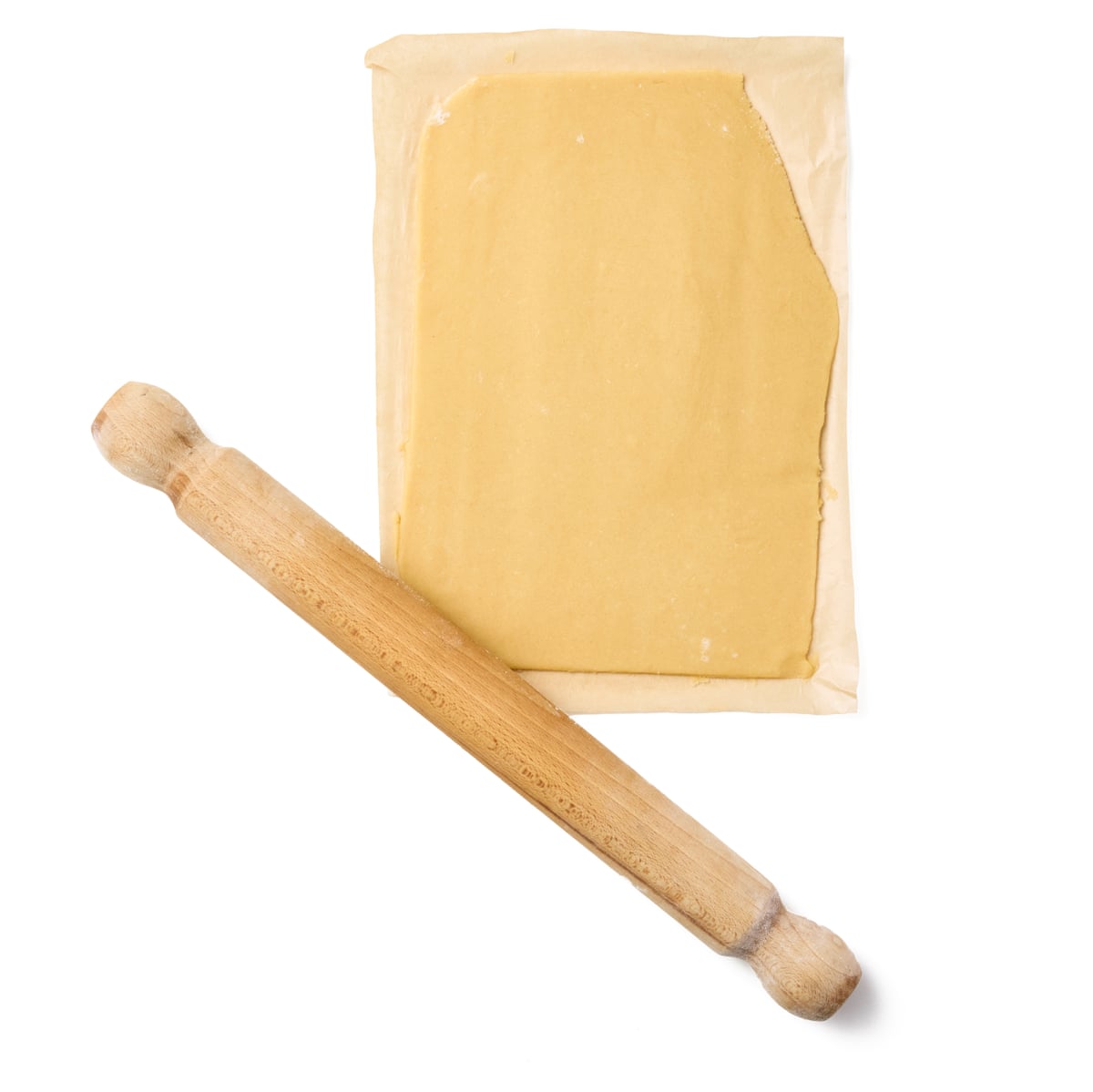
How the dough is handled is nearly as important as the ingredients. Rolling the dough to 3mm thickness, as advised by Leith, rather than the usual 4mm, results in a thinner, crisper biscuit. Lamb’s suggestion to freeze the dough briefly before cutting helps the biscuits maintain their shape during baking.
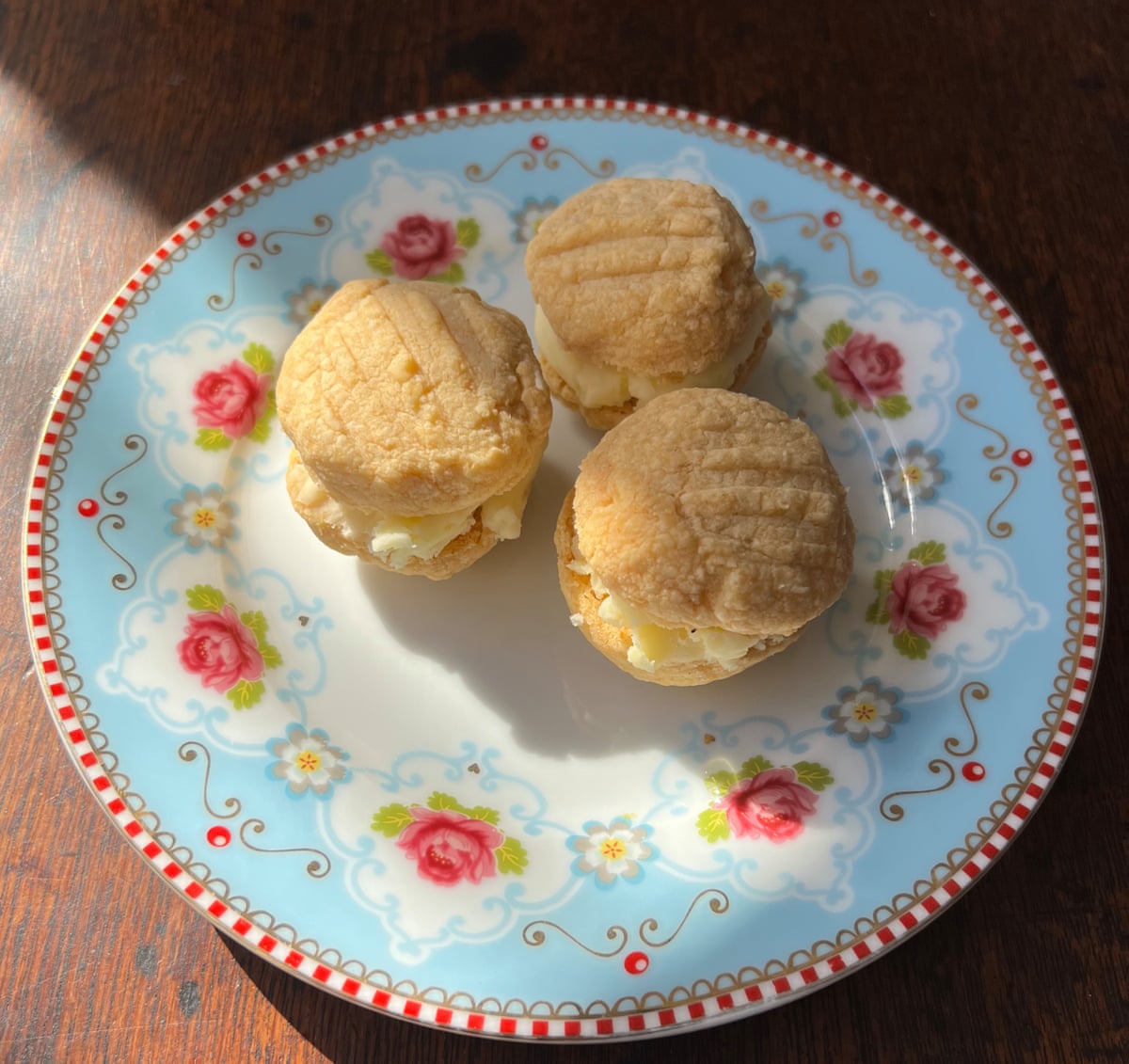
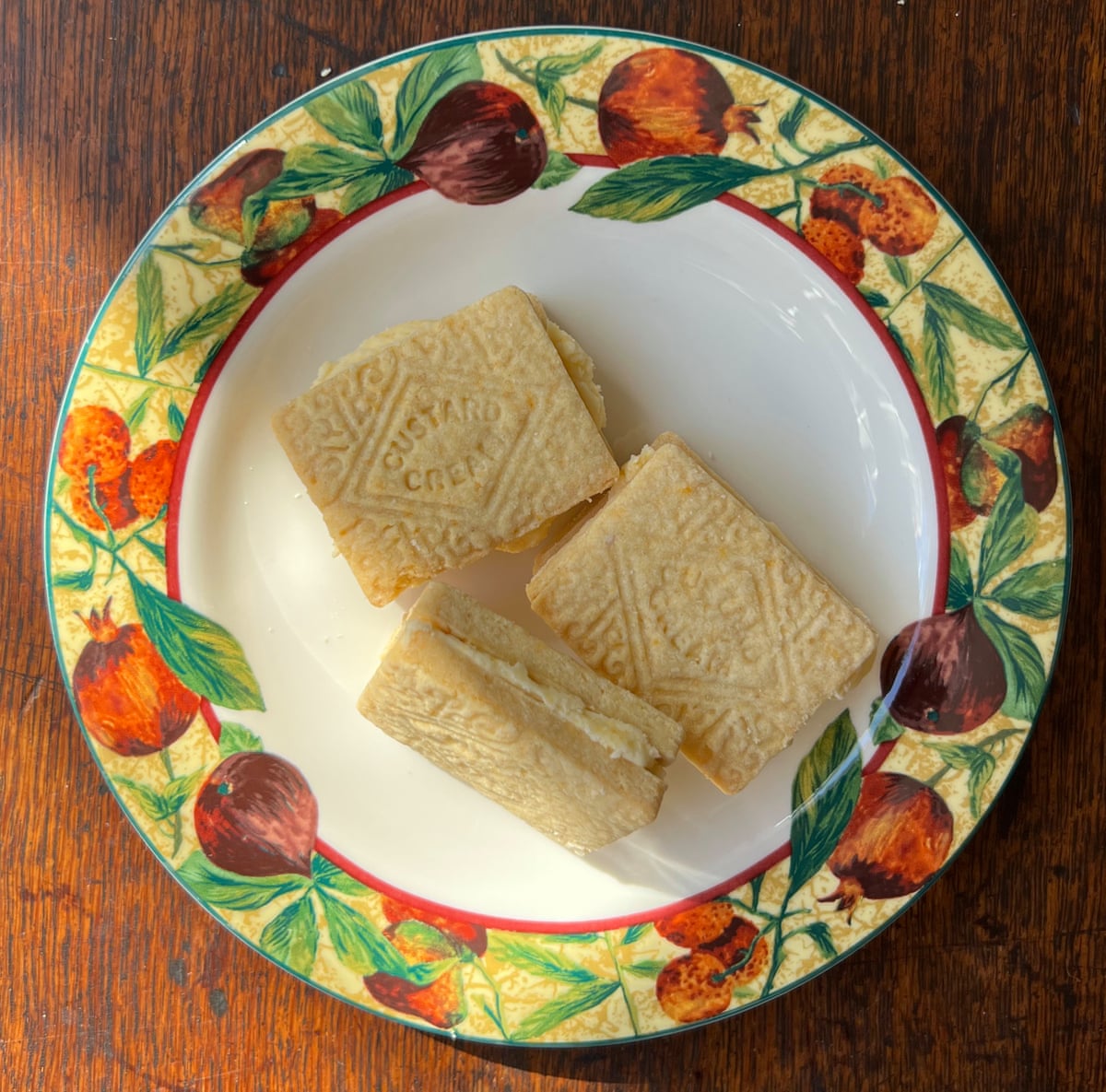
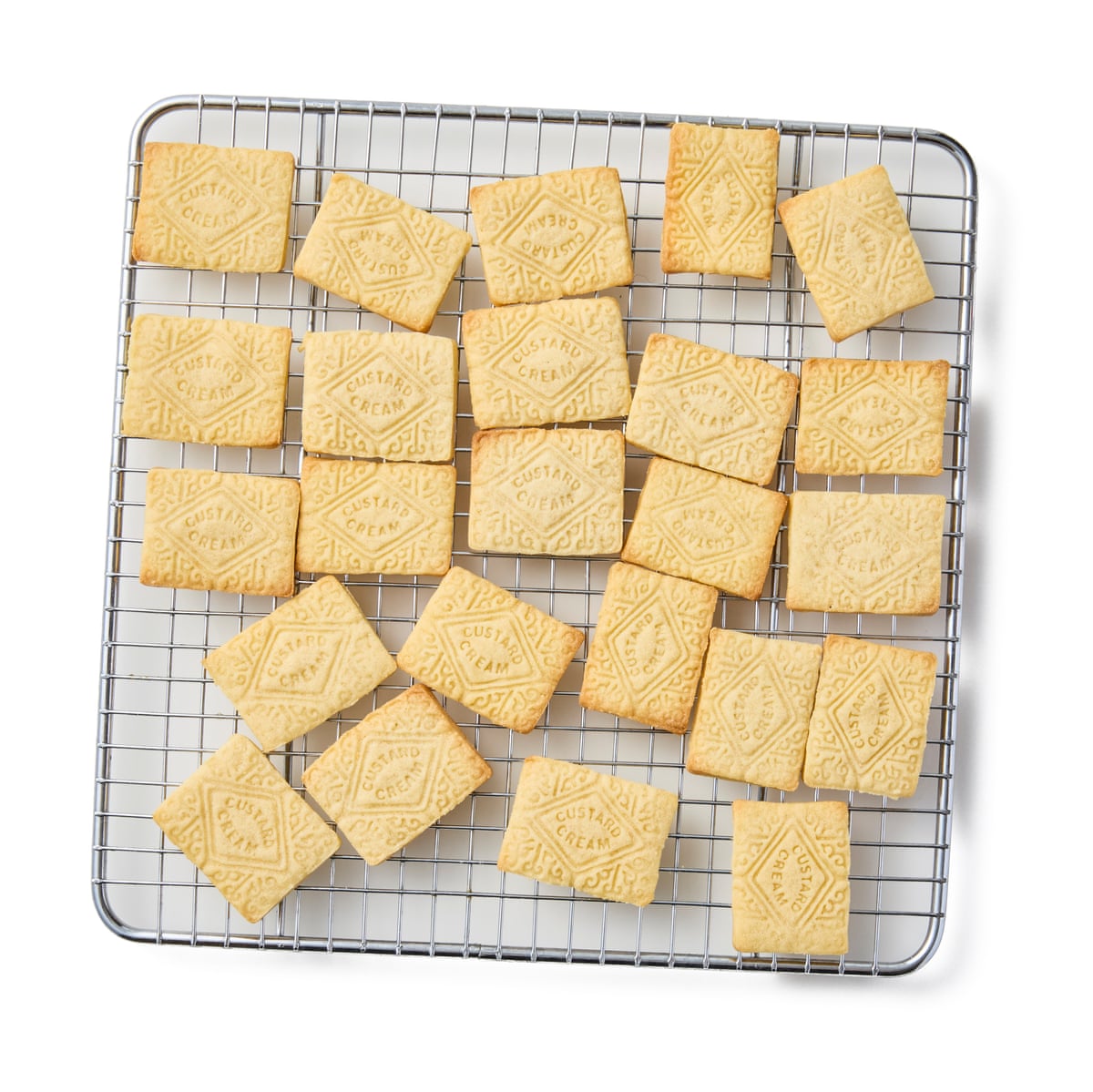
Lamb pipes her dough into clamshell shapes, while Lawson’s Valentine’s Day-themed recipe suggests hearts, though the author substitutes dog shapes due to lack of a heart cutter. Ysewijn recommends rectangles with a “baroque pattern” achieved by pressing lace or similar fabric into the dough. Niven rolls her dough into small balls. All these shapes are acceptable, but for authentic custard creams, investing in a special stamp to create the traditional fern pattern is recommended. These stamps are inexpensive and yield pleasing results.

The Filling
The filling is the most exciting component. Buttercream is the most common choice, though Leith’s recipe calls for a complex crème au beurre, involving hot sugar syrup beaten into egg yolks. While impressive, this rich filling is more suited to a French patisserie than a British tea table. The author avoids adding lemon juice and zest from Niven’s recipe or dark rum and nutmeg from Lamb’s, despite their appealing flavors. Instead, custard powder is used in sufficient quantity to justify the biscuit’s name. A pinch of salt is strongly recommended to balance the sweetness; Lamb and Ysewijn are the only ones to mention salt explicitly, but it is vital to prevent the biscuits from tasting one-dimensionally sweet like commercial versions.
For those inclined, piping the filling as Leith and Lamb do is an option, but the author prefers spreading it with a butter knife for simplicity.
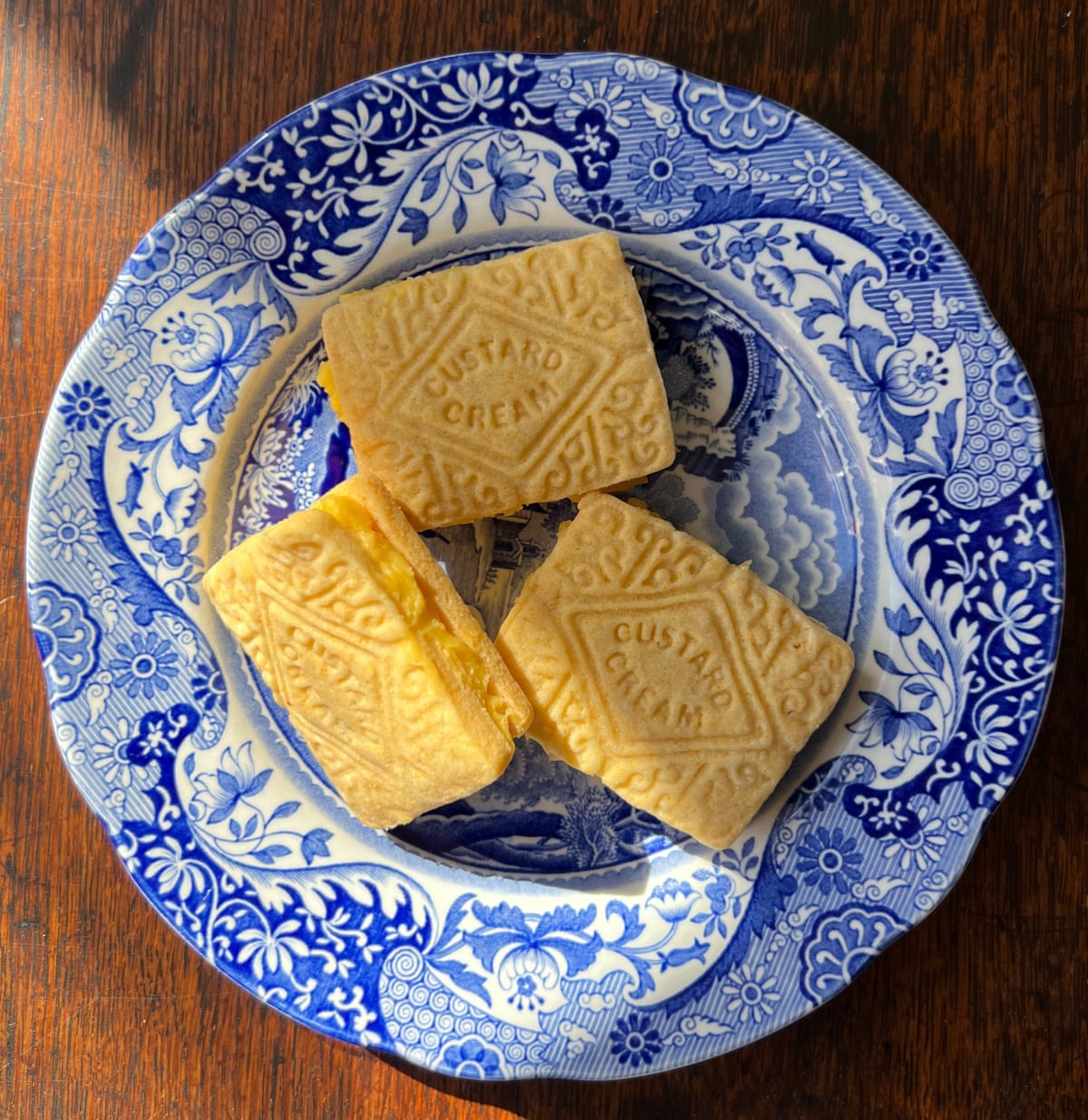
Perfect Custard Creams Recipe
Prep: 10 minutes
Chill: 30 minutes or more
Cook: 40 minutes
Makes: 20 biscuits

Ingredients
For the biscuits:
100g butter, at room temperature
85g caster sugar
1 egg, beaten
½ tsp vanilla extract
210g plain flour, plus extra for dusting
1 pinch fine salt
For the filling:
50g butter, at room temperature
85g icing sugar
25g custard powder
1 pinch salt
Warm milk (about 2 tsp), or water, to loosen
Method
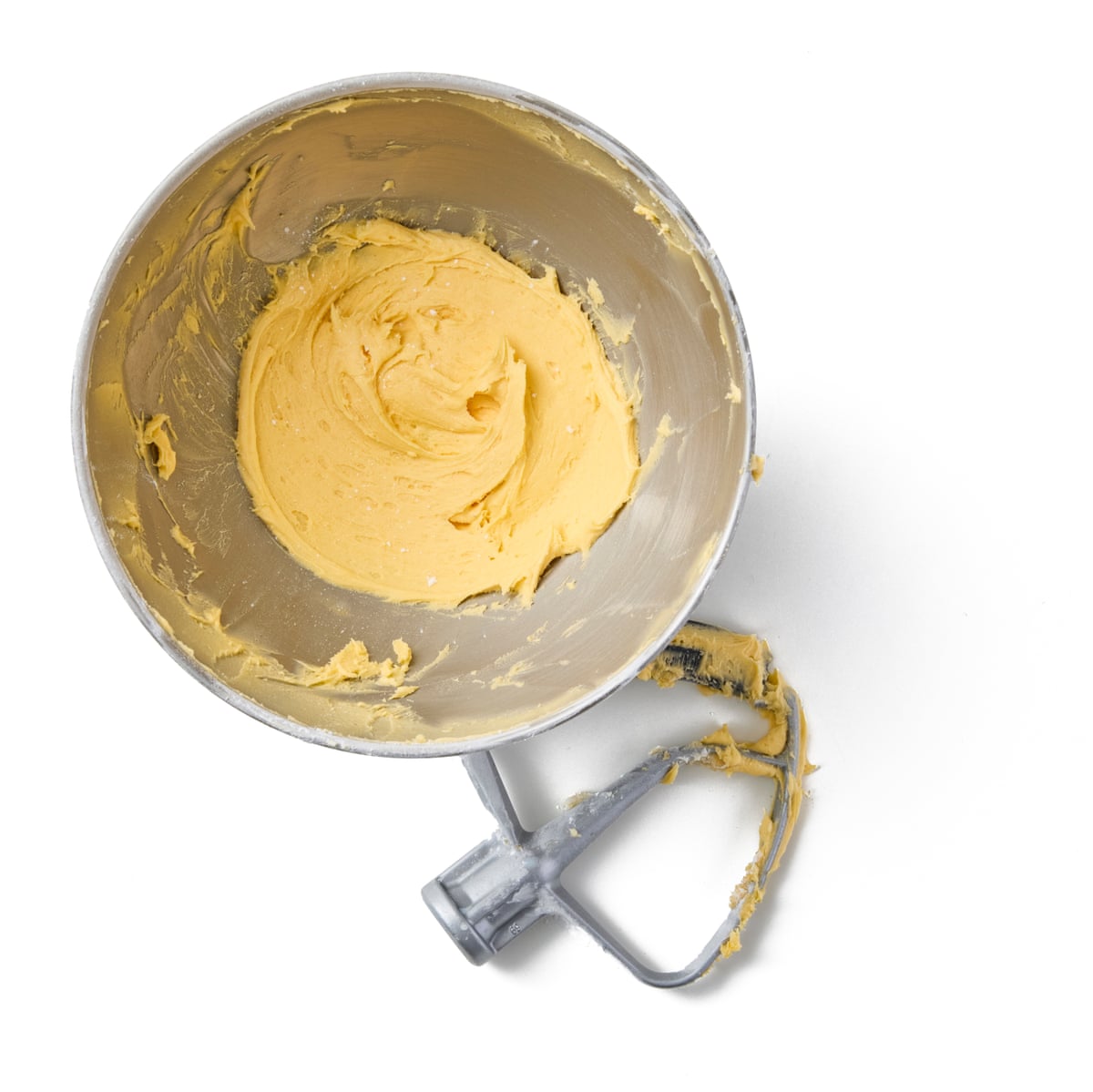
Dice the butter and place it in a food mixer. Beat briefly to soften, then add the caster sugar and beat until creamy and lightened in color. Scrape down the sides of the bowl a couple of times to ensure even mixing. Alternatively, use a large bowl and electric beaters.
Whisk the egg and vanilla, then gradually add this to the butter mixture while continuing to beat.
Once incorporated, sift in the flour and salt, then mix to form a firm dough. Using your hands is easiest.
Cut a sheet of baking paper to line a baking tray, place it on a work surface, and lightly sprinkle with flour.
Roll out the dough to about 3mm thickness, then lay it on the paper-lined baking sheet and freeze for 15 minutes or chill in the fridge for 30 minutes.
Use cutters to cut out biscuits in your desired shape. If using a stamp, lightly flour it first for better results. Arrange the biscuits on baking paper-lined trays and return them to the freezer or fridge while preheating the oven to 180°C (160°C fan)/gas mark 4.
Bake for approximately 14 minutes, until the edges just begin to turn golden. Remove and allow to cool completely.
For the filling, beat the butter in a food mixer or with electric beaters until softened. Sift in the icing sugar and custard powder, then beat again to combine.
Add a pinch of salt and about two teaspoons of milk or water as needed to achieve a spreadable consistency. Beat once more until fluffy and light.
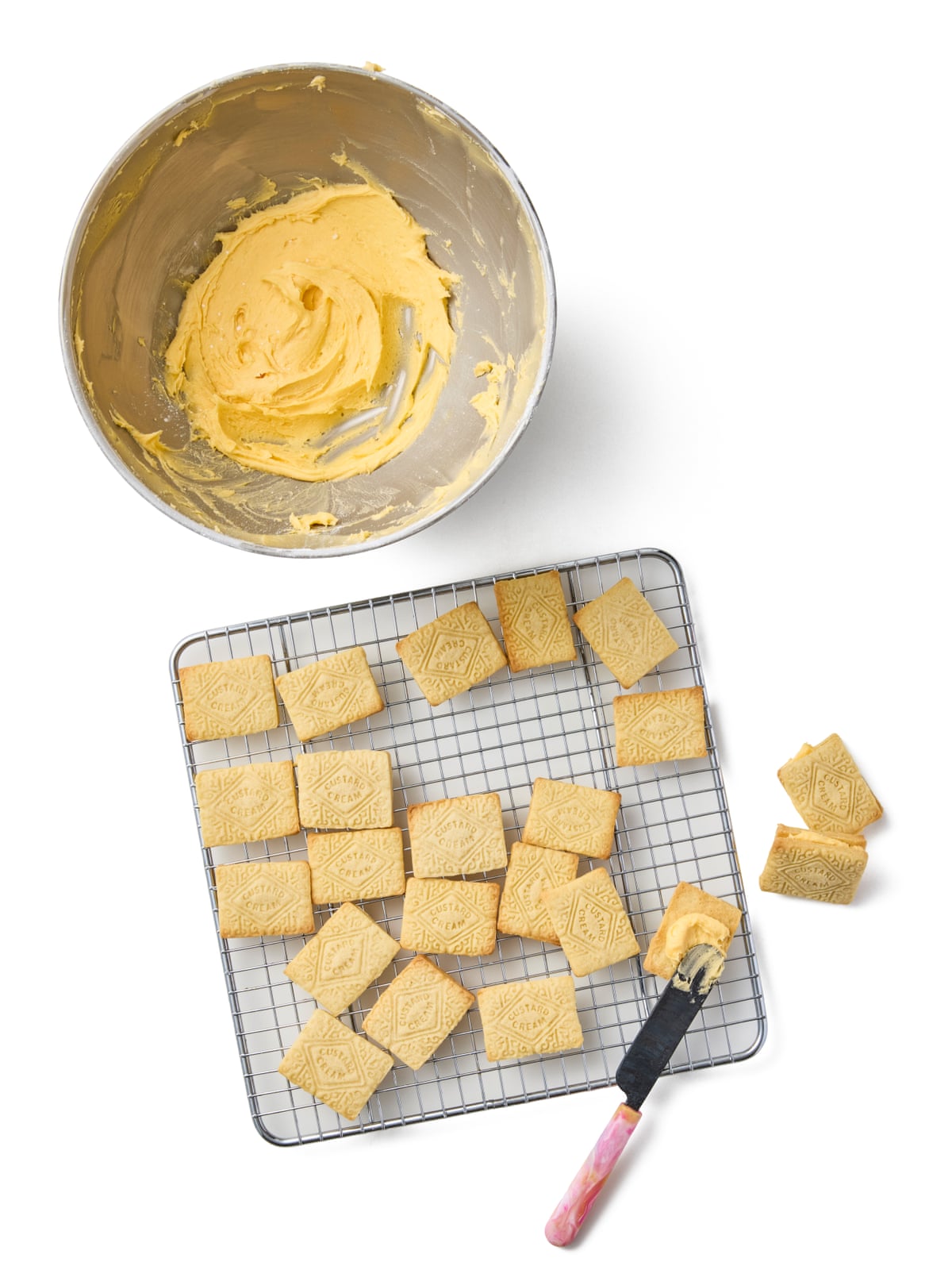
Spread the filling over the non-patterned sides of half the biscuits, then sandwich with the remaining biscuits. Store in an airtight container.
Conclusion
Custard creams hold a special place in the British biscuit hierarchy. Making them at home offers an opportunity to improve upon the commercial versions, especially by focusing on a crisp biscuit and a balanced, flavorful filling. For those who prefer other biscuits, the question remains which could benefit from a similar homemade upgrade.


