

Introduction
A few months ago, Nigel Ng, the Malaysian comedian known for his persona Uncle Roger, launched his first UK restaurant in London’s Chinatown. Ng has amassed over 10 million YouTube rs with his engaging videos, including tutorials on making fried rice and other dishes. Such a large following generated excitement among investors, who envisioned millions of customers eager to try the restaurant’s signature "Chinatown fried rice," priced at £15.90 per bowl. The prospect of 10 million diners multiplied by £15.90 suggested enormous revenue, prompting the decision to open a novelty restaurant. However, this optimistic business logic has led to questionable outcomes.
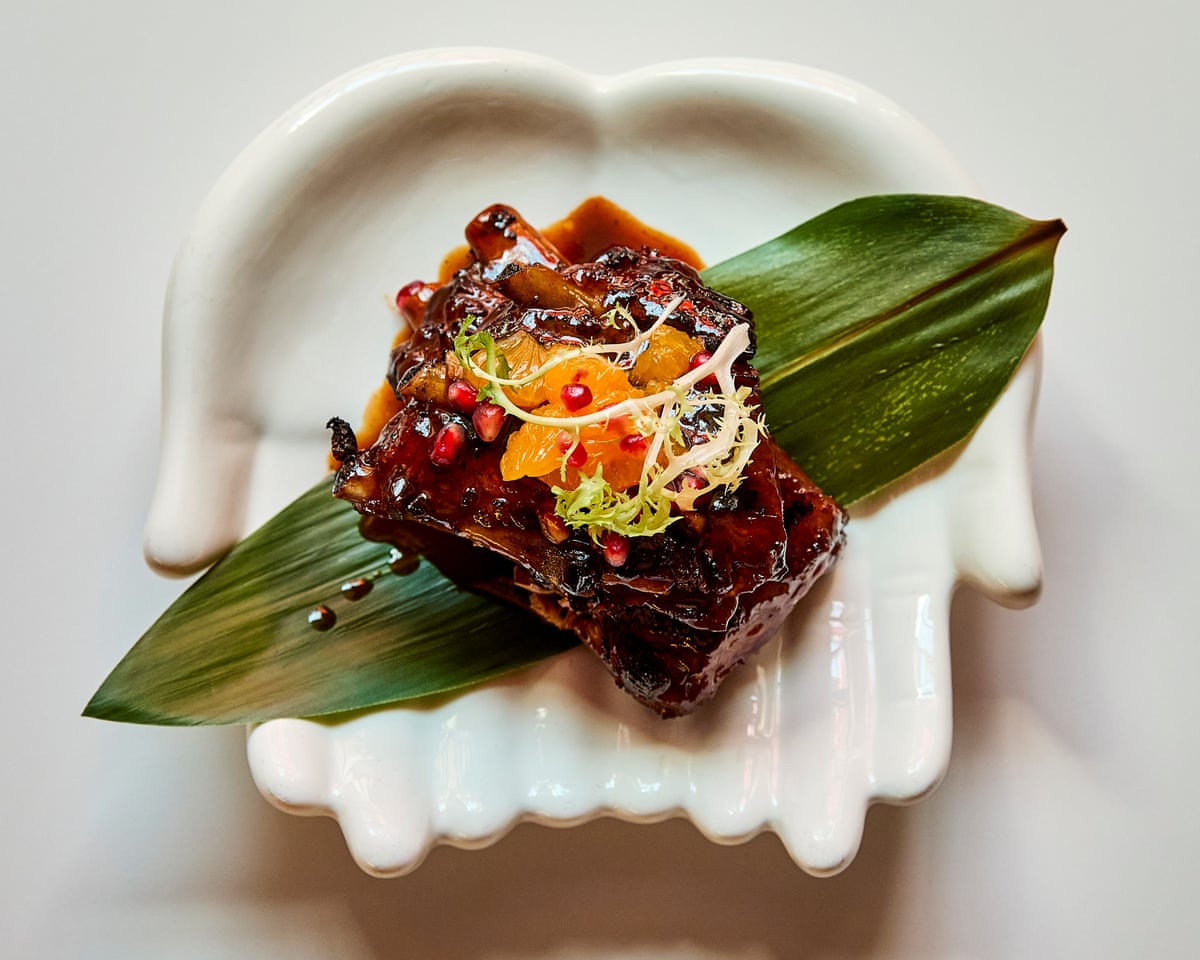
On a Thursday lunchtime, six weeks post-opening, Kawan was largely empty. Roger, who had already posed for photos on the steps, was no longer present. The staff, while very friendly, seemed resigned, akin to attendants rearranging sun loungers on a sinking ship. There were no enthusiastic Gen Z customers lining up for the "firecracker rolls," nor were there Gen X parents spending money to please Uncle Roger fans with dishes like the barbecued pork "aji-no-bun." The few patrons present were mostly middle-aged couples scrutinizing items such as the "choco-orange ribs," glazed with orange and chocolate, wok-seared, and inspired by Uncle Guga, one of Roger’s collaborators. This highlights a key issue with creating a restaurant based on inside jokes: it can feel like being handed a series of phones displaying memes that are either incomprehensible or outdated.
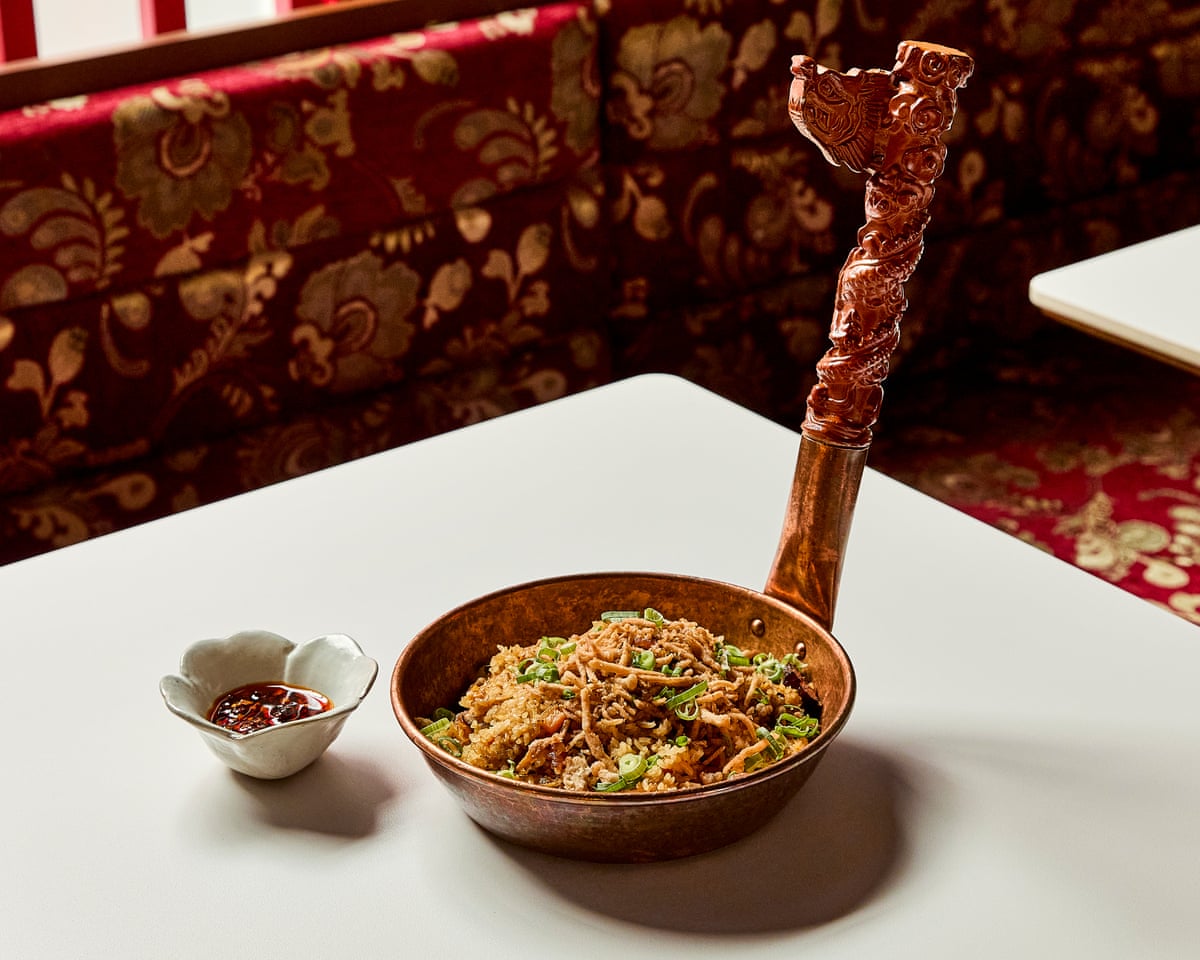
If the restaurant anticipated 10 million hungry rs, its facilities did not reflect this. The bathroom is a small, 1970s-style single toilet with a Tesco Value toilet duck nearby. This is not an intentional design choice. The stairway wallpapered with comic book pages already feels dated. The overall design is cold and stark, encouraging diners to eat quickly and leave. While reviewing the menu, a server brought a dish with a long, upright handle to a nearby table: the "fried rice from the village," described as "spicy balachan egg fried rice, seafood and vegetables," priced at £15.90. The server interrupted to emphasize repeatedly that customers should not hold the bowl by the handle, as it detaches easily and would cause the food to spill. This warning was given multiple times during the visit, suggesting it is a common issue. A guest remarked that it might be simpler to use bowls that do not come apart. The fried rice itself was very good, but London’s Chinatown already offers many excellent fried rice options.
Menu Structure and Dishes
The menu is divided into four sections: "For Niece & Nephew," featuring small plates and sharing dishes; "Uncle Roger’s Takes on British Classics," which includes a £28.90 "Chinese wellington" and "fish and chips not inspired by Jamie"; "Rice/Noodles"; and "Happy Ending," a dessert selection including £8.90 "sizzling blue milo" dumplings.

The British classics section references Uncle Roger’s nemesis Jamie Oliver and Gordon Ramsay, whom Roger appears to admire. These dishes might be expected to offer inventive twists on traditional fare. For example, the choco-orange ribs combine elements that seem promising: duck à l’orange demonstrates that citrus pairs well with rich meats, many Asian dishes incorporate sweet orange flavors, and chocolate orange is a distinctively British taste. The concept suggests a winning combination, with Uncle Roger seemingly poised to succeed. However, the dish fails dramatically. The ribs are coated in a strange brown sauce that is neither chocolate nor orange but rather a vague umami sludge.
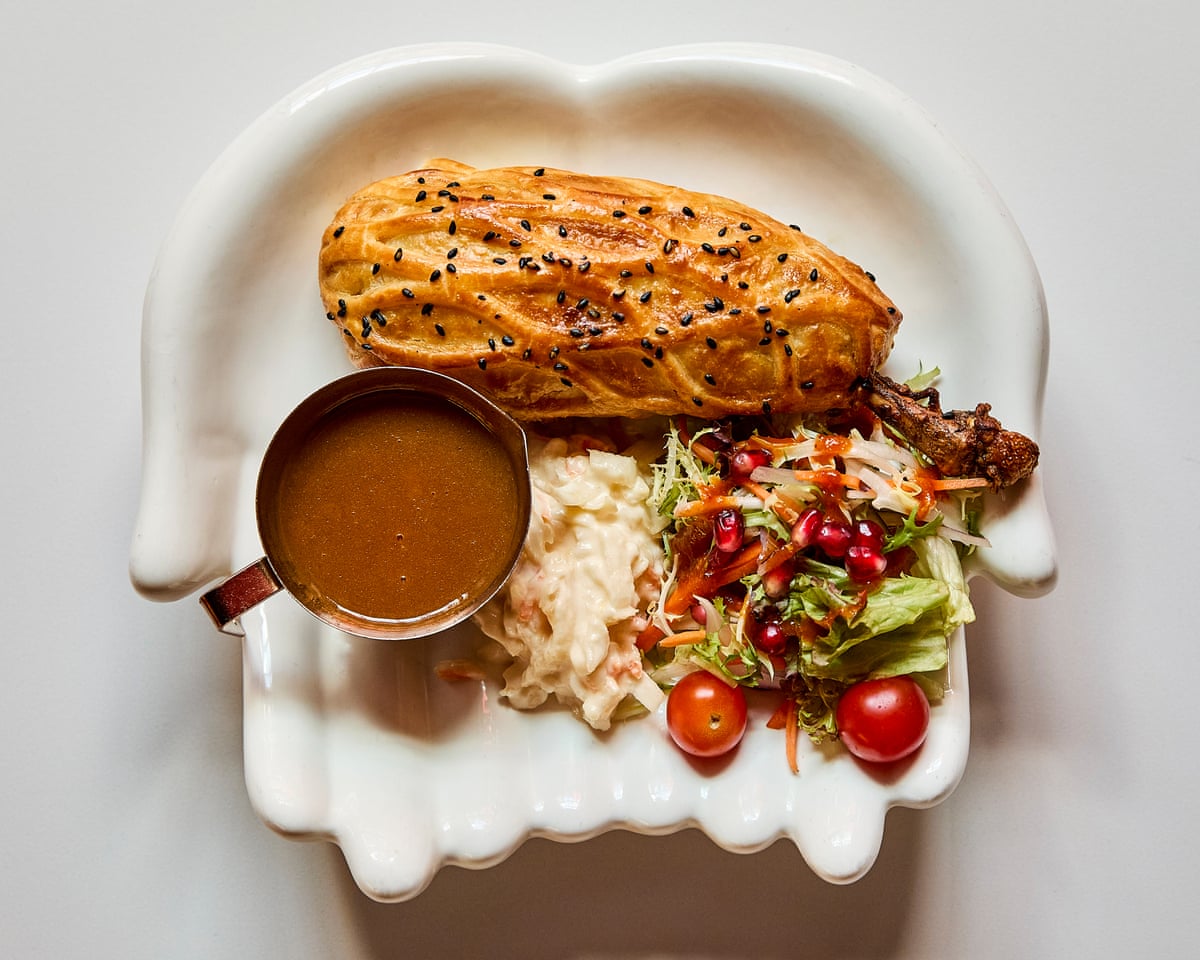
The Chinese wellington is even more unusual: it consists of pastry-wrapped chicken accompanied by a small portion of chopped iceberg lettuce and cherry tomatoes, a thin, vinegary coleslaw reminiscent of corner shop varieties, and a jug of pale brown gravy. The intended audience for this dish is unclear. It is unlikely to appeal to children and may only be tolerated once by adults.
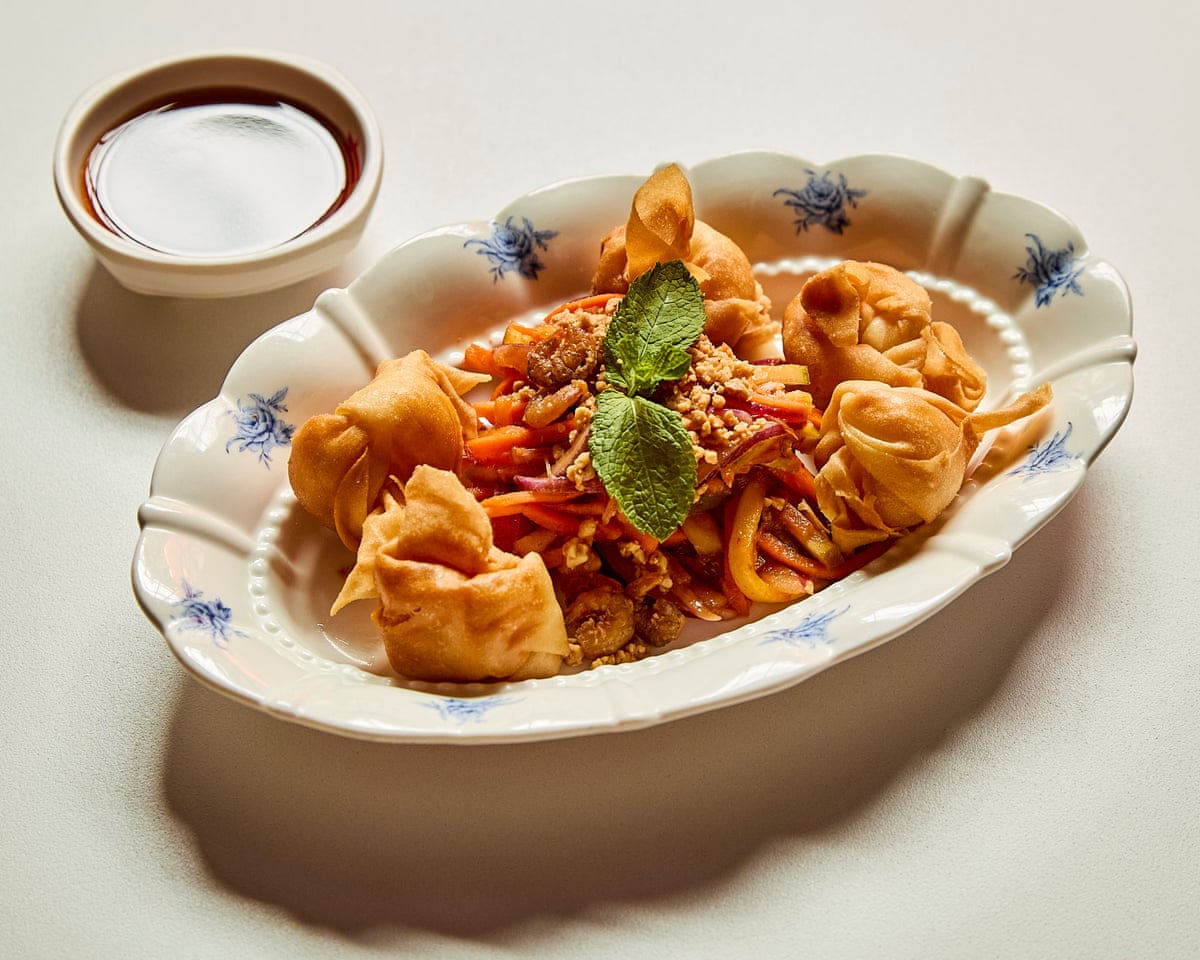
The "golden parcel" wontons were ordered as well. They evoked the quality of Marks & Spencer party food and were served on a salad primarily composed of red onion. The dish left diners feeling uncomfortable and restless, akin to children in detention eager to leave. Across the room, a woman was observed poking at her electric blue pudding dumplings with an expression resembling disapproval.
Conclusion
When it was time to pay, the experience felt more like a joke than a satisfying meal.
Location: 12 Macclesfield Street, London W1 (no phone). Open daily from noon to 10:30 pm. Prices start at approximately £40 per person, excluding drinks and service.


