

Challenges Faced by Working-Class Writers
A journalist has authored a book addressing the challenges encountered by working-class writers, inspired by her own experience of being forced out of the journalism industry due to financial constraints.
Kate Pasola, from Prudhoe, Northumberland, expressed her familiarity with the "class ceiling" in writing, initially believing that dedication and internships would lead to success.
"But, what I realised, as my own career moved forward, was that some people were falling away from their calling because they couldn't afford to do it," she said.
Research by the Creative Mentor Network indicates that the proportion of working-class individuals in creative professions has halved since the 1970s. Additionally, the Sutton Trust reports that only 10% of writers come from working-class backgrounds.
Pasola, who temporarily left journalism due to the cost-of-living crisis, first recognized socioeconomic barriers during her university years.
"I was surrounded by people who'd mostly gone to private schools and most of them weren't very interested in me once they got to know even a couple of things about me," she recalled.
"They'd ask what school I'd gone to when I replied, 'you know, just like the local comprehensive,' their eyes would just sort of glaze over."
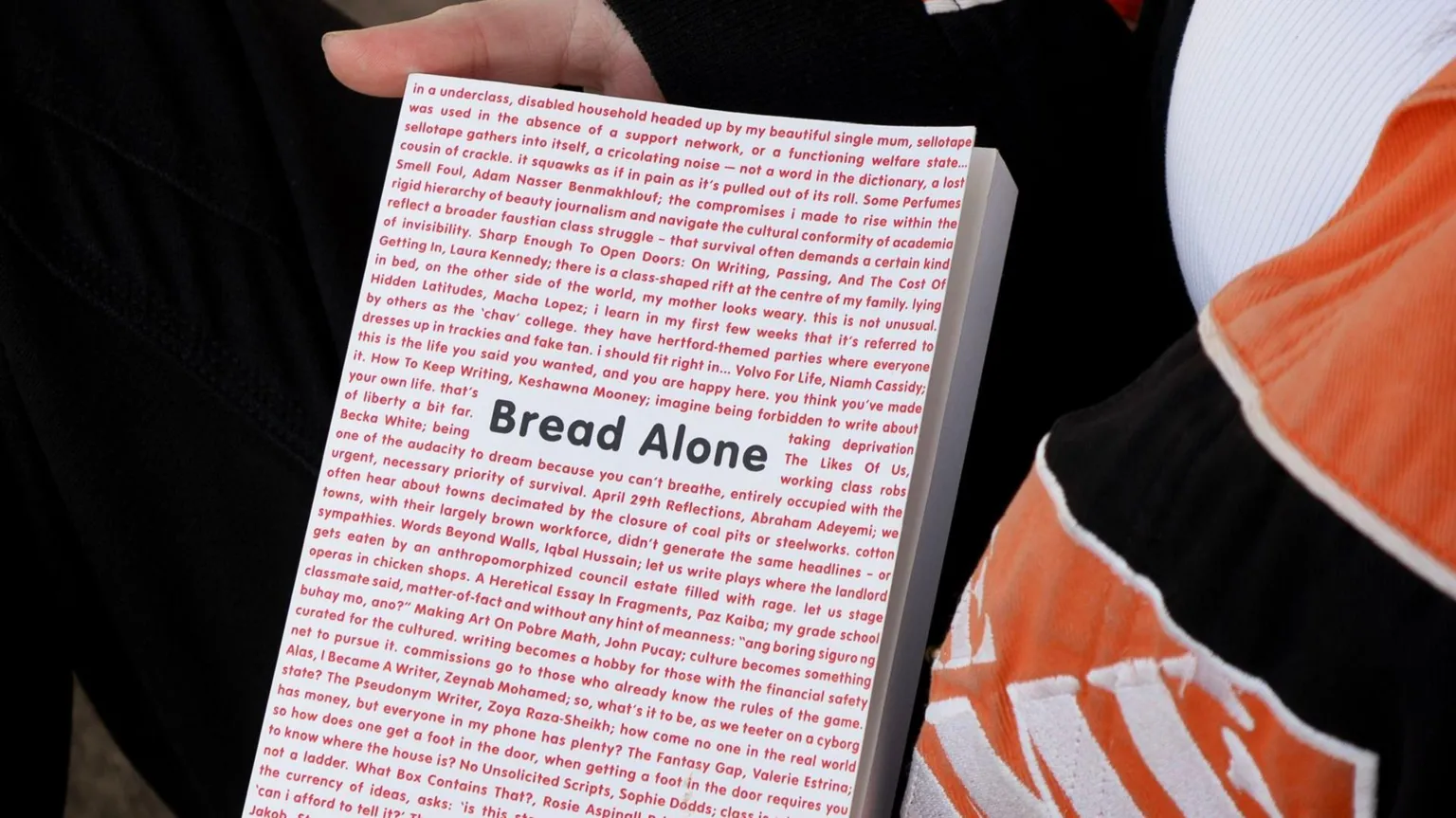
Bread Alone: A Collection Highlighting Class Barriers
Pasola edited and curated Bread Alone: What Happens When We Run Out of Working-Class Writers, a book confronting these issues.
The collection comprises 33 essays that explore institutional obstacles faced by individuals from lower socioeconomic backgrounds.
"When an opportunity came along to curate a collection of essays, the first word that just fell out of my mouth was 'class'," she explained.
"I always knew that I wanted [it] to be something that included many voices giving many different perspectives on the topic, because obviously it's such a multi-faceted issue in the UK and globally."
Industry Perspectives and Support Initiatives
A survey conducted by business magazine The Bookseller found that nearly 80% of people from working-class backgrounds felt that class had negatively impacted their careers. Charities such as Newcastle-based New Writing North are actively working to dismantle these barriers.
Claire Malcolm, founder of New Writing North, noted that additional pressures like the cost-of-living crisis are exacerbating difficulties for aspiring writers.
"I think a lot of people get put off very early on because they don't see any role models or people like them in some of the places they look," she said.
"So it's hard to be it if you can't see it."
Last year, New Writing North launched The Bee, a literary publication focused on working-class experiences, funded through their programme A Writing Chance.
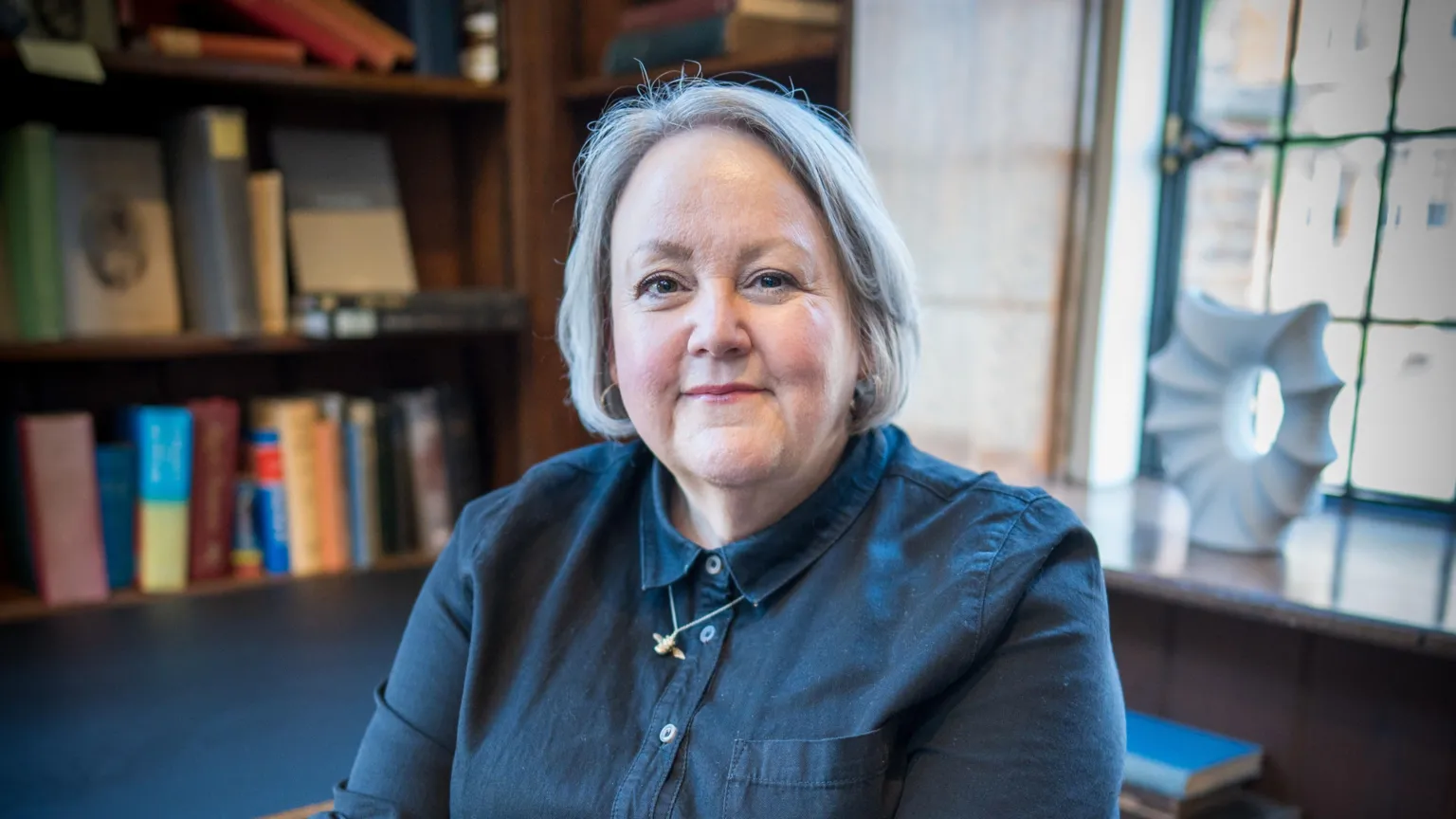
Malcolm emphasized the importance of amplifying these voices as they influence perceptions of who is deemed suitable to shape culture in the country.
"You don't see working-class or northern voices represented well in the national media and that creates a deficit," she stated.
Representation and Cultural Enrichment
For Pasola, representation is only the beginning.
"If you don't give platforms for those stories to be told, then the cultural landscape just becomes a very dull, homogeneous place.
Sometimes we get caught up in talking about why we need to include people from the North East, or people from working-class backgrounds, for the 'sake of the arts', but voices from working-class backgrounds have always enriched culture for the better because they have different stories to tell."
Follow BBC Newcastle on X, Facebook, Nextdoor and Instagram.


