

Introduction
Witch, whore, villain – few women have been as vilified throughout history as Cleopatra VII. Ancient sources, often dismissive and steeped in exoticism and seduction, have distorted her legacy. Yet, her name endures far beyond those who wrote about her. While many may not recognize Plutarch, Cleopatra’s name still sparks recognition and fascination.
My own fascination began in childhood when my teacher asked me to draw Cleopatra. I chose the brown crayon, a color seldom used, to depict her face, reflecting my own features and skin tone.

Personal Connection and Academic Pursuit
Years later, studying for a master’s in African studies at SOAS, I sought to understand my feelings of displacement as someone of Ghanaian, Sudanese, and British heritage. I was curious about why the younger version of myself felt a connection to Cleopatra. My interest was not in debating the shade of her skin, a topic widely discussed, but in exploring why I felt linked to her.
Cleopatra lived closer to my birth than to the era of the pyramids, which were already ancient and defaced in her time. Delving into research, I discovered Cleopatra was a scholar, a polyglot fluent in at least eight languages. Later texts mention her interest in alchemy and healing remedies, suggesting she may have published her own research.
The Myth and Its Origins
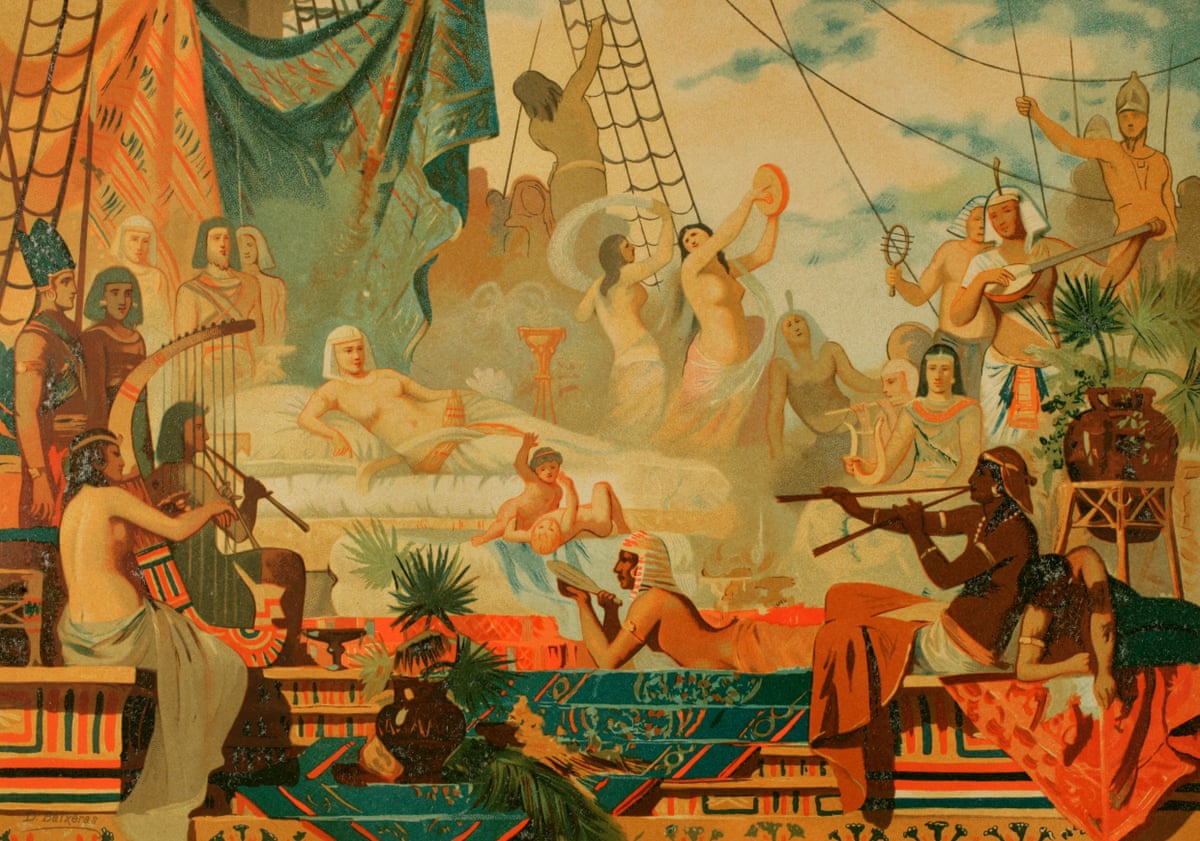
Tracing Cleopatra’s myth through history, I found her story woven through poems, plays, films, and video games, expanding well beyond historical fact. Her image as a seductress, an enchantress, and a woman of extravagant wealth—such as the tale of dissolving a priceless pearl in vinegar—has been perpetuated by cultural portrayals and ancient sources alike.
However, primary sources from Cleopatra’s time are scarce. Plutarch, whose accounts influenced Shakespeare’s works, wrote over a century after her death. Other Roman historians like Suetonius, Appian, and Dio also wrote posthumously, their narratives shaped by Roman political interests and misogyny. They portrayed her as a "meretrix regina" (harlot queen) to undermine her intelligence and strategic acumen.
Challenges in Research and Writing
My academic journey inspired me to write historical fiction about Cleopatra. Yet, the sources I found were rife with propaganda and court gossip. Cleopatra represented the antithesis of Roman values: opulence, femininity, and defiance. The pearl story, for example, served to glorify Roman restraint over Egyptian luxury.

Ancient sources outside the Greco-Roman world are minimal. To add complexity to Cleopatra’s multicultural life, I needed to look beyond surviving texts shaped by men intent on discrediting her. This posed a challenge: where does one seek history beyond written records?
I realized that "pure" history does not exist; like fiction, it is always shaped by narrative. This insight led me to consider using my own experiences and those of women around me to fill the gaps in Cleopatra’s story. My research turned inward, and I recognized that the book I wanted to write was not historical fiction but a memoir.
The Memoir and Its Themes
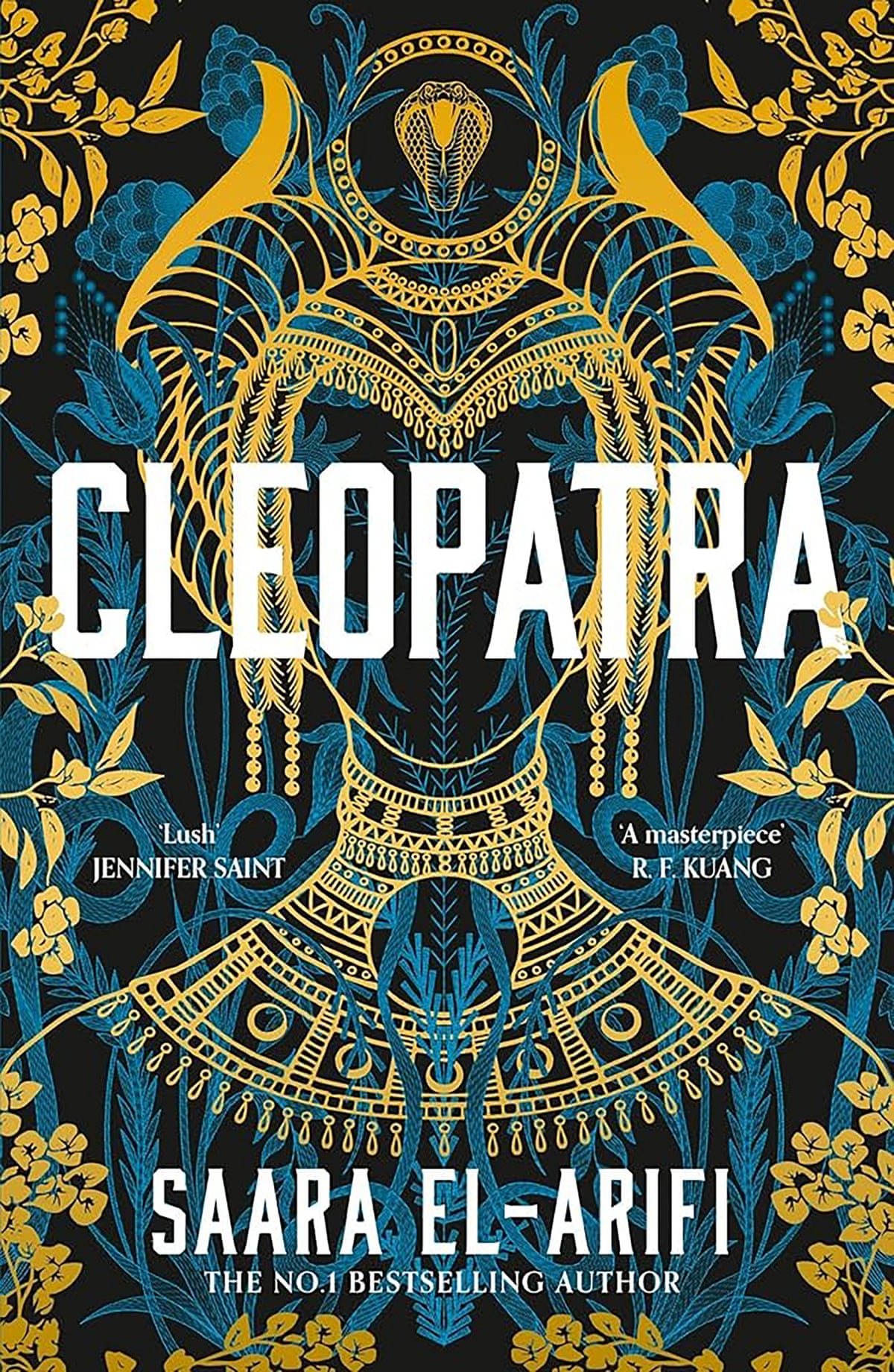
The novel developed rapidly. During editing, I saw my own experiences reflected in the narrative. Cleopatra’s struggles with early motherhood resonated deeply as I wrote shortly after giving birth to my son. Though I have never governed a country, I understand the challenge of asserting oneself in male-dominated spaces.
My portrayal of Cleopatra refuses to silence her. She is thoughtful and cunning, with a sharp intellect often overlooked. Her journey from uncertainty to confidence is one I relate to. She strives to lead in a world where men are more likely to heed her young son than her. Her mistakes humanize her, showing her as a queen doing her best amid adversity.
Legacy and Contemporary Relevance
Cleopatra’s story is one of a woman othered, misunderstood, and mistreated—a narrative familiar to many women today. Despite the millennia that separate us, our worlds share troubling similarities. Governments increasingly threaten democracy and women’s rights, echoing the authoritarianism of ancient kingdoms. I wonder if the Roman insignia silenced Cleopatra as the St George’s flag does me.
Yet Cleopatra teaches resilience is timeless. Though victors write history, they cannot erase memories. We will remember and endure.
"Her name has permeated through time with far more recognition than the men who wrote about her."
"The victors may write history, but they cannot take our memories. We will remember. We will endure."


