

A Lifetime Collection of Two Million Books
Two million books, housed across a sprawling building, free for anyone to borrow and read.
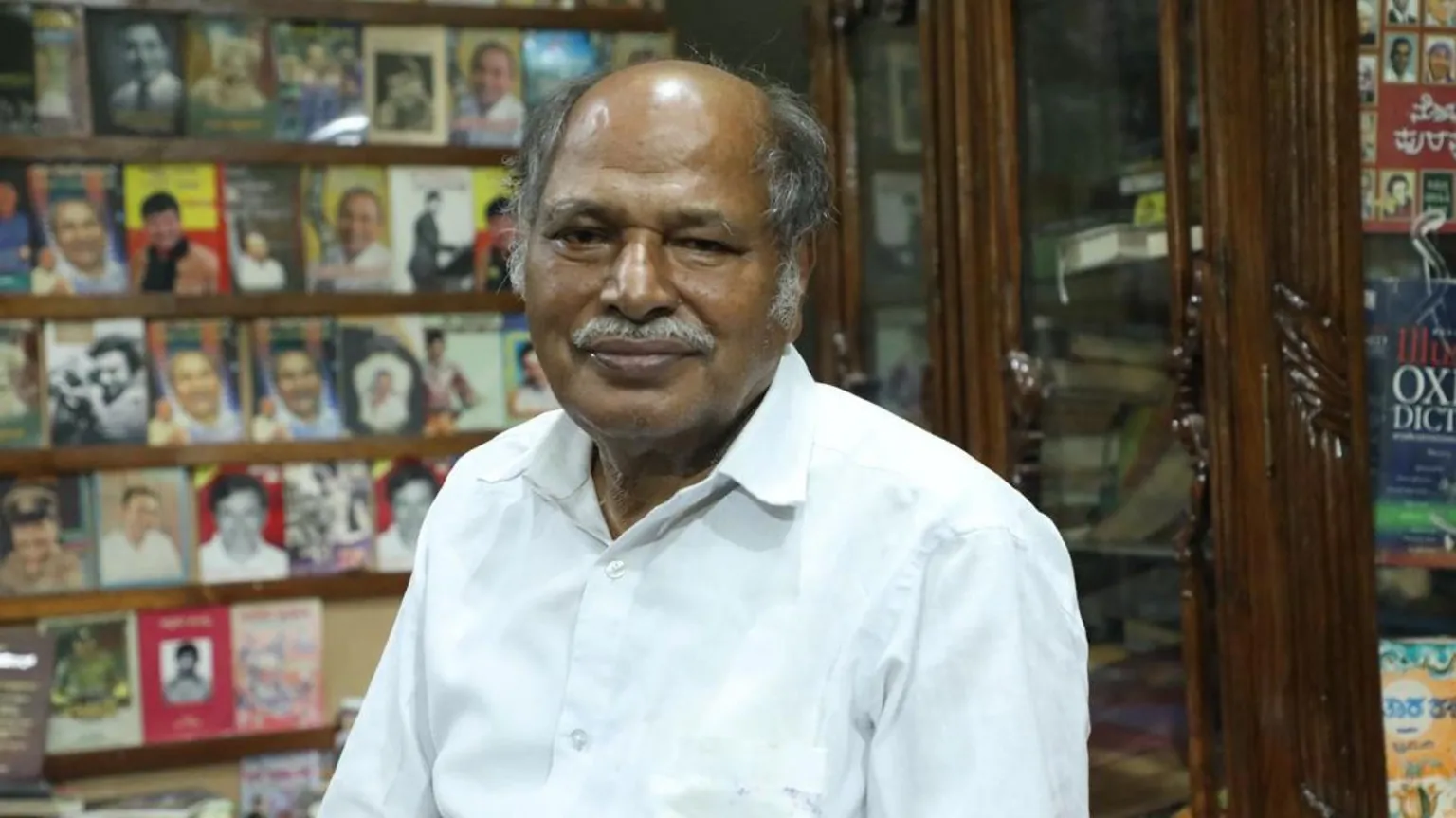
That's the remarkable achievement of Anke Gowda, a retired sugar factory worker from southern Karnataka, India, who has spent the last five decades amassing this vast collection.
The 79-year-old recently gained national attention after being awarded the Padma Shri, a prestigious civilian honour granted by the Indian federal government, in recognition of his exceptional efforts to promote literacy and learning.
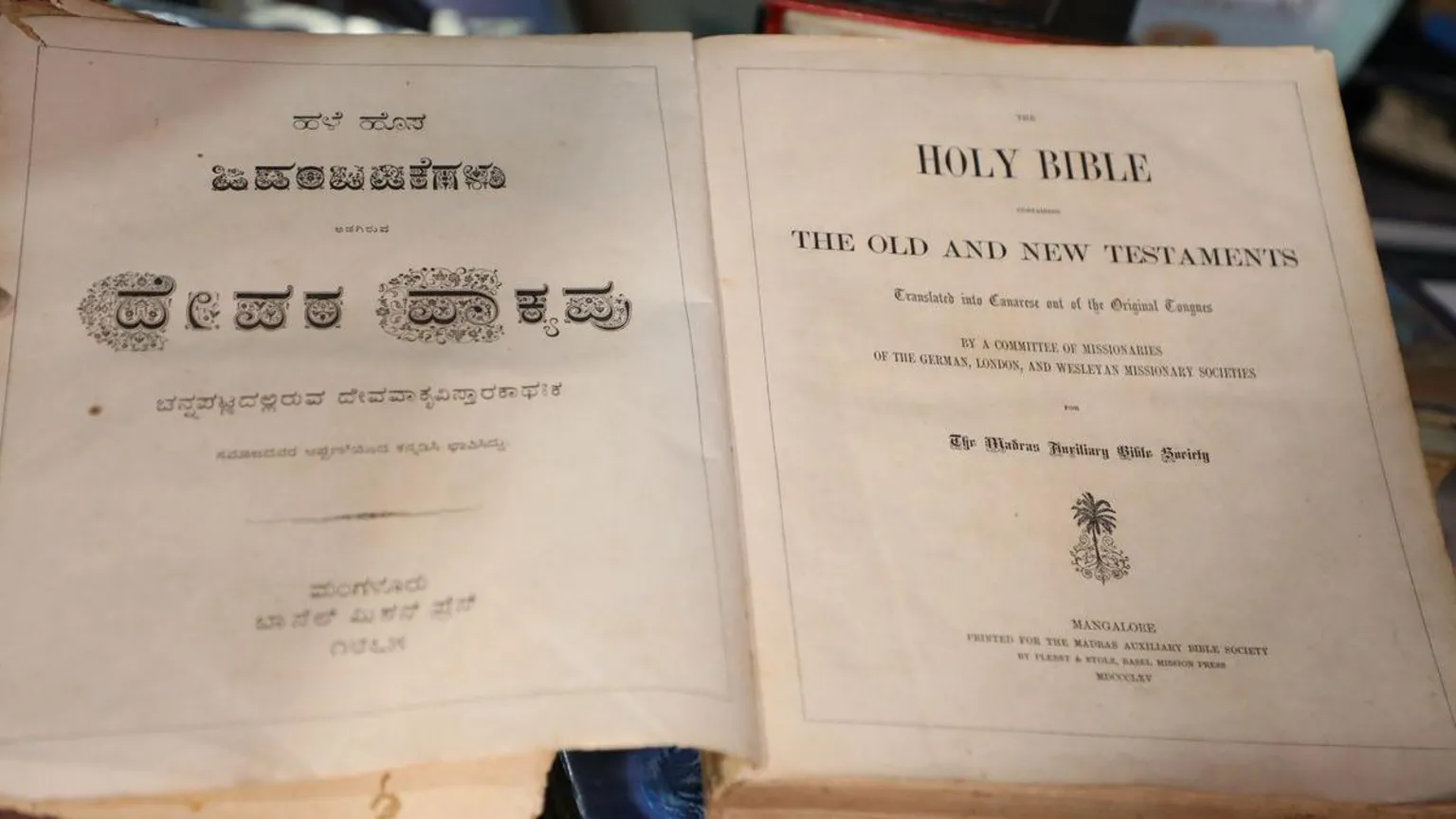
Gowda's collection includes rare editions of the Bible and books covering an extensive range of subjects.
He hails from a farming family where books were considered a luxury.
"I grew up in a village. We never got books to read, but I was always curious about them. I kept thinking that I should read, gather books and gain knowledge,"
he told the BBC.
The Library and Its Unique Organisation
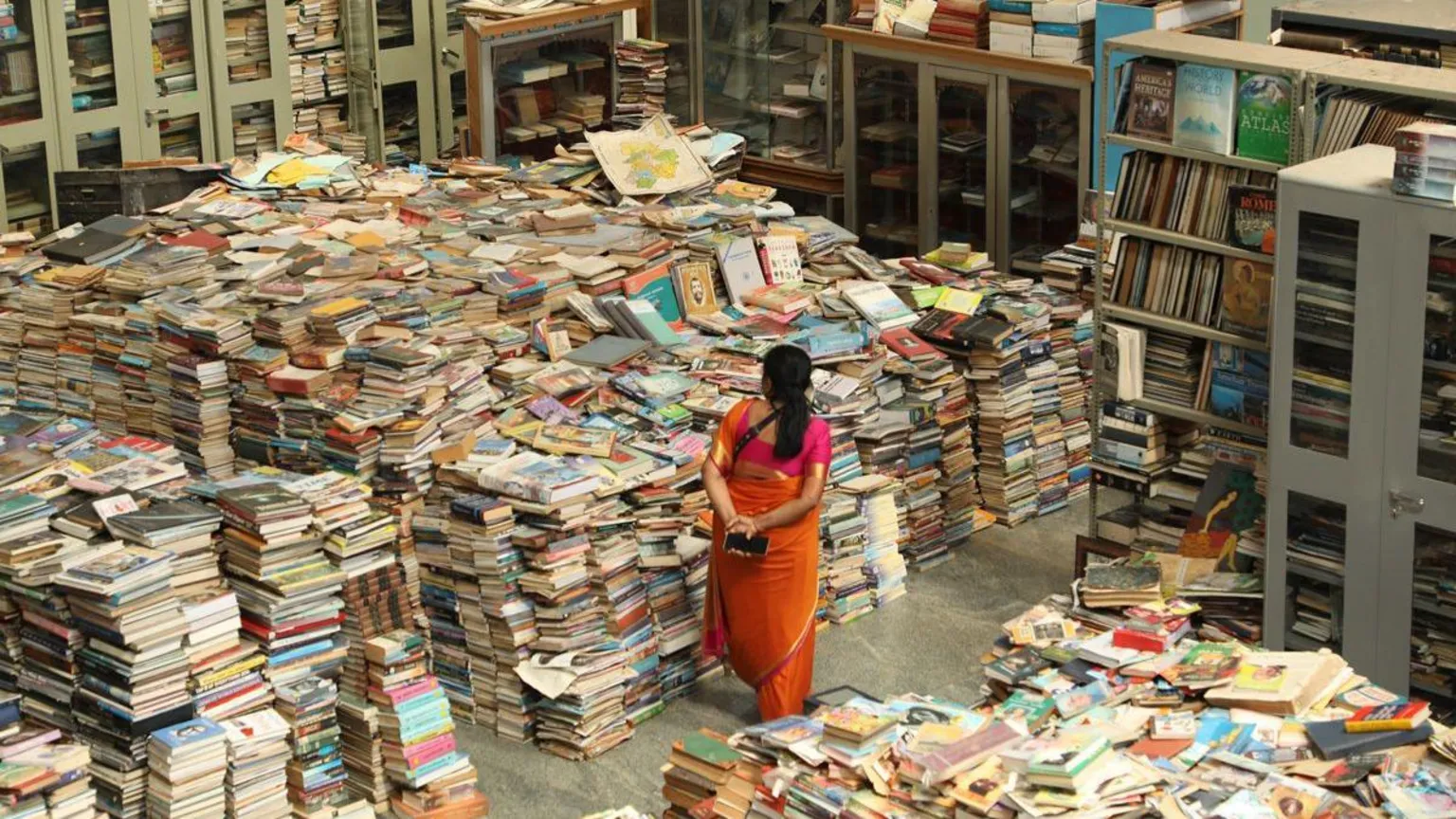
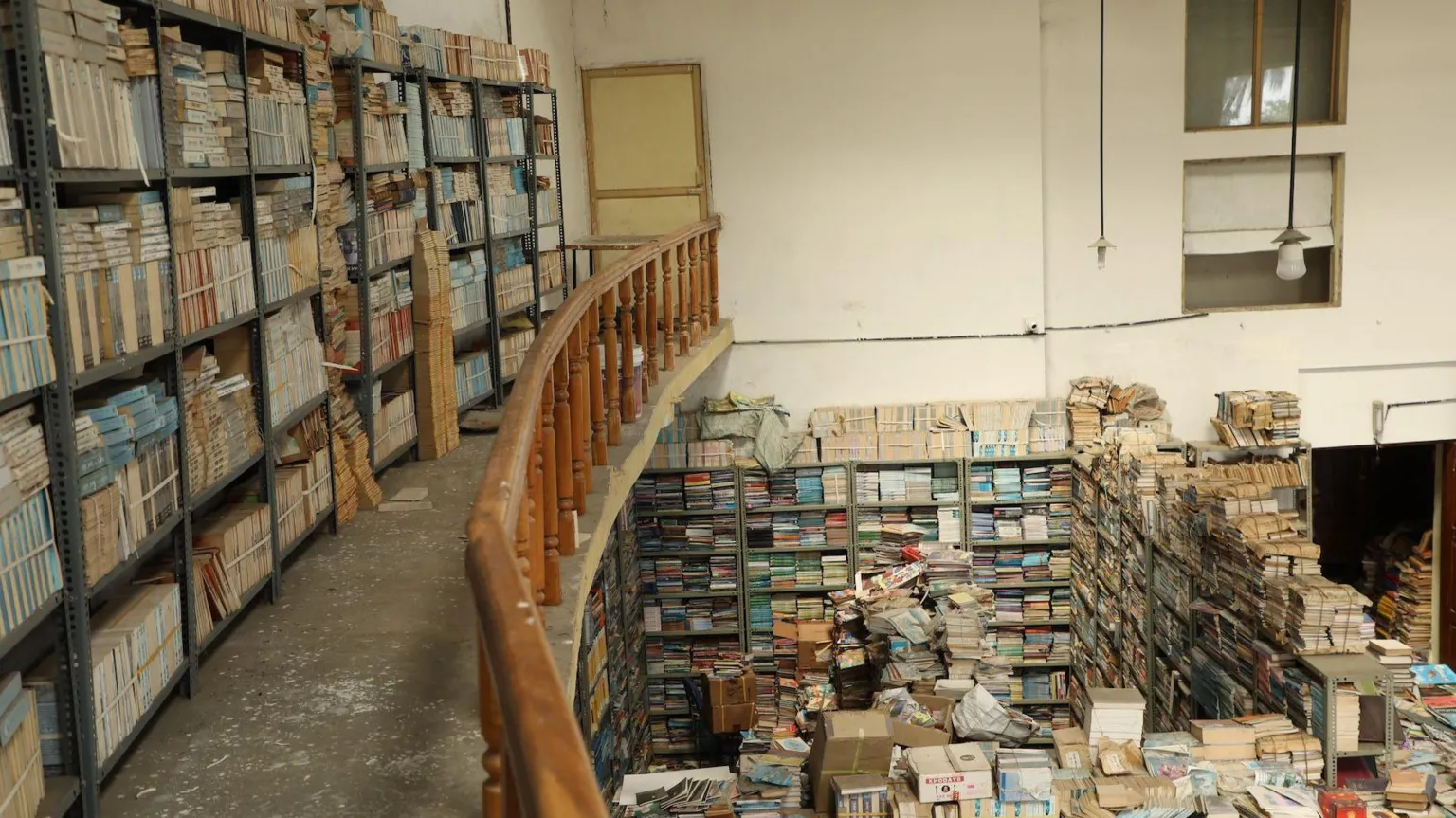
Located in Pandavapura, a small municipality in Karnataka's Mandya district, Gowda's library spans 15,800 square feet (1,467 square meters). Unlike conventional libraries, it lacks formal organisation and does not employ a librarian. Books are stacked on shelves and piled on the floor in a seemingly haphazard manner.
Outside the building, under the awnings, sacks containing approximately 800,000 books await unpacking. The collection continues to grow through Gowda's purchases and donations from others.
The library is frequented by students, parents, teachers, and book enthusiasts. Regular visitors are familiar with the layout and can locate books with ease. Even those unfamiliar with the collection rely on Gowda's extensive knowledge to find what they need.
Gowda, along with his wife and son, resides in a corner of the library, which remains open every day of the week for extended hours.
Early Life and Passion for Books
Gowda's childhood was spent balancing school and assisting his father with farm work. He frequently requested money from his parents and elder sister to purchase books.
"They were like candy,"
he said, referring to his fascination with books about Indian freedom fighters and spiritual leaders.
Motivated by a teacher, he began assembling a small collection to enable other rural students to access books. Often, he used funds intended for food to acquire reading material.
After completing school, Gowda worked as a bus conductor. About ten months into the job, a former teacher, surprised by his decision to leave education, urged him to resign and continue his studies.
Heeding this advice, Gowda pursued higher education, earning a postgraduate degree in Kannada, the official language of Karnataka, before joining the Pandavapura sugar factory as a timekeeper.

"Salaries were low then, but prices were also low,"
he recalled, noting that he allocated two-thirds of his monthly salary to purchasing books, using the remainder for groceries and essentials.
During his 33 years at the factory, Gowda attended numerous conferences of the Kannada Sahitya Parishat, a non-profit organisation dedicated to promoting the local language and literature, often purchasing discounted books there.
To supplement his income, he raised cows for milk sales and worked as an insurance agent.
Challenges and Support for the Growing Collection
As his collection expanded, Gowda faced the common challenge of finding adequate space to house the books.
"I started keeping the books in trunks [large metal boxes]. Then I installed bookshelves in my house. But at one point, there was no place left,"
he explained, by which time he had amassed around 50,000 books.
Assistance arrived when friends introduced him to Hari Khoday, the late liquor baron who was constructing a temple in Pandavapura. Khoday was astonished by the size of Gowda's collection.
"He came and saw the books for himself. Then he asked me what I needed. I told him I didn't want any money for myself. My only request was that he build a library,"
Gowda recounted.
Khoday agreed and funded the construction of a large building, now part of the extensive library complex.
Subsequently, a local legislator brought then Chief Minister HD Kumaraswamy to visit the library, resulting in government funding for two additional structures adjoining the original building.
Impact and Legacy
Today, the library attracts students and educators from across Karnataka. Among them is Ravi Bettaswami, an assistant professor at a private college, who has been inspired to build his own collection of thousands of books.
"I have used Gowda's library to study and have taken my students there so they could read and also help organise the books,"
Bettaswami said.
Shilpashree Haranu, a government college teacher, acknowledged that while the collection may appear disorganised due to the absence of a professional librarian, Gowda possesses an intimate knowledge of the collection.
"But he [Gowda] knows exactly where each book is and can tell you in an instant,"
she remarked.
When asked why he never employed a librarian, Gowda responded that no one had ever suggested it to him.
Looking Ahead
Regarding the future of the library, Gowda expressed a philosophical view, indicating that it is now the responsibility of others to continue his work.
"I have fulfilled my responsibility. But I don't have the energy anymore. Maybe the government and the public can take over now?
"I have done my best, now it is up to others."
Follow India on Instagram, YouTube, X and Facebook.


