Celebrating Nine Decades of Iconic Scottish Comics
Jings! Scotland's beloved "spiky-haired loon" and its most cherished family are celebrating their 90th anniversary, looking as vibrant as ever.
Oor Wullie and The Broons first began entertaining readers in DC Thomson's Sunday Post in March 1936, creating a legacy of humour and relatable storytelling.
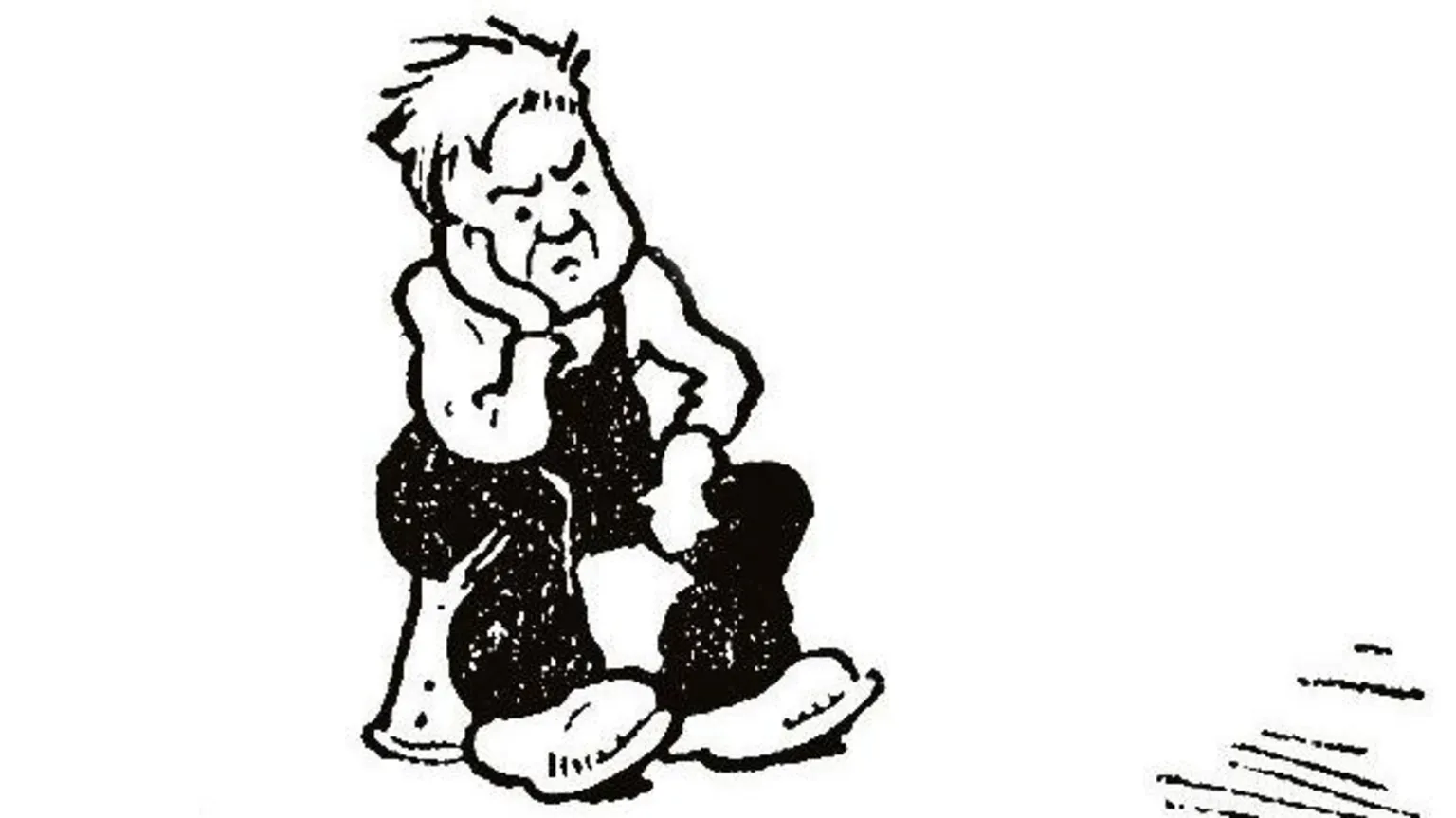
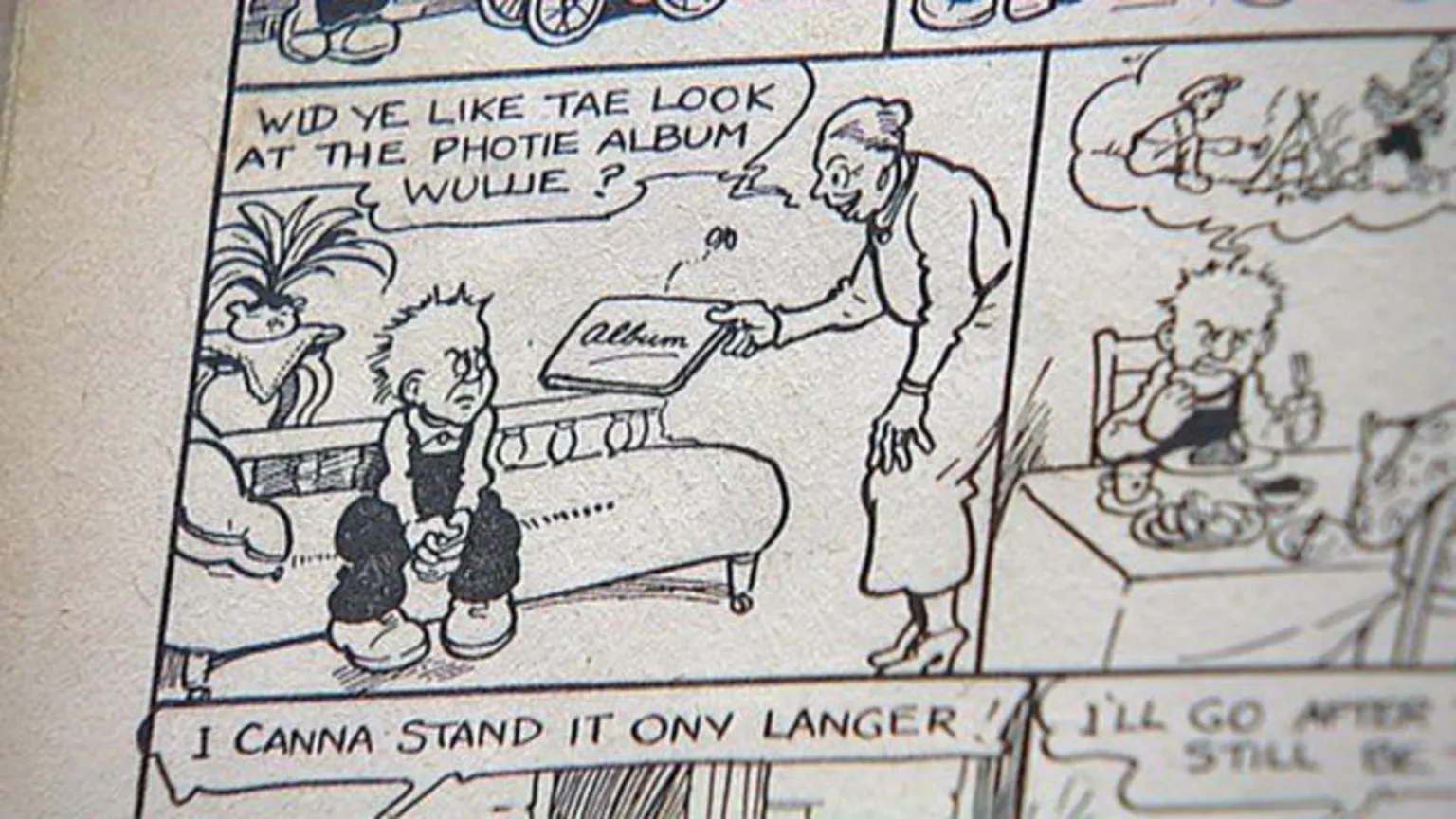
Since their inception, Oor Wullie has been famously depicted perched atop his iconic bucket, while The Broons have captured the joys, chaos, and heart of family life at 10 Glebe Street.
To commemorate this milestone, The Sunday Post will release a special supplement featuring a national comics competition and a step-by-step guide on how to draw the spiky-haired boy clad in dungarees and hobnail boots.
Origins and Creators
Oor Wullie and The Broons were created by former DC Thomson managing editor Robert Low and brought to life by illustrator Dudley Watkins.
The comic strips portray working-class life and community through mischief, family humour, and their distinctive Scots language.
Oor Wullie was originally conceived as an ordinary boy with whom readers could identify, reportedly inspired by Low's own blond-haired son.
He was rarely seen without his close friends Fat Bob, Wee Eck, and Soapy Soutar, as well as his girlfriend Primrose Paterson.
His adventures often involved encounters with his nemesis, PC Murdoch, set in the fictional town of Auchenshoogle.
The classic image of Oor Wullie remains him sitting atop his upturned bucket, a symbol of his mischievous spirit.
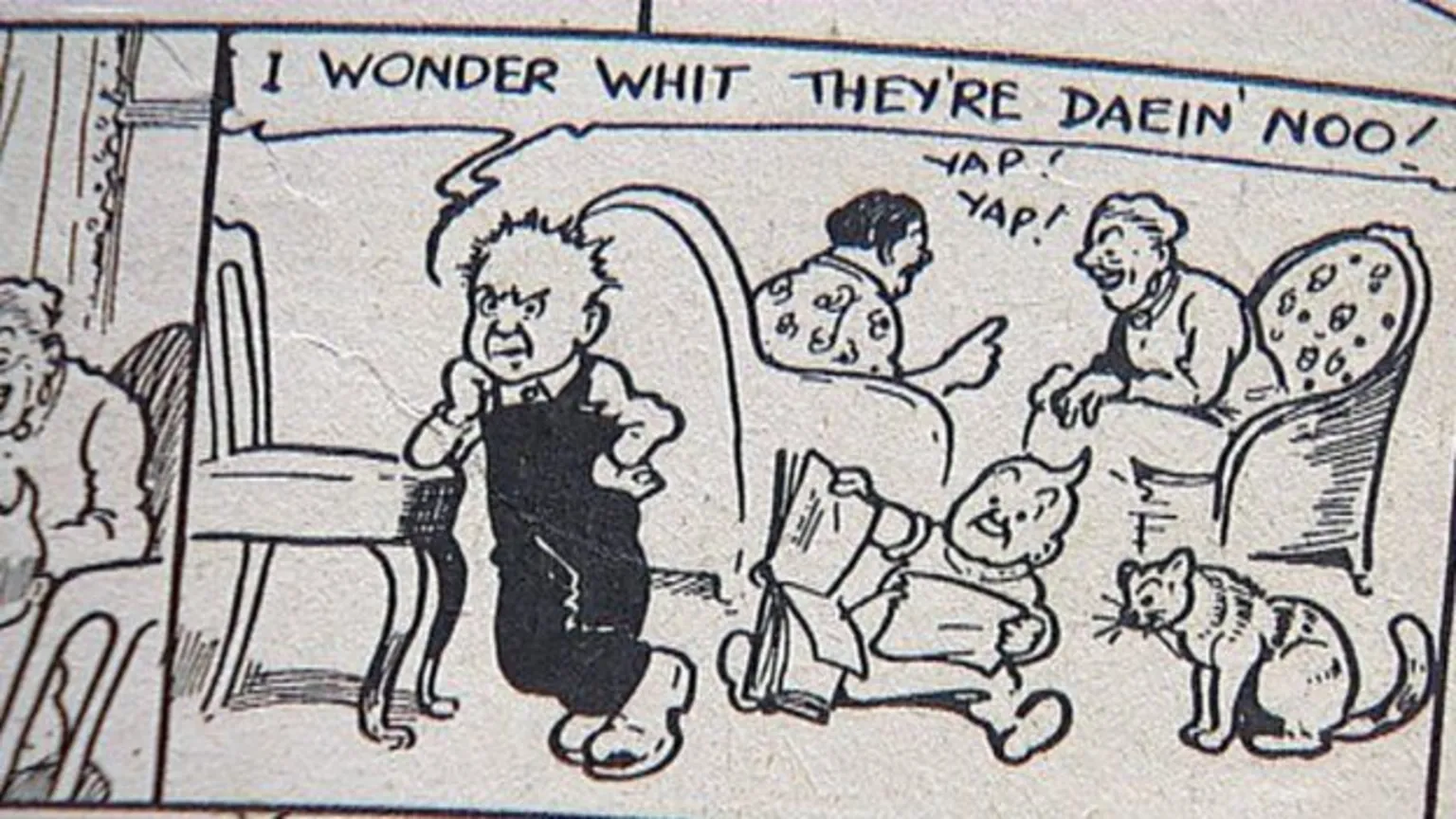
While Oor Wullie has evolved over the years with different illustrators adding their own touches, he remains instantly recognizable to both children and adults across Scotland.
The Broons: A Family Portrait
Life in the Broon household was never dull.
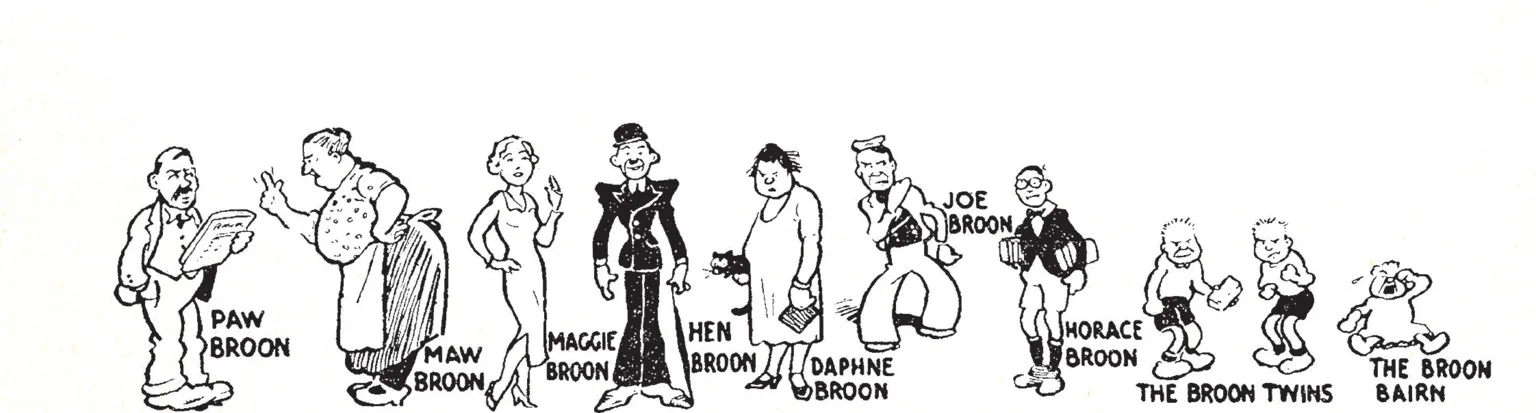
The comic strip was beloved for its depiction of traditional home values—from Maw's wisdom and Paw's blustering to the antics of the bairns and the romances and mishaps of Hen and Daphne.

Much of the humour stemmed from the "generation gap," with the family of ten squeezing into a small tenement flat and stretching their finances as far as possible.
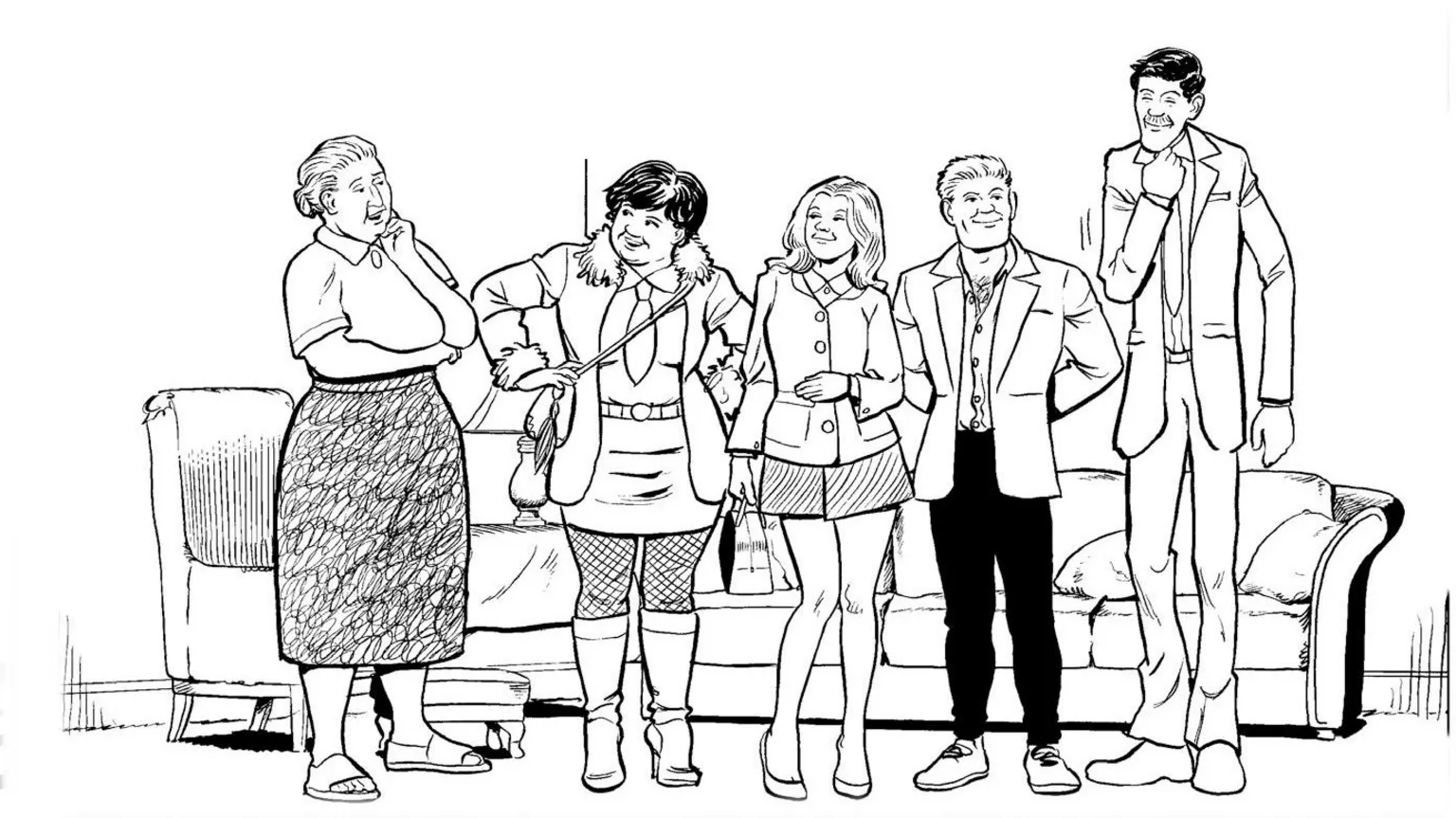
For many readers, these comics were more than mere entertainment; they offered a window into everyday Scottish life, reflecting changing fashions, technologies, and societal shifts over the decades.
Role During World War Two
During World War Two, the comic strips played a role in boosting morale and supporting the national effort, occasionally incorporating tongue-in-cheek propaganda.
Oor Wullie notably contributed in one of the most famous strips, where the schoolboy confronts Adolf Hitler in a dream, defeating him not with weapons but through his mischievous grin and quick wit.
The Broon family also reflected wartime realities; eldest sons Joe and Hen went to fight in North Africa in 1943, while daughters Maggie—who later became a model and weather girl—and Daphne, a skilled dressmaker known for her flamboyant hats, served as land girls.
Dudley Watkins and His Legacy
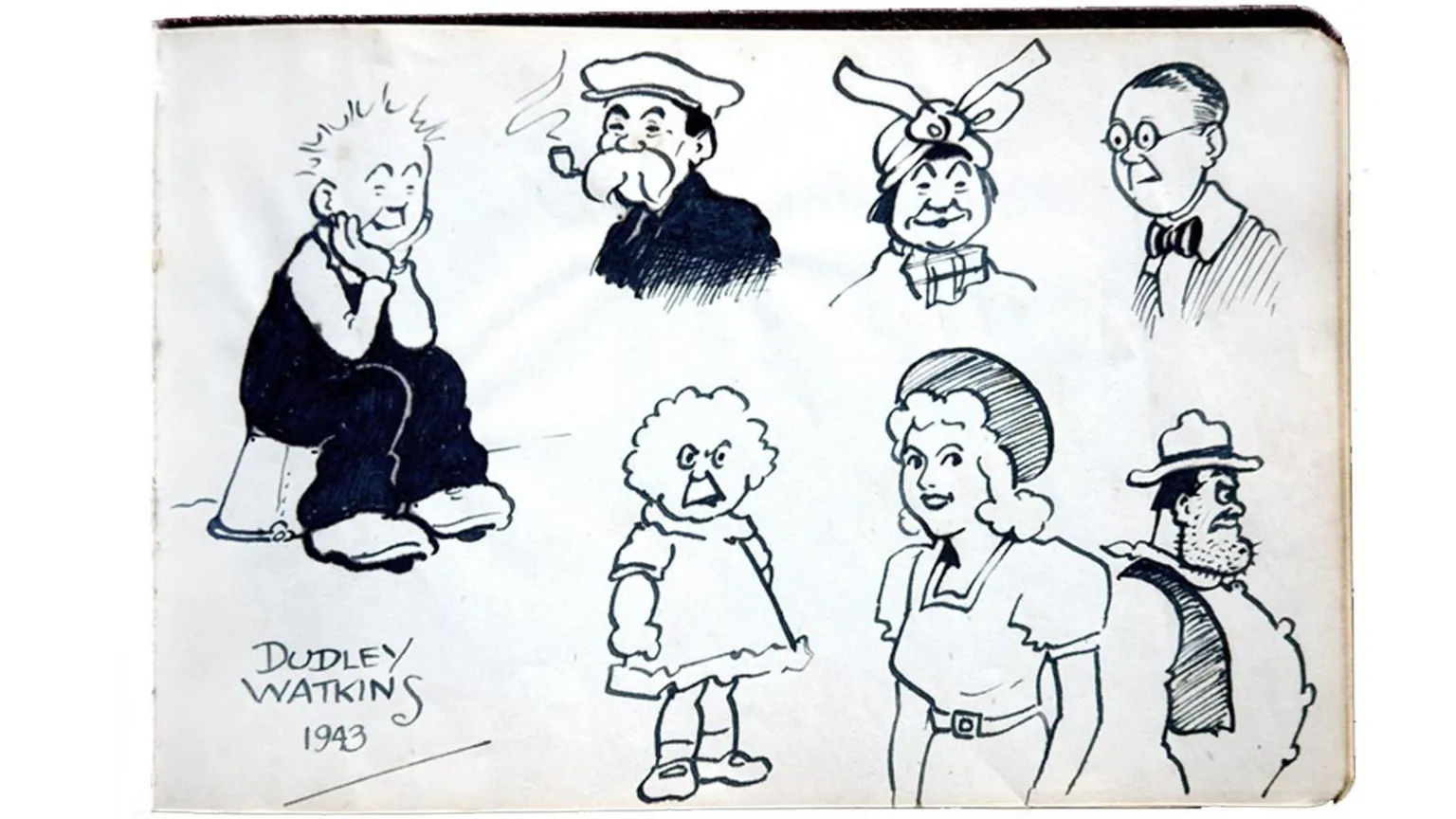
Illustrator Dudley Watkins was considered so valuable to British morale that he was exempt from conscription during the war, instead volunteering as an air raid warden.
Watkins never missed a week of The Broons or Oor Wullie until his death in 1969.
He is credited with making a significant contribution to Scottish popular culture through his work with DC Thomson.
In addition to Oor Wullie and The Broons, Watkins also drew Lord Snooty for The Beano and Desperate Dan for The Dandy, among others.
Legacy and Celebrations
Over the past ninety years, these beloved Sunday Post cartoon characters have appeared in annuals, been immortalised as statues, and adapted into musicals and stage shows.
The first Broons Christmas annual was published in 1939, followed by the Oor Wullie annual a year later, with the two alternating every second year.
To mark the 90th anniversary, DC Thomson has organised a year-long programme of events, publications, and activities celebrating some of Scotland's most treasured comic book characters.
The upcoming commemorative supplement in The Sunday Post will include the history of the comic strips, a competition inviting fans to create their own Broons-inspired strip for a future edition, and a tutorial on drawing Oor Wullie.
Editorial Perspective
"Very few fictional characters have lived as vividly in Scotland's imagination as Oor Wullie and The Broons. For 90 years they've mirrored Scotland back to itself - its humour, its grit and its sense of community and this anniversary is a chance to celebrate where they've come from, and the new stories still to be told. From boosting morale during the Second World War to putting a smile on readers' faces during the Covid pandemic, Oor Wullie and The Broons have been a reassuring constant in a world in flux."
— Thomas Hawkins, editor of The Sunday Post