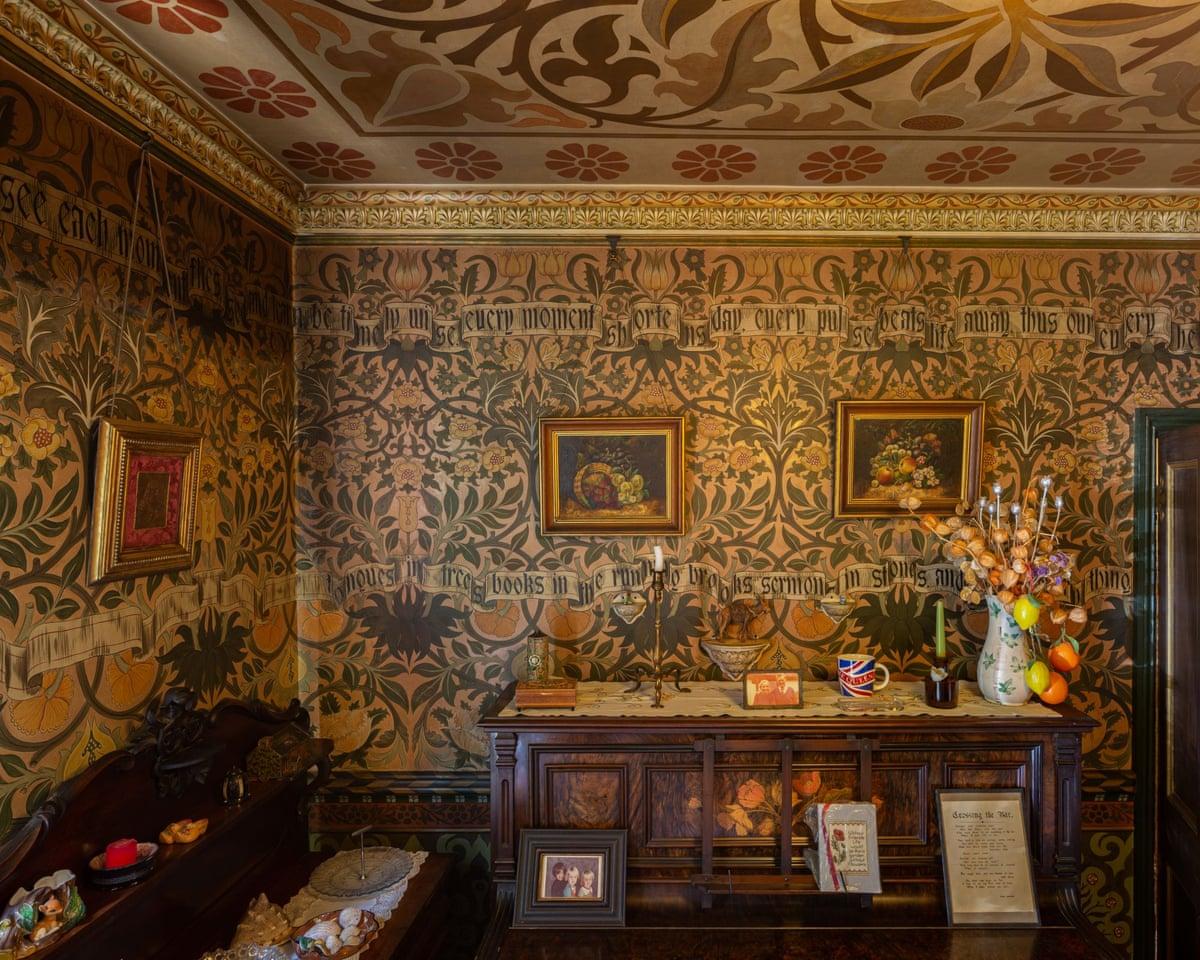
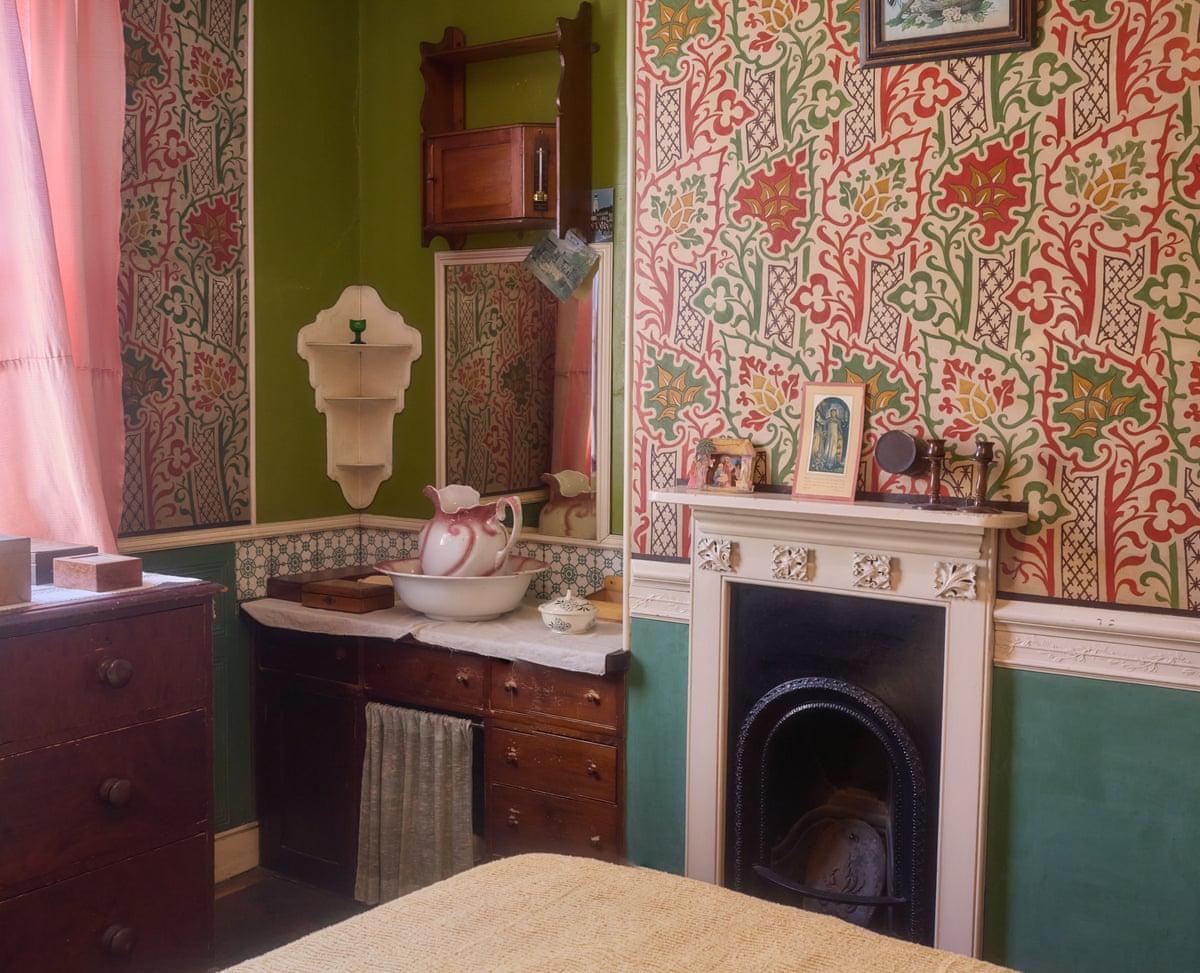
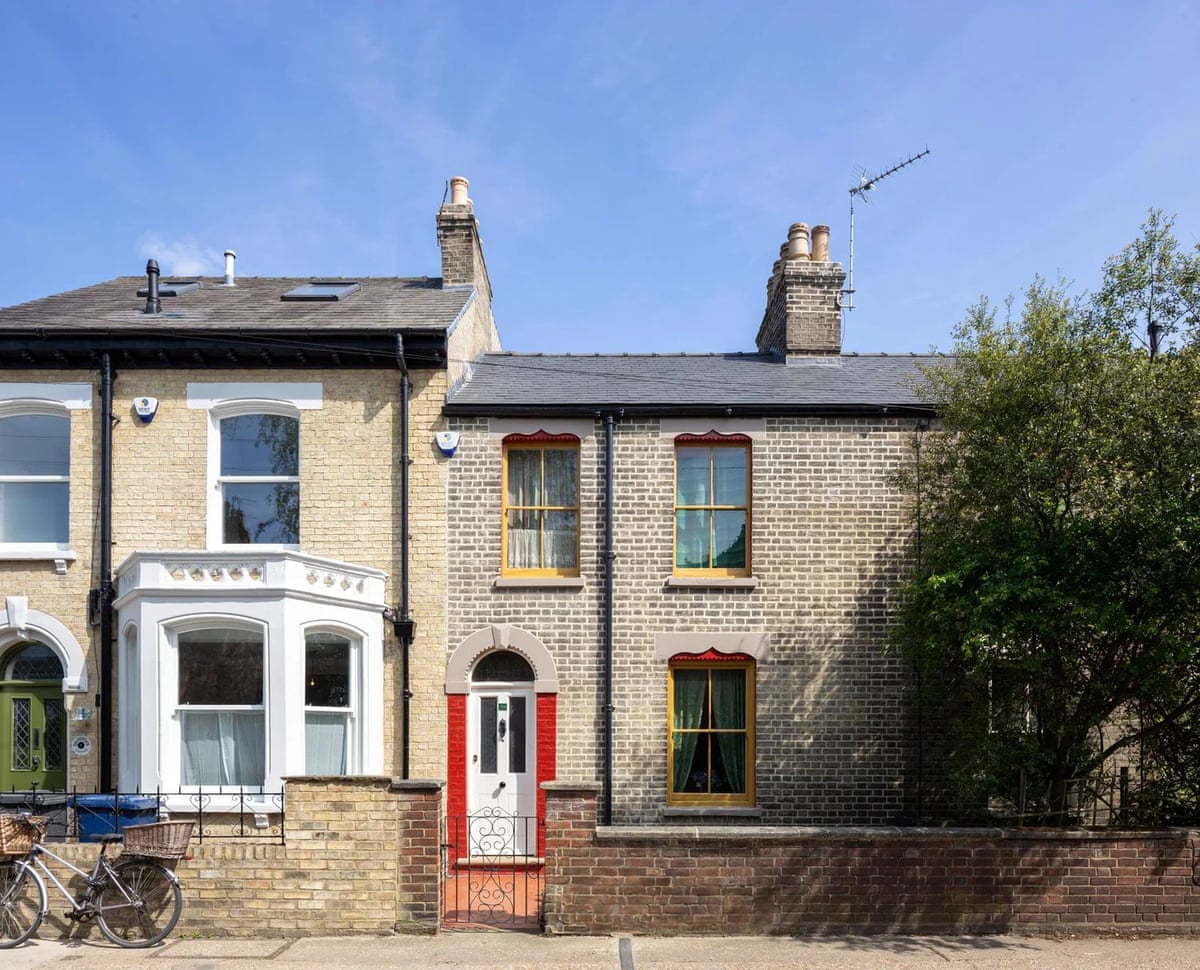
A modest terrace house in Cambridge decorated by a working-class Victorian artisan has been awarded a blue plaque, believed to be the first ever honouring a skilled art-workman from that era. According to The Guardian, David Parr spent 40 years filling his home with intricate designs inspired by the patterns he applied to grand mansions and college interiors during his working life. The plaque will be unveiled on 8 February 2027, marking the anniversary of the day in 1886 when Parr signed the mortgage on his home.
By day, Parr laboured as a skilled decorator for FR Leach & Sons, a Cambridge-based decorative arts firm, applying the magnificent designs of William Morris and other leading figures of the Arts and Crafts movement to the interiors of private mansions and colleges. By night, often working by candlelight, he devoted himself to creating his own exquisite designs within the walls of his small Victorian worker's cottage. While Morris and his wallpaper designs became legendary, Parr's contributions—like those of countless other unnamed art-workmen who executed designers' visions—remained obscured by history.
Who were the art-workmen?
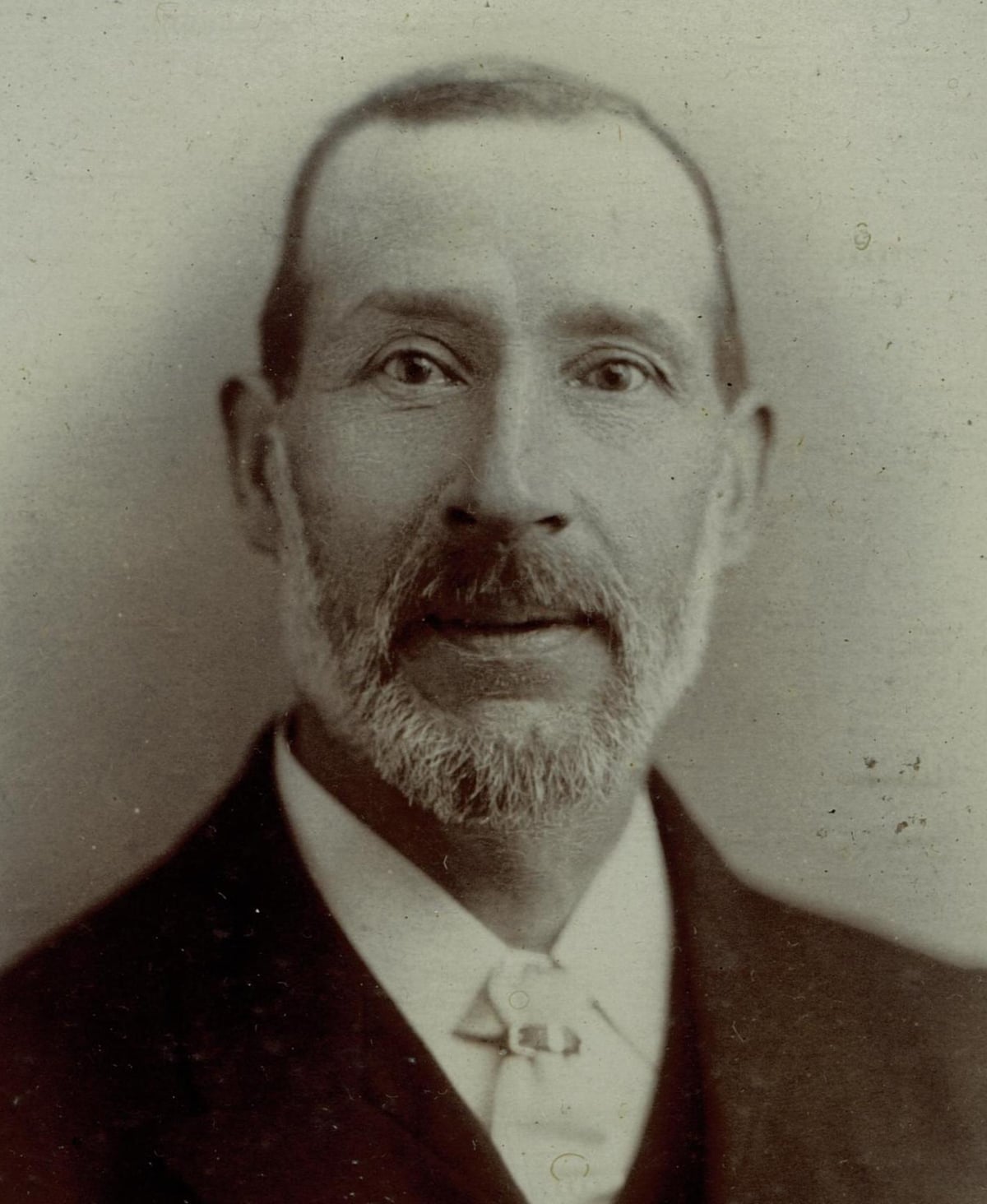
The term "art-workman" referred to the skilled painters, carvers and craftsmen who transformed designers' concepts into finished work, typically as employees of decorating firms. Their labour demanded great accuracy and artistic skill, yet they occupied the lowest tier in a hierarchy that placed clients, designers and firm owners above them. In wage records and professional documentation, their names appeared only as initials, if at all, rendering them invisible despite their essential contributions to the decorative arts economy.
Parr's apprenticeship opened varied and significant opportunities that shaped his entire career. As a highly skilled employee of FR Leach & Sons, he was among a class of unnamed workers who brought the ambitious designs and schemes of the Arts and Crafts movement into physical reality. His final recorded design was a blue flower pattern in the kitchen, painted in 1920, representing decades of creative labour within his employer's walls.
How did the house remain hidden for so long?
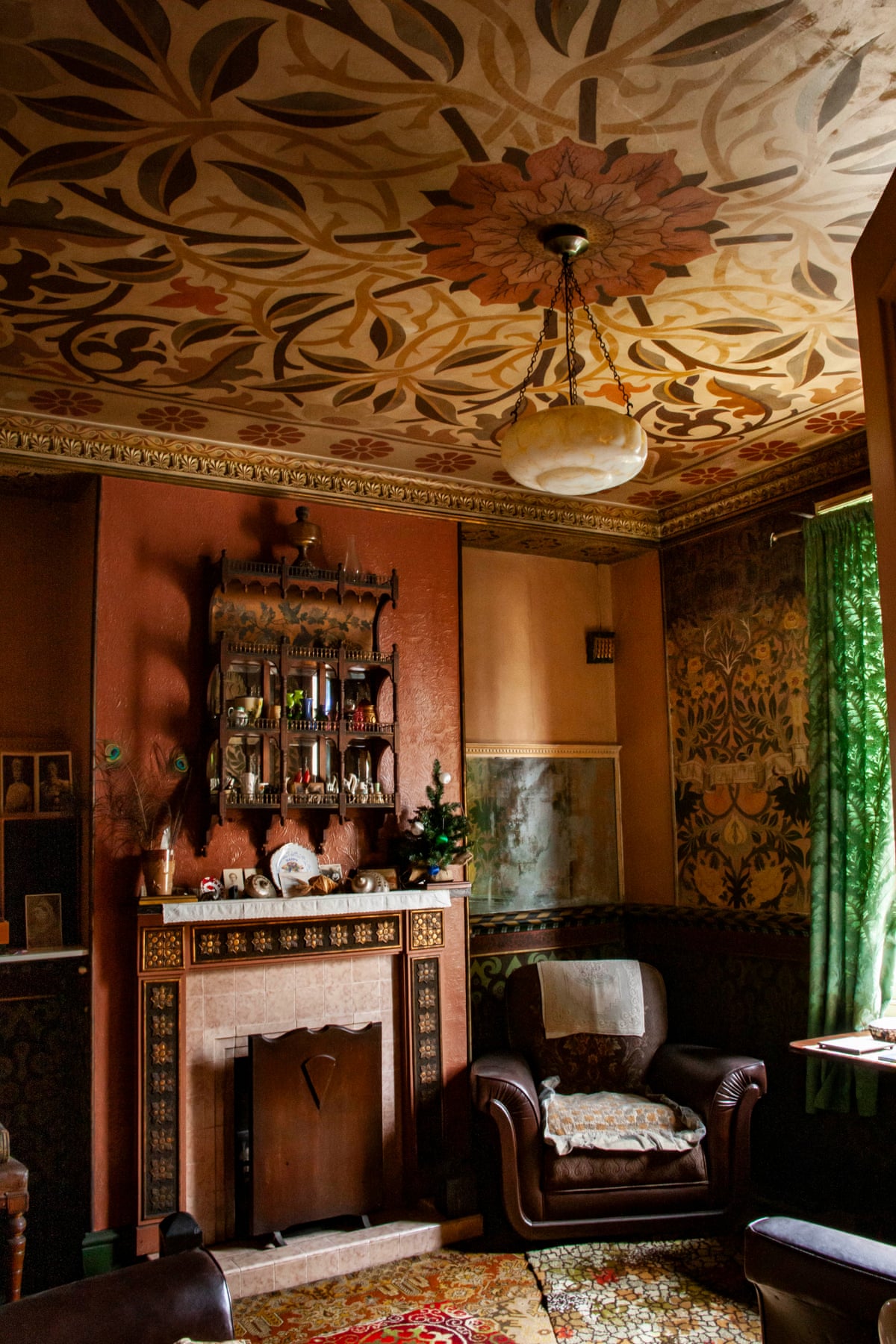
After Parr's death in 1927, his extraordinary home lay concealed behind an ordinary front door for more than 80 years. His granddaughter Elsie preserved the house throughout her lifetime, maintaining its remarkable interior decoration intact. The property remained largely unknown until 2009, when a social historian knocked on the door of the then 93-year-old Elsie and discovered herself standing inside an astonishing living room filled with Parr's meticulous handiwork.
The house has since been acquired by the David Parr House & Gallery charity and is now Grade II* listed, recognising its architectural and historical significance. Parr's surviving notebook documents how he restructured, improved and decorated his home, providing a detailed record of his creative vision and the techniques he employed. Parr and his wife Mary Jane raised three children in the house, and descendants remained there until 2013.
What inspired Parr's domestic designs?
Parr spent all his free time decorating his home with designs he conceived himself, drawing inspiration from the work of Morris and George Bodley, the architects and designers whose patterns he applied in his professional capacity. He aspired to create a house for his own family that matched the beauty of those grand interiors he painted, though necessarily on a smaller scale. His artistic vision transformed a working-class cottage into a testament to the principles of the Arts and Crafts movement—a philosophy that valued skilled craftsmanship and aesthetic integrity in everyday objects and spaces.
Why does this plaque matter?
Annabelle Campbell, director of the David Parr House & Gallery charity, emphasised the significance of recognising Parr's contributions.
The plaque recognises the importance of the art-workman within the successful Victorian decorative arts economy. It also recognises the vision and aspiration of a working-class family man.Many of Cambridge's existing blue plaques commemorate elite academics such as Bertrand Russell and John Maynard Keynes. This new plaque will highlight the working-class heritage of the Mill Road area and its vital contribution to the nation's cultural history.
Campbell noted that many houses in the area were occupied by highly skilled working-class Victorian artisans whose labour shaped the decorative arts but whose names were systematically erased from records.
Who is commemorated with a blue plaque is changing.The recognition of Parr represents a shift towards acknowledging the makers and craftspeople whose skill and vision underpinned the aesthetic achievements of the Victorian era.
How is the plaque being created and funded?
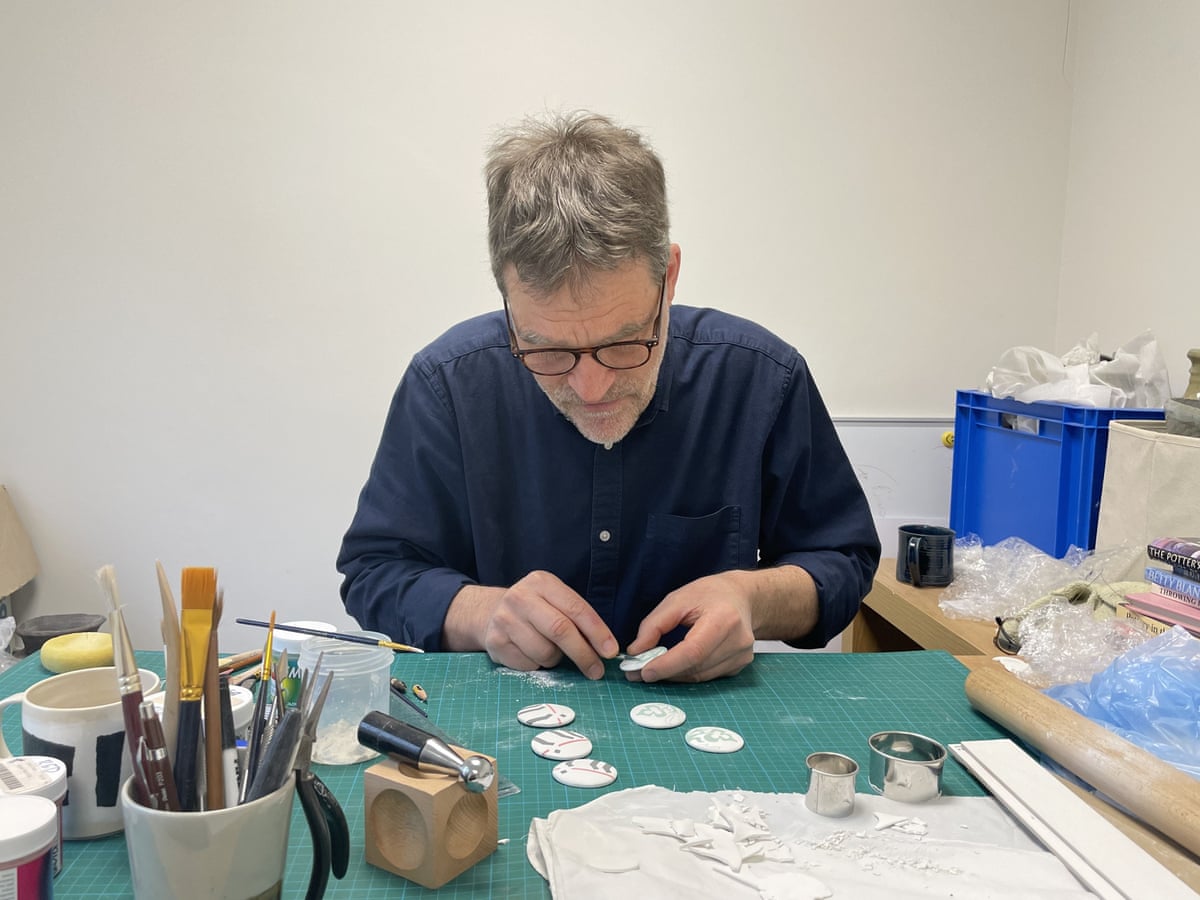
The charity is crowdfunding £6,000 to pay for a ceramic plaque to be made by local artist David Stonehouse, along with a short film documenting its creation and an accompanying exhibition. Rather than simply affixing a plaque to the house, the charity intends to add a new layer to its history through these complementary projects.
Campbell articulated the philosophy guiding this approach:
We don't want to just badge the house, but to add a new layer to its history. At David Parr House, the maker, the making and the made are of equal importance and value.This commitment reflects a broader recognition that understanding the creative process and the artisans behind it enriches our appreciation of cultural heritage.
What happens next?
The blue plaque will be unveiled on 8 February 2027, the 141st anniversary of the day Parr signed the mortgage on his home. The ceremony will mark a watershed moment in how Cambridge—and potentially the broader heritage sector—acknowledges the contributions of working-class craftspeople to the nation's artistic legacy. The accompanying film and exhibition will provide deeper insight into Parr's life, his techniques and the world of Victorian art-workmen whose labour built the decorative arts economy but whose names were lost to history.