

Significant Silt Removal Needed for Fountain Revival
Experts estimate that approximately 150 tonnes of silt must be cleared before the Cornmill Fountain in Galashiels can be operational again.
A specialist architectural team has recently completed a condition survey of this historic town centre fountain.
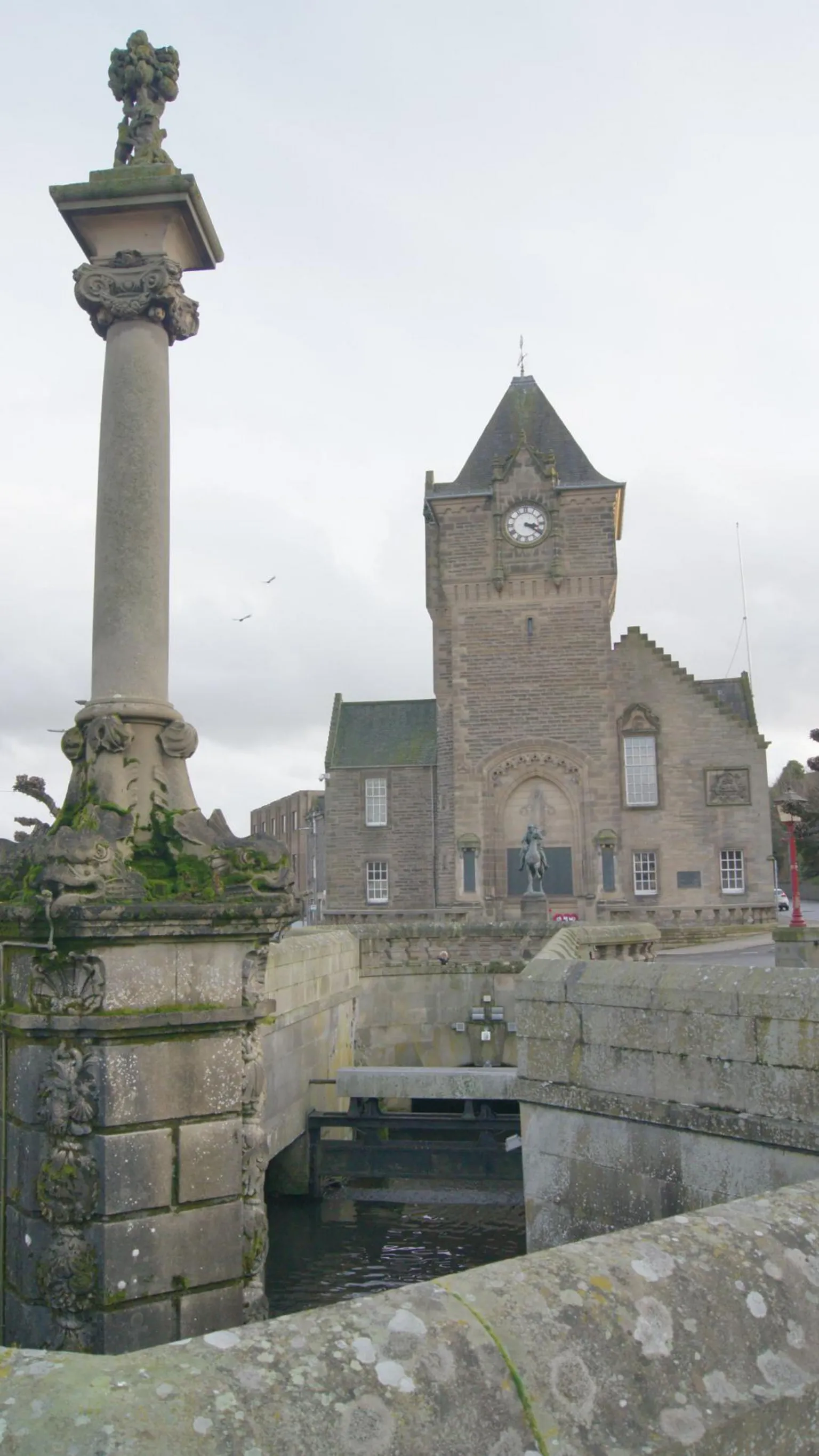
The category-B listed fountain and its pumping system depend on water supplied by a former mill lade, a man-made channel that has been blocked for several decades.
"An important part of this restoration project is to have the original water supply reaching the pump, but over the years this has become blocked and needs to be cleared,"said Ian Dalgleish, chair of community group Energise Galashiels.

Historical Background of the Cornmill Fountain
The figure-of-eight shaped fountain was designed in 1912 by renowned architect Sir Robert Lorimer to occupy the site left vacant by the demolition of the town's corn mill in 1910.
The ornate stonework and functioning fountain heads were completed the following year, and throughout the 20th century, the fountain served as a pleasant focal point for the expanding town.
"Several ideas of what to do with the space were considered after the corn mill was demolished. It was Robert Lorimer who said it should be a water feature as water had played such a vital role in the development of Galashiels,"Ian added.
The Mill Lade and Its Role
The mill lade was constructed in the late 1770s by the Galashiels Manufacturers' Corporation to power the growing number of textile mills in the area.
This channel extends for nearly 2.4 miles (3.8 km), diverting water from the river near Wheatlands Road and rejoining the Gala Water at Netherdale, spanning almost the entire length of the modern town.

Water flow through the lade has ceased due to silt accumulation at several culverts along its course.
"The biggest problem is the top end where there is a culvert underneath the railway line that's around a foot deep in silt. There are two valves by the river to allow water in and they are both fully open - but the water can't get in for the silt. I would estimate that around 150 tonnes of silt is built up there and access won't be easy,"explained Alastair Lings from the Gala Waterways Group.

Architectural Details and Condition Survey
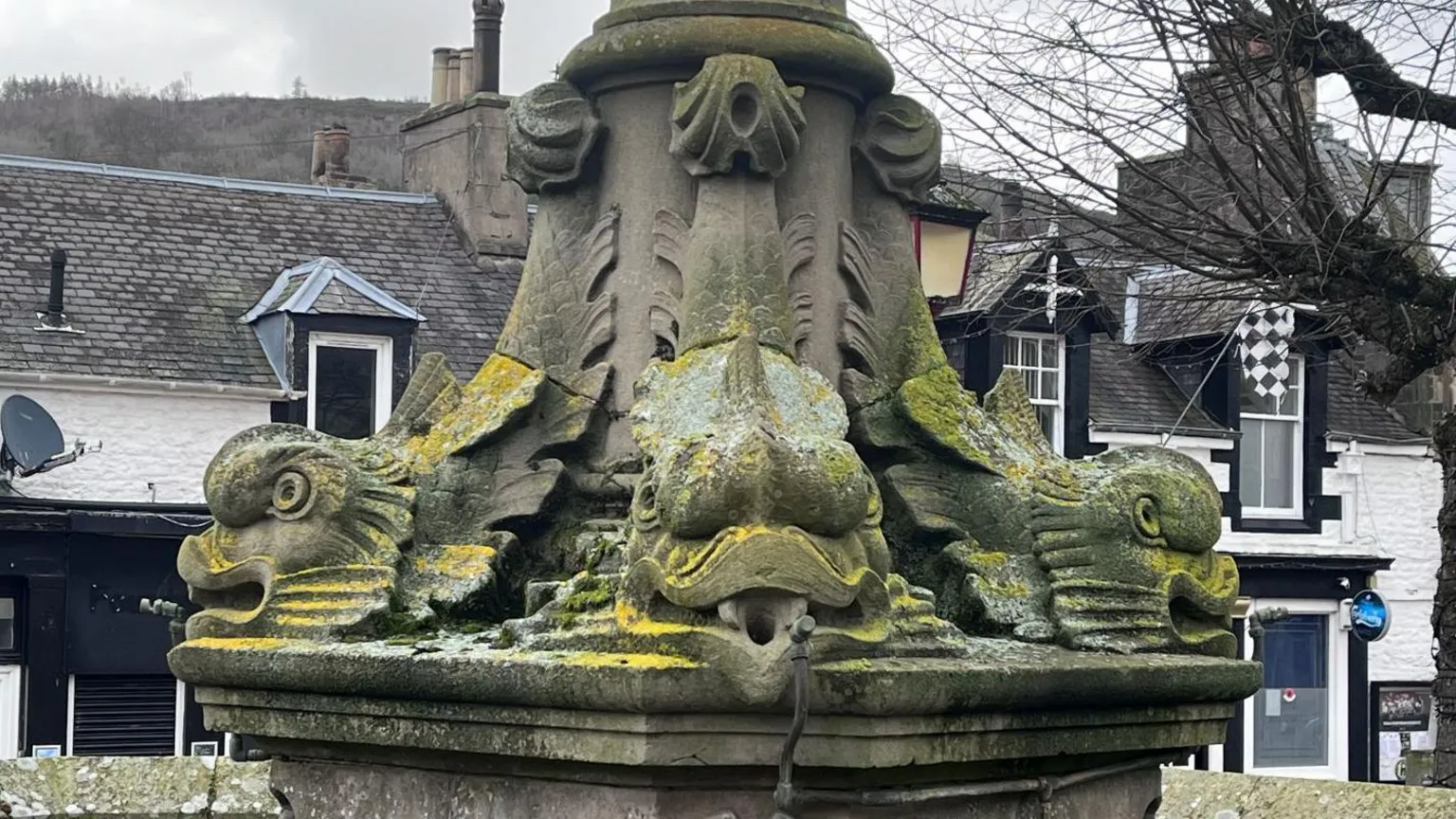
The Cornmill Fountain features six water spouts emerging from the mouths of fish and dolphins ridden by nymphs, along with numerous nautical symbols and creatures. The intricate stonework also incorporates symbolism reflecting the town's heritage.
Fraser Bell of CSY Architects recently completed an external and internal condition survey of the fountain.
"The condition is relatively good, with the stonework needing carefully cleaned and a few repairs made. Once the fountain is brought back to how it was it will transform this area. There is a lot of ornate stonework and lovely motifs that will become much more apparent once the work is done,"Fraser stated.

Next Steps and Community Support
With the condition survey of the stonework, mill lade, and pump nearing completion, project leaders are preparing to seek funding for the restoration.
Felicity Bristow, manager of Energise Galashiels, noted the strong community interest in the project.
"This is a project that has come from the people who walk by this fountain every day. For anyone who takes the time to stop and look, there is an immense amount of detail and storytelling within the stonework relating to Gala's natural history as well as its built-up heritage. There is a lot of desire to have it reactivated,"she said.
Context of Fountain Restorations in Scotland
Restoration of fountains has become popular across Scotland in recent years as a means to enhance civic pride.
Similar projects include the restoration of Dumfries' town centre fountain a few years ago, as well as the refurbishment of cast-iron fountains in Paisley, Stirling, and Edinburgh's Princes Street Gardens.


