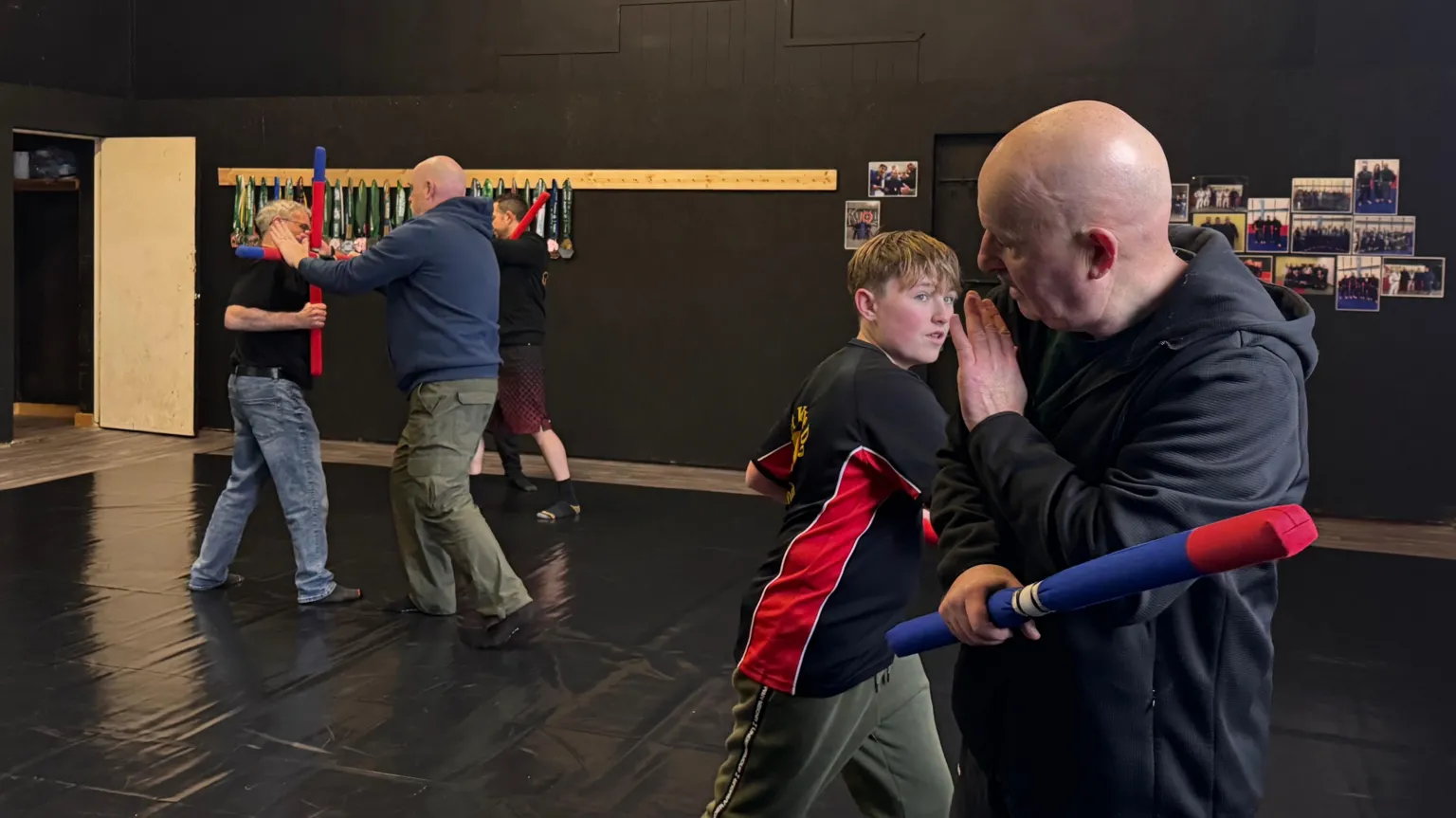
Rediscovering Irish Stick Fighting
Fifteen years ago, martial arts enthusiast Bernie Leddy suffered a severe knee injury after a workplace fall, prompting him to seek a form of physical activity that was both accessible and challenging for his rehabilitation.
His research led him to reconsider his focus on Asian martial arts, turning instead to his own cultural heritage.
"I started looking at different cultures and thinking: 'Well, why am I looking at Japanese and Chinese culture? Does Irish culture have any martial arts?'"
This inquiry introduced him to Irish stick fighting, known as bataireacht.
What is Irish Stick Fighting?
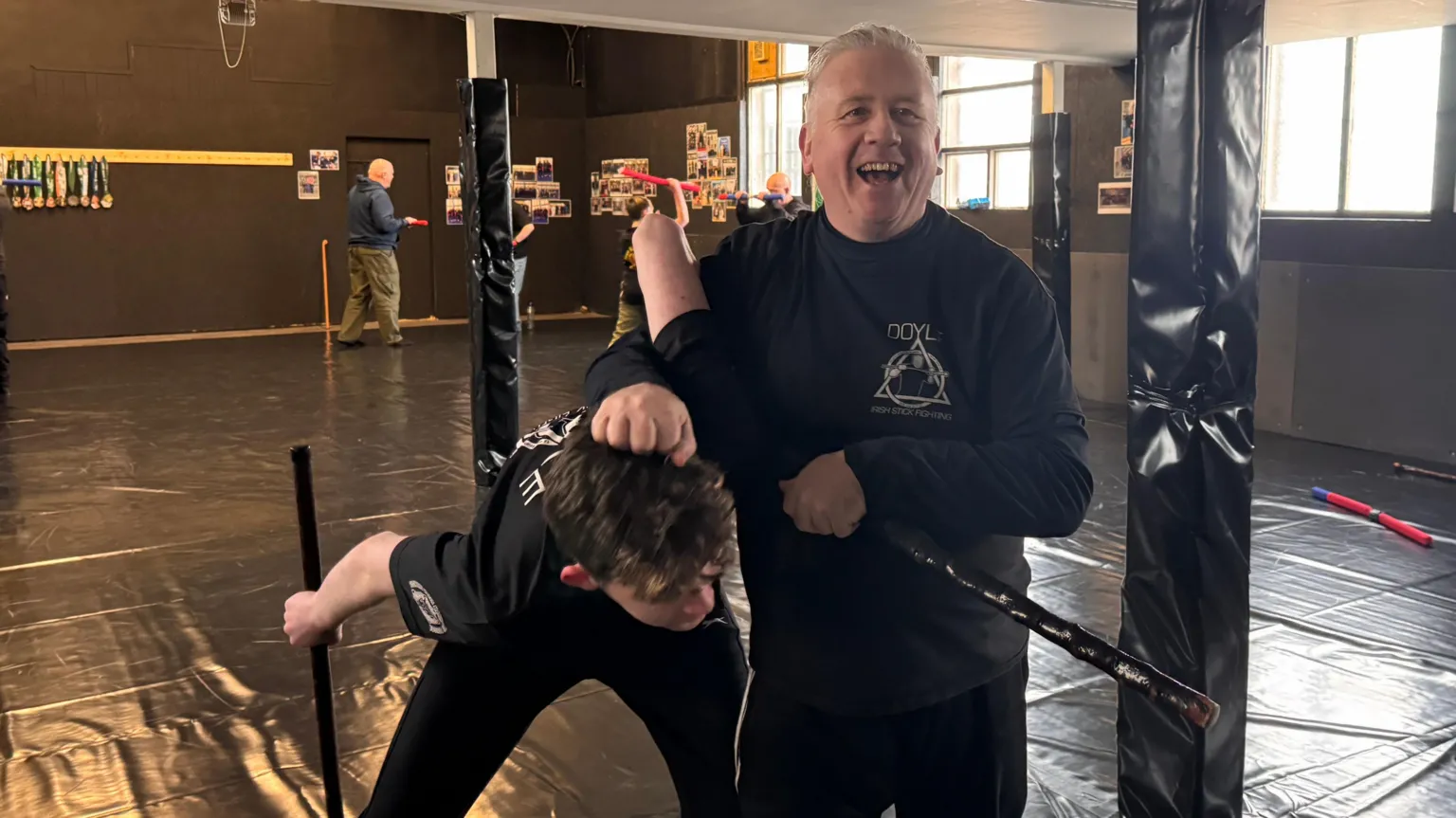
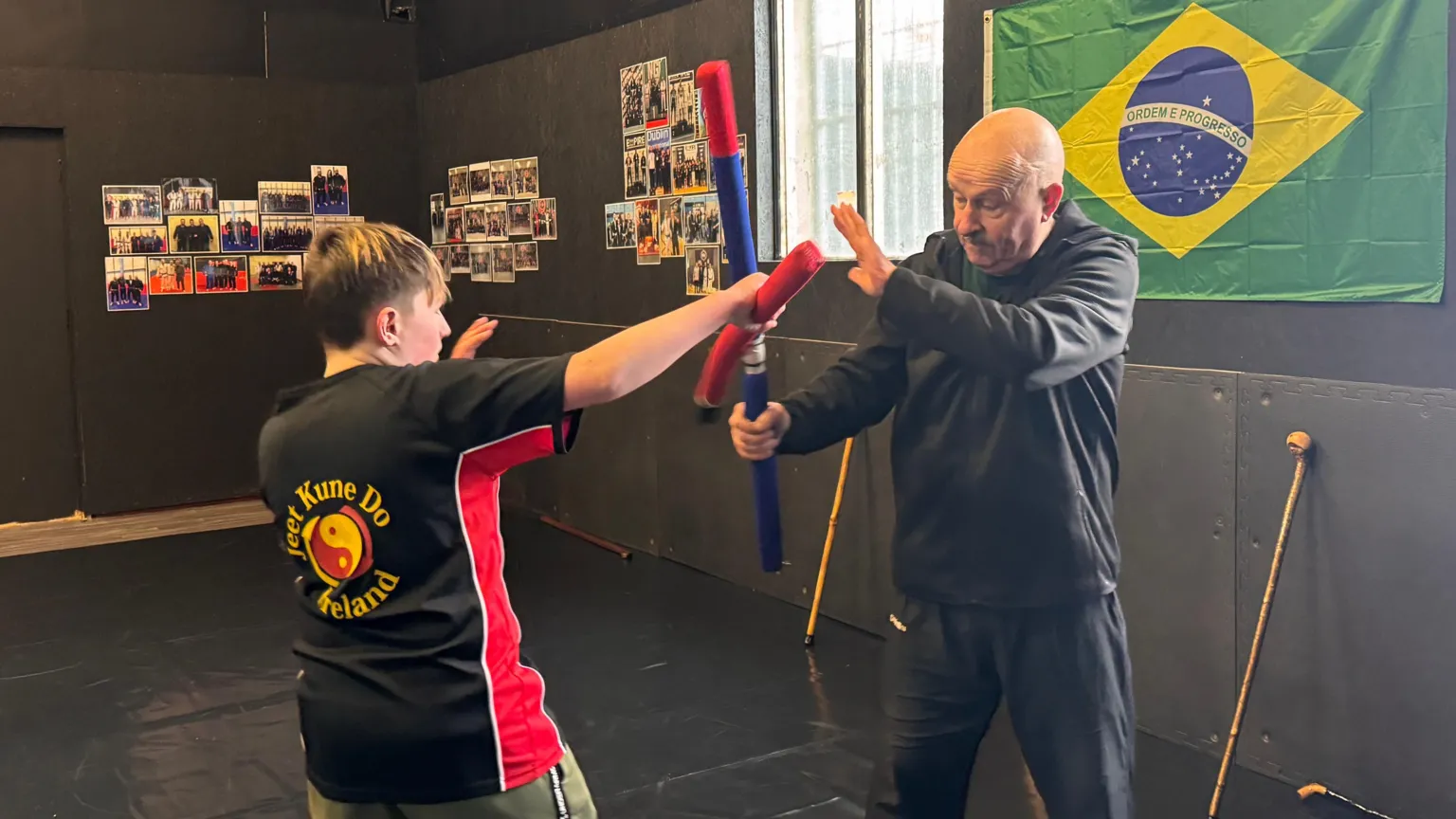
Bataireacht is a martial art that combines elements of boxing, fencing, and grappling, utilizing a shillelagh—a long stick traditionally made from blackthorn or oak. Practitioners use both hands to wield the weapon.
Historically, bataireacht was practiced during "faction fights," which were community events where disputes were settled or entertainment was sought through physical confrontations.
"This basically involved losing teeth and blackened eyes and breaking noses and these would be signs of badges of honour," Bernie explained.
After discovering bataireacht, Bernie traveled to Canada for an intensive two-week training with Glen Doyle, one of the last officially registered instructors worldwide.
Upon receiving the title of chieftain from Doyle, Bernie committed himself to preserving and promoting this martial art beyond Ireland.

"The Irish diaspora in America are very strong," he said. "When I go over, it's like a great meeting of these orphans of Ireland that have gone from generations ago, and connect back to Ireland. So this gives them that connection to us but we're a big family so they're a part of our family."
Young People Learning Old Tricks
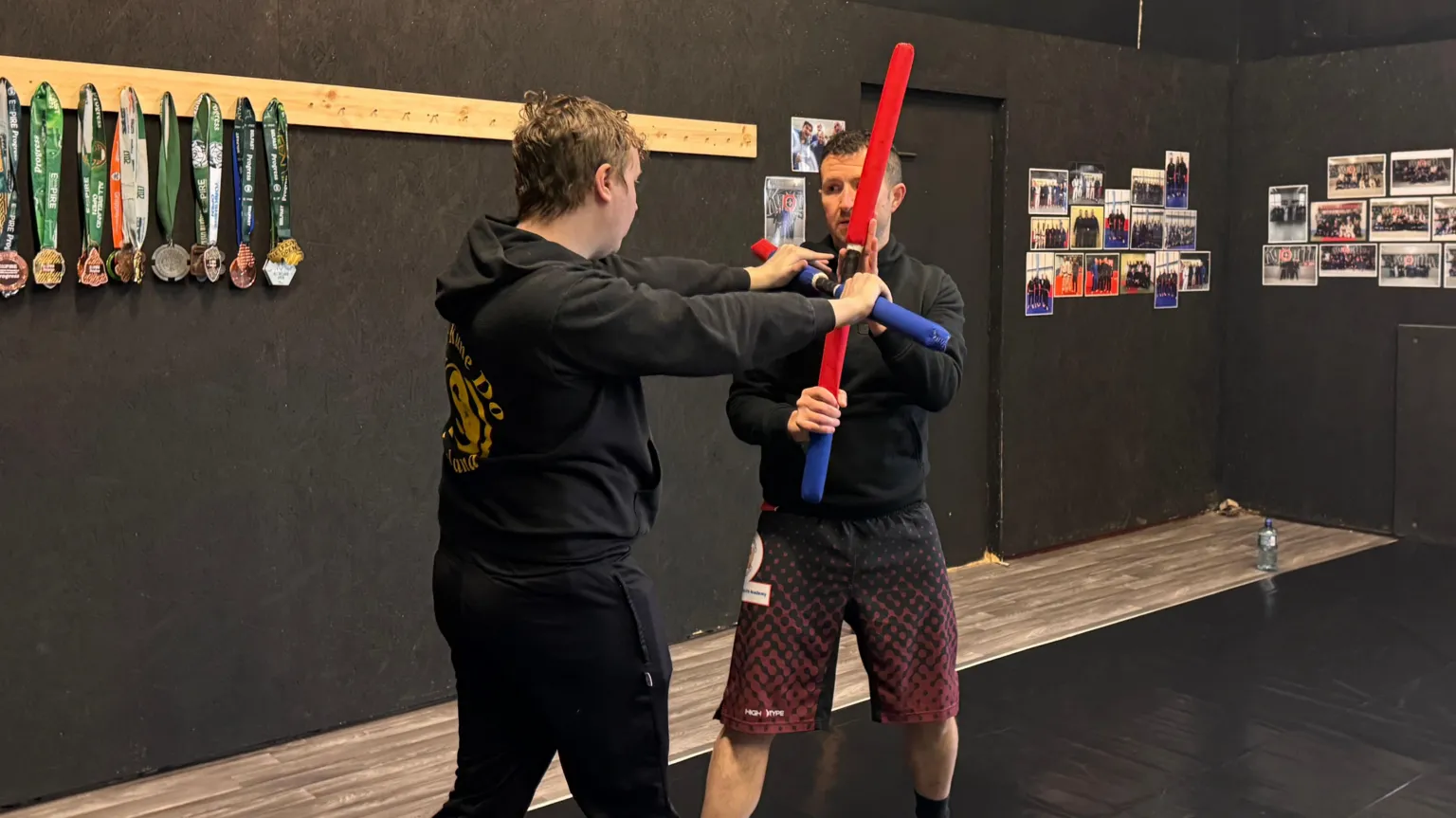
Family plays a central role in modern bataireacht, with younger generations embracing the fighting techniques of their ancestors.
Thirteen-year-old Loughlin achieved level four coaching certification last year. Although he acknowledged that bataireacht is not a typical sport for boys his age, he has introduced it to many of his friends.
"The first time I did it, I just loved it," Loughlin told NI. "I just loved that it was different, it wasn't the same as everything else."
Mastering this lesser-known martial art has also given Loughlin a sense of empowerment.
"I can tell where things are and I always find myself standing in the reset position," he said. "It just makes me feel confident and more safe."
Loughlin has ambitious goals for the future of bataireacht.
"It means a lot to me because I know I'm bringing back this almost dead martial art and I'm bringing it around Ireland and all over the world - it gives me a sense of accomplishment," he stated. "I want to become the best, I want to be just like Bernie and be the chieftain once he's gone, and I want to bring it all over the world."
Having Fun and Keeping Fit
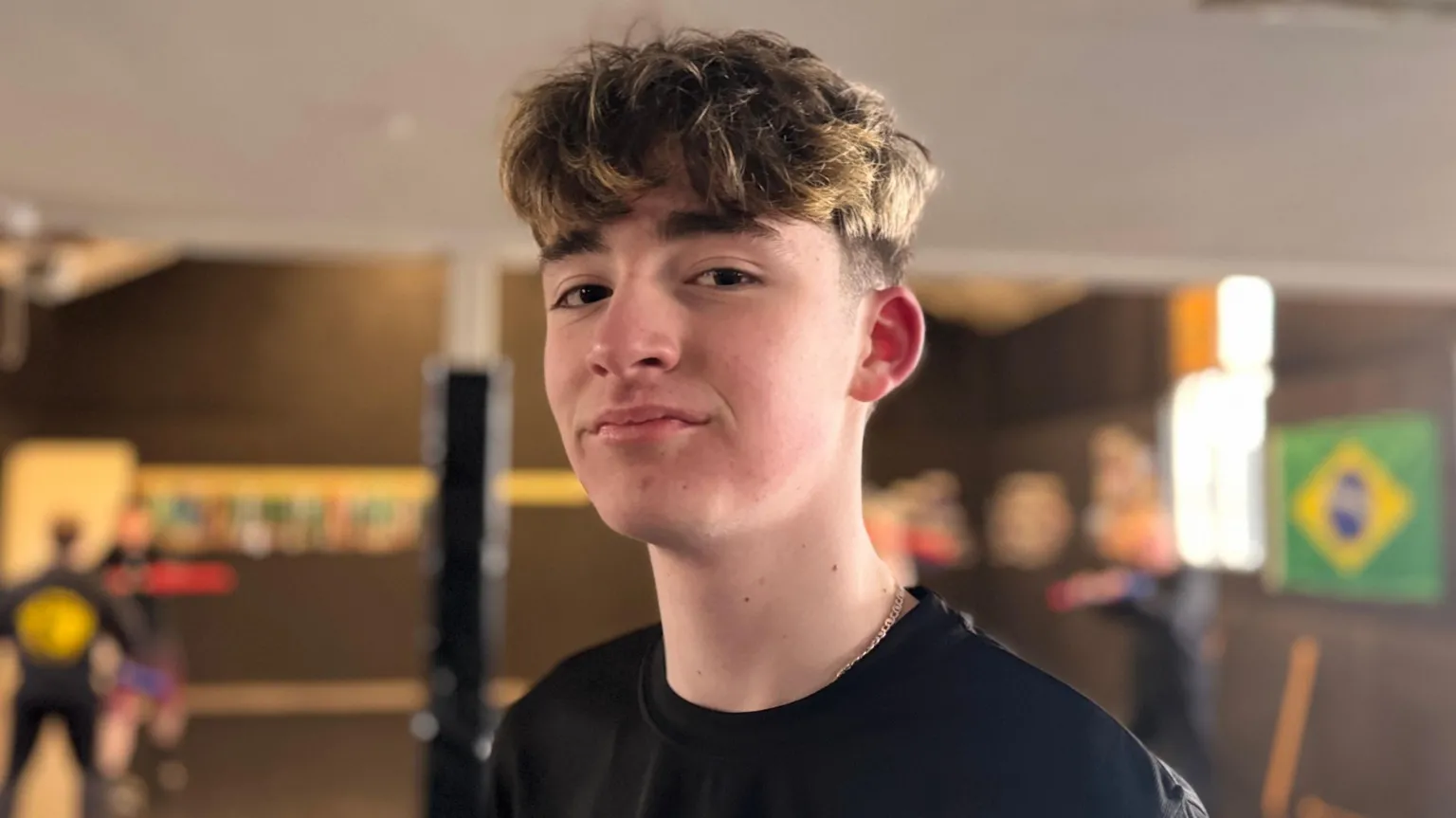
Martin O'Neill, a martial arts instructor with nearly 50 years of experience, was introduced to bataireacht during a seminar in Los Angeles.
"When I first started martial arts, it was a very much gung-ho and ego-centric and I don't want that, life's too short for that," Martin said. "I'm so glad it's been rediscovered because I for one didn't know about it. I think we've taken a more modern day approach to it and we're not beating lumps out of each other. We're having some fun, keeping fit and I think there is a bit of a sporting atmosphere around it but basically it's a self-defence method and a very, very good one."
Recently, Martin has been teaching bataireacht to women's groups, many of whom expressed feelings of vulnerability when outside.
"They really enjoyed it because it was giving them a sense of empowerment like: 'I've got a few things here that I know I could use if I needed to'. Hopefully they'll never need them... but if you're up against someone who isn't going to back off, you can sort of force them to back off," he added.
'Family is Our Badge of Honour'
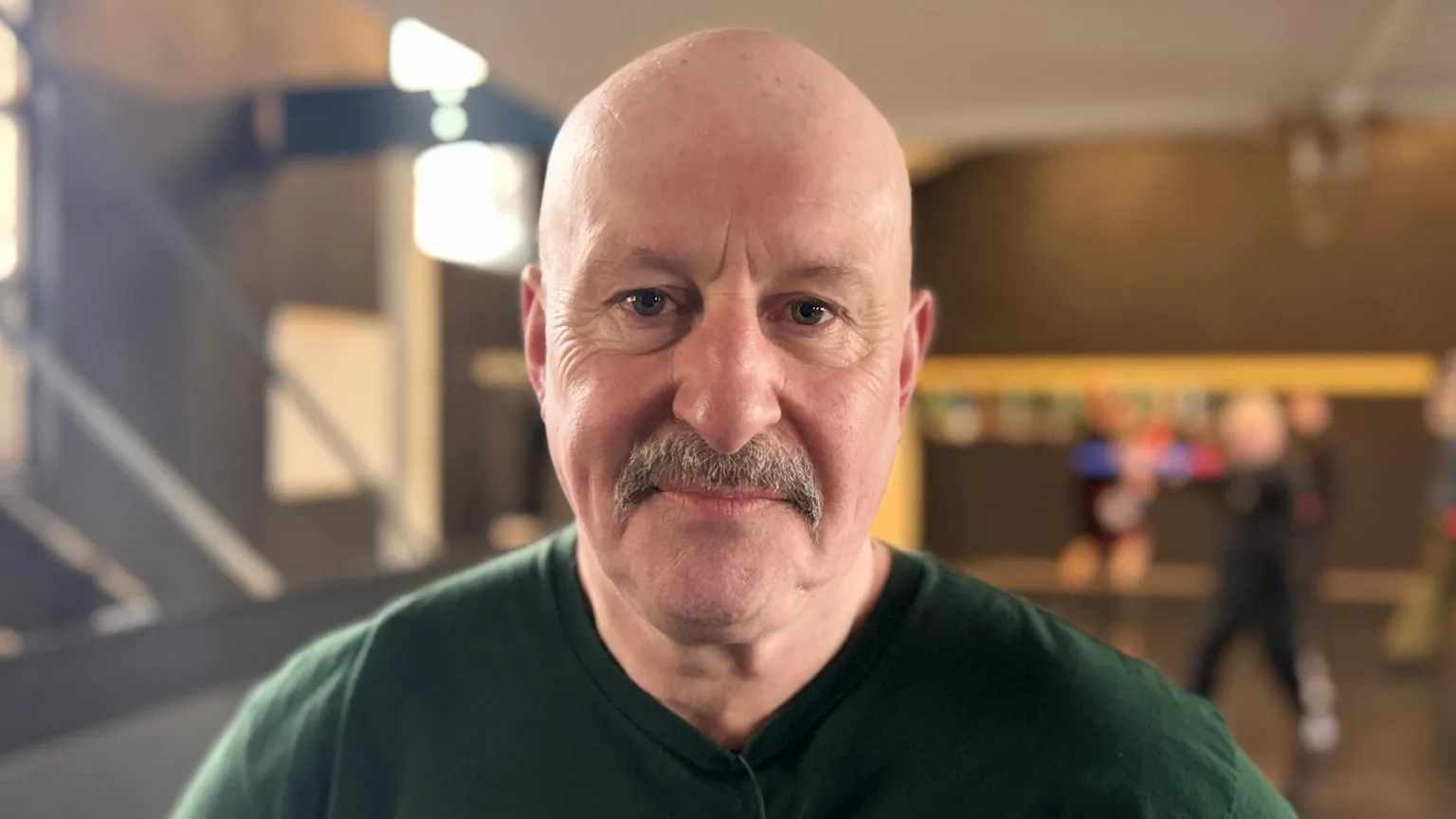
With bataireacht clubs established across Northern Ireland, from Dunmurry to Enniskillen and beyond, Bernie emphasized that the concept of a badge of honour has evolved beyond physical injuries.
"Factions nowadays are like families… and that kind of honour thing is going to a place and having friends, it's meeting and protecting yourself," he said. "That's very much what we do, we're very much looking after and protecting each other."
Bernie's role as chieftain extends beyond teaching; it is about respecting the heritage and those who practiced before.
"It's the same as why would we speak Irish? Why do we do hurling or football? It's the part of a traditional Ireland which was lost and we're very lucky it survived. What I love is that this links me to my past... it's the first martial art most of the Celts did so for me, it's a massive thing for Irish culture and we should embrace it."