

Glasgow Embraces Bees with New City Trail
Hollywood actor Nicholas Cage once famously exclaimed "not the bees!" in his ill-received remake of the horror classic The Wicker Man, but in Glasgow, attitudes toward bees are decidedly more positive.
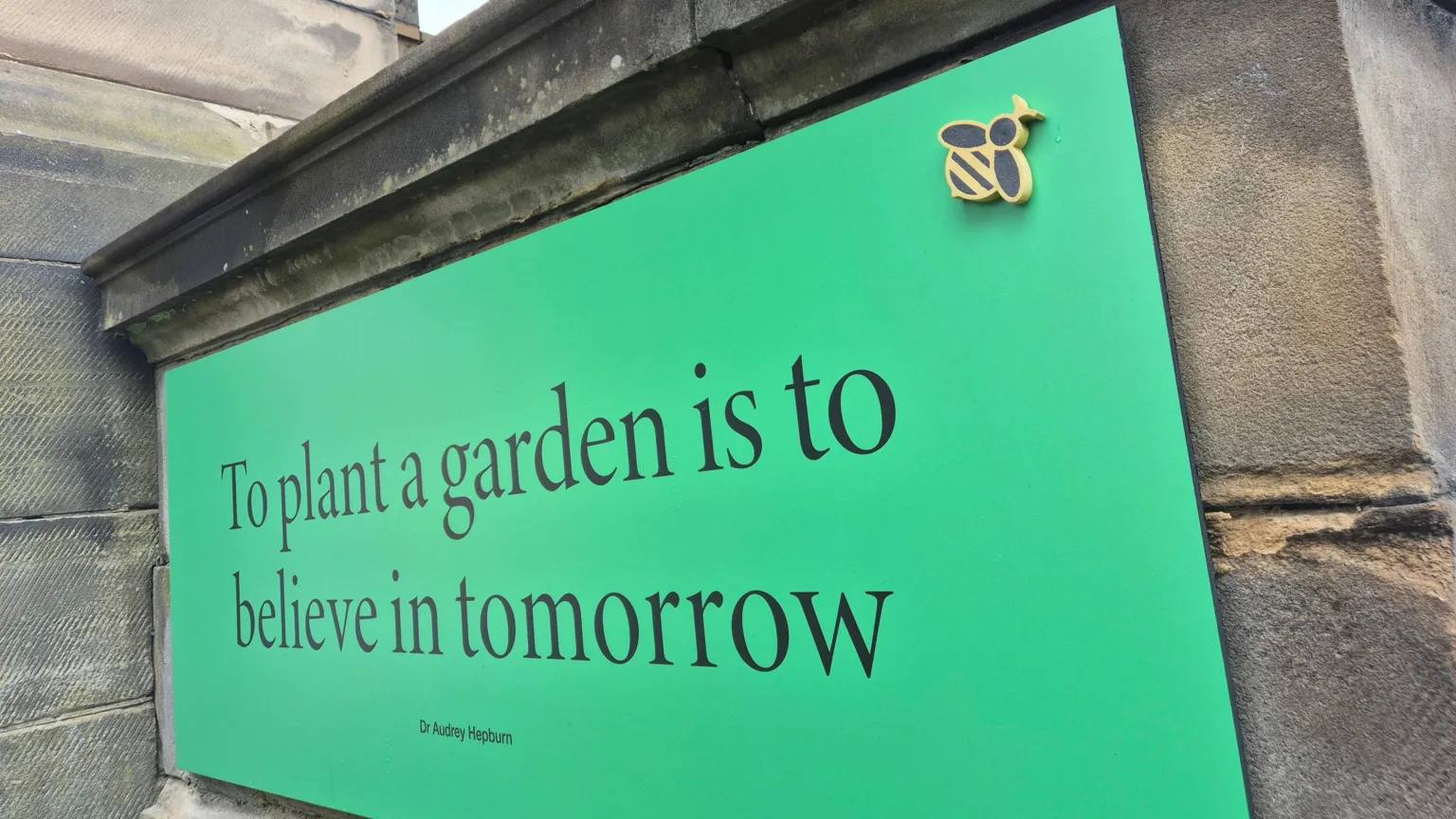
A new trail has been introduced in the city centre, featuring small bee models discreetly placed among plants, trees, gates, and plaques. The trail includes notable locations such as Glasgow Cathedral and the Royal Infirmary.
Actual beehives are located nearby at the Royal Infirmary, where honey produced by the bees is sold each winter. Organisers hope this trail will provide an engaging way for people to learn about bees while encouraging physical activity.
Origins of the Bee Trail
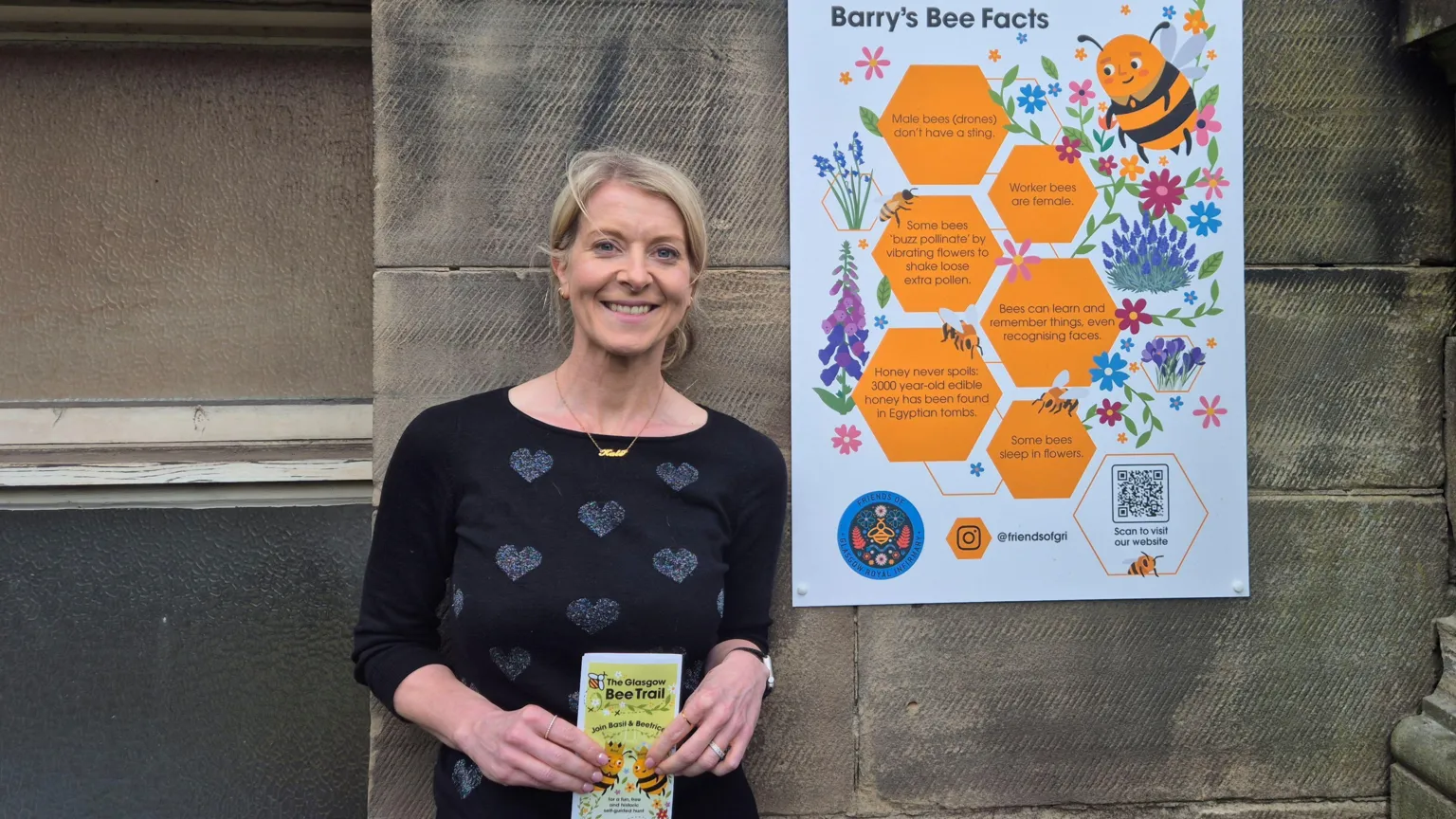
The initiative traces back several years and is connected to the Friends of Glasgow Royal Infirmary volunteer group, which focuses on preserving and promoting the hospital's history.
Dr Kate Stevens, a consultant nephrologist and volunteer with the group, was unexpectedly offered the opportunity to care for a hive at the Glasgow Royal Infirmary (GRI).
"We thought having the bees at the hospital would be nice, to have some nature and sustainability there - and we all like honey, too," she laughs.
"It's the nicest hobby. There is something therapeutic about it, just watching them buzz around and seeing everyone has a role within the hive. You feel a sense of calm when you are with the bees."
From this experience, Dr Stevens developed the idea of a city trail with fellow volunteer and beekeeper Dr Hilary Wilson, who initially proposed bringing a hive to the hospital.
"I'm not sure why I had the idea at first," admits Hilary, a consultant physician and rheumatologist by profession.
"We use the storeroom roof at the back of the hospital, and we started off with three hives.
One of them had to be split up, and Kate and I got asked if we wanted to look after a hive each."
Already invested in raising awareness about the hospital's history, the pair soon conceived the idea of educating the public about bees in Glasgow through the trail.
"The trail came as an idea after that - Kate originally sketched it out on this piece of paper, and it's now this nice off-shoot of the Friends of Glasgow Royal Infirmary."
Highlighting Glasgow’s Natural and Historical Treasures
Dr Stevens hopes the trail will draw attention to what she describes as a hidden natural treasure within Glasgow.
"The cathedral precinct area is such a nice part of the city, but although people come to the cathedral, they often don't realise there are these nice green spaces hidden around here, with a lot of wildflowers and a lot of nature," she explains.
"Each bee is positioned somewhere that has both history and also aspects of nature in the middle of a bustling city."
The trail features 23 bee models, each named with a moniker beginning with the letter B, a naming challenge Dr Stevens notes with humor. Additionally, two bonus bees are located slightly further afield.
Dr Stevens estimates that completing the entire trail involves approximately 4,000 steps and covers around 2.5 kilometers (1.55 miles).
Key sites along the route include the Necropolis, Barony Hall, and Glasgow’s oldest house, Provand's Lordship.
Creative Contributions and Community Impact
Emma Murray, an architect and graduate of the Glasgow School of Art, was commissioned to create the small bee sculptures now visible throughout the city.
"It's been a really good project to be involved, especially as Kate and Hilary are doctors and are doing this all on the side.
It's exploring a historic part of the city that you maybe wouldn't think to take your kids to."
Dr Stevens believes that increasing public awareness about bees will contribute to addressing broader environmental concerns, as some bee species face decline due to changing conditions.
Recent studies have warned that certain species could disappear from Britain entirely, with wild bees particularly vulnerable and biodiversity overall at risk.
"People love bees, but they often don't know a huge amount about them, other than they are important," concludes Dr Stevens.
"So it's quite nice to have some bee facts around, explain why they are important and what you can do to help them."


