

A Scottish design that conquered the world
Once used to lower engines, boilers, or heavy cargo such as steam locomotives into the bellies of ships, Scotland's four giant cantilever cranes beside the River Clyde now stand as rusting monuments to the nation's industrial heritage.
These cranes are iconic structures, with the oldest surviving example, the Titan Crane at Clydebank, having undergone a multimillion-pound transformation two decades ago into an award-winning visitor attraction. However, it has been closed since 2018, and no definitive plans have been announced to reopen or repair it.
Giant cantilever cranes originated at the start of the 20th century, during a period when Scotland was a global leader in shipbuilding and engineering. While similar to the German "Hammerkran" cranes, they featured a distinct design. Research by the late industrial historian Brian Newman identified the first such crane as being built in 1904 by the Glasgow Crane and Electric Hoist Company for a shipyard in Sunderland.
The cranes were notable not only for their capacity to lift heavy weights but also for the precision with which they could maneuver loads.
"If you got one of these, you'd really made it as a shipyard,"explained Miles Oglethorpe, former head of industrial heritage at Historic Environment Scotland.
Over the following 70 years, nearly 50 giant cantilever cranes were constructed worldwide, with approximately half involving companies based in or near Glasgow. Today, it is believed that only about a dozen survive, including three in Japan.
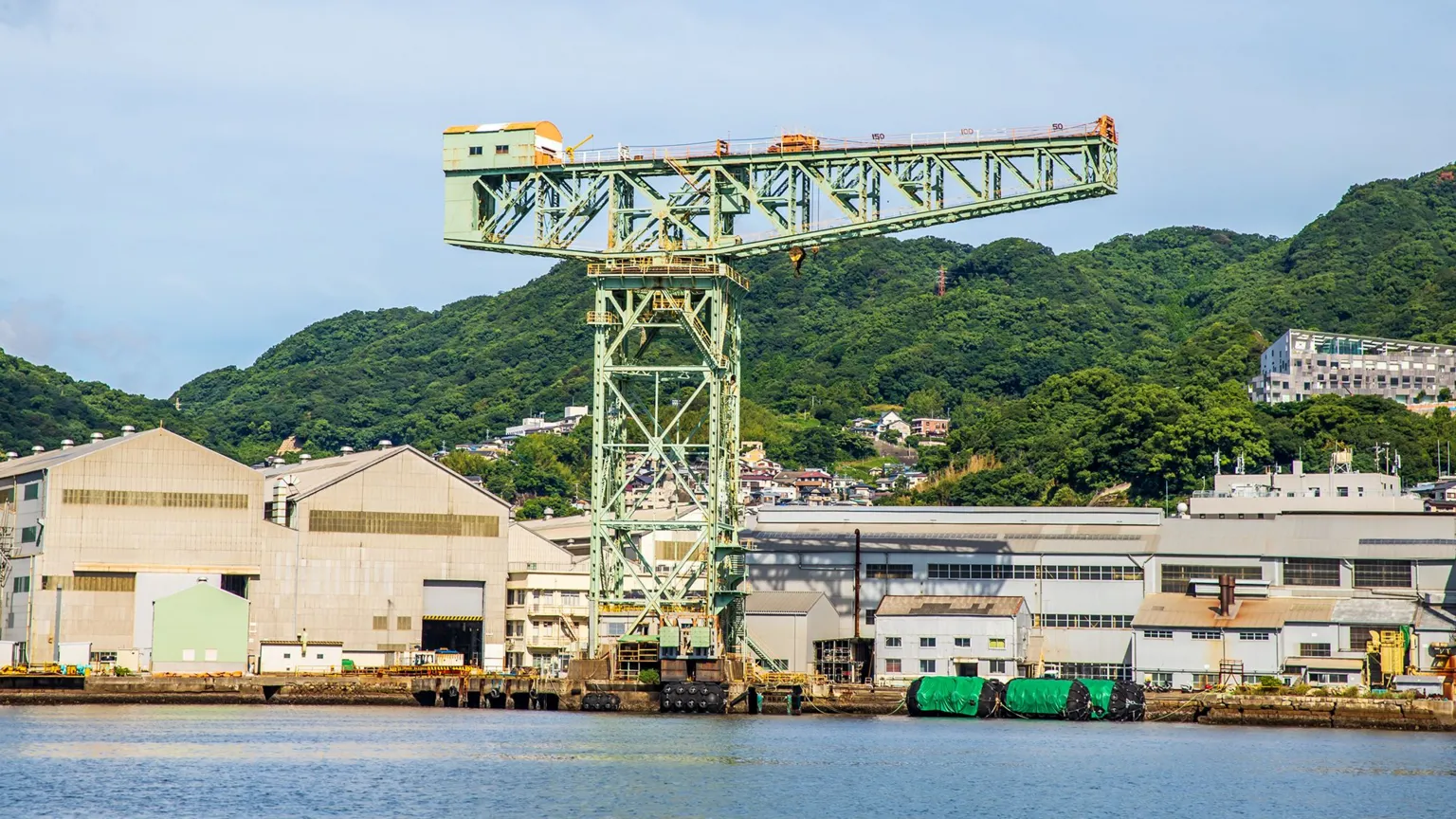
One such crane in Nagasaki survived the atomic bomb blast in 1945 and remains operational 117 years after being fabricated and shipped from Scotland.
The Clydebank 'Titan'
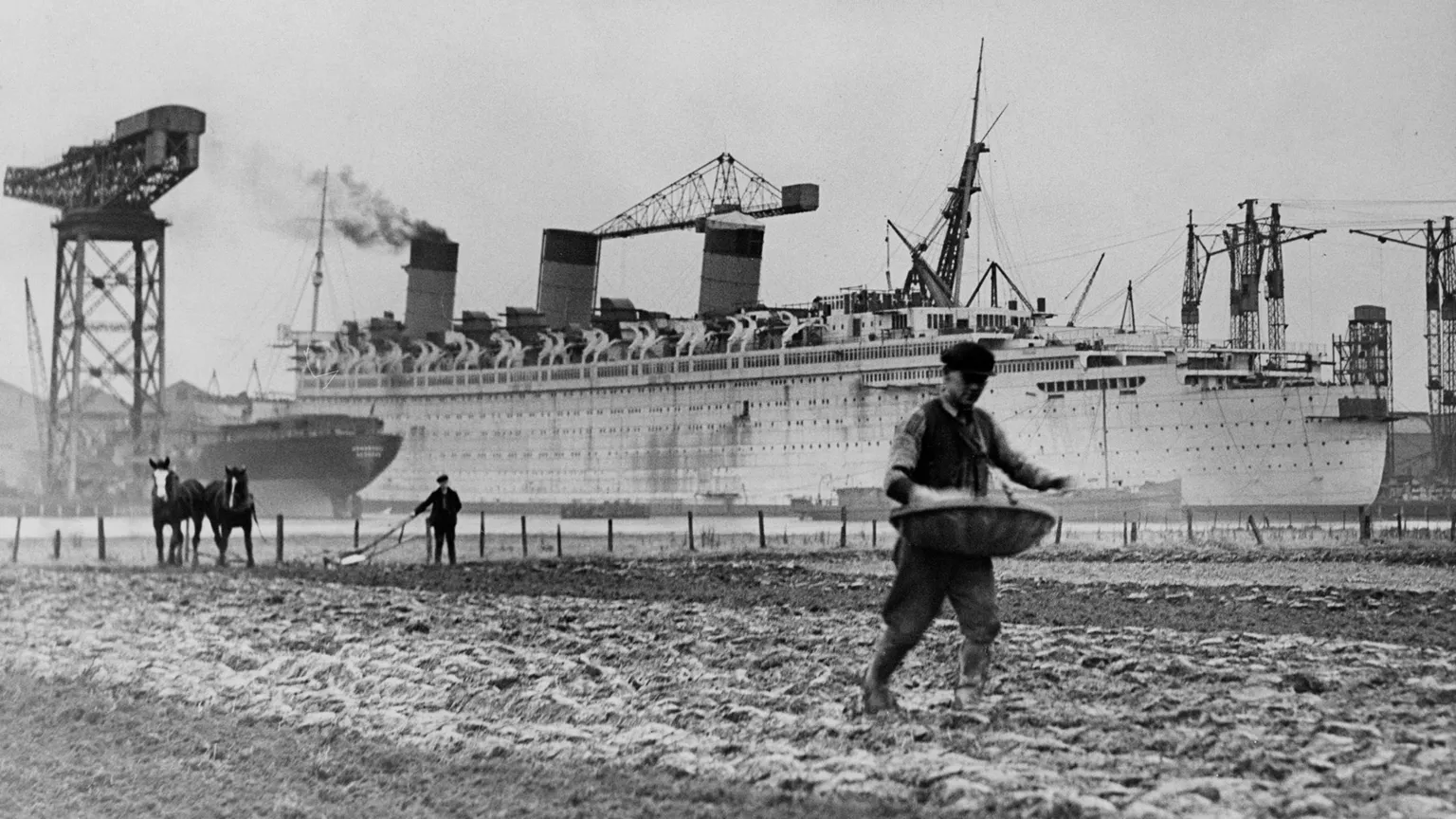
The "Clydebank Titan" is the oldest surviving giant cantilever crane globally, built in 1907 for the John Brown shipyard, known for constructing renowned vessels such as HMS Hood, the Queen Mary, Queen Elizabeth, and the QE2. It was the first giant cantilever crane built by the distinguished Glasgow engineering firm Sir William Arrol & Co, whose prior projects included the Forth Bridge, Tower Bridge in London, and the Tay Bridge.
During the 1941 Clydebank Blitz, when only seven out of 12,000 properties in the town escaped damage from German bombing, the giant crane remained unscathed. Shipbuilding ceased at the site in the 1970s, after which the crane was used for oil rig construction until the yard closed in 2001.
Six years later, the crane reopened as a visitor attraction featuring an elevator, strengthened walkways, and an exhibition detailing the town's shipbuilding history. Despite receiving accolades, including designation as a world Mechanical Engineering Landmark alongside structures such as the Eiffel Tower, visitor revenue was insufficient to cover operating costs.
The attraction closed in 2018. Its owner, Clydebank Property Company, linked to the local council, currently has no firm plans to reopen and is conducting a "strategic review" of options. One significant challenge is the cost of repainting, with estimates from two years ago ranging between £1.2 million and £7.3 million.
The 'Finnieston crane'
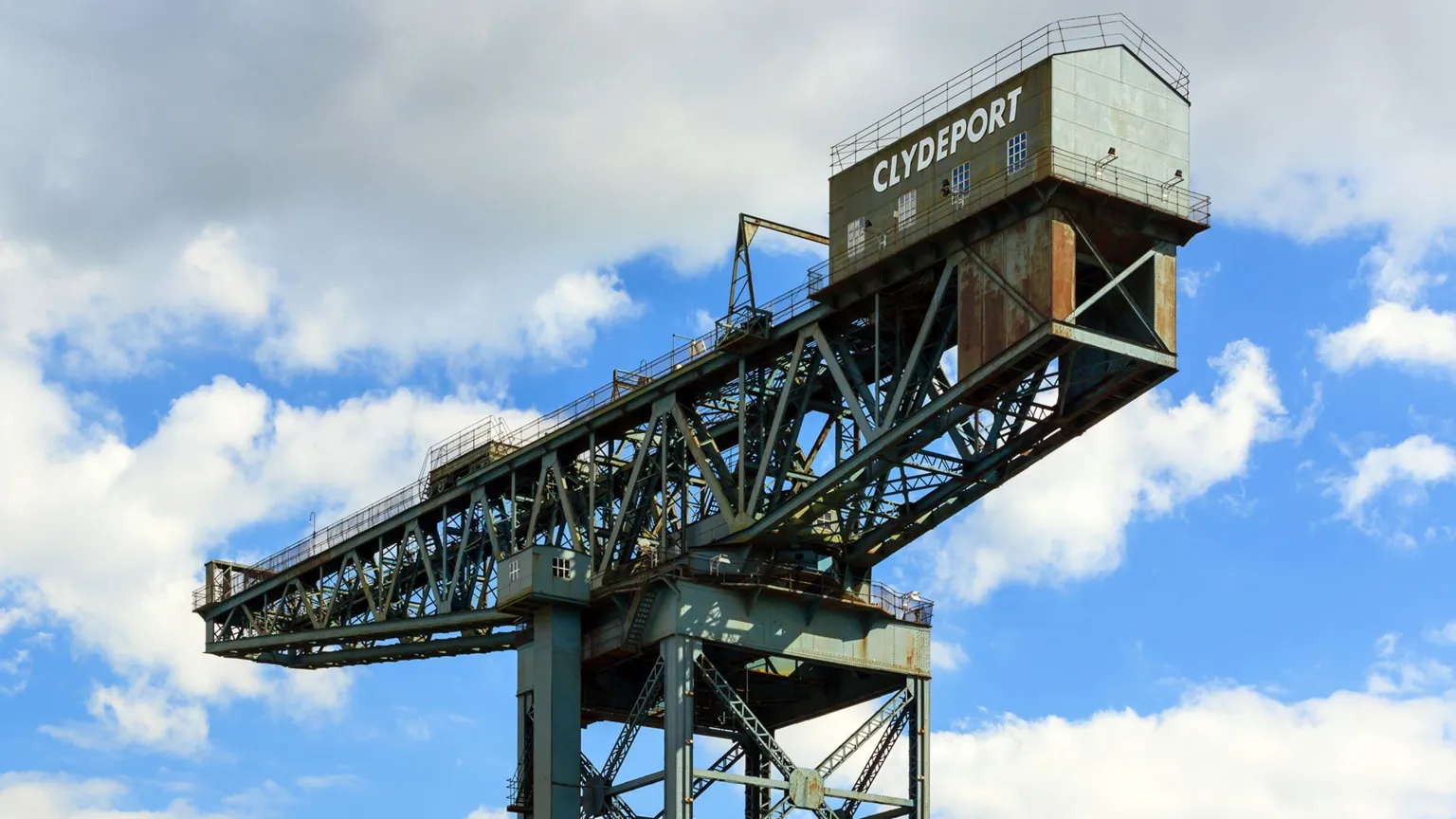
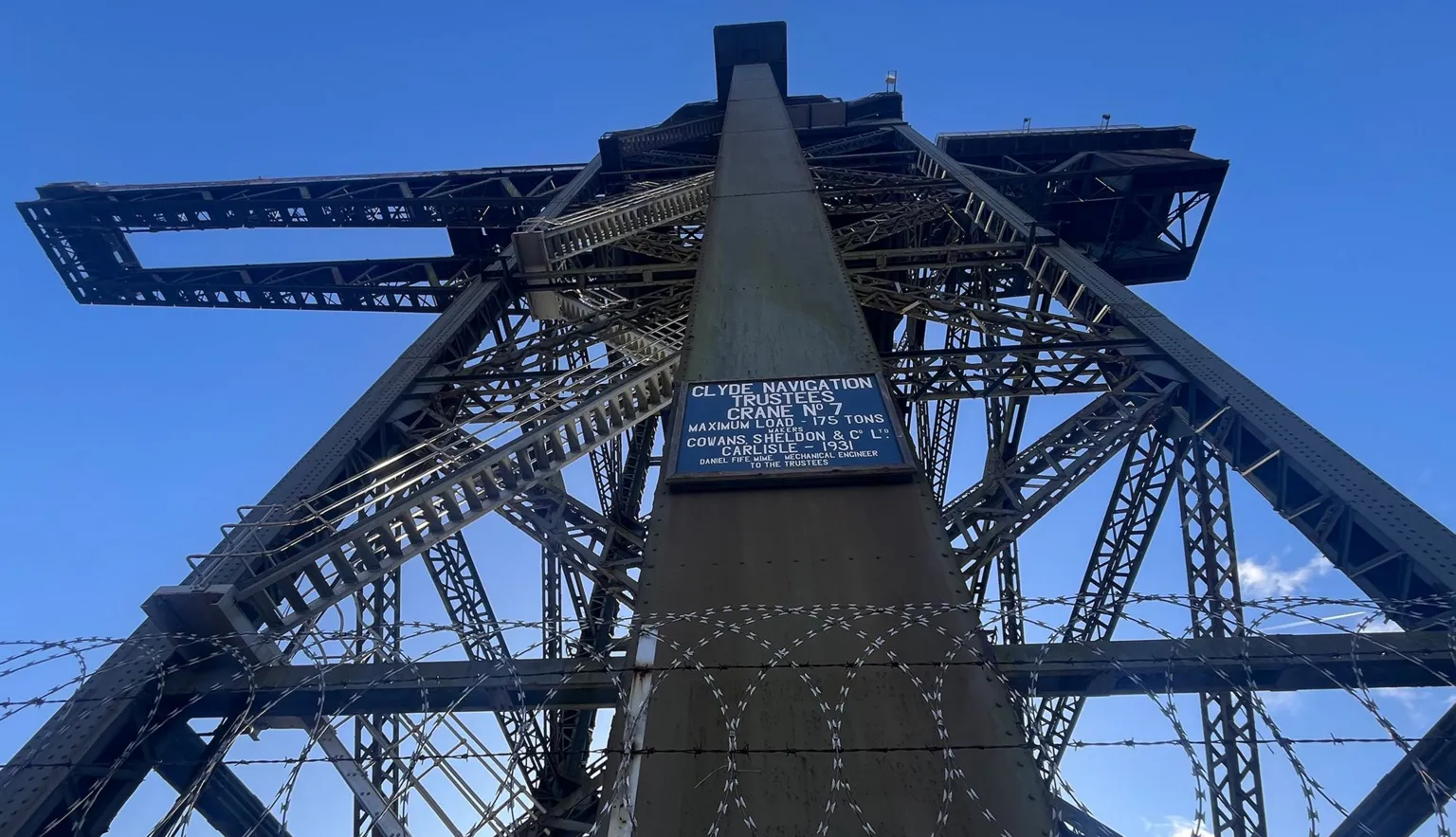
Glasgow's coat of arms includes a tree, a bird, a fish, and a bell, but the giant steel latticed structure beside the Clyde has become an unofficial emblem of the city. Officially named Clyde Navigation Trustees Crane No. 7 and sometimes called the Stobcross Crane, the 175ft (53m) structure is best known as the Finnieston Crane, named after the crane it replaced and the adjacent quay.
Completed in 1931, one of its primary uses was loading steam locomotives from the St Rollox works into cargo holds for export worldwide. Anecdotes suggest it once interfered with television reception in parts of Glasgow depending on the orientation of its massive jib, and residents of Govan reportedly offered the operator incentives to prevent disruption.

Ironically, this Scottish icon was constructed by two English firms, although the foundations and some design work were provided by Sir William Arrol & Co Ltd. The crane is currently managed by The Big Cran Co, a public interest company that announced £7 million plans six years ago for a restaurant, museum, and visitor centre. While some funding has been secured and used to replace stairways, little progress has been made on the broader project despite the crane's prime location beside the Scottish Event Campus.
James Watt Dock and Barclay Curle cranes
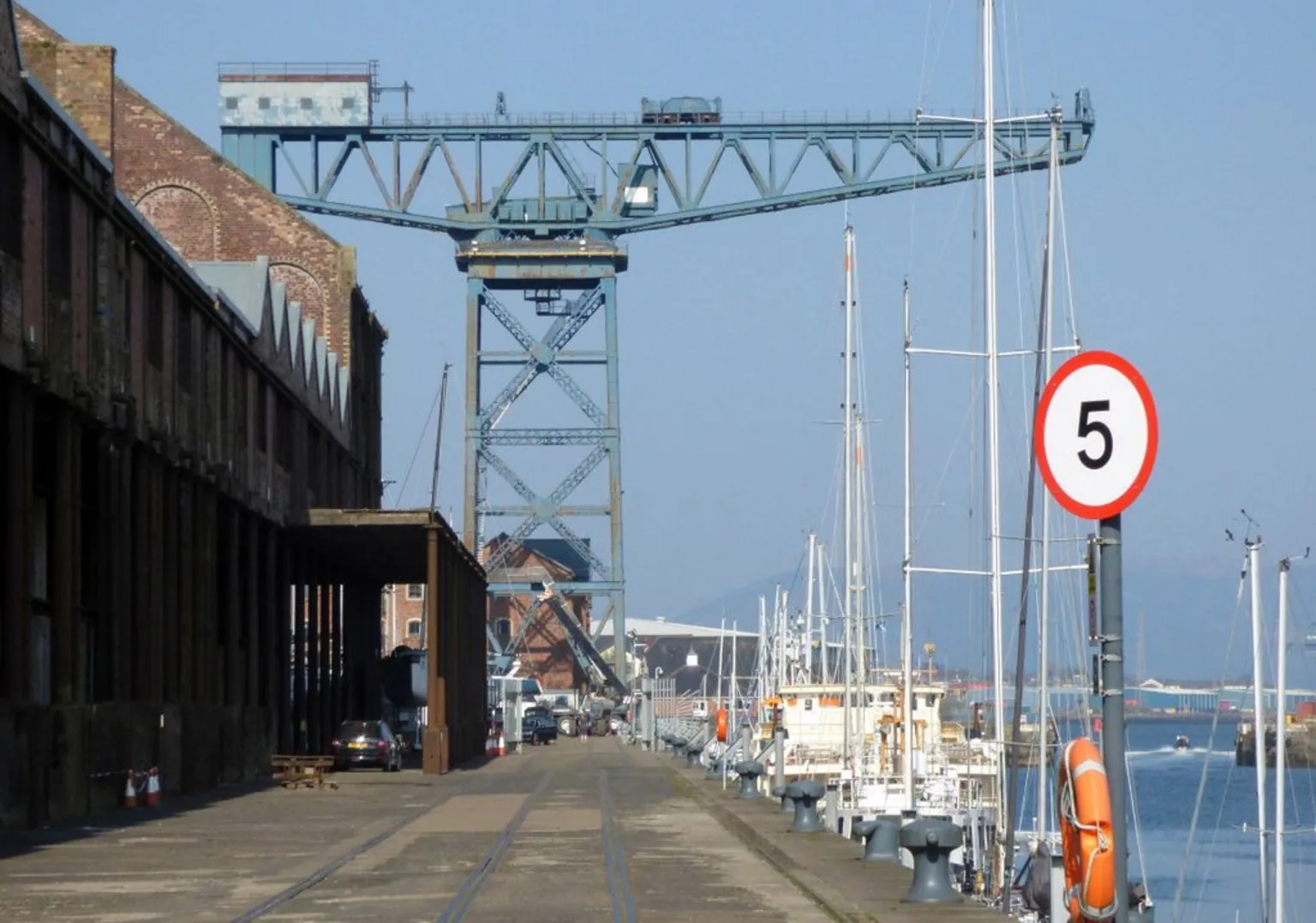
The giant cantilever crane at Greenock's James Watt Dock, built in 1917 during World War One, was another project led by the engineering firm Arrol. It was used for fitting out ships for the Greenock Dockyard Company, particularly lowering heavy components such as engines from the nearby Kincaid works into ship hulls.
In late 2024, the crane was cordoned off after reports of debris falling onto yachts in the adjacent marina. An inspection, however, found no major structural issues. Planning permission is currently being sought to utilize the crane for an urban zipline attraction running along the dock behind the town's listed "Sugar Shed" buildings.
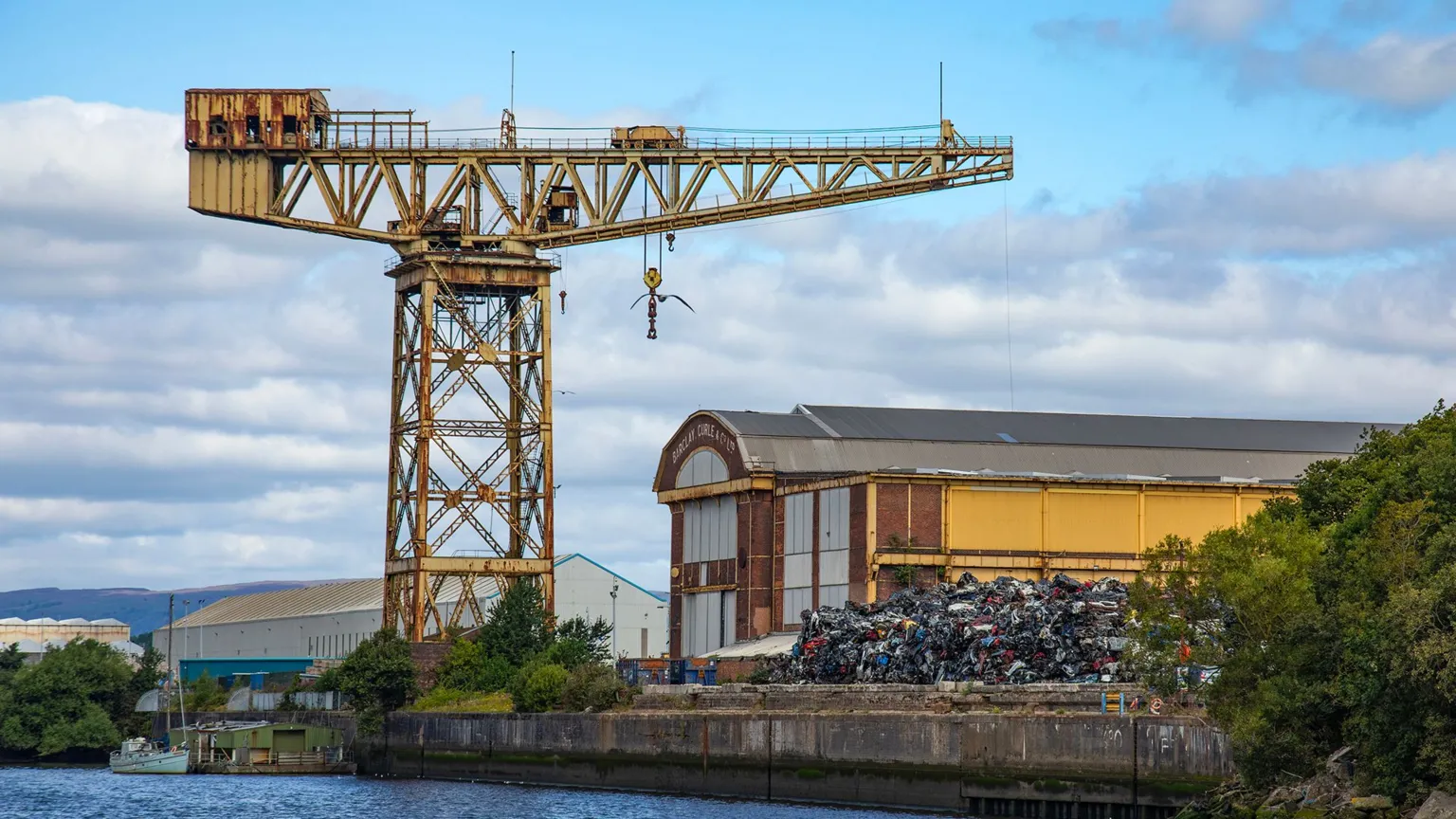
The entrepreneur behind this plan, Bradley Mitchell, also owns the fourth surviving giant crane on the Clyde, located at the former Barclay Curle shipyard site in Whiteinch, Glasgow. Dating from 1920, this crane stands beside the former North British Diesel Engine Works building, one of Scotland's earliest examples of modernist industrial architecture.
However, its location within an industrial site housing storage units and other businesses makes it the least accessible of the cranes, best viewed from the south side of the river.
How can the cranes be preserved?
All four surviving giant cranes in Scotland are category A-listed, indicating their history and architecture are of national or international significance. Owners have a legal obligation to seek consent for any alterations and to maintain the structures, though the often damp climate renders upkeep costly.
For context, a 10-year project to repaint the Forth Bridge with an epoxy-based treatment was completed in 2011, providing 25 years of protection at a cost of £130 million. While repainting the smaller cranes would be less expensive, the required investment remains substantial, as demonstrated by the Clydebank crane's maintenance challenges.
The Barclay Curle crane is currently showing signs of rust, although Mitchell intends to commence repainting later this year. He believes that commercial ventures, such as the zip-wire plan for the Greenock crane, could generate revenue to fund maintenance.
"People go, it's iconic, it's got to stay. But the government or council can't pay for it because it's that much money for the upkeep,"he said.
Glasgow MSP Paul Sweeney, who has an interest in industrial heritage, is working to unite the various crane owners to explore more cost-effective maintenance strategies.
"They're all very similar in structure, so if we could come up with a standard set of maintenance protocols, then we could take a collective approach and that would help reduce the costs,"he explained.
Sweeney also sees potential for sponsorship or advertising revenue to support preservation efforts.
Miles Oglethorpe, formerly of Historic Environment Scotland, is optimistic that advancements in paint and steel-coating technologies could reduce preservation costs.
"These iconic cranes are an important part of Scotland's history and cultural identity,"he said.
"As such, Glasgow's Giants should be seen as monuments in much the same way as more conventional heritage such as our ancient castles.
"I think their conservation and long-term future depends on people better appreciating their significance and value, something that is already reflected in their A-listed status."


