

Historic Boleskine House Reopens After Extensive Renovation
A 265-year-old house with a rich history, including connections to the son of an executed Jacobite, the occultist Aleister Crowley, and rock star Jimmy Page, has reopened to the public following a seven-year renovation.
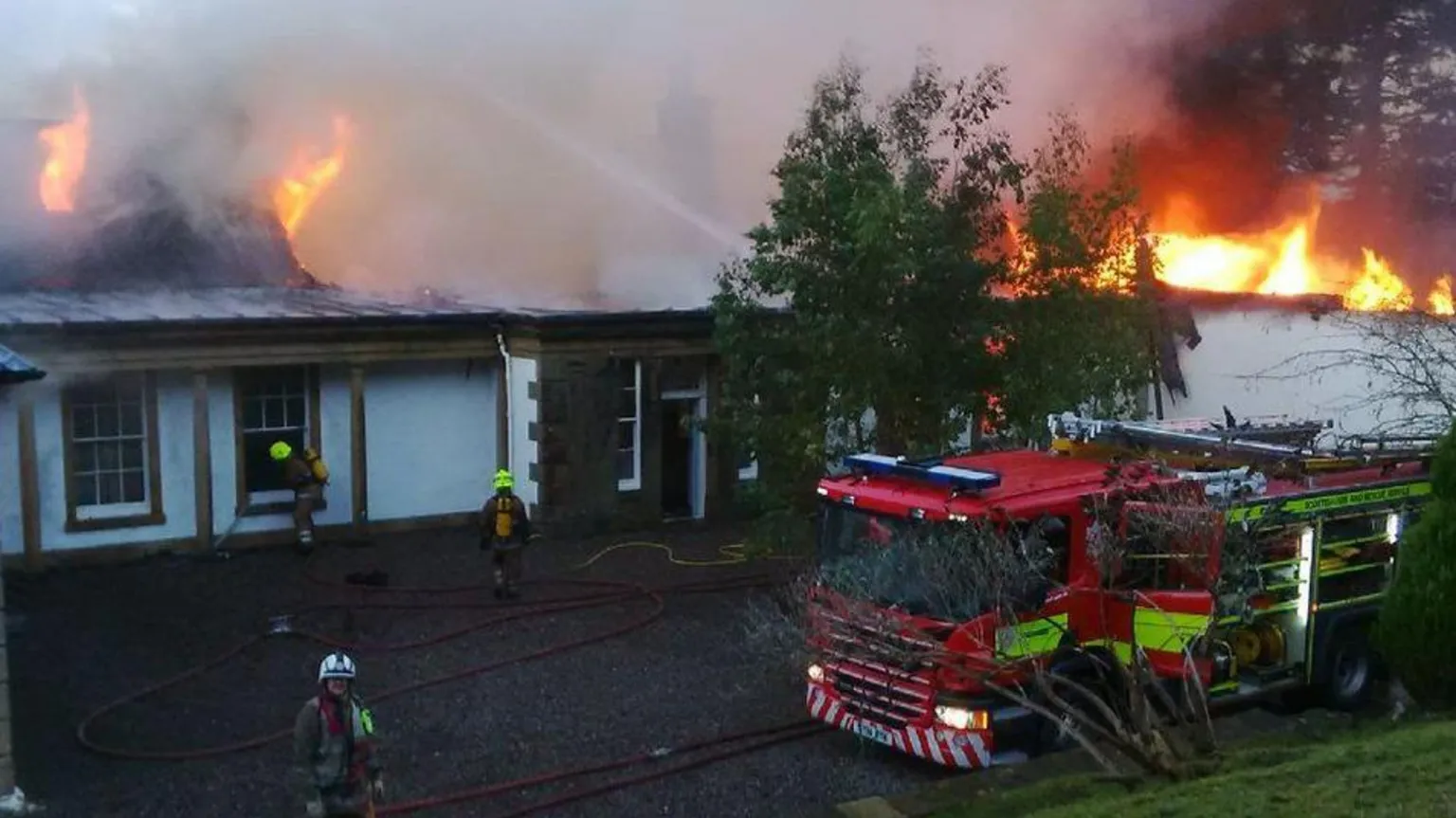
Category B-listed Boleskine House, located near Loch Ness by Foyers, suffered severe damage from two fires, one in 2015 and another in 2019, the latter believed to be deliberately set. After these incidents, the Boleskine House Foundation acquired the property and undertook its restoration, aiming to establish it as "a community hub for art, culture, and education."
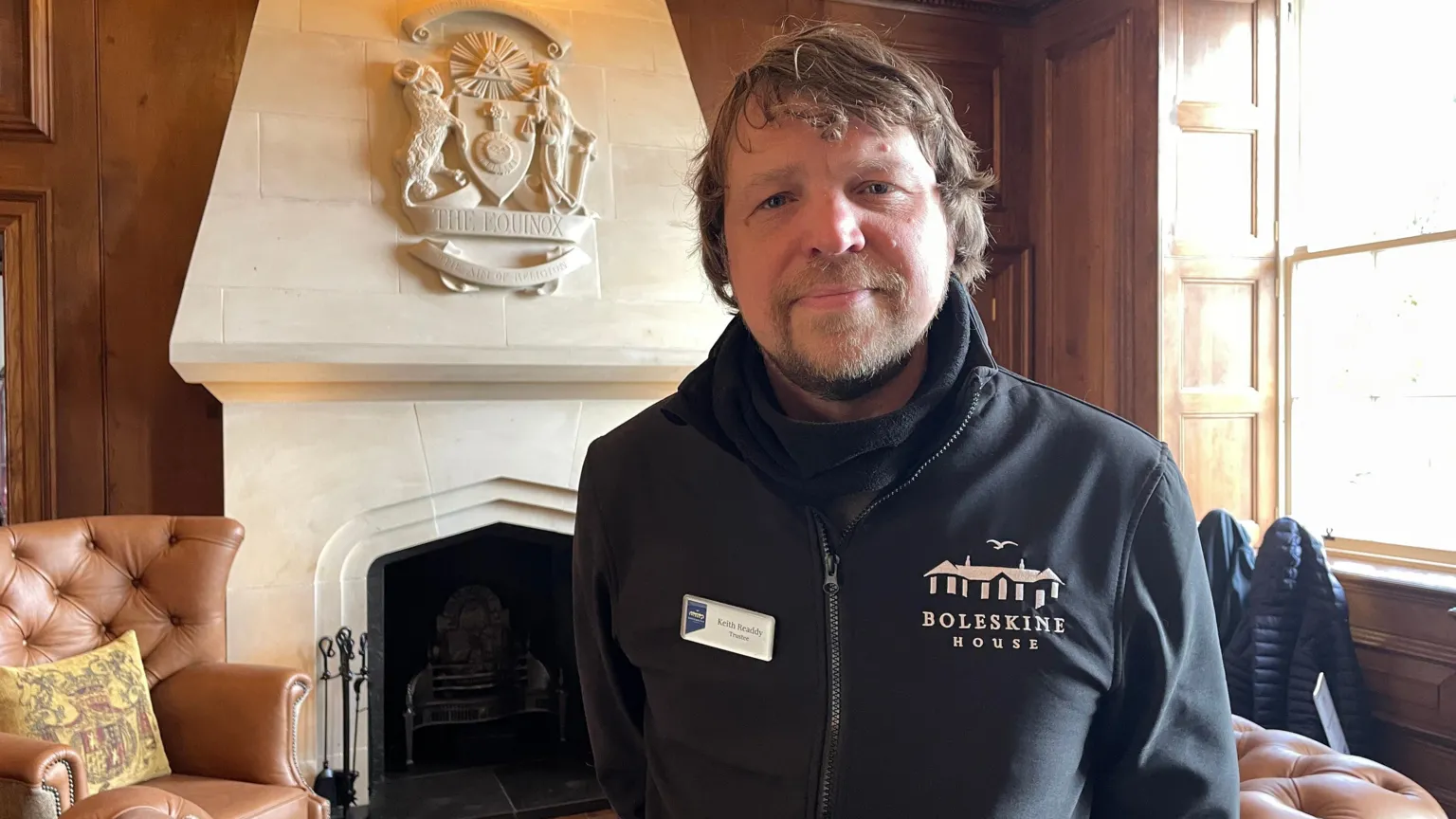
Keith Readdy, trustee chairman of the charity, expressed his sentiments about the reopening:
I am just so happy, relieved and excited and looking forward to seeing what it will become after seven years' hard work.
I think that we've put all these seven years in and it will be a place of enjoyment, education, edification, recreation for many people in the decades to come.
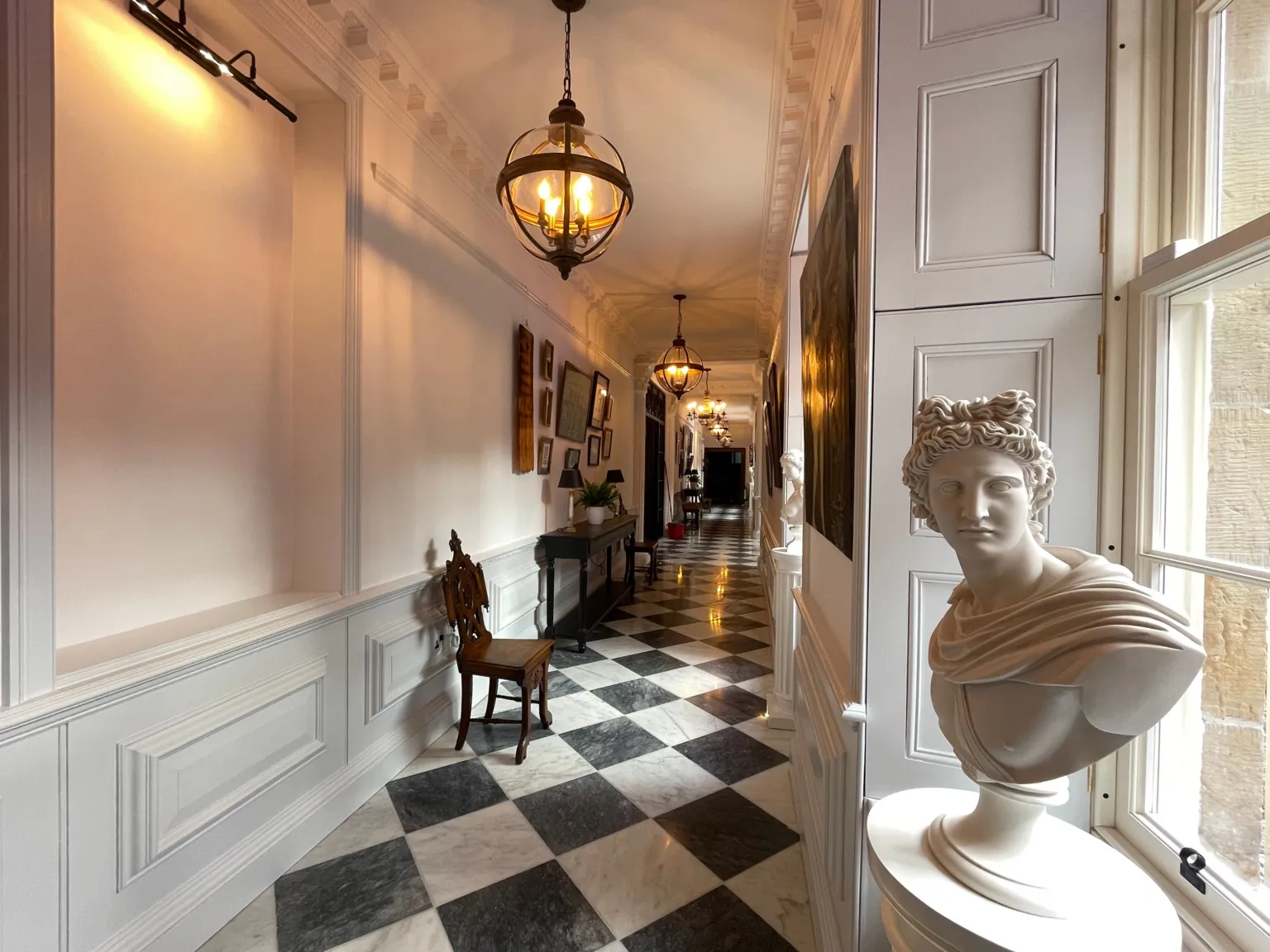
The Georgian house officially opened its doors on Friday evening with a gala event. Additionally, the foundation is offering tickets for an open day on Saturday, featuring house tours, live music, and heritage workshops.
Visitors will have the opportunity to take self-guided tours to learn about the house's history and the restoration process. The venue will also host art exhibitions and cultural performances.
Readdy emphasized the foundation's vision for Boleskine House:
We wanted the house to be one of the most unique artistic, cultural, historical places of enjoyment around Loch Ness.
Funding for the project came from various sources, including grants from the Heritage Lottery Fund and Highland Council, public donations, and personal contributions from Readdy himself. The total cost of the restoration is yet to be finalized.
Restoring a Fire-Damaged Ruin
Readdy described the initial state of the building when the foundation took ownership:
We inherited a ruin. Burnt timbers collapsed into floors and stone everywhere collapsed into the building.
We lost nearly most of the interiors of the house. There was hardly anything left.
Despite these challenges, the team was determined to save the property.

We thought that this was a very unique opportunity that could really do something and enhance public enjoyment and public knowledge and interpretation of the past, present and future.
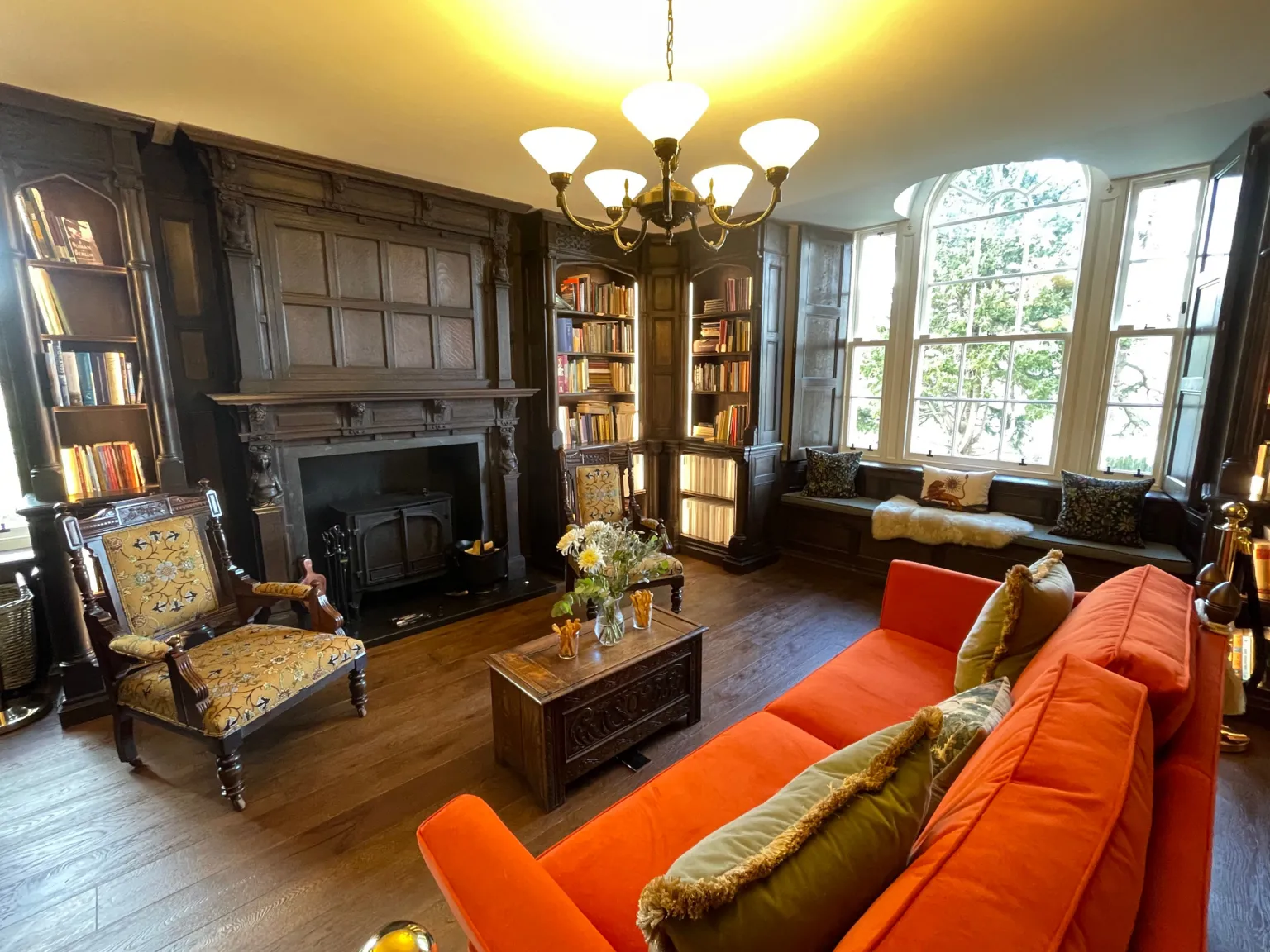
Over the past seven years, restoration efforts have focused on preserving and reimagining the house's historic integrity to the best of their ability.
Readdy highlighted the role of volunteers in the project:
Thirty volunteers have contributed all their very unique skills to the project.
Due to limited photographic records, especially of the interiors, the team relied on scarce 19th-century sepia-toned images and exterior photos to guide their restoration.
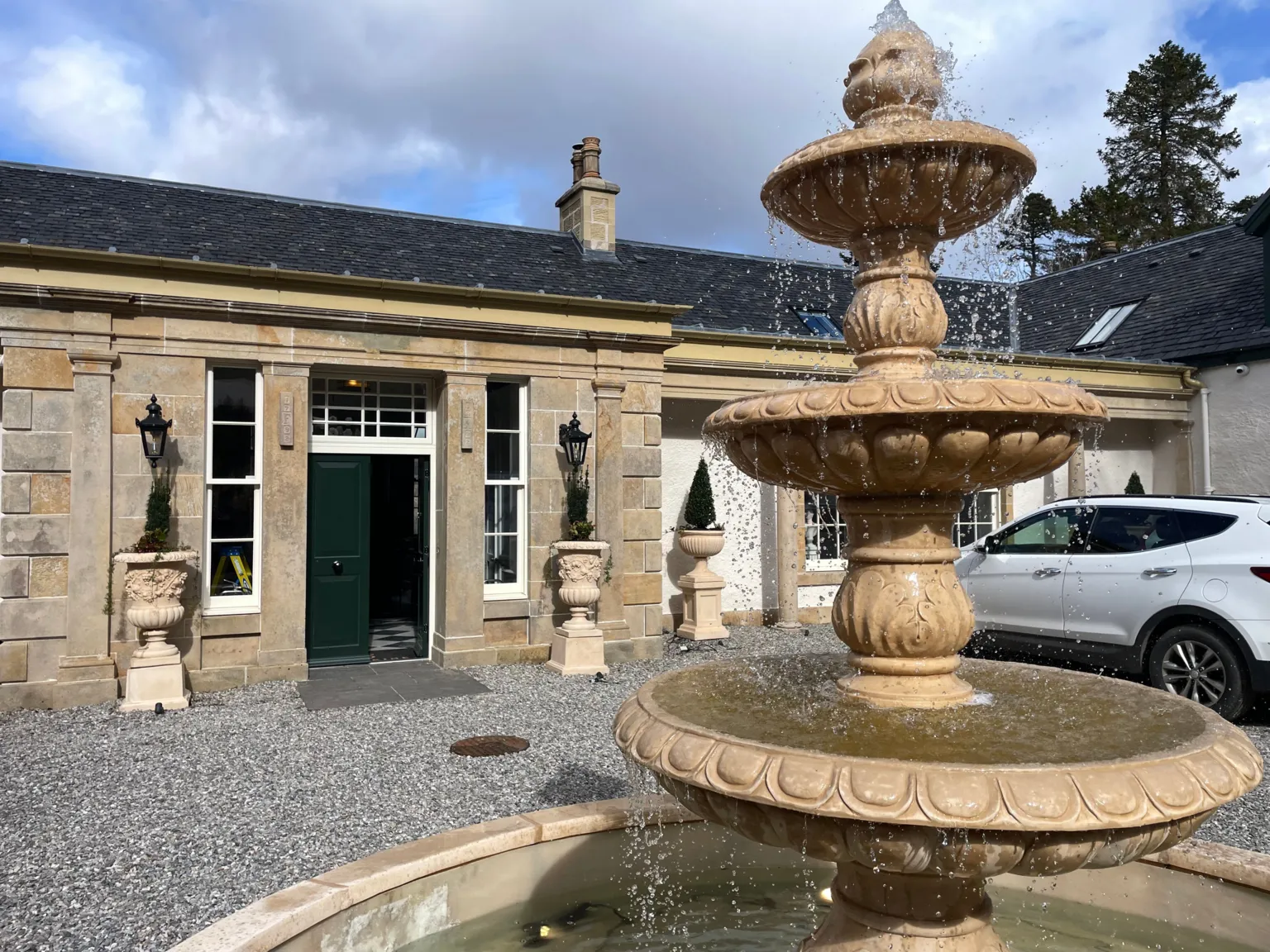
Readdy noted that the interiors allowed the foundation to create a "reimagined historic legacy" that reflects the character of some of the house's notable former residents.
Beyond the building itself, the foundation has been working on the surrounding 35 acres of land, incorporating biodiversity initiatives and hosting historic talks and lectures.
The project has evolved over time, not just restoring a building but reinvigorating the land, putting forth biodiversity initiatives and holding historic talks and lectures.
It's going to be a really amazing experience for people in the future starting from today.
Historical Significance of Boleskine House
Boleskine House dates back to the 18th century and was originally owned by Archibald Campbell Fraser of Lovat, the second son of Simon Fraser, 11th Lord Lovat. Lord Lovat, nicknamed The Old Fox, was a Jacobite sympathizer who also engaged with the British government. He was executed in London after supporting Bonnie Prince Charlie.
One of the house's most famous residents was Aleister Crowley, a poet, mountaineer, and magician born in Royal Leamington Spa and educated at Cambridge University. Crowley was deeply interested in the occult, which involves beliefs in supernatural and mystical powers. He also had an interest in Scottish history and mythology, purchasing Boleskine House in 1899 and owning it until 1913.
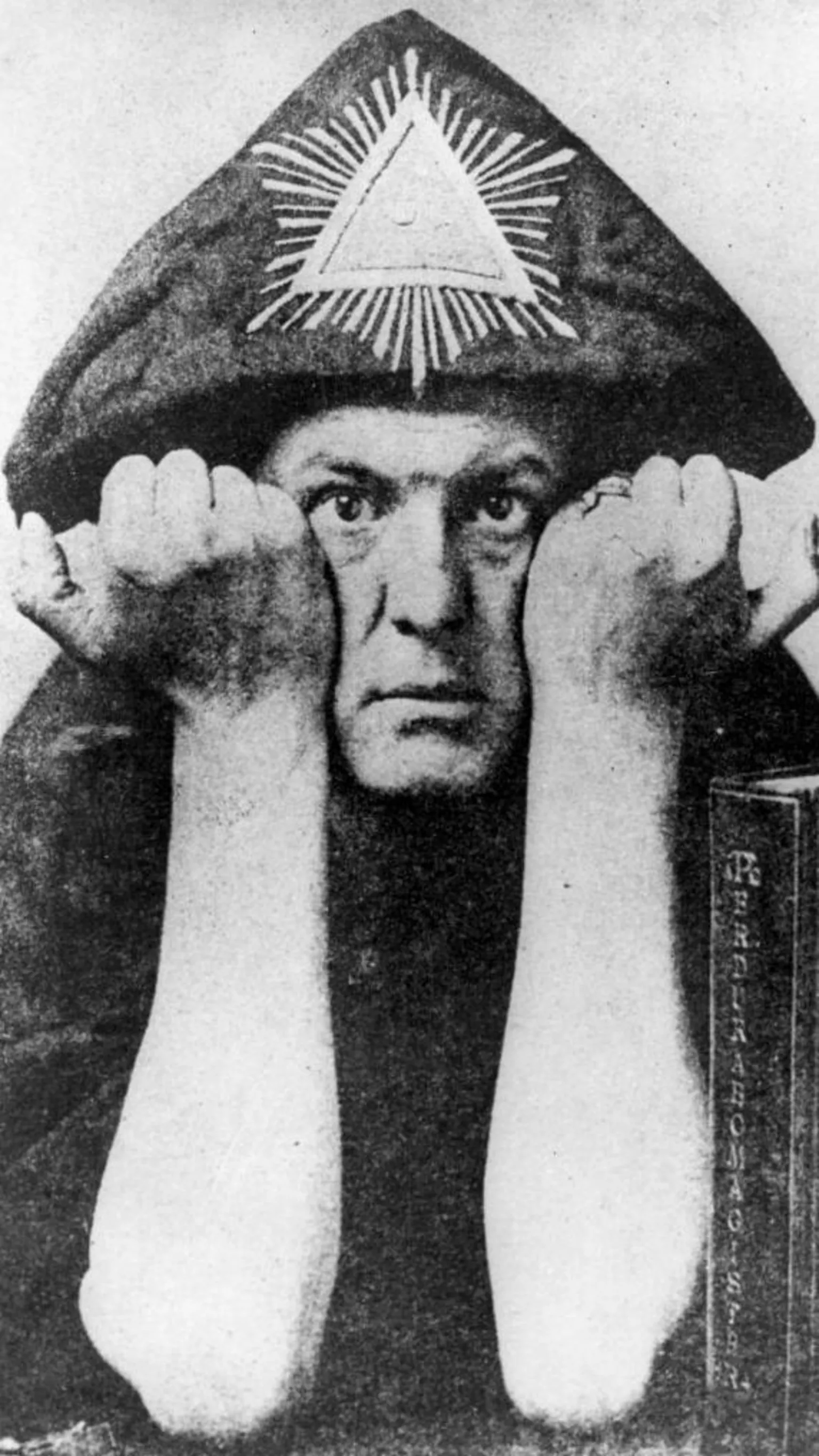
Crowley made a notable alteration to the property by converting a window facing Loch Ness into a door to facilitate one of his ancient rituals.
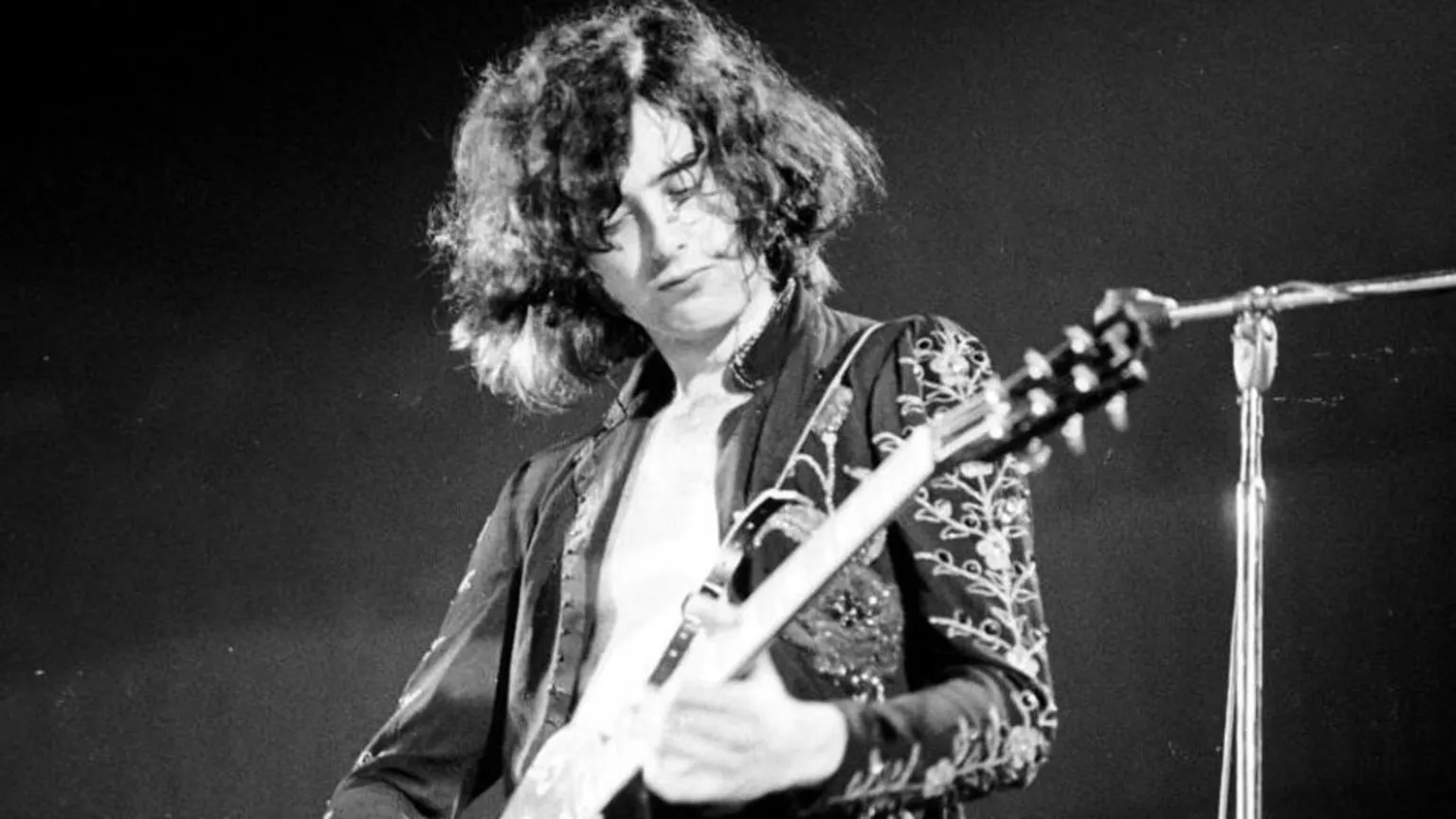
In the 1970s, Jimmy Page, guitarist of Led Zeppelin, acquired Boleskine House due to its association with Crowley. Led Zeppelin is known for hits such as "Whole Lotta Love" and "Stairway to Heaven." Page sold the house in the early 1990s, but interest in the Crowley connection remains strong.
There have been reports of recent private owners feeling unsettled by tourists observing the property through windows.


