Ancient Roman Altars from Scotland to Be Displayed Publicly
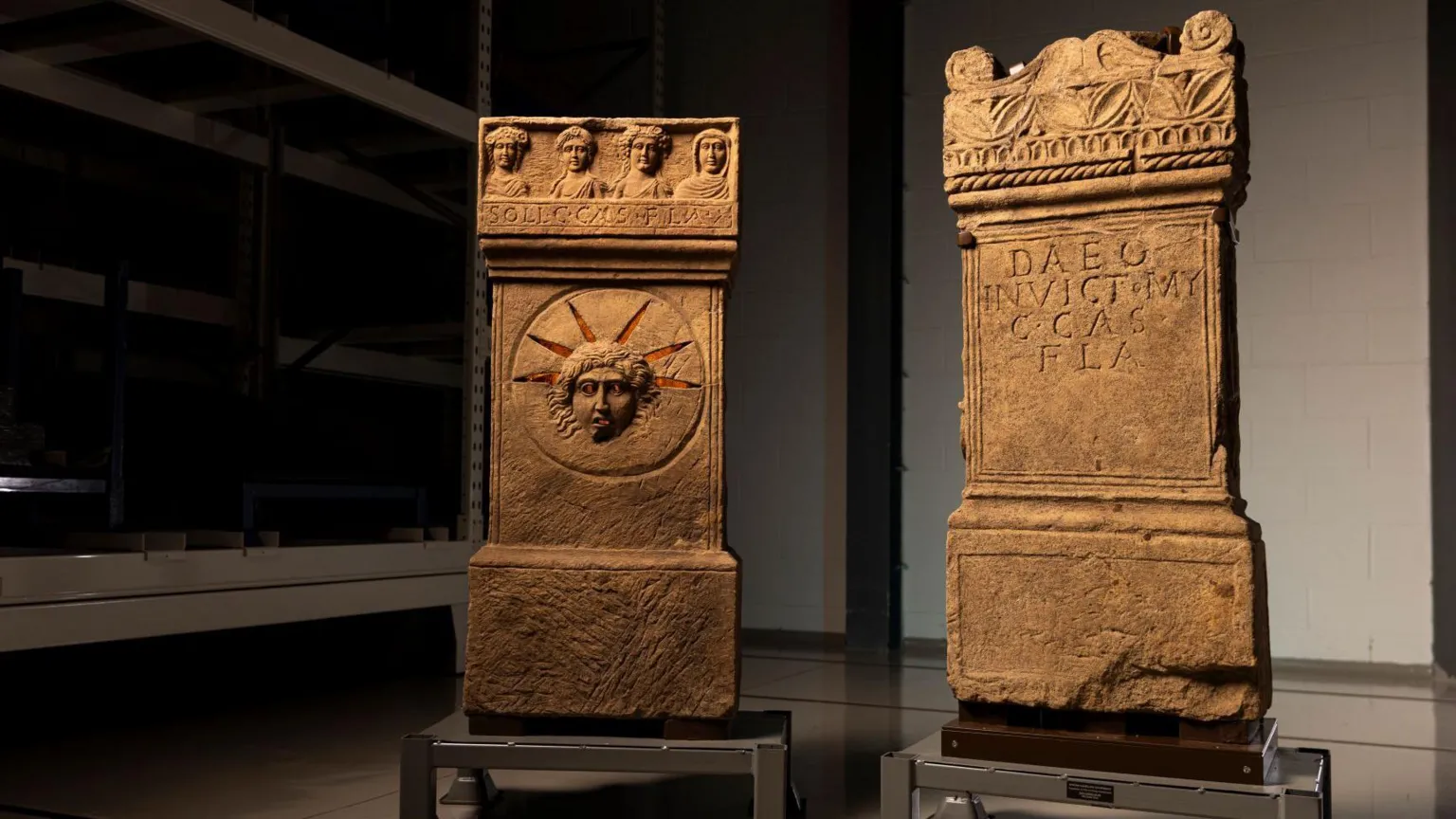
Two ancient Roman stone altars discovered near Edinburgh and acquired for the nation are set to be exhibited publicly for the first time at the National Museums of Scotland (NMS).
These altars were used by Roman soldiers worshipping the god Mithras nearly 2,000 years ago within a temple located at the northern frontier of the Roman Empire.
The remarkable altars were unearthed at Inveresk in East Lothian, dating back to approximately 140 AD, a period when southern Scotland was reoccupied under Emperor Antoninus Pius.
The altars were obtained by NMS in 2016, but the museum has only recently announced their acquisition alongside the unveiling of a new exhibition scheduled to open in November.
The exhibition, titled Roman Scotland: Life on the Edge of Empire, will be open from 14 November 2026 through 28 April 2027.
Excavated in 2010, these altars represent the only known examples of their kind ever found in Scotland.
Having been buried underground for centuries, the altars were fragmented and have undergone extensive conservation work to reconstruct and prepare them for public display.

Experts indicate that these altars were once the central features of the most northerly known temple dedicated to Mithras within the Roman Empire.
Mithras was the deity of a secretive, male-only cult predominantly followed by Roman soldiers. The religion emphasized themes of light triumphing over darkness and good prevailing over evil.
Worship was conducted in subterranean temples called Mithraea, where altars such as these served as dramatic focal points.
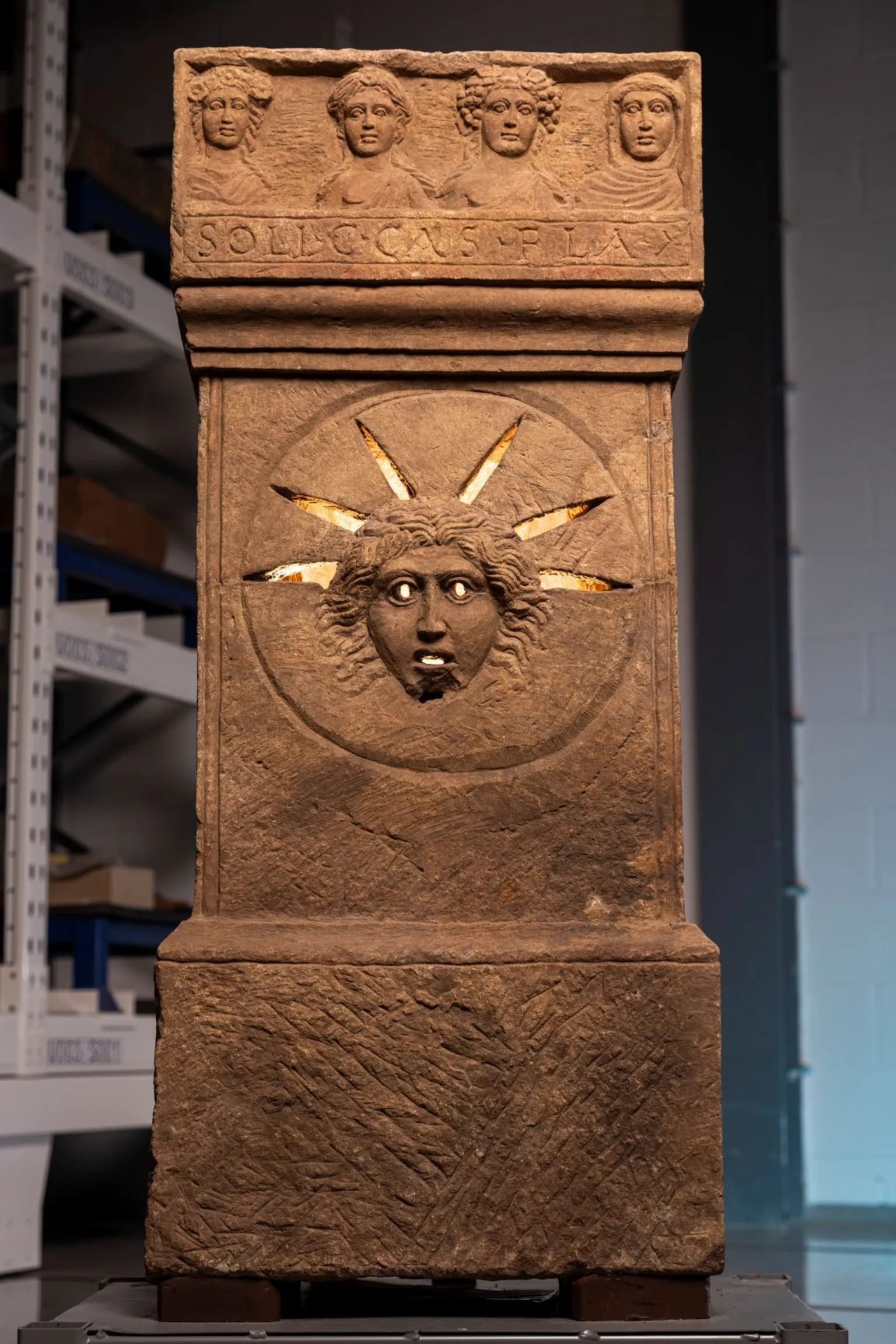
One altar depicts the face of Sol, the sun god, designed so that light would shine from behind, causing the god's face and crown to glow in the darkness.
This altar also features carvings of the four seasons, represented as female figures, symbolizing the passage of time.
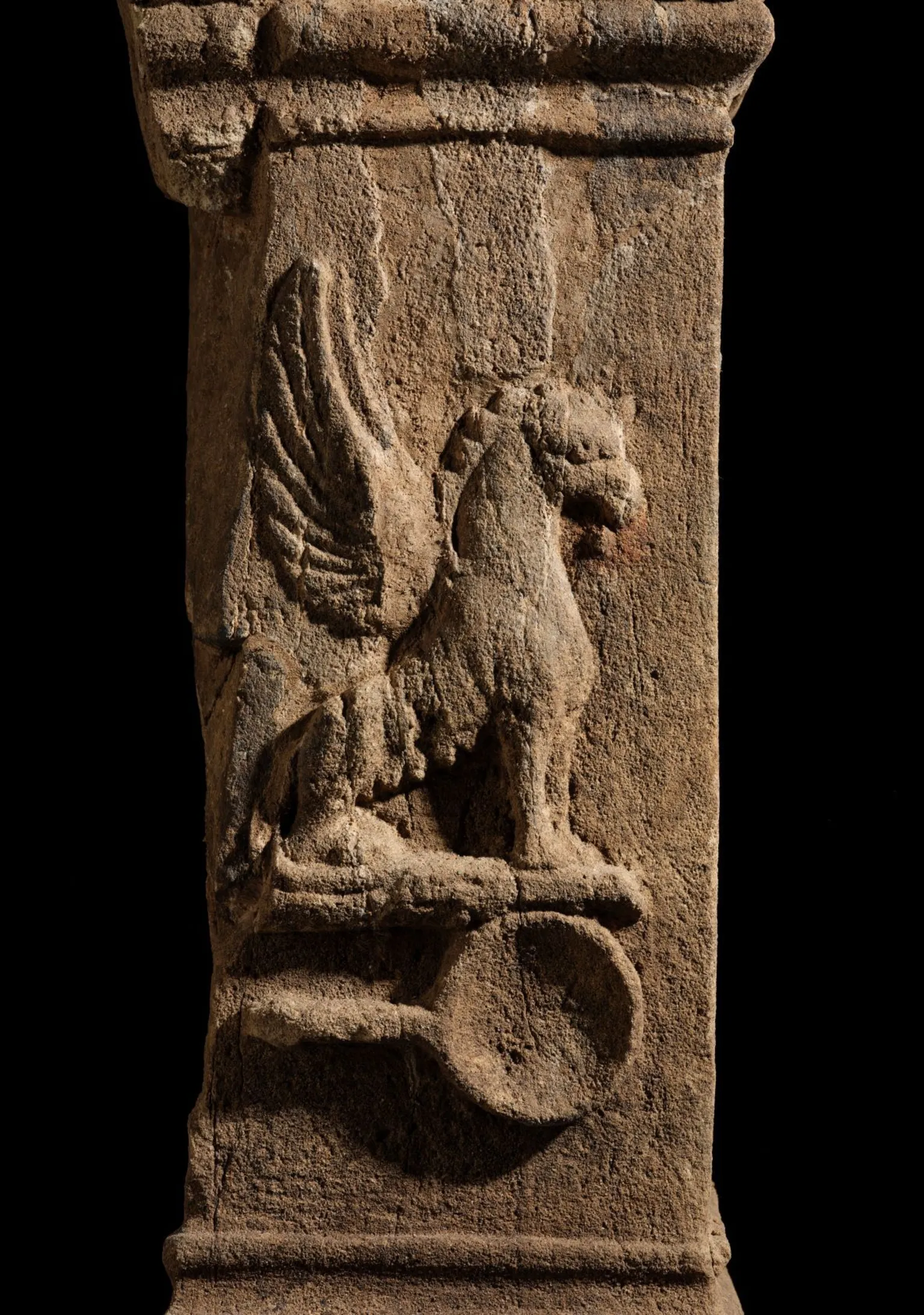
The second altar honors Mithras himself and is adorned with symbols associated with other gods of light, including Apollo, as well as animals commonly linked to Mithras, such as the griffin.
Both altars were dedicated by a Roman centurion, probably named Gaius Cassius Flavianus, who was likely the commanding officer of the fort at Inveresk.
While most evidence of Mithras worship in Britain dates from later centuries, these altars demonstrate that the cult was already well established among soldiers by the mid-second century.
Dr Fraser Hunter, principal curator of Roman Archaeology at NMS, said: "These stunning altars really bring the beliefs of the Roman frontier to life. The quality of the carving, traces of paint and dramatic lighting effects show they were impressive and expensive monuments. The cult of Mithras represented the triumph of good over evil and gave soldiers a sense that there was a purpose to their world and a life after death."