

Candy Stores Flourish Amid Economic Uncertainty in NYC
With US consumer confidence at historic lows, retailers nationwide face challenges. However, in New York City and its vicinity, candy stores are experiencing growth.
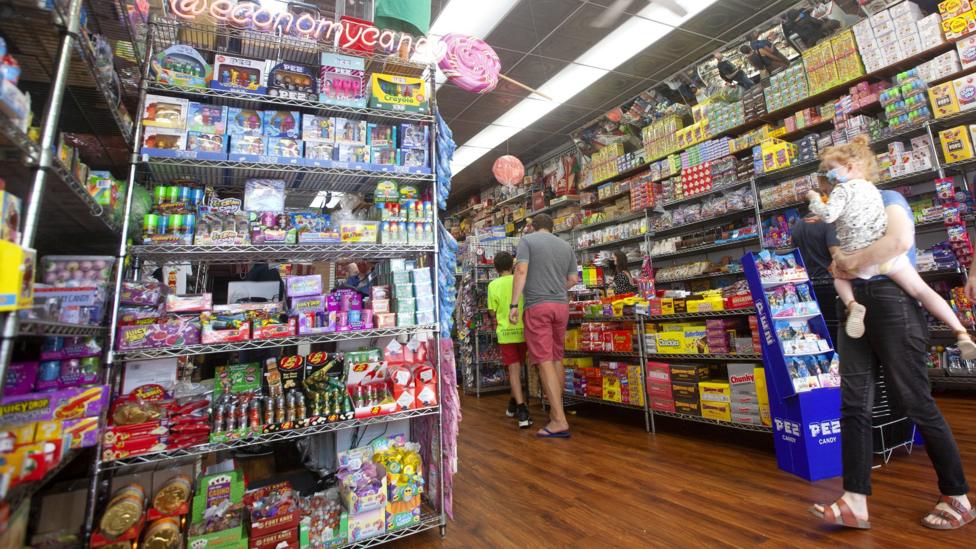
Mitchell Cohen, the third-generation owner of Economy Candy on Manhattan's Lower East Side, offers an explanation: people continue to purchase candy even during difficult economic periods.
"The dollar isn't going as far these days," he says. "Inflation, uncertainty, all that, but there's always candy."
Economy Candy, the oldest sweet shop in New York, opened in 1937 near the end of the Great Depression.
Originally a hat and shoe repair store, it sold candies from a cart outside as an additional income source. However, as customers could no longer afford repairs, Cohen's grandfather shifted the business entirely to affordable sweet treats. Eighty-nine years later, Economy Candy remains successful.
Economic Data and Consumer Behavior
Recent official data indicates that US retail sales increased by 4.9% in April compared to the same month last year. Nevertheless, US consumer sentiment reached a record low in May, according to a widely followed report.
Kate Bolger shares Cohen's perspective, noting that candy's low price point allows everyone to enjoy it despite economic pressures.
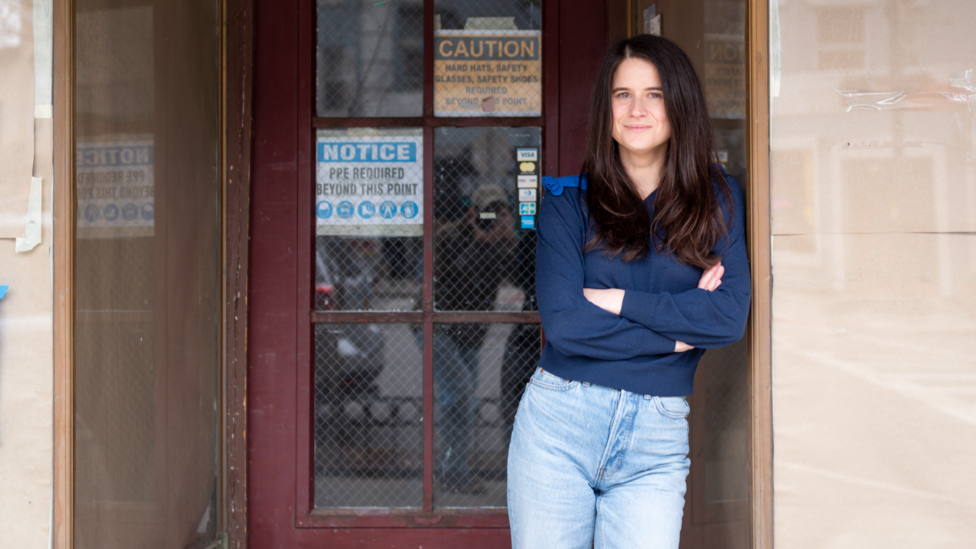
Bolger plans to open The Village Confectionery, a candy store in Sleepy Hollow, Hudson Valley, 28 miles north of New York City, known as the setting for the 19th-century horror story The Legend of Sleepy Hollow.
Previously a movie producer, Bolger explains that while consumers may delay large purchases, they still indulge in small treats like candy.
"Everyone can partake," she says.
This behavior aligns with the "lipstick effect" economic theory popularized in the early 2000s, where consumers unable to afford expensive items opt for small luxury goods instead.
Expansion of Upscale Candy Stores
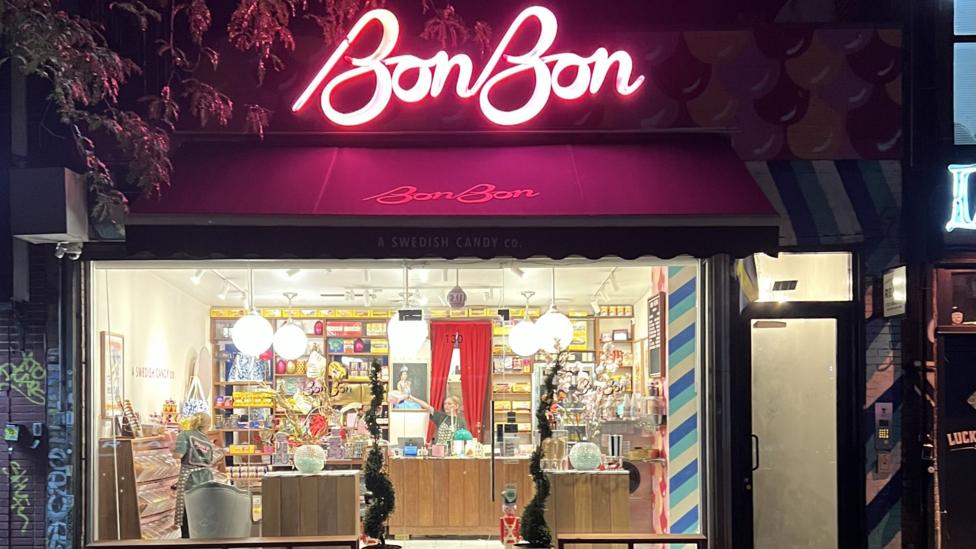
In New York City, BonBon, an upscale candy store company, operates five shops across Manhattan and Brooklyn, plus one in the Hamptons on Long Island opened last summer.

Founded in 2018 by three Swedish expatriates, BonBon imports its products from Sweden. Swedish confectionery, known for strict regulations on natural ingredients, has gained global popularity recently through social media.
Co-founder Leo Schaltz explains that the company strategically avoids main avenues, preferring side streets with lower rents and smaller units to create cozy spaces.
"You wouldn't want to be on Broadway," he says. "You don't want to overpay for rent, and it's easier to make a space feel cozy when it's smaller."
BonBon emphasizes unique details, such as staff uniforms inspired by a Stockholm restaurant. The company plans to open a branch in Greenwich, Connecticut this summer.
Additionally, Swedish sweet shop chain Candy King opened its first US outlet in Manhattan in December.
Local Candy Shops and Business Strategies
In Brooklyn's Fort Greene neighborhood, Cat Cirino opened Candor Candy's in March. To increase revenue, she also sells pantry items like granola, rice, soft drinks, and beef jerky from independent producers.
Candy offers advantages such as a long shelf life and room temperature storage. The pick-and-mix model also reduces staff workload by involving customers in selection.
Challenges in the Candy Business
Cohen notes challenges including rising wholesale prices due to import tariffs imposed during President Trump's administration and increased global transport costs driven by fuel price hikes linked to the US-Israeli conflict with Iran.
"A Hershey chocolate bar that cost his shop about 62 cents pre-pandemic now comes to more than a dollar," he says. "While Hershey's is a famous American brand, the cocoa beans are sourced internationally."
He adds that one UK supplier ceased shipping to the US after incurring losses from customs fees.
Despite these difficulties, Cohen has absorbed most cost increases and reports higher sales. He concludes,
"A little candy goes a long way."


