
Welsh Pubs See Growth Amid UK-Wide Decline
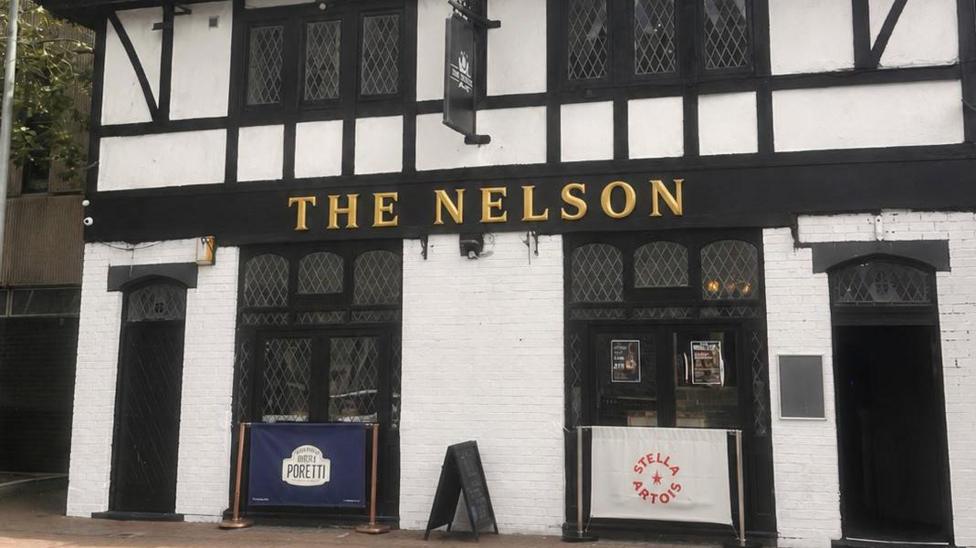
Abbie Nelson opened her pub, The Nelson, in May 2026.
Contrary to the widespread trend of pub closures across the UK in recent years, the number of pubs in Wales has increased so far this year.
The British Beer & Pub Association (BBPA) described this as a "much-needed ray of light" for the struggling industry.
While the increase in Wales is modest, with three more pubs since January, Scotland has experienced a loss of 41 pubs and the south-east of England has lost 26 during the same period.
A senior economics lecturer at Bangor University noted a "major shift" in the role pubs play for customers, emphasizing the need for adaptation to ensure survival.
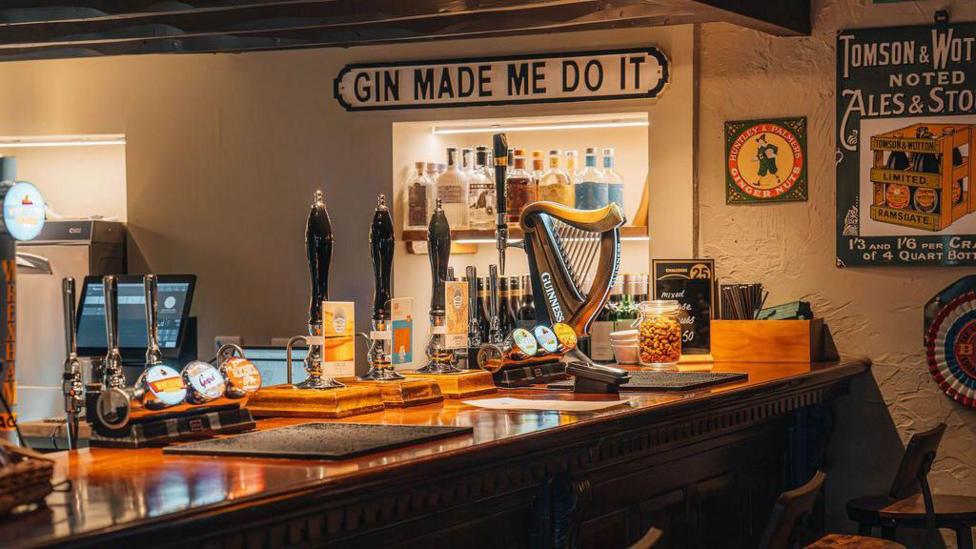
Among younger patrons, particularly the Instagram generation, the "aesthetics" of a pub are often more significant than the drinks offered, as they seek appealing settings for social media posts.
"The night time trade is dying, but it [still] makes a lot of money. There are a lot of spirit drinkers," said landlady Abbie Nelson.
"In the day, a lot of customers are pint drinkers, so the revenue is completely different."
Despite the challenges of entering the industry at this time, Abbie Nelson embraced the opportunity and opened The Nelson in May.
The previous establishment on the Rhyl, Denbighshire site focused on night-time trade.
Abbie, 30, recognized the changing industry landscape, with many people moving away from clubbing and late-night activities.
Her venue emphasizes a family-friendly atmosphere, offering barbecues, free food, and entertainment.
"Now we do barbecues, free food, we have entertainment on," she said.
"You find that a lot of places that used to be a nightclub, and now they've turned into a day venue as well."
The Nelson has abandoned its previous late-night hours to foster a family-friendly environment.
Reasons Behind Pub Closures
Changing drinking and social habits have impacted the pub industry, compounded by the Covid-19 pandemic, which resulted in an estimated 87 million pints being discarded during lockdowns in 2021.
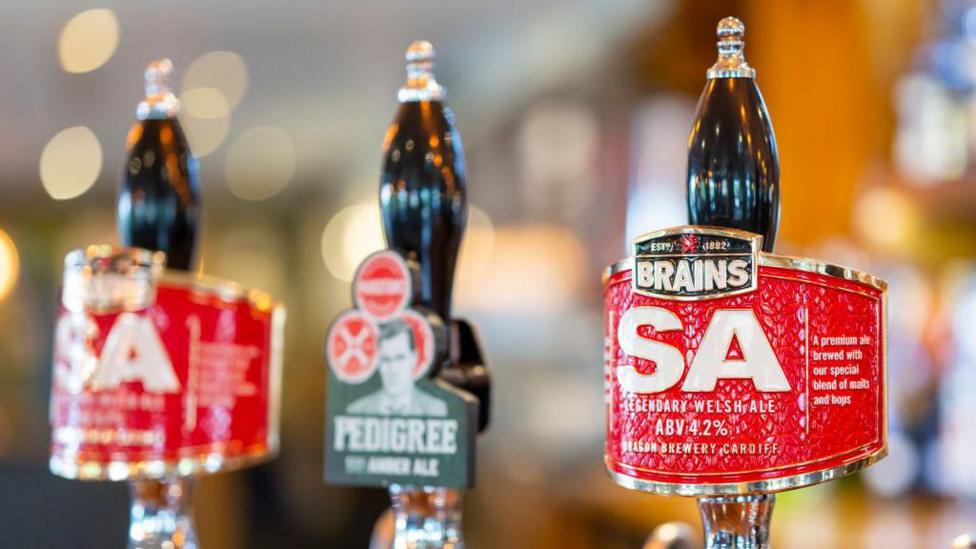
Welsh brewer Brains sold most of its 250 pubs as it managed tens of millions of pounds in debt.
Rising energy costs, business rates, and other financial pressures have made it difficult for some pubs to afford staff wages.
These challenges coincide with a cost of living crisis, reducing disposable income for leisure activities such as pub visits.
Wales experienced 30 pub closures in 2025 and 18 in 2024.
The BBPA reported that closures across Wales, England, and Scotland this year resulted in over 2,400 job losses, with half affecting younger workers.
While welcoming the increase in Welsh pubs in 2026, the BBPA emphasized the need for a long-term strategy to preserve pubs.
Preserving Tradition While Innovating
Luke Shelby, chef partner at the Bryntirion Inn in Bala, Gwynedd, highlighted the importance of maintaining the character of historic pubs while updating them.
He relaunched the 300-year-old inn last year with a refreshed menu and refurbished dining area.
Situated in Snowdonia National Park, the inn leverages its scenic location to attract customers.
They prioritize sourcing ingredients from local farmers and growing produce on-site where possible.
"Wales is so rich when it comes to produce, and so shining a light on this will always be a core part of our philosophy," said Luke Shelby.
"At the same time, it was essential that we preserved the character, atmosphere and soul of the inn," he added.
Changing Preferences Among Younger Patrons
Katie Thomas, 28, from Cardiff, emphasized the importance of aesthetics, noting that many traditional pubs feel similar.
"I think if people are going out and wanting to post it online, they will go somewhere more aesthetically pleasing," she said.
Katie observed that fewer of her friends drink compared to their younger years and prefers environments such as "bottomless brunch" over traditional pubs.
Katy Greatrex, also 28, frequents bars in Pontcanna rather than the city center.
"You do pick your location on 'is it trendy?', and what kind of people go there," she said.
"You do have to pick your place wisely."
Finn McGeachan, 21, a chiropractic student at the University of South Wales in Cardiff, noted that cost is a significant factor for students.
"That is the biggest barrier for students at the minute," he said.
"A big night out is going to cost you upwards of £50."

Economic and Community Factors Affecting Pubs
Dr Edward Thomas Jones of Bangor University identified challenges such as national insurance increases, wage hikes, and energy expenses affecting pubs in Wales.
However, he noted that some pubs thrive due to strong local community engagement.
"They are showing a way forward by offering far more than just the traditional selling of alcohol," he said.
"We're fortunate here in Wales that the community-owned pub is quite popular."
Jones added that people increasingly visit pubs for events and activities beyond drinking.
"We do have a romantic view of the pub, but they are a business at the end of the day," he said.
"They have to think, do they want to adapt or just continue struggling as they are?"
Emma McClarkin from the BBPA described brewing in Wales as a "treasured sector" with a rich history spanning hundreds of years.
"This means more people in jobs, precious community spaces protected, vibrant high streets, and more investment and growth," she said.
The Welsh government expressed intentions to reform business rates to create a more equitable environment for high street businesses.
A spokesperson stated,
"In the first 100 days of government, we will establish a Town Centre taskforce that will get to grips with the challenges faced by businesses across sectors, particularly in hospitality and retail."


