

Industry Warns of Price Hikes and Reduced Choice Under Wales' Deposit Return Scheme
Shoppers in Wales could experience increased drink prices and a narrower selection of products due to a new recycling initiative, according to industry leaders.
The British Soft Drinks Association (BSDA) has indicated that proposals to incorporate glass containers into Wales' deposit return scheme (DRS) may add approximately 50p to the cost of certain bottles.
Radnor Hills, a drinks producer, described the scheme plans—which involve consumers receiving cash or vouchers for returning empty drink bottles and cans—as a "complete and utter mess."
The Welsh government has affirmed its commitment to implementing the deposit return scheme, while the environmental charity Keep Wales Tidy has criticized what it calls "misinformation" surrounding the plans.
Overview of Wales' Deposit Return Scheme
Scheduled to commence on 1 October 2027, Wales' DRS will require shoppers to pay a deposit on drink containers, refundable upon their return for recycling.
However, industry representatives have expressed concern that the Welsh government's decision to include glass—contrasting with schemes in other UK regions—could increase costs significantly.
Reverse vending machines, similar to those used in countries with established deposit return schemes such as Portugal, will be installed throughout Wales to facilitate the returns.
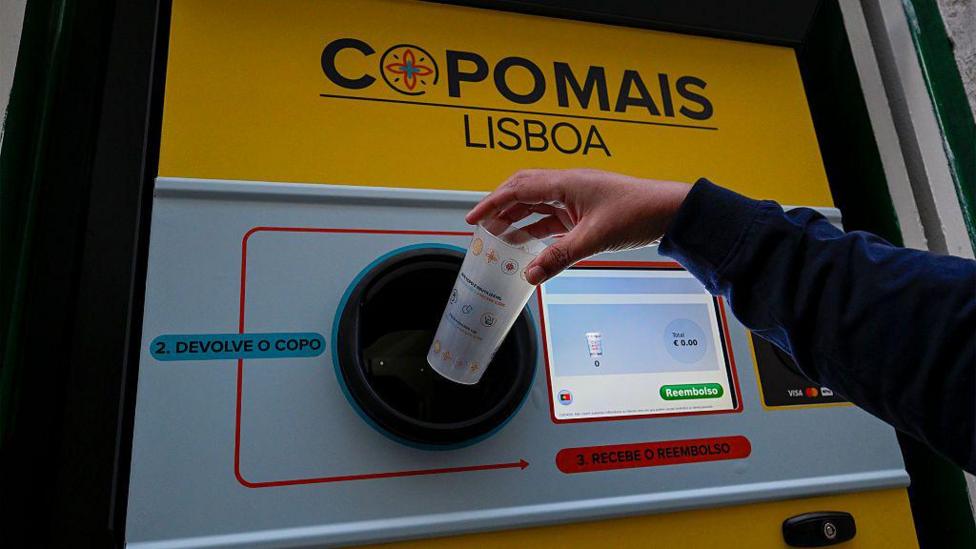
Glass inclusion is a major point of contention because it complicates the scheme and raises expenses. It necessitates specialized collection infrastructure and more costly reverse vending machines.
Other UK schemes are launching without glass to reduce costs and simplify cross-border operations.
Industry Concerns Over Costs and Market Impact
Industry representatives have warned the Welsh government that the additional costs from including glass are likely to be passed on to consumers or could lead to some products being withdrawn from sale.
"Requiring glass collection from the start would have very negative consequences for businesses and consumers," said Andy Bagnall, director general of the BSDA. "It could add something like 50p per bottle in costs for producers."
"Higher prices or lower choice, neither of those is a good outcome for consumers," he added.
William Watkins, chief executive of Radnor Hills, described the current situation in Wales as a "complete and utter mess," cautioning that differing systems between England and Wales would create significant challenges for producers.

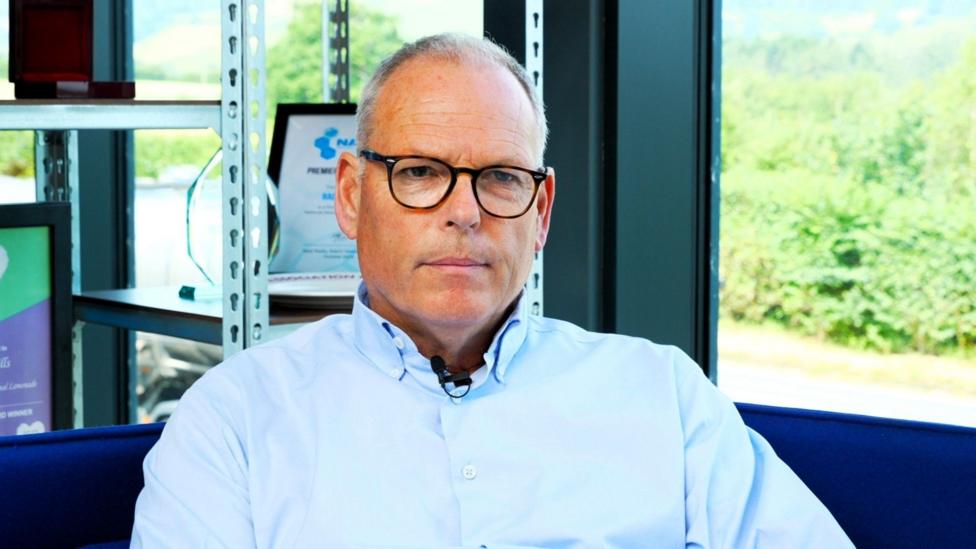
"We have to have a system which is the same on both sides of the border," Watkins said.
He also noted that Wales represents a small portion of the UK drinks market, which could lead some companies to conclude it is "simply not worth" supplying certain products in the region.
Political Context and Government Response
Ahead of the Senedd election, Plaid Cymru's manifesto committed to advancing the inclusion of glass in the deposit return scheme "when this becomes practically feasible."
Watkins expressed disappointment, stating he had hoped for "a complete change in direction" but that the realities of governance and entrenched civil service views have led the new government to continue the previous administration's policies.
BBC Wales requested an interview with Llyr Gruffydd, the Plaid Cymru minister responsible for the scheme, but he declined.
Urgency in Appointing Deposit Management Organisation
Both the BSDA and drinks companies have emphasized the tight timeline, warning that only "weeks" remain to appoint a deposit management organisation (DMO) to ensure the scheme launches alongside the rest of the UK by 1 October 2027.
Currently, only one organisation, Exchange for Change, has applied to be the DMO in Wales. This organisation already manages schemes in England, Scotland, and Northern Ireland.
The application window closed on 2 June, but no decision has been announced.
The Welsh government reportedly requires 3,500 reverse vending machines capable of handling glass at the scheme's launch, whereas Exchange for Change has proposed starting with 100 such machines nationwide. Sources familiar with the discussions identify this discrepancy as a key obstacle.
Bagnall stressed the urgency, stating there is "no time left" to develop a separate Welsh system from scratch, which is the fallback option if a DMO is not appointed.
"We need decisions in the next few weeks if we're to have any realistic chance of getting a scheme up and running by October 2027," he said.
Environmental Aims and Industry Criticism
Owen Derbyshire from Keep Wales Tidy urged the Welsh government to proceed with the plans and accused the drinks industry of spreading "misinformation."
"The reality is, if you look at any deposit return scheme as it's being rolled out in all of the 40-plus nations that it's currently running in, it's the same arguments that come every single time from the [drinks] industry.
And the truth is, when they're established, when they're set up, when they're running, none of those stories, those accusations, ever come to light," he said.
Derbyshire described the lobbying as "misinformation [and] disinformation, which absolutely doesn't survive contact with any of the international evidence we've seen."
A Welsh government spokesperson stated it would "continue to work closely with industry to ensure the arrangements are right."
They added, "There is a formal process underway to appoint a Deposit Management Organisation. It is inaccurate to suggest there has been a delay, and it would be inappropriate to pre-judge the outcome of the ongoing formal process."


