

Venezuelan Oil Arrives in the US
The Minerva Gloria, an 820-foot (250-meter) vessel painted navy and burgundy, is currently docked at a wharf in the Mississippi Sound, near the United States' extensive oil reserves in the Gulf of Mexico. This ship carries a valuable cargo from Venezuela: 400,000 barrels of crude oil, a shipment that would have been impossible to bring to the US just six months ago.
Venezuela holds the world's largest oil reserves. Under the leadership of former Venezuelan President Nicolás Maduro, oil exports declined significantly due to underinvestment. Subsequently, the US imposed sanctions prohibiting imports from Venezuela.
However, US President Donald Trump pledged to access these reserves following the US military's capture of Maduro in a surprise nighttime raid in January. Since then, Venezuelan oil exports have resumed. In March, the country's monthly crude exports exceeded one million barrels per day for the first time since September.
Chevron's Role in Importing Venezuelan Oil
As global energy prices fluctuate due to Iran's blockade of the Strait of Hormuz, major oil and gas companies such as Chevron are importing Venezuelan crude oil in large quantities.
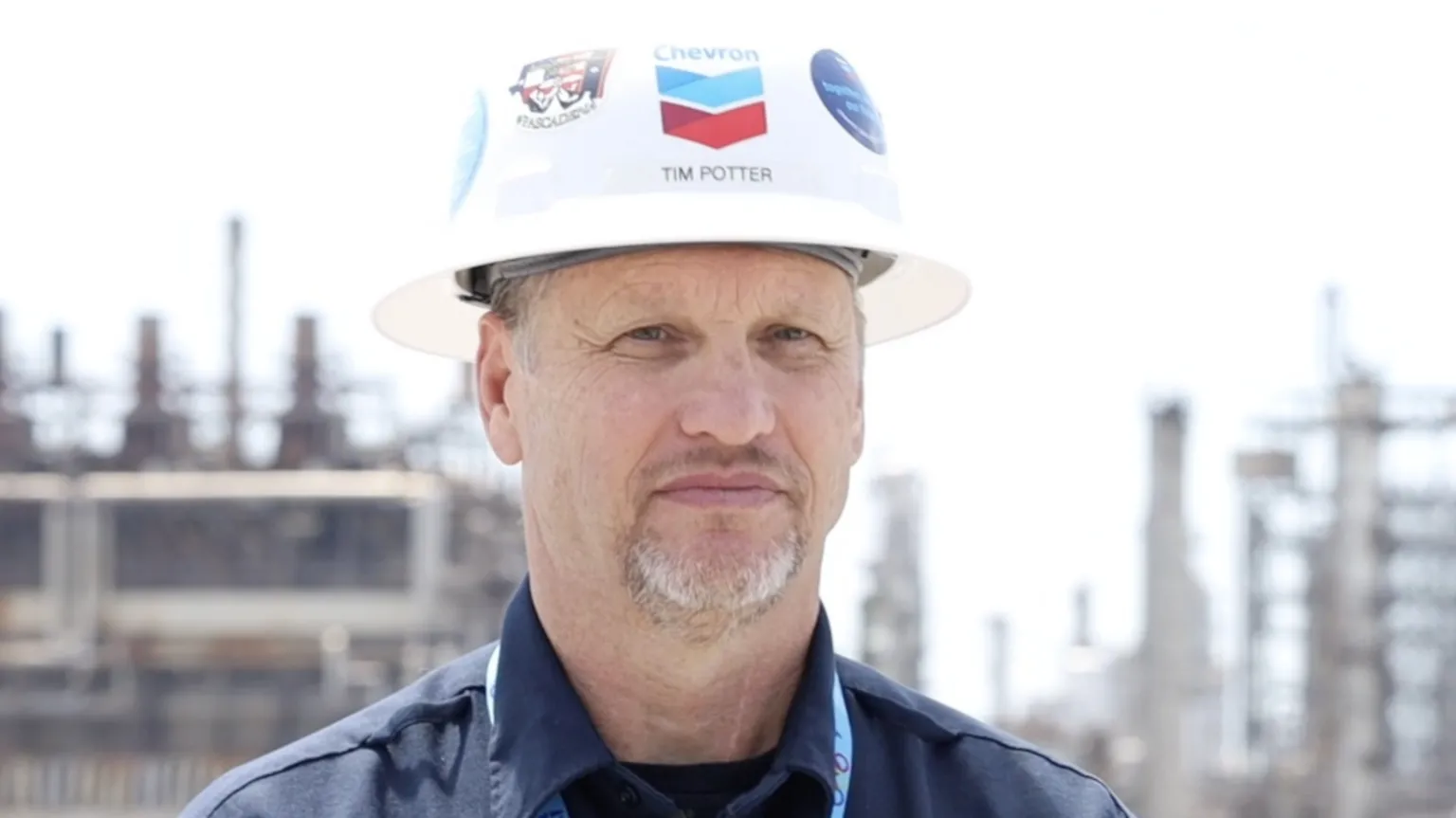
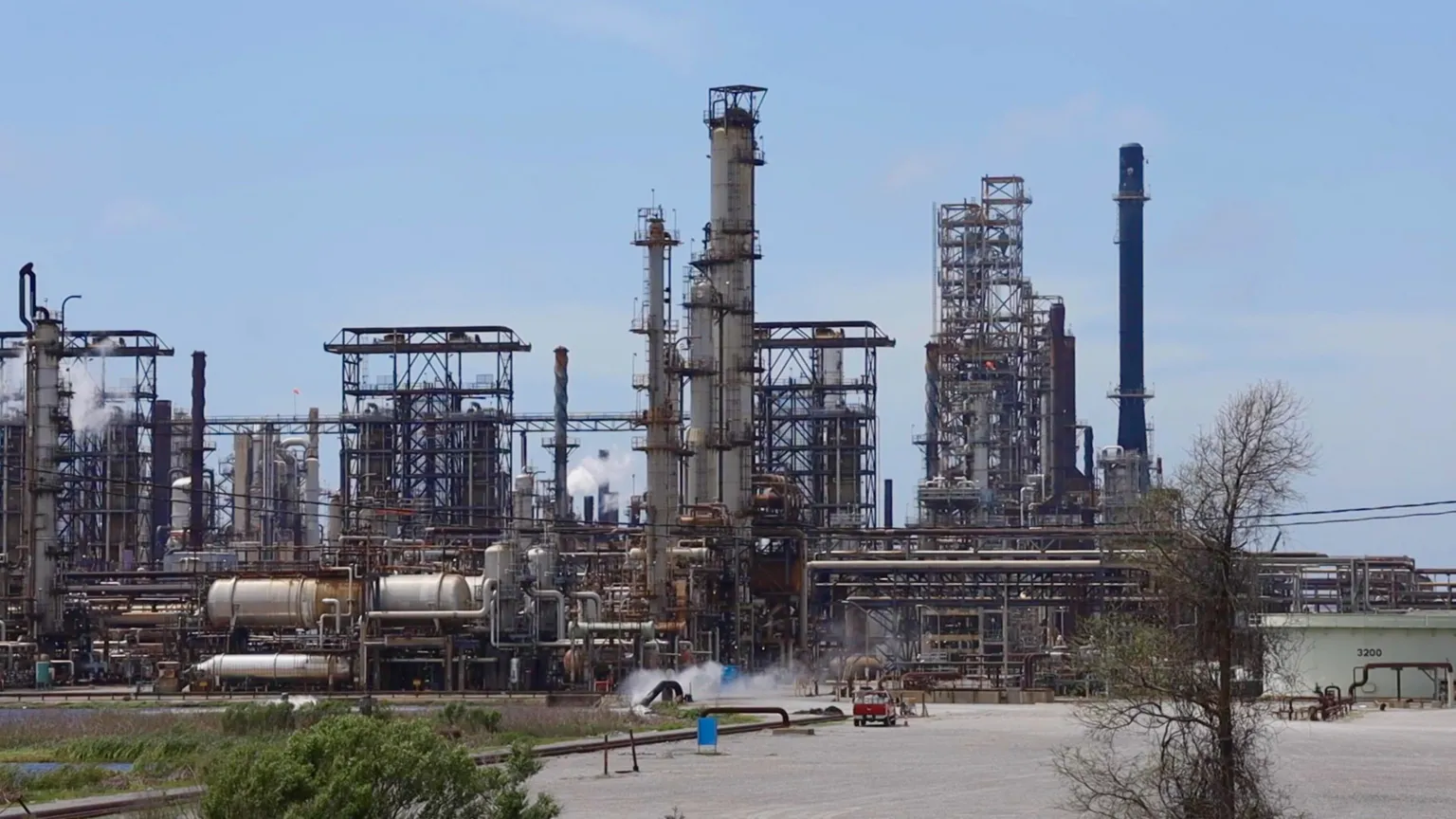
"It's a big deal not only for Chevron but the entire Gulf region,"says Tim Potter, director of Chevron's oil refinery in Pascagoula, Mississippi. This refinery is Chevron's largest US operation and the only major American oil company currently active in Venezuela.
Together, these factors enable Chevron to extract Venezuelan oil, refine it domestically, and supply it directly to US consumers.
"It's a pretty big incentive for us to run it,"Potter adds.
"The refinery was really designed, and we invested in the refinery, to run heavy oils like from Venezuela."
Characteristics and Volume of Venezuelan Crude
Venezuelan crude oil is relatively inexpensive due to its challenging processing requirements. It is heavy, thick, dark, and high in sulfur content, often classified as sour oil. This crude is used to produce diesel, gasoline (petrol), jet fuel, and other petroleum products.
Chevron currently imports approximately 250,000 barrels of Venezuelan crude oil daily, on average, according to Andy Walz, Chevron's president of downstream, midstream, and chemicals.
"We think we can take that up another 50% so call it somewhere around 350,000 to 400,000 barrels a day of just the Chevron share of our position in Venezuela."
Walz explains that Chevron is the only US company with extraction capabilities in Venezuela, although other companies purchase Venezuelan oil from domestic producers.
US Refining Capacity and Oil Imports
Chevron is not the sole entity involved in oil refining within the US. The country has 132 refineries that process a blend of crude oils. Nearly 70% of US refining capacity operates most efficiently with heavier crude oils.

The US imports a minimal amount of oil from the Middle East, estimated at roughly 8% in 2025. The rise in Venezuelan oil imports increases available supply, which should contribute to lower gasoline prices for American consumers.
"The United States imports almost no oil through the Hormuz Strait, and won't be taking any in the future, we don't need it,"stated President Trump in a primetime address last week.
Local Impact of Fuel Prices
Despite proximity to Chevron's refinery, fuel prices at a nearby Chevron station continue to rise.
"I hate it,"says David McQueen, a retired Vietnam veteran reliant on Social Security.
"The price has got to go down because I'm going down with it."
When asked why fuel remains expensive despite the US's vast oil reserves, McQueen believes the government is withholding supply to maintain high prices.
"We've got plenty of gas,"he adds.
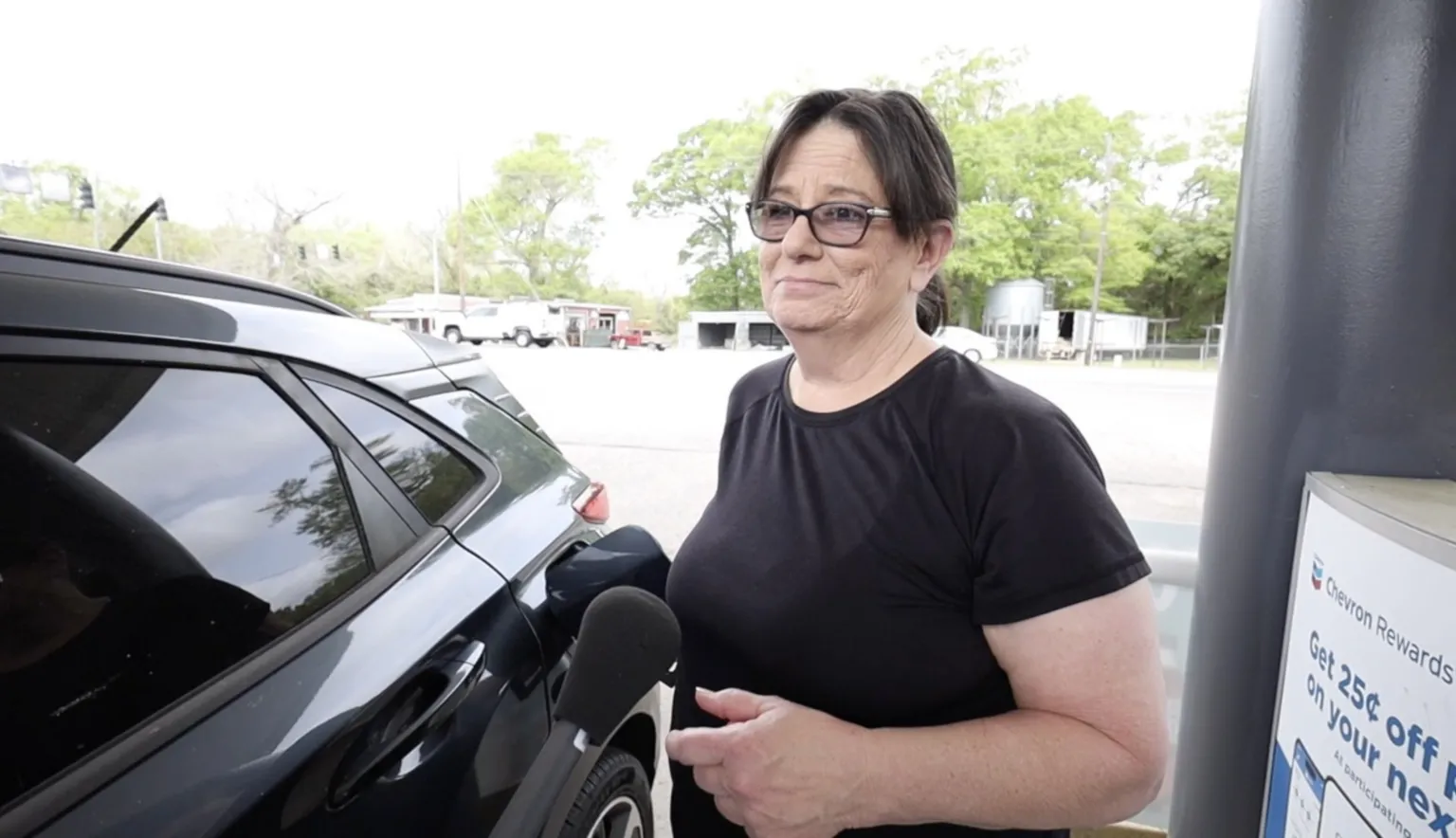
Nearby, Donna fills her tank with $30 (£23) worth of fuel.
"I'm driving less and spending less on other things."Her grandchildren live several hours away, but she visits them less frequently due to fuel costs.
"You gotta do what you gotta do."
According to the American Automobile Association (AAA), the average gasoline price in this region of Mississippi remains below the national average. However, prior to the conflict involving Iran, gas prices were nearly $1 lower per gallon.
US Oil Production and Market Dynamics
In the same evening address, President Trump highlighted the US's oil production capabilities.
"We are the number one producer of oil and gas on the planet, not to mention the millions of barrels we are getting from Venezuela."
Nevertheless, access to these extensive reserves has not yet resulted in lower fuel prices for Americans. The US remains vulnerable to global oil market fluctuations.
"While we're able to still get crude available here to this refinery because of our relatively local supply, the overall pricing of that crude has gone up because it's based off of world markets,"explains Tim Potter.
Chevron anticipates that its investment in Venezuelan crude will ultimately benefit consumers. The current conflict involving Iran temporarily obscures these advantages.
"When things do get back to normal, that additional supply out of Venezuela will actually translate to lower prices for Americans. So it will in the future, but it isn't having an impact now,"says Andy Walz.


