

Early Success and Growth of Craft Breweries
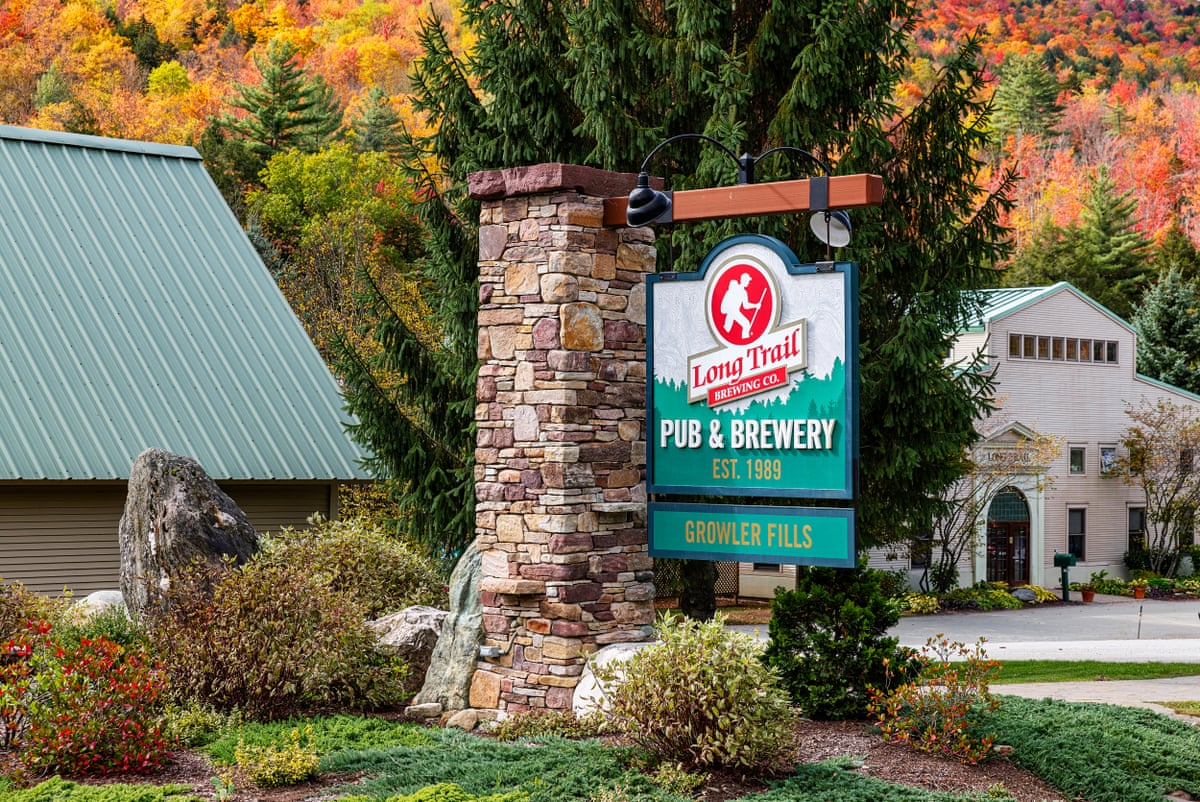
In the early 2000s, Chris Bell, then a student at University of Colorado Boulder, followed a common path among those interested in brewing beer. He began brewing at home, then gained experience working at established craft beer makers Long Trail Brewing in Vermont and Avery Brewing in Colorado before founding Call to Arms Brewing Company in 2015 in Denver.
In a competitive market, the business achieved success. Its More Like Bore-O-Phyll beer won a gold medal in the fresh or wet hop ale category at the 2018 . A local outlet described it as one of the city’s , and it held a 4.7 rating from over 400 Google reviews.
In 2019, the company experienced its best year, Bell said.
“We felt very good about the future,” he said.
However, the Covid-19 pandemic severely affected the industry. Like many breweries, Call to Arms saw sales decline and costs rise as people spent more time at home and consumed less alcohol.
In December 2025, Bell and a co-owner closed the business.
“It was heartbreaking,” Bell said. “I put my entire career into it.”
Call to Arms was among 100 breweries that closed in Colorado over the past two years, according to the Colorado Brewers Guild. This reflects a national trend where the craft beer industry, which boomed in the late 2000s and 2010s, has experienced a decline in cultural enthusiasm.
“Craft beer is part of the culture and the definition of Colorado, and so I don’t think craft beer is going away, but it might just look a little different,” said Shawnee Adelson, executive director of the Colorado Brewers Guild.
Industry Expansion and Subsequent Contraction
In 2009, there were approximately 500 microbreweries in the United States, according to the Brewers Association, a trade group. By 2018, that number had grown to 4,500, representing an 800% increase.
“We were providing people with something brand new to like,” said Garrett Oliver, who began as brewmaster of the Brooklyn Brewery in 1994, one of the most successful craft breweries in the US. “Craft beer offers unlimited flavor in every direction you could imagine, and if you think about it, why would people not love that?”
Stuart Keating, a longtime home-brewer with a particular interest in experimental beers using botanical and herbal ingredients and historic styles, opened Earthbound Beer in south St. Louis in 2014. St. Louis, home to Anheuser-Busch, has a rich beer-making history. In 2017, Earthbound expanded into a historic building that once housed a 19th-century brewery. Keating and his partners discovered a cave beneath the building containing lagering cellars, which they used for beer production and storage, also offering tours to customers.
“We used a lot of ingredients that you wouldn’t have found in beer at that time, things like oak leaves, cardamom,” Keating recalled. “The attitude and the vibe we brought towards craft beer was very welcoming and open and non-serious.”
However, the pandemic caused a severe downturn in sales for bars and breweries, Keating said. In 2019, US microbreweries produced 4.9 million barrels of beer, according to the Brewers Association. By 2024, production had fallen to 3.7 million barrels.

The number of microbreweries in the US also dropped to about 2,000 in 2024, less than half the number from six years earlier.
“It was a shift away from alcohol consumption for health and societal reasons. Some of it was a downturn in the economy. Our customers were all younger and weirder, and they are the ones that got hurt the most by the economic shocks post-Covid,” said Keating, who decided to close the brewery in 2024.
Bell of Call to Arms cited rising costs of labor, property taxes, maintenance, and insurance as additional challenges. Furthermore, low interest rates led to a real estate purchasing surge in the neighborhood, changing the local demographic.
“It turned our entire neighborhood over, so we lost a lot of regulars,” Bell said.
Industry Outlook and Adaptation
Despite the closure of many breweries, those remaining in the industry remain optimistic.
Oliver views the contraction as part of a cyclical pattern and references a similar dip in craft beer sales in the late 1990s. At that time, an administrator of the Institute for Brewing Studies told the :
“A lot more people are jumping into the pool, and it’s getting crowded. A lot of people are treading water, and some people are just drowning.”
The Brooklyn Brewery owners are preparing to move into a larger facility just four blocks from their Williamsburg location.
In 2024, the brewery released Fonio Rising Pale Ale, brewed with an ancient super grain that supports smallholder farmers in Africa, according to .
“As craft brewers, we have not done a great job – we haven’t done any job – of speaking to the 40-plus per cent of people in the United States that are not of European background,” said Oliver, who is African American. Fonio “has a hook to it that other beers of ours might not have”.
Adelson believes that Generation Z, who currently consume less alcohol than older generations, may begin to frequent breweries more as they enter the workforce and gain disposable income.
“As they enter the workforce, and they are able to have maybe more disposable income, they will find those spaces that are outside of their traditional home or workspaces,” she said, “and hopefully, you know, put down their phone and go have a beer with their neighbor.”


