

Brewdog Acquired by US Beverage and Cannabis Firm
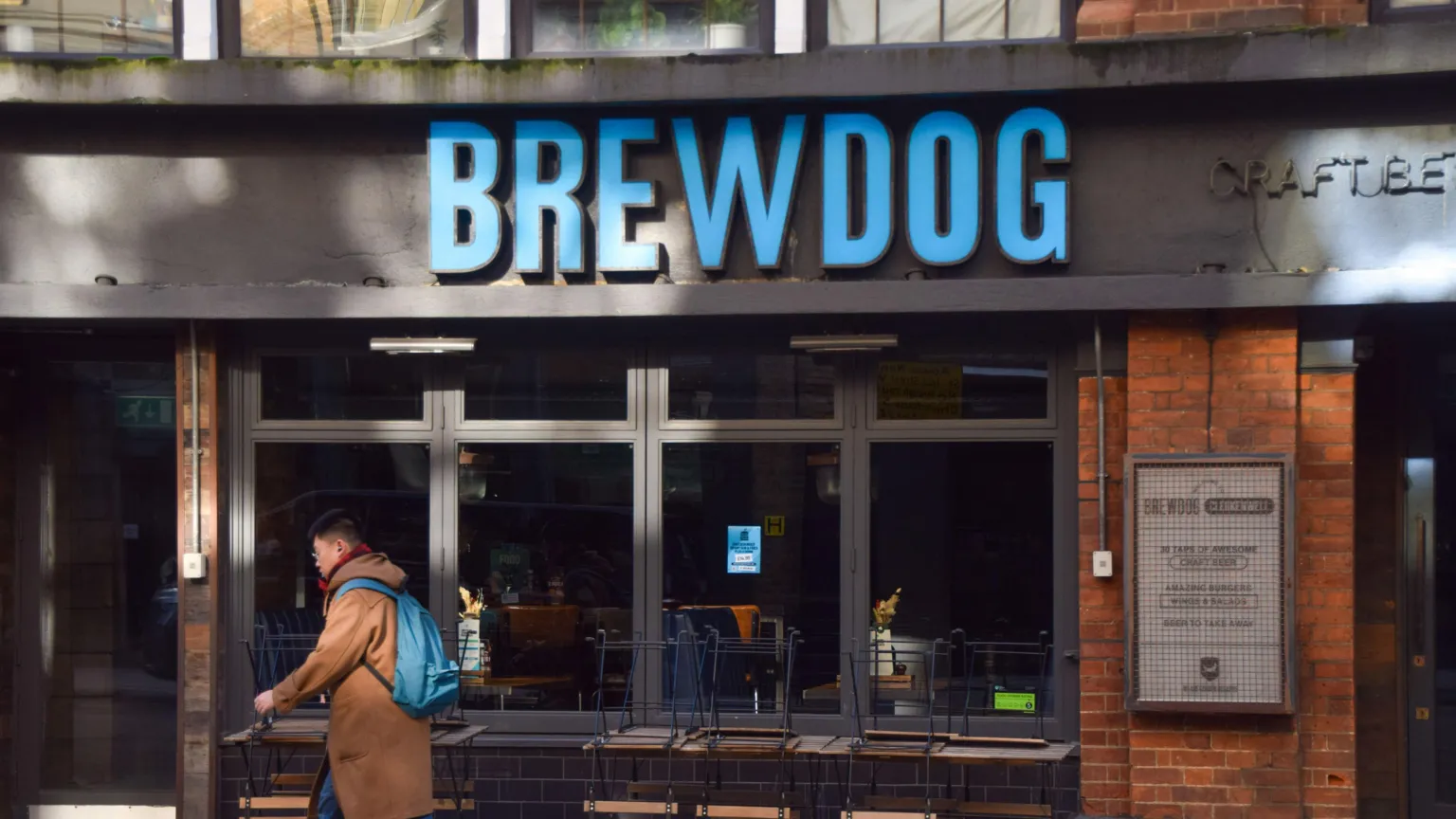
Independent brewer and pub group Brewdog has been acquired in a £33 million deal by US beverage and medical cannabis company Tilray.
The transaction involves the sale of Brewdog's UK brewing operations, brand, and 11 pubs. Negotiations continue regarding Brewdog's assets in the United States and Australia.
The future of many of Brewdog's 60 UK pubs remains uncertain. These establishments were closed on Monday as the deal awaited confirmation.
Tilray, which already owns several US craft beer brands, described the acquisition as a significant opportunity for growth in the UK and international markets.
Financial Challenges and Company Background
Last month, Brewdog announced it had engaged consultants AlixPartners after failing to achieve profitability in recent years.
Founded in 2007 by friends James Watt and Martin Dickie, Brewdog operates four breweries and approximately 100 pubs worldwide.
Chief Executive James Taylor previously informed staff via an internal email that the company anticipated announcing sale details within the week.
All Brewdog bars were closed on Monday to allow staff meetings and to comply with licensing requirements. Online sales were also temporarily suspended.
Taylor described the decision as "difficult" and offered an apology
"for the uncertainty this creates".
He noted there had been "a great deal of interest" from potential buyers but clarified that the company's German operations, including a brewery and bar in Berlin, would not be part of the sale and will instead be liquidated.
Investor Concerns and Equity for Punks Scheme
Recent concerns have emerged regarding the impact of the sale on Brewdog's small investors.
In 2009, Brewdog launched a fundraising initiative called Equity for Punks.
Approximately 200,000 individuals invested in the scheme, which offered discounts and other perks.
Investors typically contributed around £500 for shares priced between £20 and £30 each, although some invested larger amounts.
Before closing to new investors in 2021, Equity for Punks reportedly raised £75 million. These funds facilitated the company's expansion into an international brand with four breweries and over 100 bars.

In 2017, US equity firm TSG Consumer Partners acquired a 22% stake in Brewdog.
Unlike the Equity for Punks "ordinary" shareholders, TSG held "preference shares," entitling them to priority repayment of their investment plus any owed returns in the event of a sale, potentially leaving little or nothing for smaller investors.
Some small investors have expressed concerns that their shares may now be "worthless," while others acknowledge the inherent risks associated with such investments.
There is no suggestion of any illegal activity by the company.
Job Losses and Operational Cutbacks
Last month, Brewdog ceased production of gin and vodka at its distillery in Ellon, Aberdeenshire.
The company announced job reductions across its operations in October last year following a £37 million loss.
Earlier in 2025, Brewdog announced the closure of 10 UK bars, including its flagship pub in Aberdeen.
Currently, the company employs approximately 1,400 people and maintains breweries in the US, Australia, and Germany, in addition to the Ellon site.
Company Image and Leadership Changes
At its founding in Aberdeenshire, Brewdog positioned itself as a rebellious challenger to what it viewed as a traditional and corporate UK brewing industry.
However, in 2024, the company faced criticism after announcing it would no longer hire new staff at the real living wage, opting instead to pay the lower legal minimum wage.
A BBC Scotland documentary also brought to light allegations concerning the conduct of former Chief Executive James Watt. A complaint regarding the documentary was submitted to the broadcasting regulator Ofcom but was subsequently dismissed.
Watt later stepped down as CEO and assumed a newly created role as "captain and co-founder."
Martin Dickie left the company last year, citing personal reasons for his departure.
This is a developing story and further updates will be provided as more information becomes available. Please refresh the page for the latest version.
You can receive Breaking News on a smartphone or tablet via the App. You can also follow @BBCBreaking on X to get the latest alerts.


