Viticulture Flourishes in Dorset Amid Changing Climate and Innovation
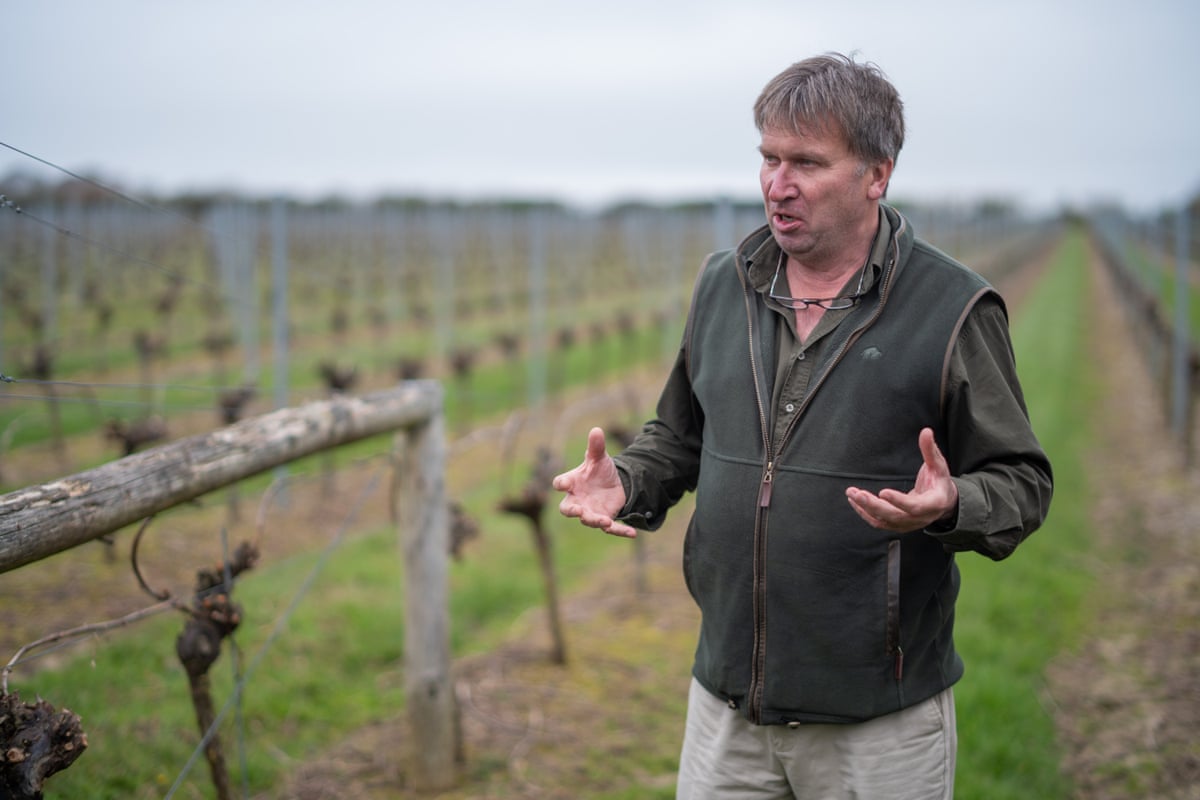
Rows of vines extend across the undulating hills of rural Dorset. Currently reaching waist height, the vines appear bare beneath a somber spring sky. On closer inspection, tiny woolly buds are visible as the vines emerge from winter dormancy, beginning a new growth cycle.
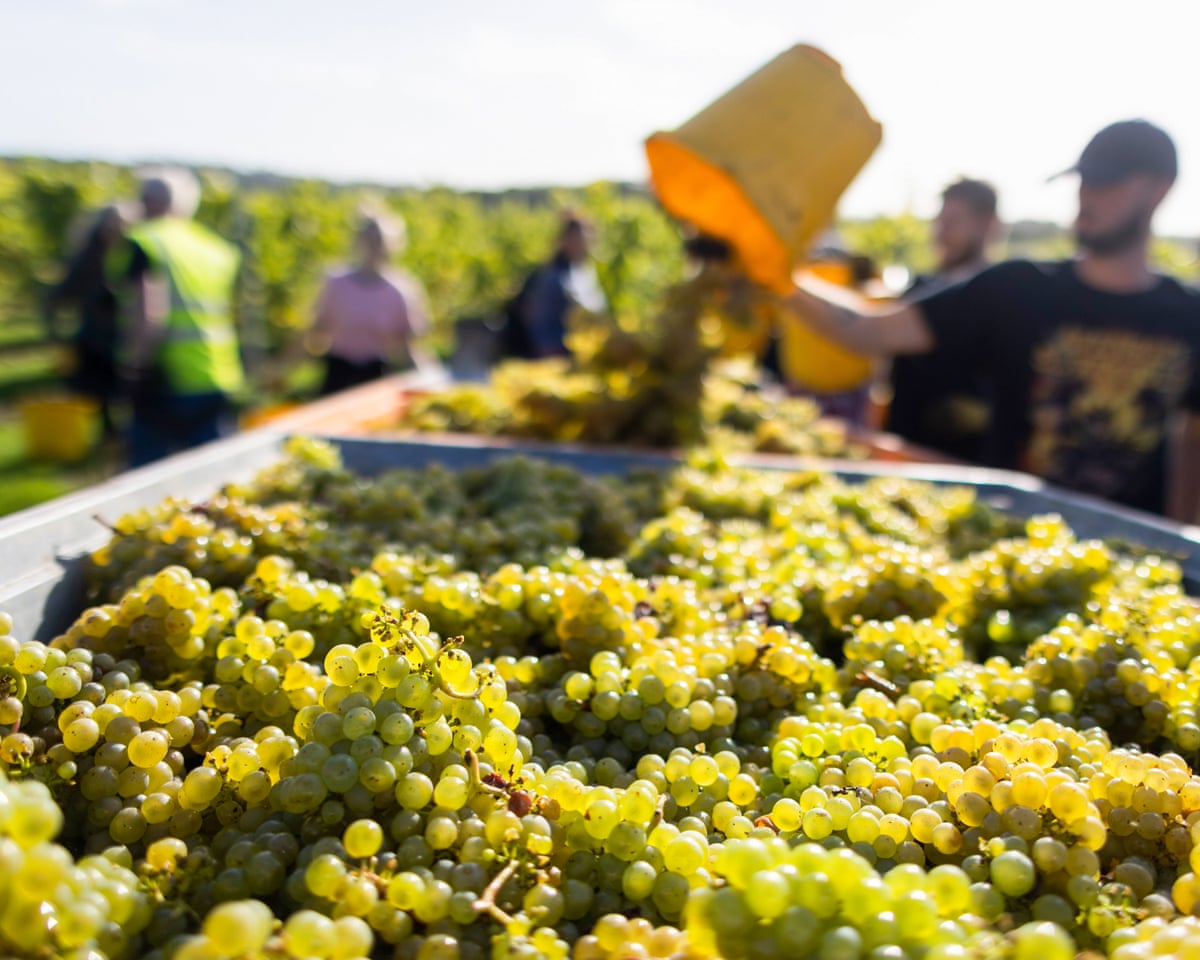
By summer, these rows will be abundant with chardonnay, pinot noir, and pinot meunier grapes, destined to produce the latest batch of English sparkling wine at the Langham estate near Dorchester.
Although the first vines were planted here only in 2009 on previously arable farmland, the estate has already crafted award-winning wines that have outperformed established European competitors.
“It was always at the back of my mind, as a way of diversifying and expanding the business, and doing something a bit more fun and interesting too,”
“When I’m making wine, the output per acre is many multiples of what we grow in wheat.”
These remarks come from Justin Langham, the estate’s owner, who spoke while standing in a barn on site.
Climate Change and Innovation Enable Commercial Grape Growing
Commercial-scale grape cultivation in Britain has been facilitated by new agricultural techniques and a shifting climate. Langham notes,
“I don’t think we would have been doing what we’re doing going back 40, 50 years.”
However, the climate crisis also introduces challenges for the UK's emerging wine industry, including unpredictable, rainy summers. Excess moisture contributes to issues such as mold and disease, resulting in significant vintage variability.
While vines were first cultivated in England, vineyards now span from southwest England to Wales and other regions. According to the latest data, more than 1,100 vineyards are registered in Britain, predominantly commercial operations rather than hobbyist endeavors.
Despite Britain ranking low among global wine producers—behind countries like Uzbekistan and Tunisia—it is experiencing the fastest growth in vineyard area, as reported by the property group Knight Frank. The area of planted vineyards has quadrupled since the start of the 21st century.
Langham’s estate exemplifies this expansion, having nearly tripled in size since 2009 to cover approximately 34 hectares (84 acres) within the 1,000-hectare property.
Increased production has led the company to outgrow its original storage facilities, prompting a £2 million investment in a new winery expected to be completed by summer.
Production Growth and Challenges in Consistency
Similar growth across the UK has driven a surge in wine production. Nevertheless, yields remain inconsistent, and significant year-to-year differences in wine quality complicate efforts to produce a standardized product.
A hot, dry summer in 2025 enabled English and Welsh producers to harvest the equivalent of 16.5 million bottles, or 124,377 hectolitres.
This output more than tripled the 5.3 million bottles produced in 2017, less than a decade earlier, according to the industry body WineGB.
However, it was below the record harvest of 21.6 million bottles in 2023, as some vines were still recovering from the cold and wet conditions of 2024.
Changing weather patterns are also affecting traditional wine regions such as Spain, Italy, and southern California, where harvests are projected to decline sharply. While climate change may shift winemaking northward, new producers are unlikely to match the volumes of established regions.

Lower production volumes compared to neighboring countries also mean British wine often commands significantly higher prices than European alternatives.
Future Outlook and Regional Concentration
Wine production volume in the UK is forecast to continue rising. The industry anticipates annual production reaching 25 to 29 million bottles by 2032 and projects the retail value of English and Welsh wines could reach £1 billion by 2040.
Over half of UK vineyards are located in southeast England, which produces around two-thirds of domestically made wine, particularly in Kent, Sussex, Essex, and Hampshire.
Expertise and Knowledge Drive Industry Advancement
The young UK wine industry benefits from accumulated winemaking experience, notes Nicola Bates, chief executive of WineGB.
“We’ve always been a global hub for trade of wine, so you’ve had people who’ve gone out to New Zealand, Australia, South Africa and learned how those markets work. Now they’re bringing their expertise to bear back in the UK,”
“Year by year, you’re seeing that knowledge having a greater effect on our vineyards, as they also become more productive.”
All the grapes require harvesting, and the finished wines must be bottled, marketed, and sold.
Currently, approximately 10,000 people are employed in the UK wine industry, including 3,500 full-time roles. The remainder perform labor-intensive seasonal tasks such as grape harvesting and winter vine pruning. This marks a significant increase from 2,200 full-time employees two years ago.
“We employ more people per hectare of land than any other agriculture,”Bates states.
There is rising demand for skilled professionals in viticulture, winemaking, and hospitality, with 90% of operators intending to hire additional staff within the next three years.
Education and Career Pathways in UK Winemaking
Some aspiring wine professionals obtain qualifications at Plumpton College in East Sussex, recognized as the UK’s premier winemaking training center. The college offers courses ranging from certificates in winemaking techniques to bachelor’s degrees. It operates its own vineyard and commercial winery, producing about 40,000 bottles annually.
“Many people don’t realise that a career in wine can combine science, sustainability, business, travel and creativity,”says Sam Linter, director of wine at Plumpton College. Wine industry roles include winemakers, vineyard managers, wine buyers, export managers, and sommeliers.
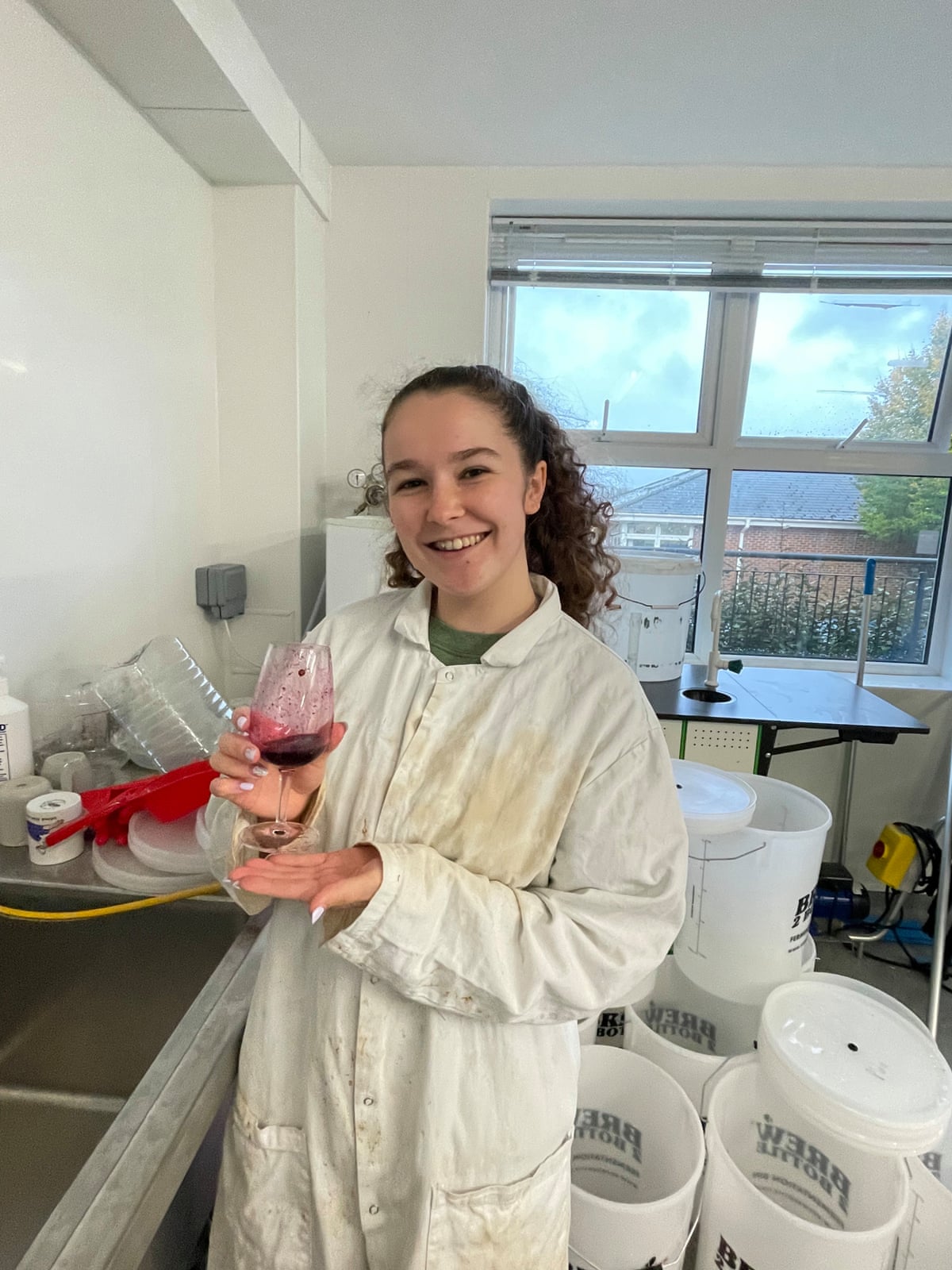
Kym Downes, a first-year undergraduate student in viticulture and oenology at Plumpton, initially did not plan to pursue higher education after finishing school and working in hospitality.
Inspired by a winemaker who was a regular at the café where she worked, the 22-year-old decided to train in wine.
“His passion for wine really rubbed off on me,”Downes says.
“There are so many different pathways open to you. I could go down the winemaking side of it, but I could also go into the business side of things or even laboratory work.”
Some believe the hands-on nature of many wine industry roles will protect them from job losses driven by automation and artificial intelligence.
Downes describes the course as involving a year of vineyard work:
“We started off harvesting grapes, then it moved into vineyard maintenance and we learned how to drive tractors and check the equipment. As we got into winter it was the pruning season and now it’s budding season.”
Career Change: From Public Health to Winemaking
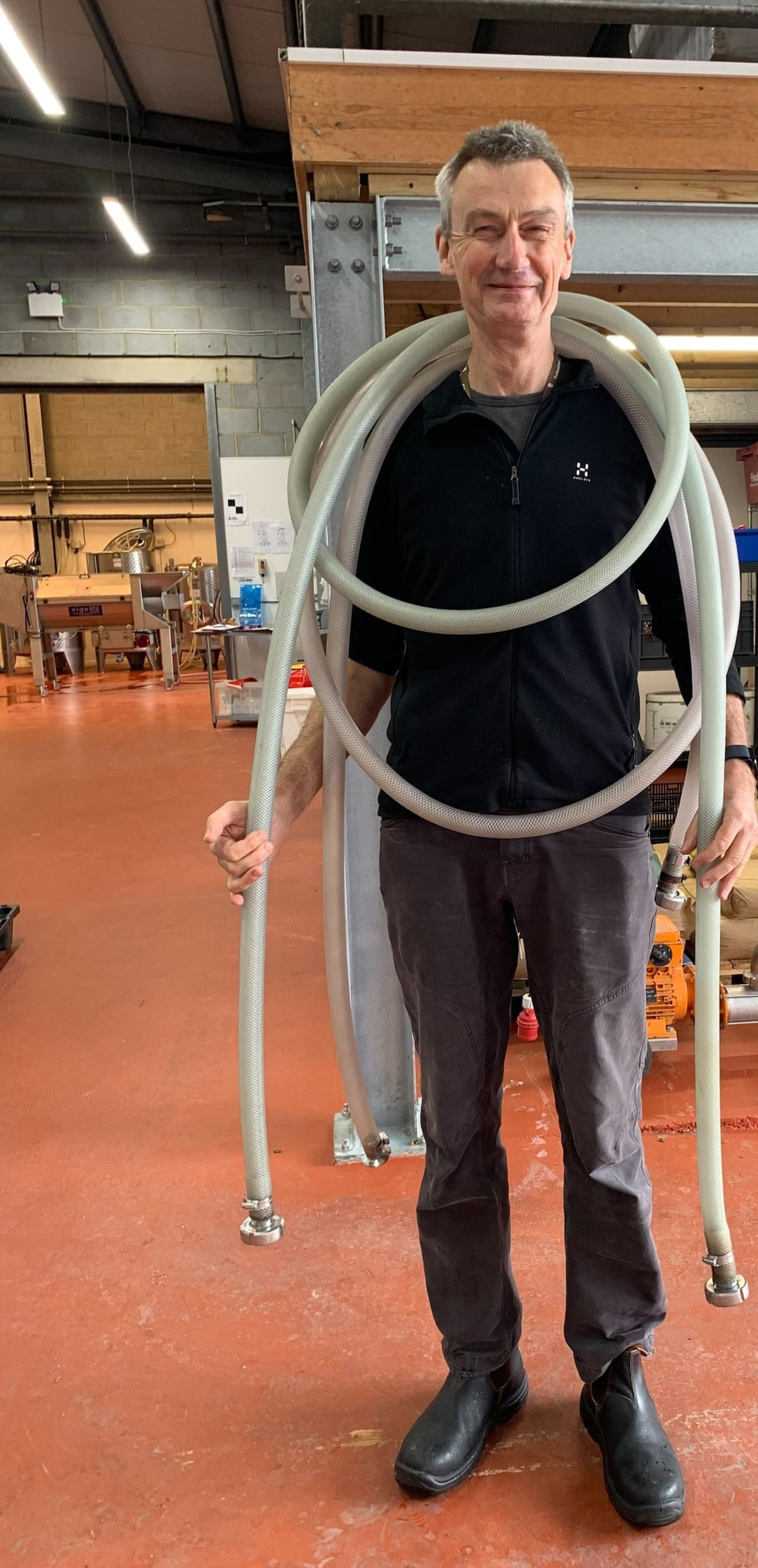
Nick Steel, a former GP and professor of public health, is pursuing a second career by turning his hobby into a profession.
“I am a wine drinker and enthusiast and got more sucked into the world of wine and thought I’d like to come and learn how to make it,”says the 61-year-old, who is in the final year of a foundation degree and plans to join the growing cohort of UK winemakers.
“The intention is to have an urban winery with some bought-in grapes … I want to produce a commercially viable product that I can sell.”