

Sheep Farming Decline on Hill Top Farm
For four generations, Neil Heseltine's family have worked on Hill Top Farm, perched on the hillside of Malhamdale amid the dramatic landscape of the Yorkshire Dales. For most of that time, sheep were the mainstay of the business.
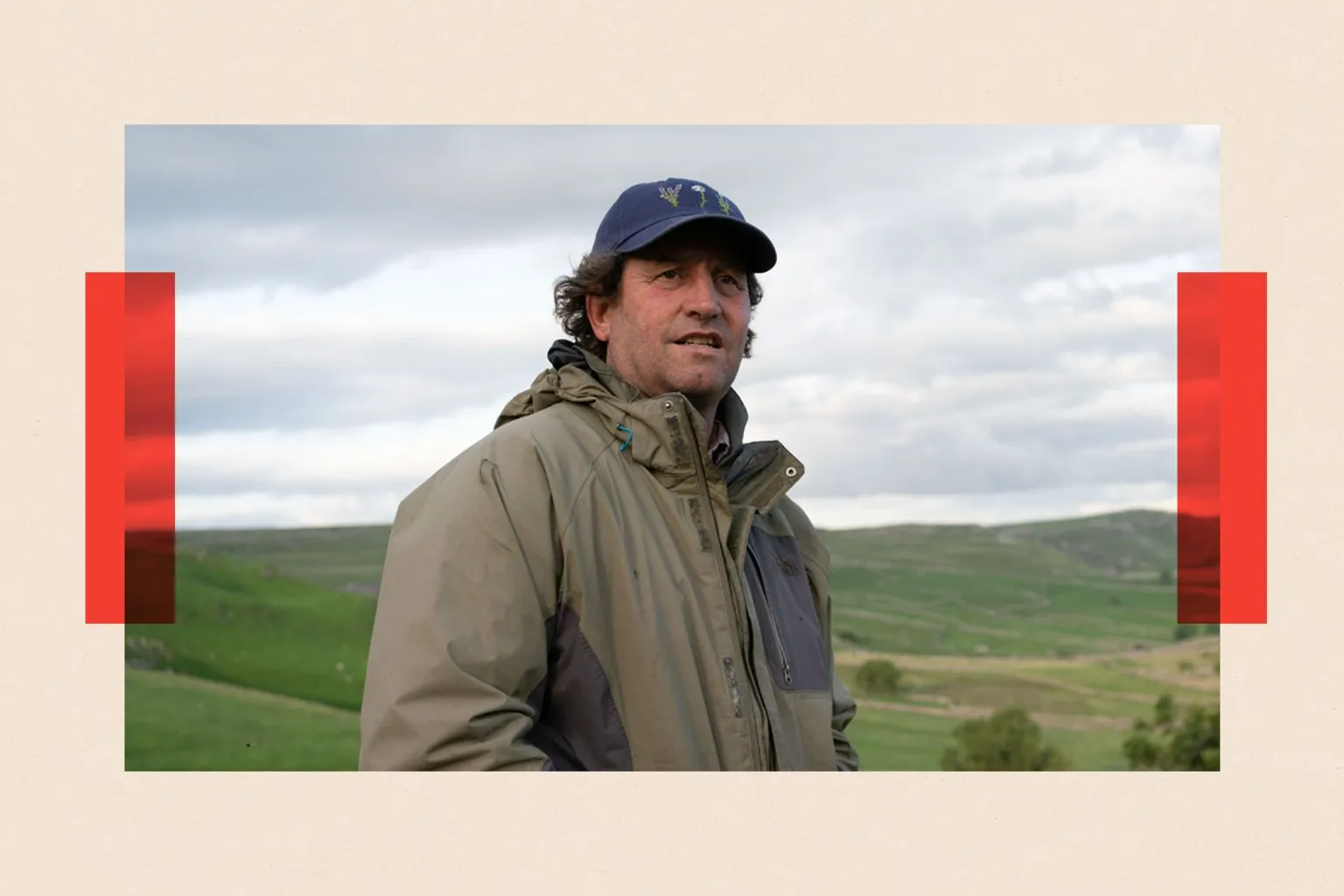
However, Neil reports that over the past 20 years there has been "a complete turnaround" as he shifted away from sheep farming to maintain financial viability. The 1,500-acre farm has decreased from a peak of over 800 lambing sheep to just 45 this spring.
"I dread to think where the farm would have been financially had we not started to make those changes," he says. "I either continued along the sheep-farming route because of sentimentality or made bold decisions."
While most upland farmers still keep sheep, this shift reflects a broader trend across the Yorkshire Dales and the wider British farming industry. Sheep farming has historically been challenging, but for many, it is becoming increasingly difficult to sustain profitability.
The average British farmer is 60 years old, according to the National Farmers' Union (NFU). Costs for essentials such as fuel and fodder have risen significantly, while many farmers face reduced subsidy income. Additionally, concerns exist that recent trade agreements may increase competition from overseas producers.
The UK's trade deals with New Zealand and Australia, established post-Brexit, remove tariffs and grant these countries large quotas for lamb exports to the UK.
Currently, the UK has 14.7 million breeding ewes, the lowest number in living memory, according to Phil Stocker, chief executive of the National Sheep Association.
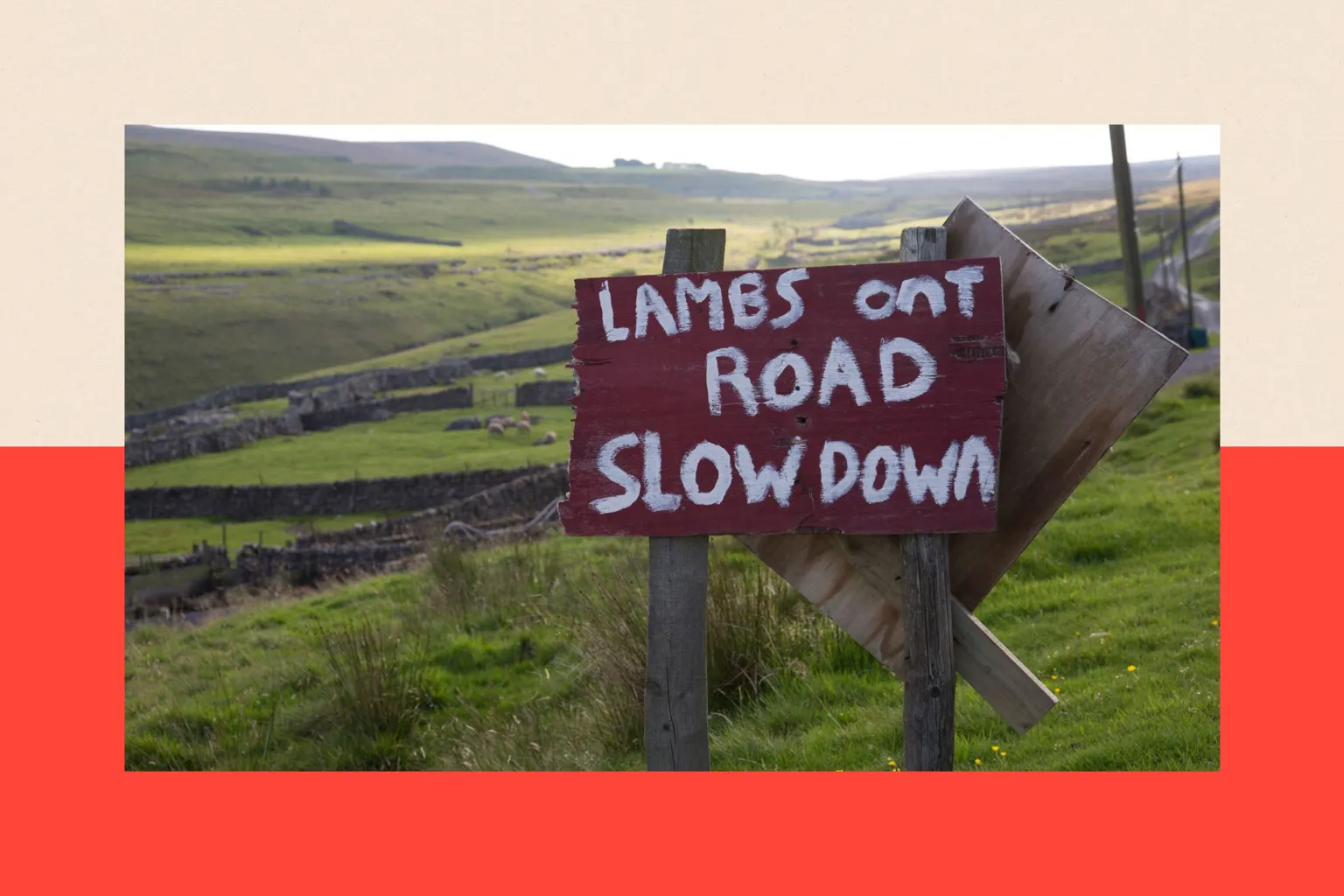
The national sheep flock is projected to decline to 30.4 million by 2025, a level last seen in the mid-20th century when the UK population was smaller and demand for domestically reared lamb and mutton was lower.
Over the past 50 years, lamb and mutton consumption has significantly decreased. Becky Smith, senior analyst at the Agriculture and Horticulture Development Board (AHDB), notes that in 1980, the average UK household purchased 128g of sheep meat per person per week, which fell to 23g in 2024.
Sheep farming has long shaped the image of regions like the Dales, with drystone walls enclosing livestock and green hills maintained by grazing. However, efforts to preserve this heritage face challenges from declining demand for sheep meat and debates about whether upland areas might better support nature recovery and biodiversity.
These developments raise questions about whether the UK has passed "peak sheep" and what this means for future consumers. Will traditional lamb dishes remain common in 25 years? What will become of iconic landscapes such as the Lake District, Yorkshire Dales, Scottish Highlands, and Welsh mountains, and the communities that depend on them?
Why Sheep Farming Has Become So Tough
At Craven Cattle Mart near Skipton, North Yorkshire, farmers from the Yorkshire Dales and Pennine Moors gather to buy and sell livestock.
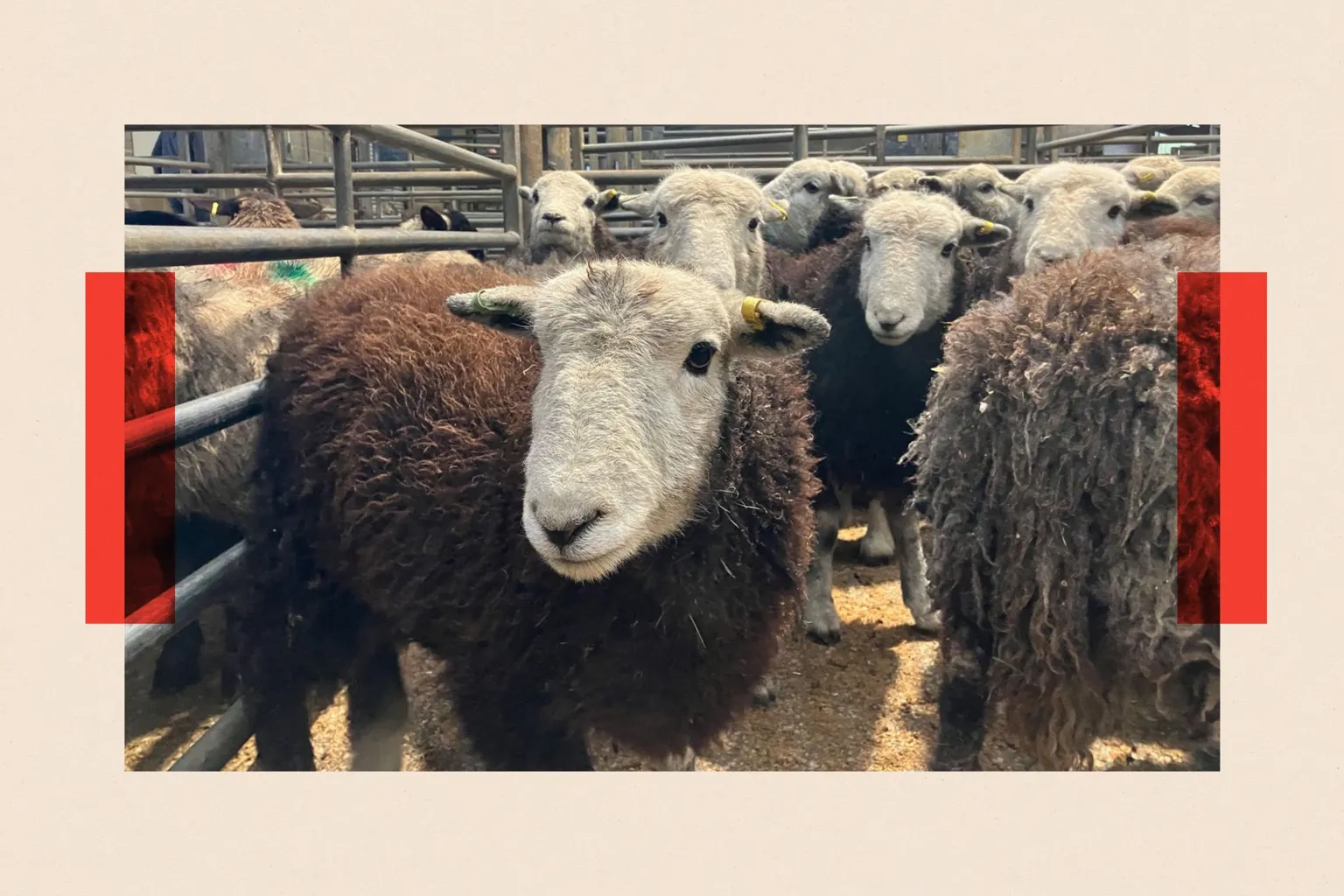
Though the auction ring appears busy, general manager Jeremy Eaton notes it is far less active than when he began 47 years ago.
"We'd have some sales at this market where we'd regularly be selling 19,000 store lambs," he explains. "Now we're fortunate if we get to 8,000 or 9,000."
Sheep farming is known to be demanding. A former shepherd described sheep as creatures that are "only ever trying to do one of three things: 'Escape, or die, or escape and then immediately die.'"
Globally, lamb consumption is expected to increase by 15% between now and 2032, according to the Organisation for Economic Co-operation and Development and the Food and Agriculture Organization.
However, in the UK, changing consumer preferences have reduced mutton consumption and shifted lamb from a weekly staple to a meat more often reserved for special occasions. White meats like chicken are increasingly preferred over lamb and beef.
The decline in the national flock has contributed to record-high lamb prices in 2024, as noted by Becky Smith of the AHDB.
Despite higher prices, upland farmers with narrow profit margins are heavily affected by rising diesel and oil costs. Additionally, feed costs have surged, with hay prices rising from £75 to £155 per tonne within a year.
Farmers and organizations such as Compassion in World Farming have expressed concerns that new trade deals might disadvantage UK agriculture, as domestic farms adhere to high welfare standards that may not be required in partner countries.
Extremely tight margins discourage younger generations from pursuing farming careers.
At Craven Cattle Marts, this demographic shift is evident.
"You can see here today, most of the generation of farmers are over 60," says Hayley Baines, a 39-year-old sheep farmer from Gisburn in the Ribble Valley. "There [aren't] many young ones because there's better options."
Some welcome the decline in sheep farming.
"Fewer sheep means less suffering [...] a sheep's life in the wool and mutton industries belies our reputation as a nation of animal lovers," states Mimi Bekhechi, senior vice president at the UK's People for the Ethical Treatment of Animals (Peta).
The UK's Climate Change Committee has advised the government to encourage reduced meat and dairy consumption to combat climate change.
How Changing Subsidies Have Made an Impact
Matthew Cole of the NFU highlights that post-Brexit changes have shifted subsidies away from payments based on livestock volume or land area.
New UK government schemes emphasize farming practices that support nature, leading to reduced subsidy income for many farmers.

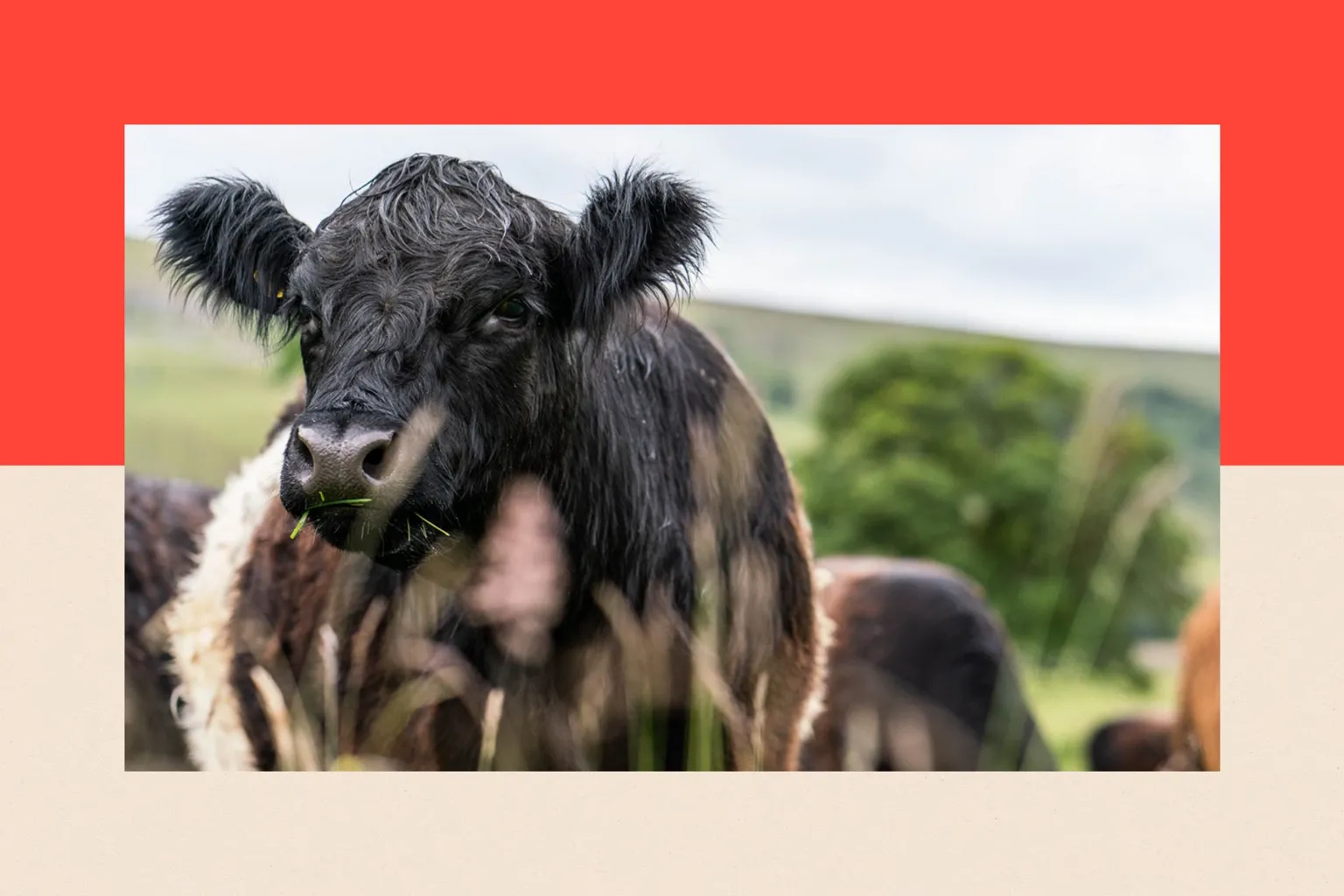
For instance, the Sustainable Farming Incentive scheme, updated recently, promotes grazing moorland with cattle and ponies rather than sheep, as this benefits biodiversity. Cattle graze less intensively, allowing smaller plants to flourish.
Neil Heseltine now manages 300 cattle grazing outdoors year-round, a change that has improved profitability and reduced labor.
While many farmers welcome these schemes in principle, some find the funding insufficient compared to previous support systems.
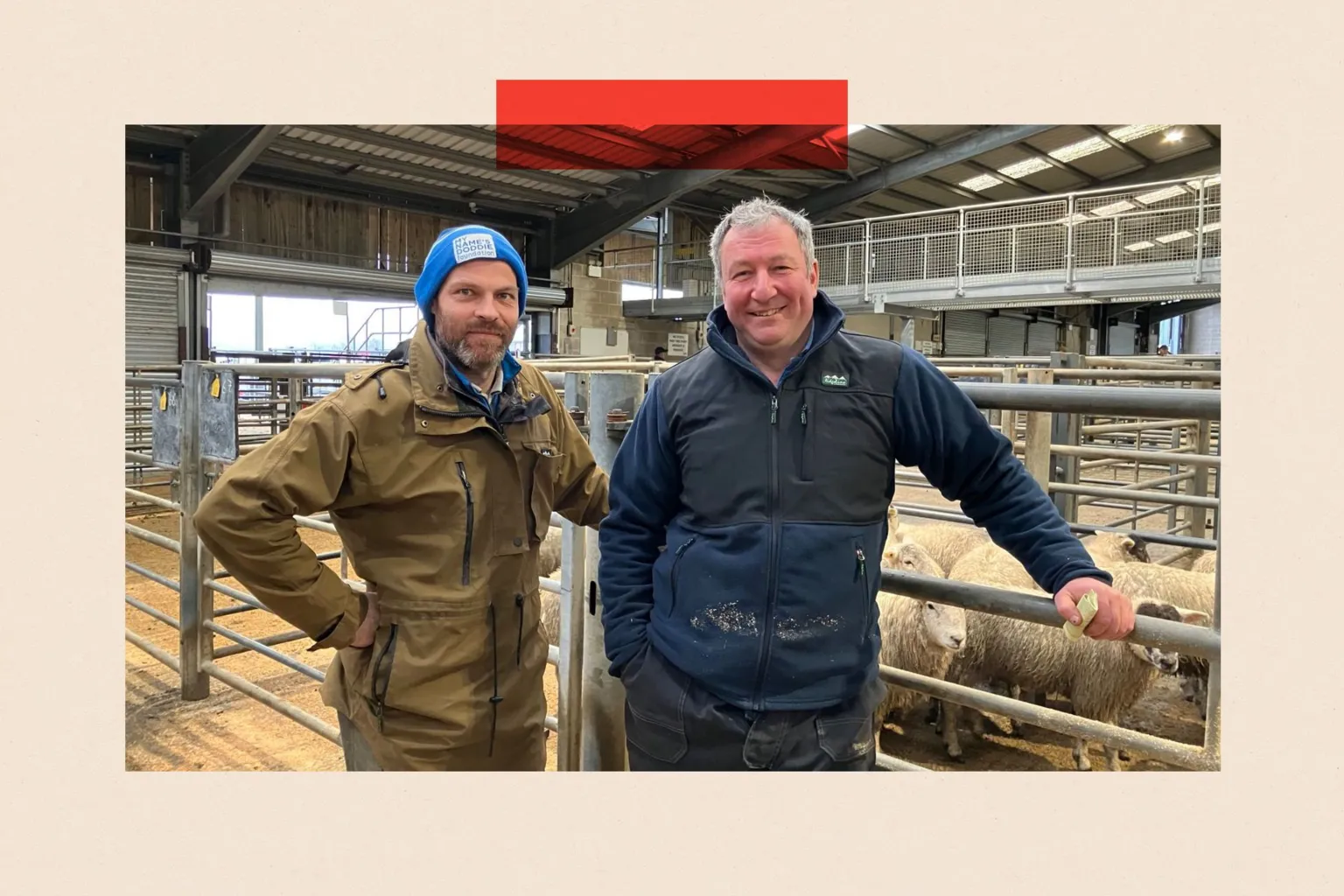
"Going forward, do I see a future? I'm not sure where we're going with it," says James Foster, who has farmed beef and sheep on the Bolton Abbey Estate for 30 years. "I do believe the government don't want us, but people have to eat and we just have to adapt with that."
Defra states that an average of £2.3 billion annually is invested through farming schemes in England and Wales, asserting protection for farmers in trade deals and efforts to create fairer supply chains.
Scottish sheep and upland farmers face similar challenges of tight margins, rising costs, and declining lamb consumption. The Scottish government has also shifted subsidies to reward environmental benefits, exemplified by the "Sheep and Trees" initiative, which supports woodland planting without reducing flock sizes.
Some farmers have criticized the accessibility of these schemes, prompting Agriculture Minister Jim Farlie to commit to reviewing certain projects. Early in 2024, NFU Scotland and other organizations expressed concerns that government funding is insufficient to support profitable food production and climate and nature objectives.
In Northern Ireland, the sheep population has declined for several years, with 1.9 million sheep reported in 2024. The Ulster Farmers Union has criticized the exclusion of sheep farmers from future agricultural policy and urged the Department of Agriculture, Environment and Rural Affairs to engage with the sector.
Compromise and Respect?
Sheep were first domesticated approximately 10,500 years ago in the Middle East and introduced to Britain by Neolithic farmers around 4000 BC. Sheep became so integral that by medieval times the phrase "half the wealth of England rides on the back of the sheep" was common.
In Scotland, sheep have played a key role in the rural economy for generations, with the population remaining stable at around 6.5 million in recent years.
Scottish sheep farming history is linked to the Highland Clearances, when crofting families were displaced in the late 18th and 19th centuries as landowners prioritized sheep farming for higher profits.
In 2004, sheep were removed from the limestone landscapes of Ingleborough, the second-highest mountain in the Yorkshire Dales, replaced by native cattle breeds as part of the Wild Ingleborough project. These cattle are less intensive grazers.
Two recent scientific studies published in Ecological Solutions and Evidence demonstrate significant biodiversity improvements across the 1500-hectare area, including a 40% increase in plant diversity and a fivefold rise in butterfly numbers after sheep removal.
Robyn Wrigley of the University of Leeds co-authored these studies, highlighting their contribution to understanding grazing impacts and informing restoration discussions.
However, not all farmers welcome these changes, viewing them as lost livestock pasture and questioning the future of their livelihoods.
David Stanners, Uplands North Group Chair at the NFU, emphasizes the need for mutual understanding.
"To understand better what Natural England wants from the uplands, what wildlife trusts want, they need to understand what we (the farmers) want," he says. "There needs to be compromise and respect on all sides."
How Muslim Communities Could Make a Difference
Phil Stocker from the National Sheep Association sees a positive outlook for the industry, driven by demand from the UK's growing Muslim population.
AHDB data indicates that 80% of halal consumers eat lamb weekly, and 64% consume mutton weekly, compared to only 6% of the general UK population eating lamb weekly.
Muslims, comprising about 6.5% of the UK population, account for 30% of annual lamb sales. Lamb is often preferred for family occasions and festivals such as Ramadan and Eid, while mutton is commonly used in curries and stews.
Stocker does not foresee the industry's total collapse but notes that current survival depends largely on market demand despite policy challenges.
A worst-case scenario would see UK lamb become more expensive and scarce, replaced by imports from major suppliers like New Zealand and Australia.
The AHDB projects sheep numbers will continue to decline on many farms, but sheep will likely remain visible in upland areas such as the Lake District and Welsh mountains in 25 years.
Farmers and conservationists call for clear policy direction regarding upland management for future generations, hoping that traditional sheep farmers and conservation efforts can coexist in the UK's cherished uplands.
Top picture credit: Universal Images Group via
About BBC InDepth
BBC InDepth is the website and app home for detailed analysis, fresh perspectives challenging assumptions, and in-depth reporting on major issues. Emma Barnett and John Simpson present their selection of thought-provoking reads and analysis every Saturday. Readers can for the newsletter.



