

UK Price Inflation Remains Above Target
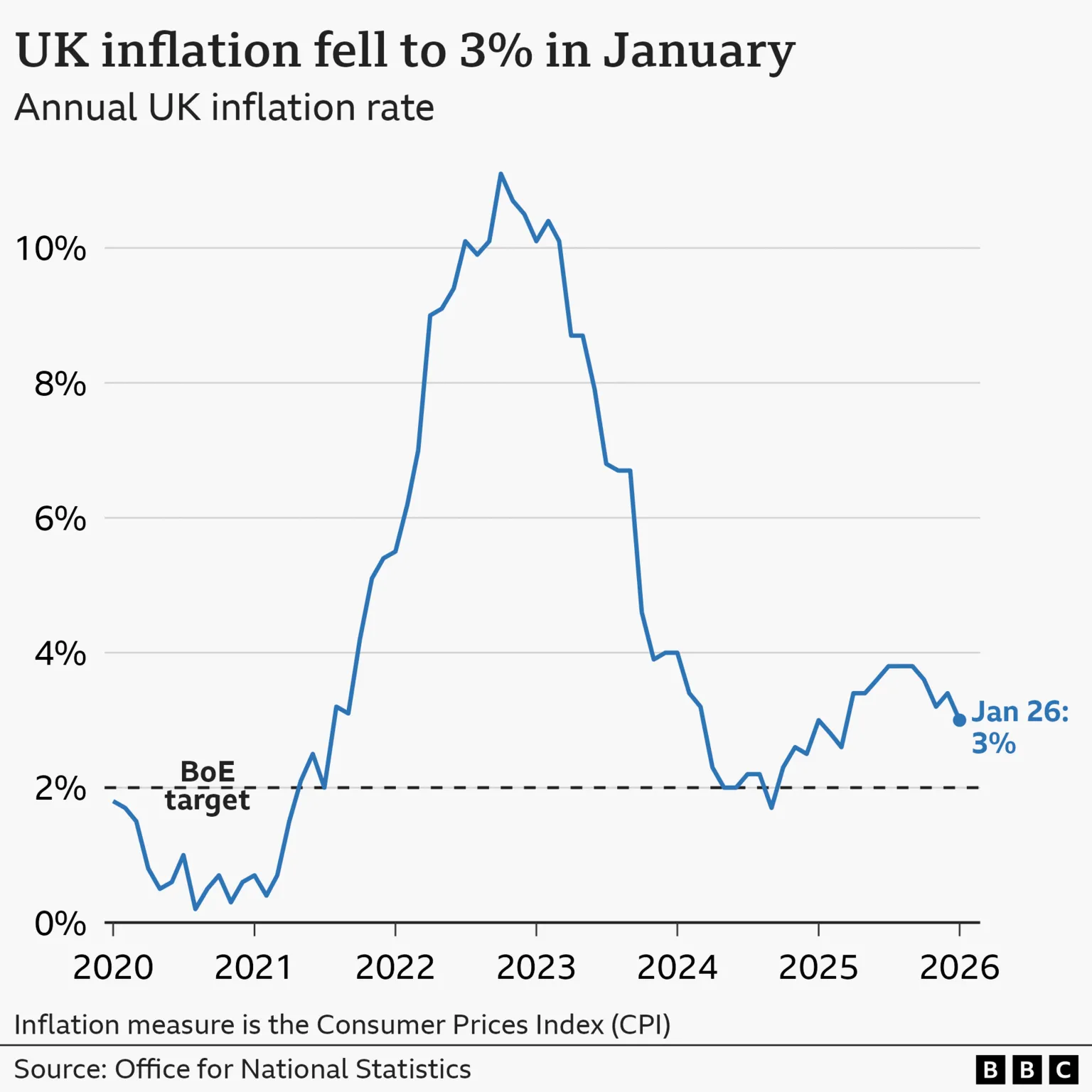
Prices in the UK increased by 3% in the year to January, a decrease from the 3.4% recorded in December. Despite this reduction, inflation remains above the Bank of England's 2% target.
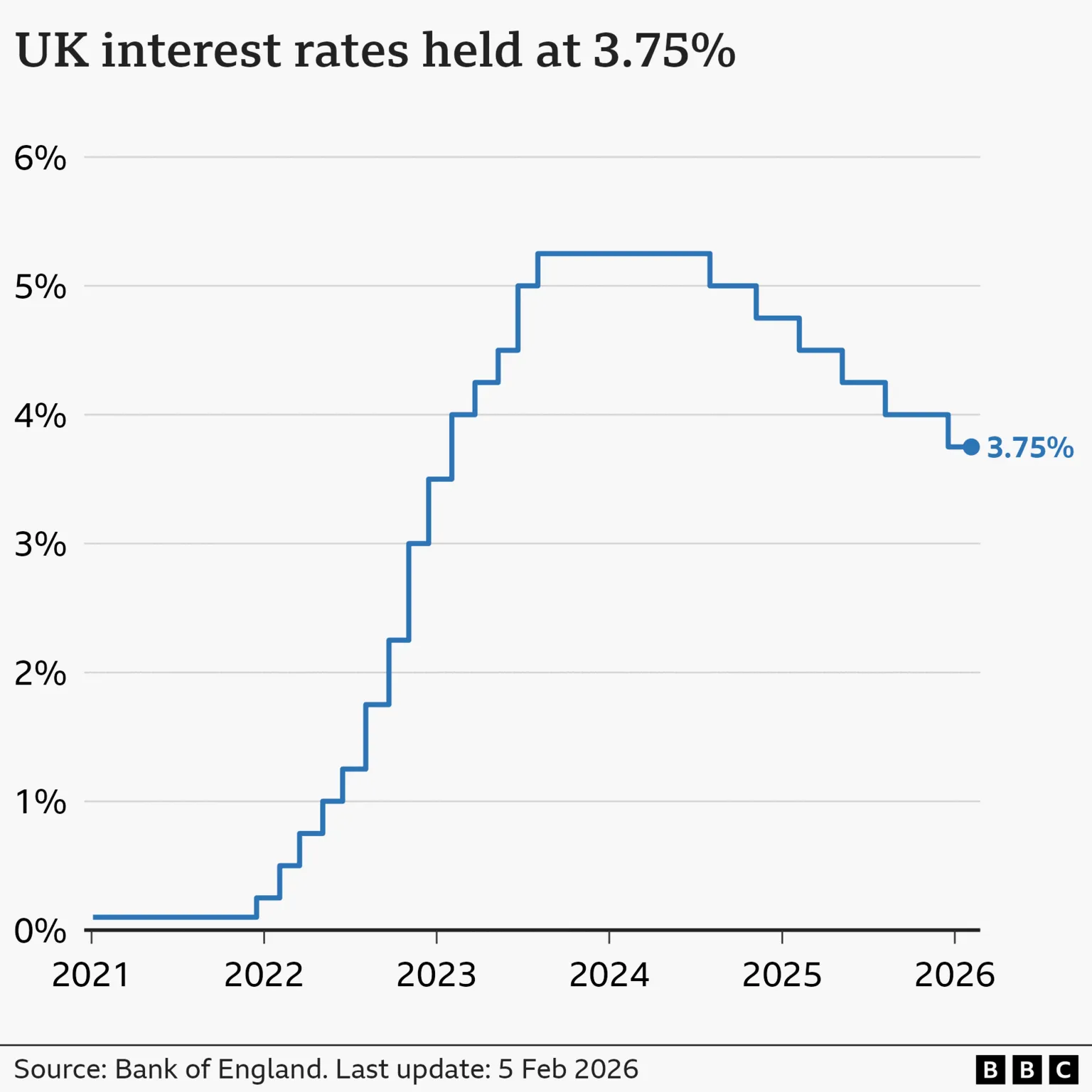
The Bank of England adjusts interest rates to manage inflation, and since August 2024, six rate cuts have lowered the base rate to 3.75%.
What is Inflation?
Inflation refers to the rise in prices of goods and services over time. For example, if a bottle of milk costs £1 and rises to £1.05 a year later, the annual inflation rate for milk is 5%.
How is the UK's Inflation Rate Measured?
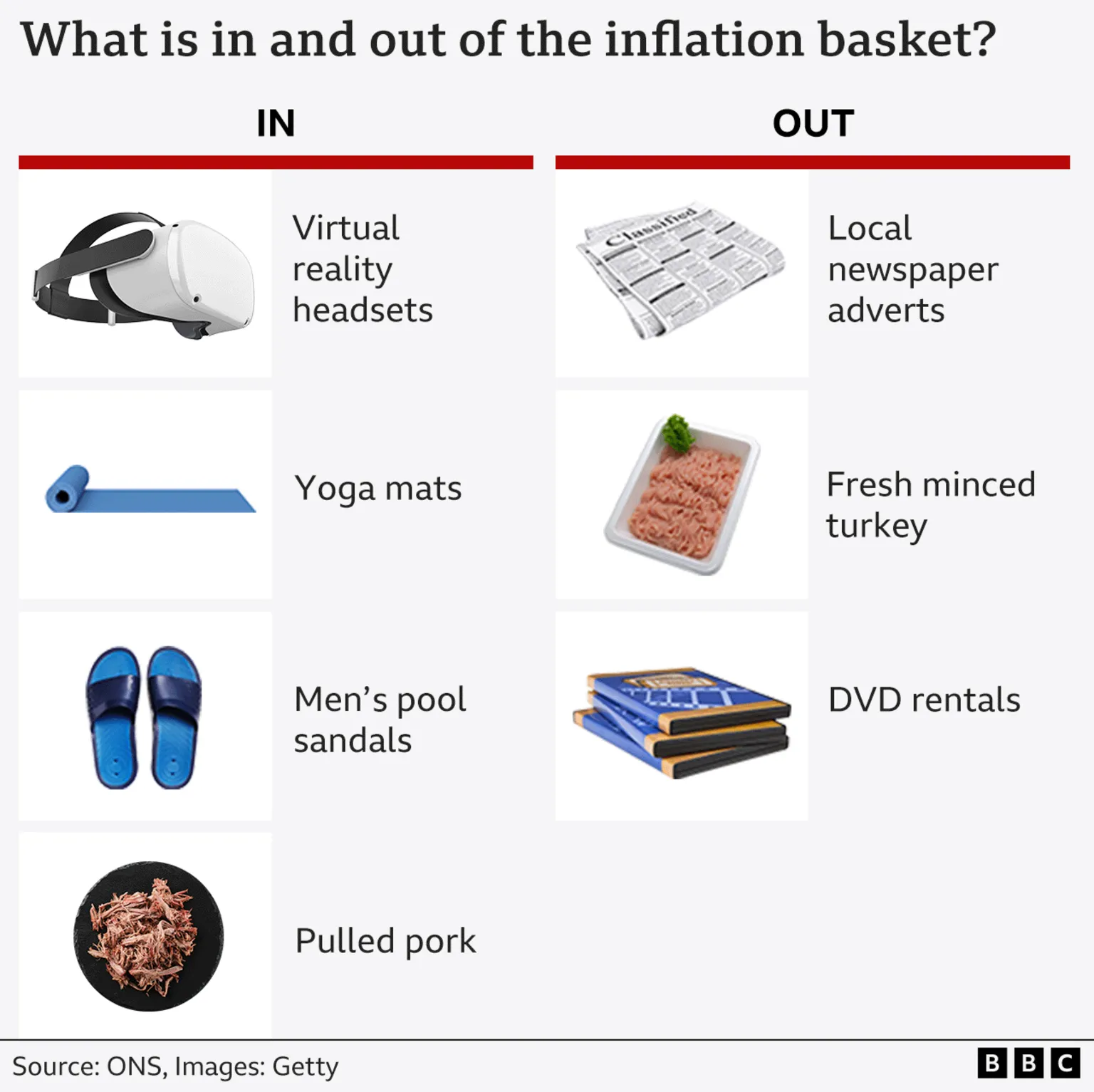
The Office for National Statistics (ONS) tracks the prices of hundreds of everyday items, including food and fuel, to calculate inflation. This collection of goods and services, known as the "basket of goods," is regularly updated to reflect changing consumer habits. For instance, virtual reality headsets and yoga mats were added in 2025, while local newspaper adverts were removed.
The ONS monitors price changes over the previous 12 months to determine inflation. The primary measure is the Consumer Prices Index (CPI), with the latest figures published monthly.
Current Trends in UK Inflation
The CPI figure of 3% in January remains above the Bank of England's 2% target but is significantly lower than the 11.1% peak reached in October 2022, the highest in 40 years.
This decline in inflation rate indicates that prices continue to rise but at a slower pace, aligning with economists' forecasts. Key factors contributing to this easing include lower petrol and supermarket prices, although these costs are known to fluctuate.
Due to such volatility, the Bank of England also considers alternative measures like "core inflation," which excludes food and energy prices to better reflect long-term trends. Core CPI was 3.1% in the 12 months to January, the lowest since September 2021.
Reasons Prices Continue to Rise
Although inflation has decreased since its October 2022 peak, prices are still increasing, just at a reduced rate. The surge in inflation during 2022 was driven by heightened demand for oil and gas following the Covid pandemic and further escalated by the Russian invasion of Ukraine.
Inflation has remained above the 2% target partly due to persistent food price increases. However, January data indicates that food prices are rising at their slowest pace since April of the previous year.
Higher living costs often lead employees to seek wage increases. Additionally, increased employer costs from National Insurance contributions and minimum wage hikes pressure companies to raise prices to cover these expenses.
How Interest Rate Increases Help Control Inflation
When inflation exceeded the 2% target significantly, the Bank of England raised interest rates to 5.25%, a 16-year high. The goal of higher rates is to make borrowing more expensive, reducing spending by individuals and businesses and encouraging saving.
This reduction in demand helps slow price increases. However, raising interest rates involves balancing economic risks, as higher borrowing costs can negatively impact homeowners with increased mortgage payments and discourage business investment and hiring.
Recently, inflation has stayed above target while the economy has been relatively stagnant and the job market has weakened. Consequently, the Bank has opted to cut rates to stimulate spending, investment, and job creation despite ongoing inflation.
UK Interest Rate Movements and Future Outlook
The Bank of England began reducing interest rates in August 2024. Six cuts since then have lowered rates to 3.75%, the lowest level since early 2023.
The December 2025 rate cut responded to concerns about rising unemployment and weak economic growth. This decision was narrowly approved with a 5-4 vote. In February 2026, policymakers voted 5-4 to maintain rates at 3.75%.
Following the February meeting, Bank governor Andrew Bailey stated he now expects inflation to approach the 2% target from spring onwards, earlier than his previous forecast of 2027.
"That's good news," said Bailey. "We need to make sure that inflation stays there. All going well, there should be scope for some further reduction in [the] Bank Rate this year."
The next interest rate decision is scheduled for Thursday, 19 March.
Wage Growth Compared to Inflation
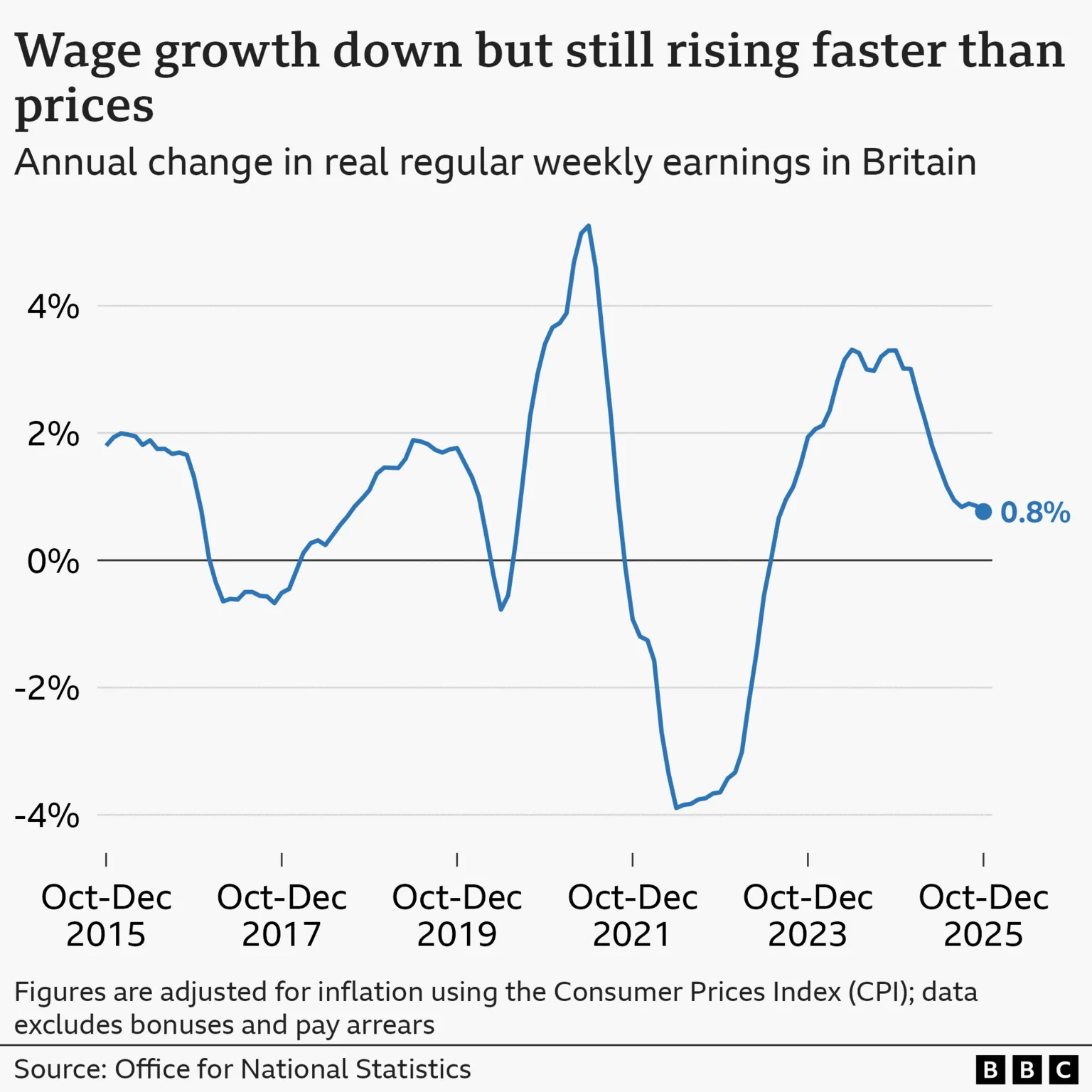
Official figures indicate that regular pay in the UK grew faster than inflation between October and December. Average annual growth in pay (excluding bonuses) during this period was 4.2%, a slight decrease from 4.5% in the previous quarter.
After adjusting for inflation, wages increased by 0.8% between October and December. Public sector annual average regular earnings growth was 7.2%, while the private sector saw 3.4% growth.
Separately, ONS data showed UK job vacancies decreased by 2,000 (0.2%) from November 2025 to January 2026, totaling 726,000 vacancies. The unemployment rate rose slightly to 5.2% in the three months to December, up from 5.1% in the preceding three months, factors that influence the Bank of England's rate decisions.
Inflation and Interest Rates in Europe and the US
Both the US and eurozone countries have been working to limit price increases but maintain lower central bank interest rates than the UK.
Eurozone inflation was 1.9% in December 2025, down from 2.1% the previous month, with preliminary January data suggesting a further decline to 1.7%. Between June 2024 and June 2025, the European Central Bank (ECB) reduced its main interest rate from a record 4% to 2%, where it has remained.
In the US, inflation has also eased recently. Prices rose by 2.4% over the 12 months to January, down from 2.7% the prior month, marking the slowest pace since May. In December, the US Federal Reserve cut its target interest rate for the third time in 2025, setting it between 3.50% and 3.75%, the lowest in three years, and held rates steady at its January meeting.
Earlier in the year, the Fed faced criticism from former US President Donald Trump for not cutting rates sooner. Trump has nominated Kevin Warsh to lead the Fed when current chairman Jerome Powell's term ends in May.


