

Rising Costs Drive Fish and Chip Shops to Explore Alternatives to Cod
Since 2019, the cost of the traditional fish and chip takeaway has more than doubled, prompting many outlets to offer cheaper fish options such as coley, pollack, and hake to attract customers.
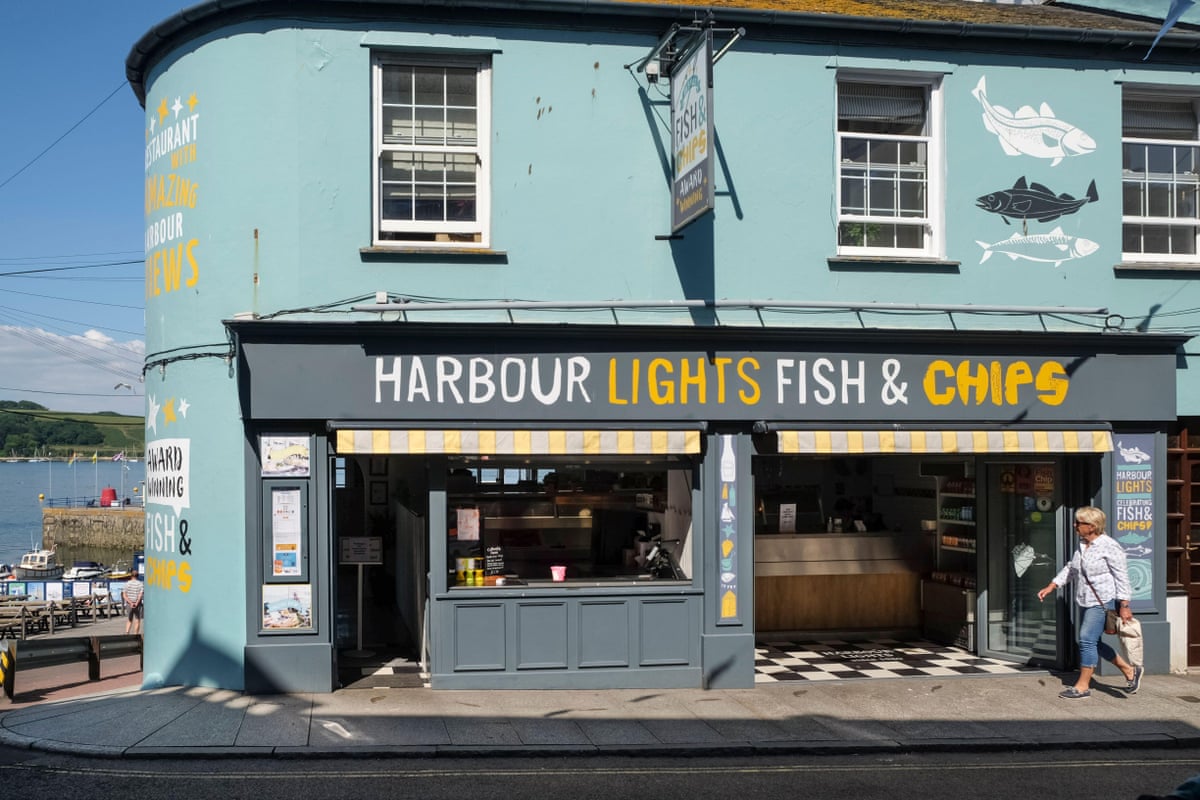
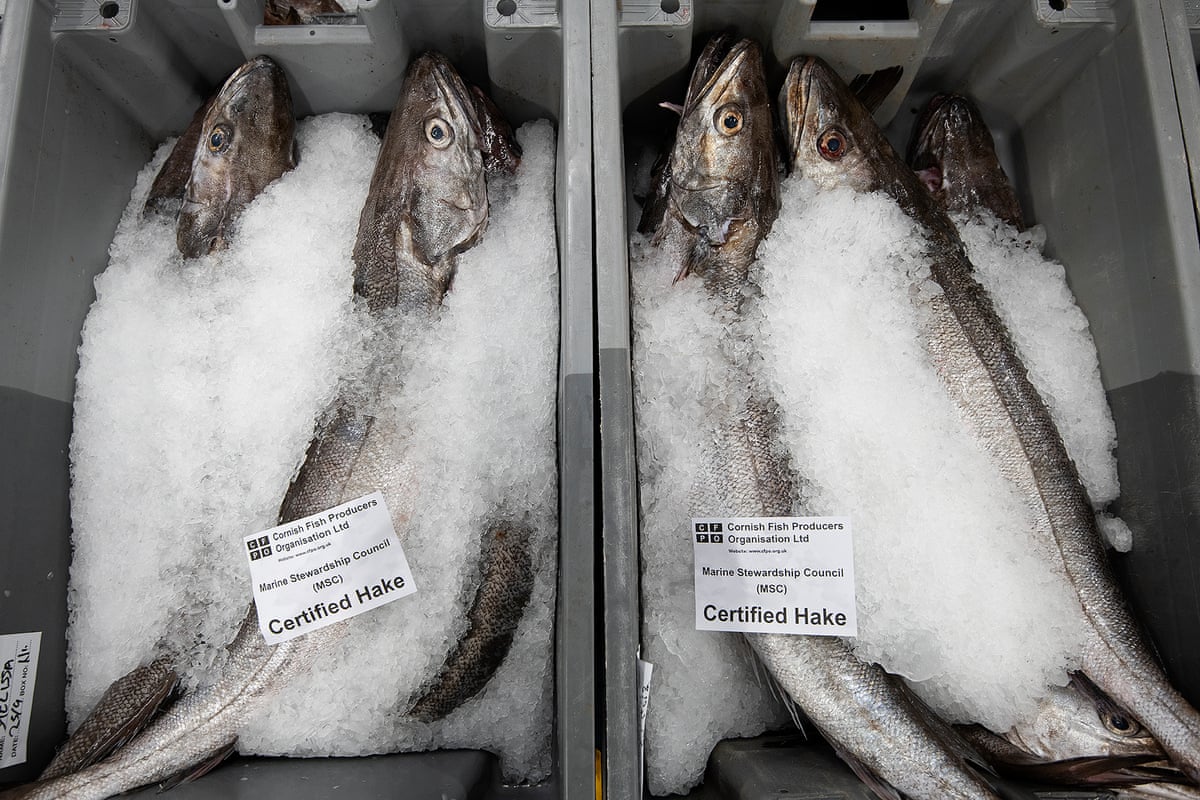
In late April, Harbour Lights in Falmouth, Cornwall, implemented a "cod-free week," temporarily removing cod from its menu. This marked the second time owner Pete Fraser had conducted such an experiment, the first being 15 years prior. Alongside his Falmouth location, Fraser also removed cod from his shops in Penzance and Helston, substituting it with coley, pollack, hake, and hoki. The customer response this time differed markedly from the initial trial.
“Some of the feedback we had, which certainly wasn’t what we got when we ran it years ago, is ‘Can you repeat this?’ Before, it was like, ‘Have you guys lost your head’?”
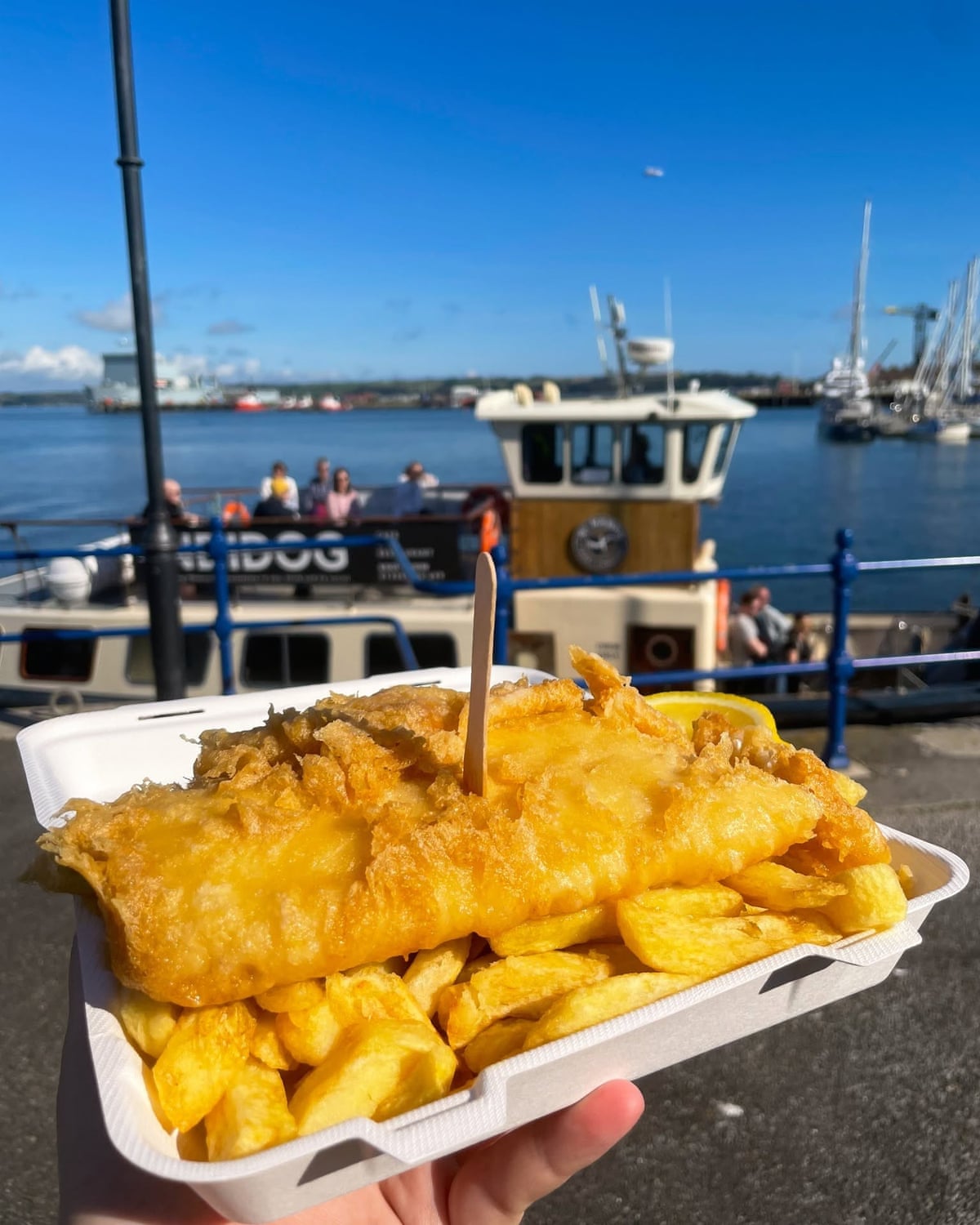
Price pressures are a significant factor behind such changes. The average price of a fish supper rose from £6.48 in 2019 to £11.17, influenced by multiple challenges including Brexit, declining fish populations and fishing quotas, inflation during the pandemic, and geopolitical conflicts in Ukraine and the Middle East. Cod prices, in particular, have surged.
Shop owners report fewer visits from regular customers, with many sharing meals when they do come. The National Federation of Fish Friers (NFFF) indicates that nearly half of fish and chip shop owners are "extremely worried" about the future of their businesses.
As a result, an increasing number of operators are experimenting with alternatives to cod and haddock. While some substitutions occur without customer knowledge—as revealed by recent investigations—most shops openly advertise these options.
For instance, Cod’s Scallops in Nottingham offers monkfish, hake, plaice, and sea bass. Donington and Chips in Lincolnshire, which opened this year, serves hake and plaice. Meanwhile, the Mayfair Chippy in London, one of the country’s priciest, recently removed cod due to sustainability and overfishing concerns.
“Some guests were surprised,”says co-owner Pete Taylor.
“But the response has been mostly positive.”
Barry Young, managing director of Brixham Trawler Agents, notes that hake is becoming a popular choice among chippies, and believes there is potential for a broader variety of fish species to play a larger role in the future.
Sustainability and Price Both Influence Menu Changes
While Fraser acknowledges sustainability concerns, he does not believe current cod stocks are problematic.
“I am a big fan of the MSC [Marine Stewardship Council],”he says.
“If they certify a fishery is safe, I’ve got no problem selling any MSC fish, cod included.”
His primary goal is encouraging consumers to diversify their fish choices to reduce pressure on popular stocks.

“For 20 years I’ve been on a personal mission to get the British to be braver. If you try different fish, you take pressure off the stocks of the more popular ones.”
Nevertheless, the doubling of wholesale prices for favored fish over two years, combined with rising costs for British potatoes and cooking oil, also drives menu experimentation.
“We can’t absorb that [rising cost], so we offer alternatives at prices people are familiar with,”Fraser adds.
Cod and haddock remain the majority of Fraser’s sales, with a 17-3 split favoring cod (haddock is more popular in northern England and Scotland). However, alternatives like coley and pollack, which retail for about £2 less than cod, cook and taste similarly as they belong to the same fish family.
Fraser also sells Cornish hake and sole, which appeal to regulars supporting local fishing communities and tourists seeking regional delicacies.
“There’s no drop in the quality of fish [from cod and haddock], it’s just the British are so entrenched [in their thinking]. Over the Channel, they love variety.”
New Zealand Hoki Gains Traction in UK Fish and Chip Shops
On the north Norfolk coast in Cromer, Will Watson, owner of Will’s Plaice, is preparing for the summer season. Three months ago, he introduced New Zealand hoki, which he describes as "a cross between cod and haddock." Priced at £12 with chips compared to £14.10 for cod, hoki has been selling well.
“Cod and haddock still make up 75-80% of sales, but those who try hoki often reorder,”Watson says.
“We have fun with people who haven’t heard of it, we start doing the hokey cokey.”
He adds,
“Fish overall is very expensive, people worry about spending on something they’re not going to like. But no one has not liked it. We portioned some up and sent it into the bar next door – several people came in to buy a full fillet.”
Industry Perspectives on Fish Preferences and Supply
Andrew Crook, president of the NFFF, reports that 95% of sales at Skippers of Euxton in Lancashire consist of cod and haddock. He notes that alternatives are "still not the norm," though their popularity, especially hake (much of which is imported from South Africa), has increased significantly.
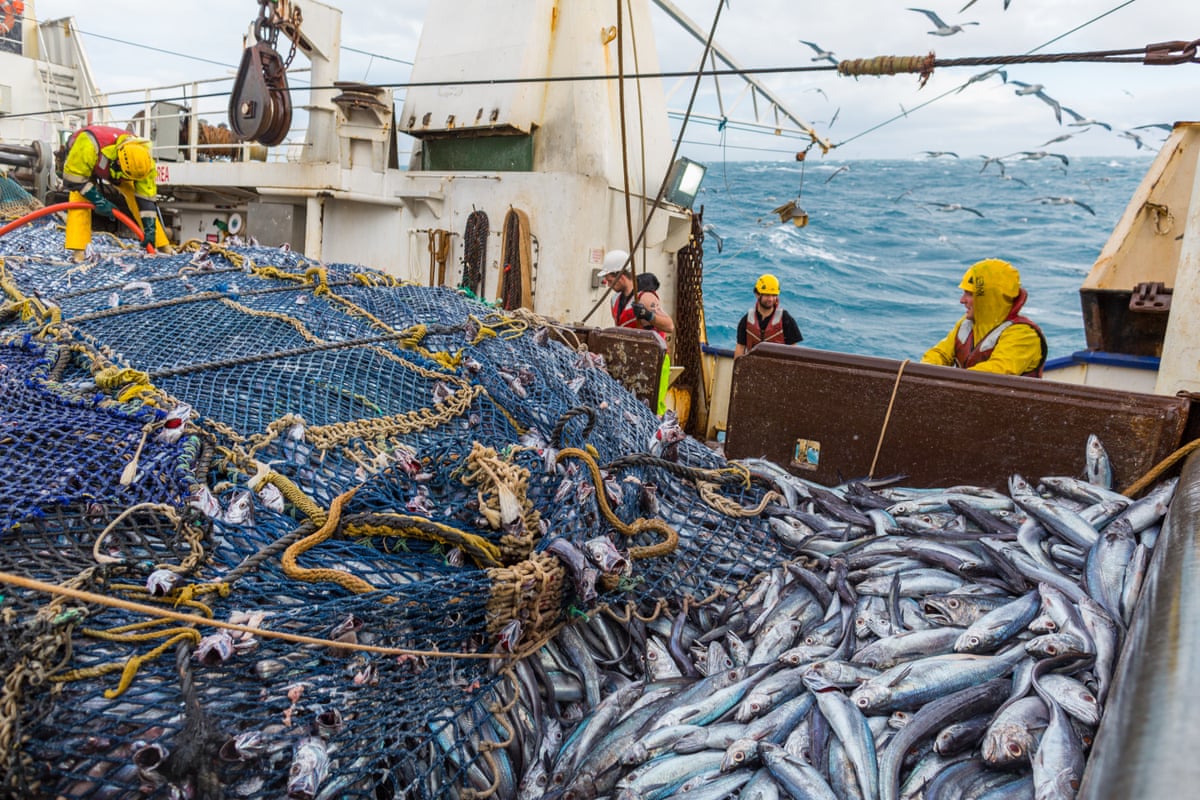
Hoki is sourced from New Zealand, while coley comes from Norway and Iceland. Neither is currently available in sufficient quantities to replace wild cod and haddock fully.
Meanwhile, operators remain concerned about further price increases, with rumors suggesting wholesale prices could double again by year-end, potentially prompting more shops to offer alternative fish.
Watson, who plans to open a new shop in North Walsham, Norfolk, next month, expresses a desire to see cod and haddock become less dominant on menus and maintains ongoing discussions with suppliers.
“What’s the point of having something on the menu you can’t make money on?”he asks.
“I can only put the prices up so much on my end. If [the wholesale price] goes up more we’ll have to take it off.”
When Fraser conducted his first cod removal 15 years ago, cod and haddock accounted for 90% of sales; today, that figure is 75%. He remains optimistic about the future.
“Cod and haddock haven’t had their day, they’re both wonderful fish, there are still well-managed supplies of them. But people are gradually getting braver, which is great.”


