

Understand the basics
Breakdown cover is not legally required but serves as a safety net to prevent being stranded if your vehicle fails. It is important to understand the limitations of any policy before purchasing.
Basic policies start at around £15, with the cost influenced by the provider, desired features such as being brought home with your car, European coverage, replacement vehicles, and other options.
The simplest coverage is basic breakdown cover. Under this, if your vehicle breaks down beyond a specified distance from home (for example, a quarter of a mile), a mechanic will attempt roadside repairs. If unsuccessful, the vehicle will be towed to a nearby approved garage.
Consider extras
National cover, which is more expensive, allows your car to be towed to your home or another destination. This is beneficial for those who travel long distances or want to avoid holiday disruptions.
Another optional feature is “home start,” which covers breakdowns at or near your home, including within the exclusion zone of cheaper policies. This can be useful for issues such as battery failure.
Adding “onward travel” means that if your car requires repairs, the insurer will provide a replacement vehicle, public transport, or overnight accommodation if necessary.
Kara Gammell of comparison website MoneySuperMarket, says drivers should focus on the level of cover that they need when comparing policies and only buy the features they need.
“Basic roadside assistance is usually the cheapest option, while national recovery, onward travel and at‑home start add extra protection, but can also add to the cost, so it’s important to tailor your policy, rather than assuming you need every add‑on,” she says.
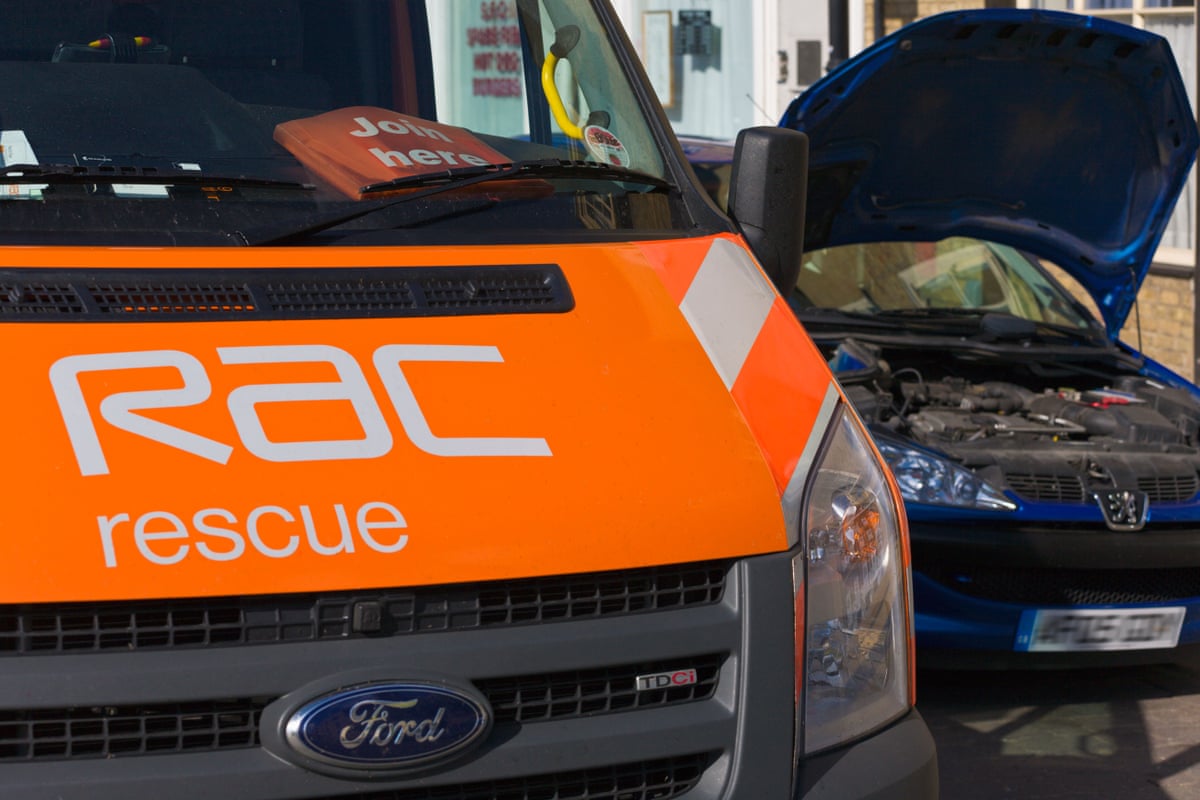
For example, a basic personal policy with RAC Essentials costs £29.99 per year. Upgrading to national cover raises the price to £40. Adding home start increases it to £49.99, and including onward travel brings the total to £51.99.
Choose person or car
Breakdown cover can be purchased either for a specific vehicle or for the named individual on the policy.
Vehicle cover protects the specified car, van, or motorbike regardless of who is driving. The RAC recommends this option for family cars driven by multiple people.
Personal cover protects the named individual no matter which vehicle they are in, whether as driver or passenger. This means if you are a passenger in someone else’s car without cover, you can still call for assistance.
The drawback is that if you are not in a vehicle when it breaks down, coverage does not apply unless the other person has cover.
Personal cover is generally more expensive. For instance, RAC Essentials’ basic vehicle cover costs £25.98 annually, about £4 less than the personal cover equivalent.
Family breakdown cover allows multiple people living at the same address to be covered for any vehicle they drive or occupy under one policy.

Trips abroad
If you plan to drive in Europe, breakdown cover for your trip can help avoid complications with foreign garages and recovery services.
European cover is available for single trips or as an annual policy covering unlimited journeys. If you travel frequently, the annual option may offer better value.
Policies should be purchased before travel, as some insurers require a minimum number of days before coverage begins.
Coverage levels vary, including limits on repair costs and replacement vehicles, so it is important to compare policy details carefully.
Check existing policies
Before buying new cover, verify whether you already have suitable protection.
Some packaged bank accounts include breakdown cover. For example, Nationwide’s FlexPlus current account (£18 monthly) provides UK and European cover from the AA. NatWest’s Reward Platinum account (£22 monthly) offers UK cover, and the Premier Reward Black account (£36 monthly) includes UK and European coverage.
While most car insurance policies exclude breakdown cover, some include it. For instance, one insurer offers Mutual Assist on all policies, which includes roadside help, local recovery beyond a quarter-mile from home, and a small hire car for 48 hours. More comprehensive cover is available at higher cost.
Many car manufacturers provide limited breakdown cover with new vehicles. Ford offers one year of UK and European assistance, while Audi and BMW provide three years.
If you already have cover, review the details to ensure it meets your needs.
Shop around and haggle!
A recent survey identified Aviva, Axa Assistance, Autonational Rescue, and Start Rescue as the four highest-rated providers based on customer satisfaction and response times.
Tom Banks of comparison site GoCompare states that the industry benchmark for quality is the on (text missing in original, presumably 'on-time response').
He also recommends checking average response times. For example, some providers get customers back on the road within 30 minutes of arrival.
When renewing coverage, do not accept the automatic renewal price without checking for better deals. Martin Lewis’s MoneySavingExpert site notes that breakdown cover providers are among the easiest to negotiate with during renewals.
It advises that you call your provider towards the end of your existing cover period to ask for a better deal as you are paying too much or there are better offers elsewhere. Telling a provider that you are leaving may prompt a better deal as they are usually eager to retain customers. There may be a better deal available from another provider, so use comparison sites to see what else is on offer.

Know what to expect
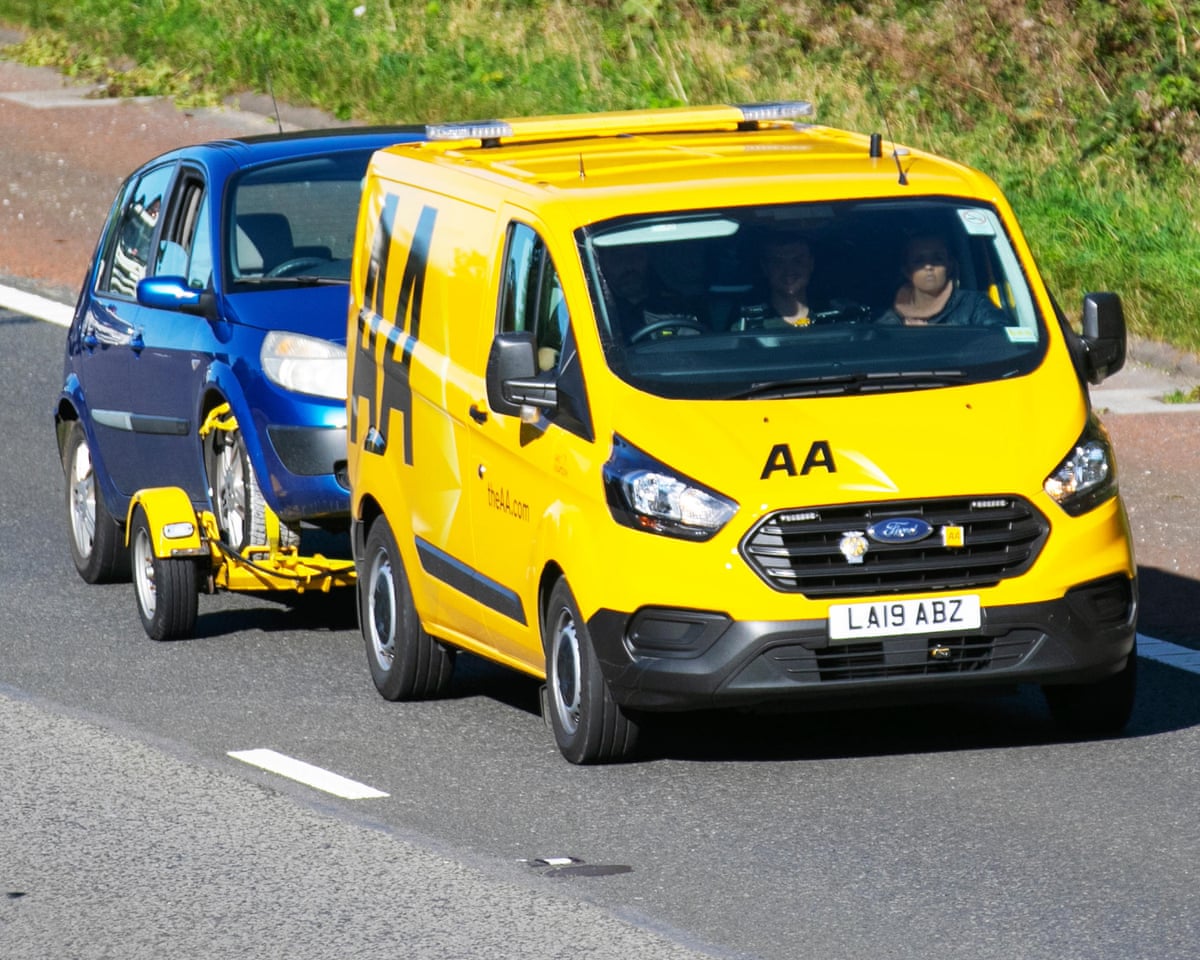
Seeing a recovery vehicle after a breakdown can be reassuring, but the journey home may involve multiple trucks and transfers.
This is due to UK regulations limiting truck drivers to 10 hours of driving per day, which may require changing drivers.
Additionally, many recovery companies operate within specific geographic regions, such as the north-east or Wales. If your recovery crosses these boundaries, you may need to transfer to another recovery vehicle.


