

Trump Signs Proclamation to Raise US Imports of Argentinian Beef
On Friday, Donald Trump signed a proclamation aimed at increasing the United States' low-tariff imports of beef from Argentina. Despite this move, economists have indicated that the effort to reduce costs for American consumers is unlikely to significantly affect beef prices.
A White House official had announced in October that Trump intended to take this action, which provoked strong opposition from US cattle ranchers.
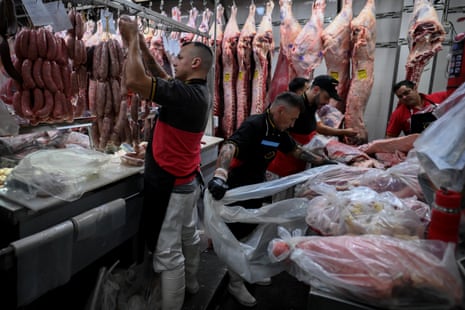
Background: Rising Beef Prices and Rancher Opposition
Trump has been under pressure to address affordability concerns, an issue that contributed to Democratic candidates winning several elections in 2025. US beef prices reached record highs last year, benefiting ranchers who have predominantly supported Trump. This price increase was driven by robust consumer demand coupled with declining cattle supplies.
US cattle ranchers reduced their herds to the lowest levels in 75 years as of January 1, following a prolonged drought that devastated grazing pastures and increased feeding expenses, according to US data.

Details of the Tariff Rate Quota Increase
Trump’s proclamation raises the tariff rate quota on Argentinian beef by 80,000 metric tons, allowing Argentina to export more beef to the US at a reduced duty rate. This increase applies exclusively to lean beef trimmings, which are typically blended with domestic beef to produce hamburger meat.
“Instead of imports that sideline American ranchers, we should be focused on solutions that cut red tape, lower production costs, and support growing our cattle herd,”said Republican US Senator Deb Fischer of Nebraska, a key cattle-producing state.
Trade Agreement and Economic Impact
In addition to this proclamation, Washington and Buenos Aires have signed a broader trade and investment agreement that grants preferential market access to US goods in Argentina.
Economists have suggested that the increase in Argentinian beef imports will be too modest to substantially reduce prices for grocery shoppers. However, these shipments could enhance profit margins for food companies.
In 2024, the US imported approximately 33,000 metric tons of Argentinian beef, accounting for 2% of total US beef imports, according to government statistics.


