Starmer calls emergency meeting on UK economy as risks from war mount
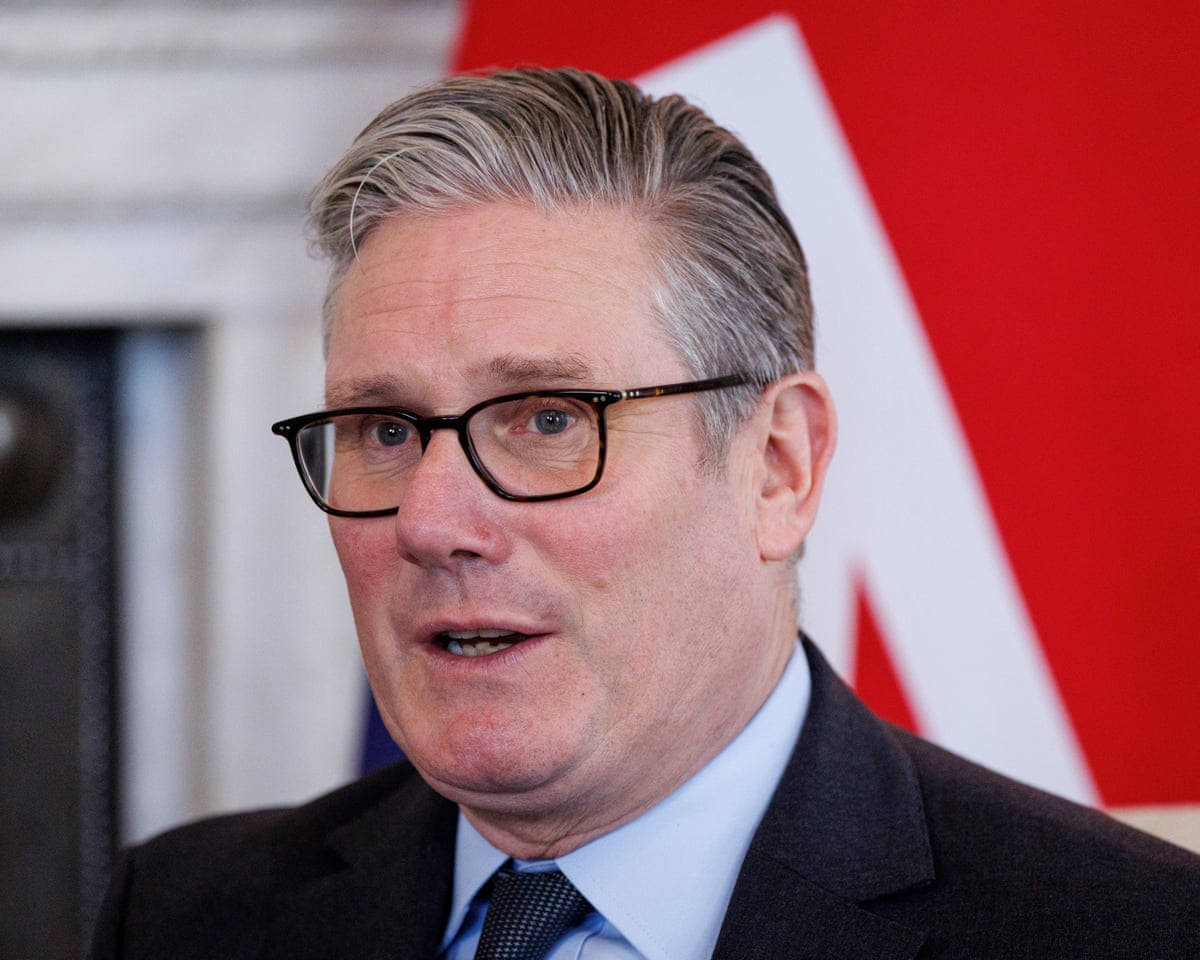
British Prime Minister Keir Starmer is scheduled to chair an emergency meeting on Monday to address the economic consequences of the ongoing war in the Middle East. The meeting will include Chancellor of the Exchequer Rachel Reeves and Bank of England Governor Andrew Bailey, according to the UK government.
Financial markets are expected to experience continued volatility following Iran's statement that it would close the strategic Strait of Hormuz if former US President Donald Trump enacts his threat to obliterate Iranian power plants should the strait not be fully reopened for global shipping.
The UK is closely monitoring the situation due to its significant reliance on imported natural gas, persistent inflationary pressures, and strained public finances, which have caused a sharper decline in UK government bonds compared to international counterparts, reports.
The UK Treasury stated ahead of the so-called “Cobra” meeting:
"Topics expected to be covered are the economic impact of the crisis on families and businesses, energy security and the resilience of industry and supply chains alongside the international response."
Foreign Secretary Yvette Cooper and Energy Secretary Ed Miliband will also participate in the meeting.
Chancellor Reeves has indicated that it is premature to assess the full economic impact of the conflict on the UK and has resisted calls for broad cost-of-living interventions, favoring more targeted support measures for households.
Starmer and Donald Trump spoke by phone on Sunday evening, with the UK government stating that the leaders discussed the current Middle East situation and emphasized the importance of reopening the Strait of Hormuz to resume global shipping.
Arson attack on London ambulances being treated as antisemitic hate crime, police say
Four ambulances belonging to the Jewish community ambulance service were set on fire in London early Monday morning. Police are investigating the incident as an antisemitic hate crime.
Officers responded to reports of a fire in Golders Green at approximately 1:45 a.m. The Metropolitan Police confirmed the investigation is being treated as an antisemitic hate crime.
The London Fire Brigade dispatched six fire engines and around 40 firefighters to the scene. The fire damaged four vehicles, and several cylinders on the ambulances exploded, causing windows to break in a nearby residential building. No injuries were initially reported.
Police Superintendent Sarah Jackson stated that officers are conducting urgent inquiries, reviewing CCTV footage, and are aware of online videos related to the incident.
"We believe we are looking for three suspects at this early stage."
China and Hong Kong stocks dive
Stock markets in China and Hong Kong are experiencing their worst day in nearly a year amid the Middle East conflict. Investors have sold shares across sectors including technology, travel, and agriculture, concerned about the impact of rising oil prices and reduced demand. The conflict has heightened fears of stagflation and unsettled global financial markets.
Conversely, sectors such as coal, oil, and electric vehicles have attracted investment on expectations they will benefit from increased energy security efforts prompted by the oil price shock, reports.
China’s Shanghai Composite Index fell 2.5% by midday, marking its largest single-day decline since April 2025. The blue-chip CSI300 Index dropped 2.4% to a four-month low. Hong Kong’s Hang Seng Index declined 3.5%.
As tensions escalate, stocks declined while oil prices rose following threats exchanged between US and Iranian leaders over the Strait of Hormuz. Israel has indicated the conflict could continue for several more weeks.
Stock markets in Seoul and Tokyo, which had been strong performers prior to the conflict, suffered significant losses, falling as much as 6% and 5% respectively at one point.
In Indonesia, the government is considering measures to mitigate the economic impact of the Middle East war, including potential savings of up to 80 trillion rupiah ($4.7 billion). Fuel-saving initiatives such as one day of remote work per week for government and certain public sector employees are also under consideration amid rising global oil prices.
President Prabowo Subianto, in an interview recorded last week, acknowledged efforts to reduce costs by limiting energy consumption and expanding renewable energy production, primarily solar power, according to Agence France-Presse.
Presidential spokesman Prasetyo Hadi confirmed the government’s target of 80 trillion rupiah in savings but did not specify the sources. The government has maintained that Prabowo’s free meals program will remain intact and continues to defend its fuel subsidy, which covers 30-40% of consumer fuel costs and accounts for approximately 15% of the national budget.
Attack on Iran broadcaster kills one, says state TV
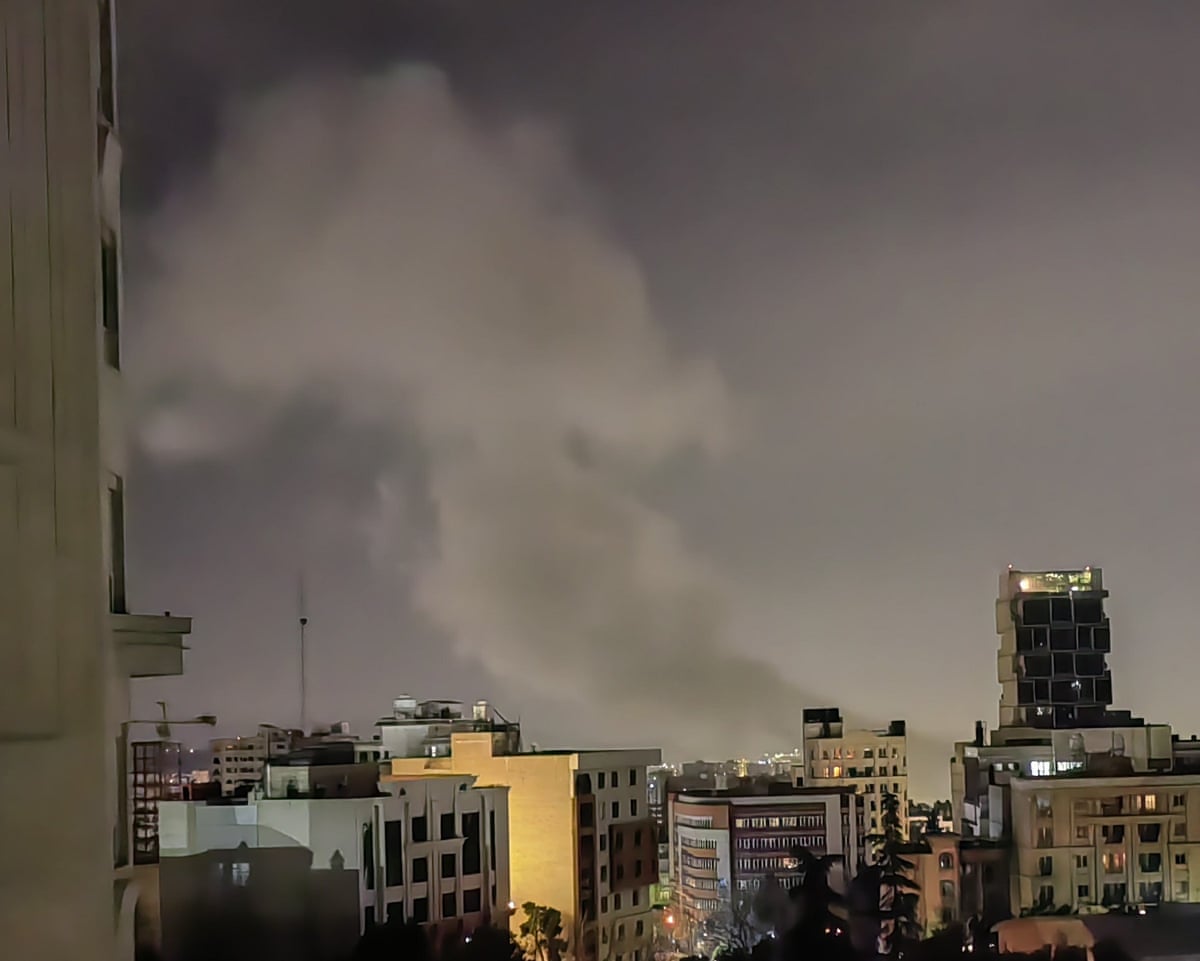
A strike on the Persian Gulf Radio and Television Centre in southern Iran resulted in at least one fatality, according to state television on Monday.
The state-run Islamic Republic of Iran Broadcasting reported that the 100-kilowatt AM transmitter was attacked by what it described as the “American-Zionist terrorist army.”
"In this attack, which was against international laws, one of the centre’s security colleagues was martyred and another person was injured."
IEA will release more stockpiled oil if needed, chief says
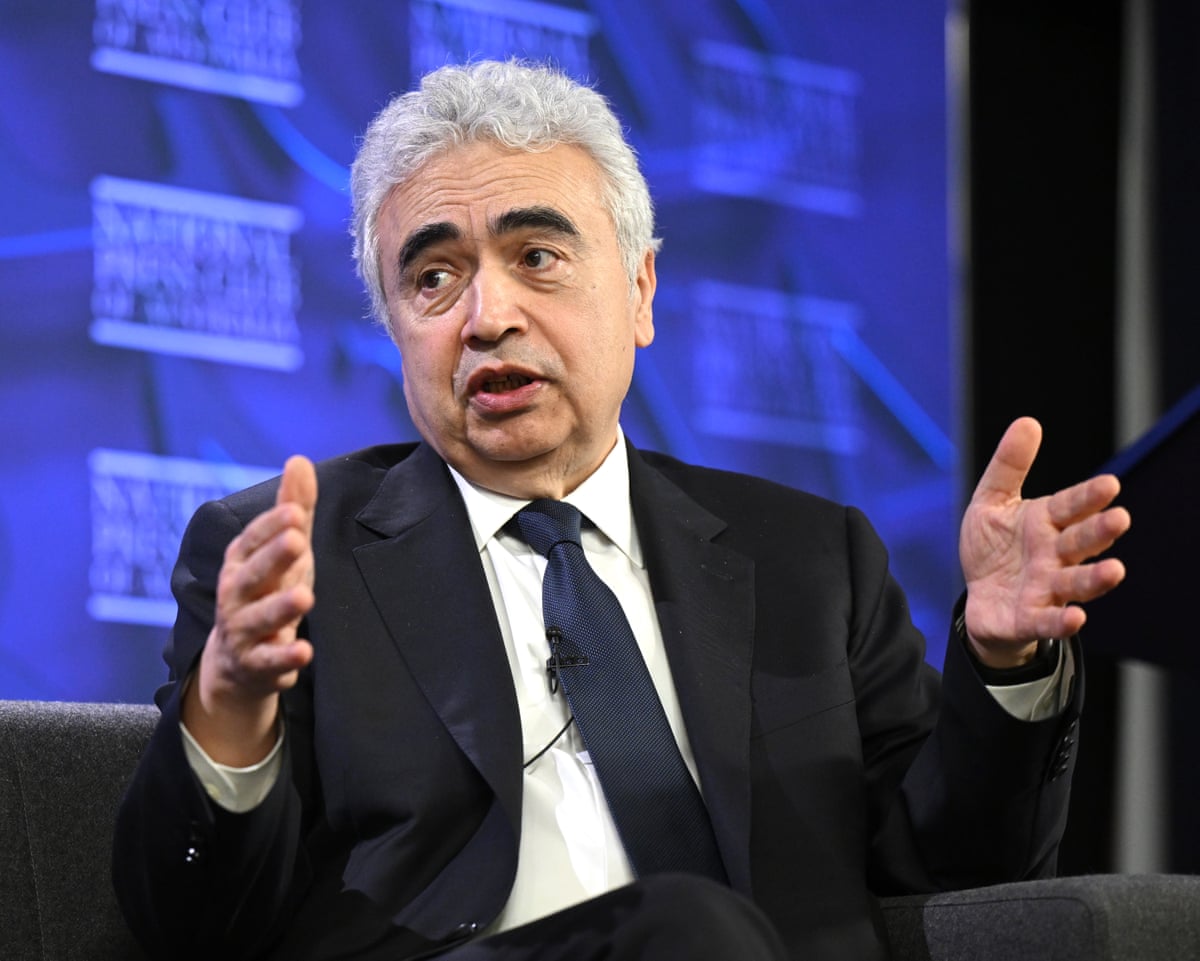
The International Energy Agency (IEA) is consulting with governments in Asia and Europe regarding the potential release of additional stockpiled oil in response to the Middle East conflict, its executive director stated.
Fatih Birol said on Monday,
"If it is necessary, of course, we will do it. We look at the conditions, we will analyse, assess the markets and discuss with our member countries."
IEA member countries agreed on 11 March to release oil from strategic reserves to counter rising global crude prices, amounting to 20% of total stocks.
Birol noted that there is no specific crude price threshold that would trigger another release, speaking at Australia’s national press club in Canberra, reports.
"A stock release will help to comfort the markets, but this is not the solution. It will only help to reduce the pain in the economy."
Birol is undertaking a world tour beginning in Canberra, emphasizing the Asia Pacific region’s vulnerability due to its dependence on oil and other critical commodities such as fertilizer and helium that transit the Strait of Hormuz.

Following a meeting with Australian Prime Minister Anthony Albanese, Birol will travel to Japan ahead of a Group of Seven summit.
Vietnam and Russia are expected to sign energy agreements during Vietnamese Prime Minister Pham Minh Chinh’s four-day visit to Moscow, which began Sunday, Hanoi officials said.
The agreements will focus on energy, trade, and investment, according to a Vietnamese government statement released Sunday.
Chinh is scheduled to meet Russian Prime Minister Mikhail Mishustin and President Vladimir Putin. The visit occurs amid rising fuel prices in Vietnam, with petrol prices up 50% and diesel prices up 70%, reports.
Vietnam maintains close ties with Russia, its primary military equipment supplier. Russian oil and gas companies operate offshore in Vietnam, and discussions are ongoing regarding Russian involvement in constructing Vietnam’s first nuclear power plant. Officials anticipate signing a nuclear power agreement during Chinh’s visit.
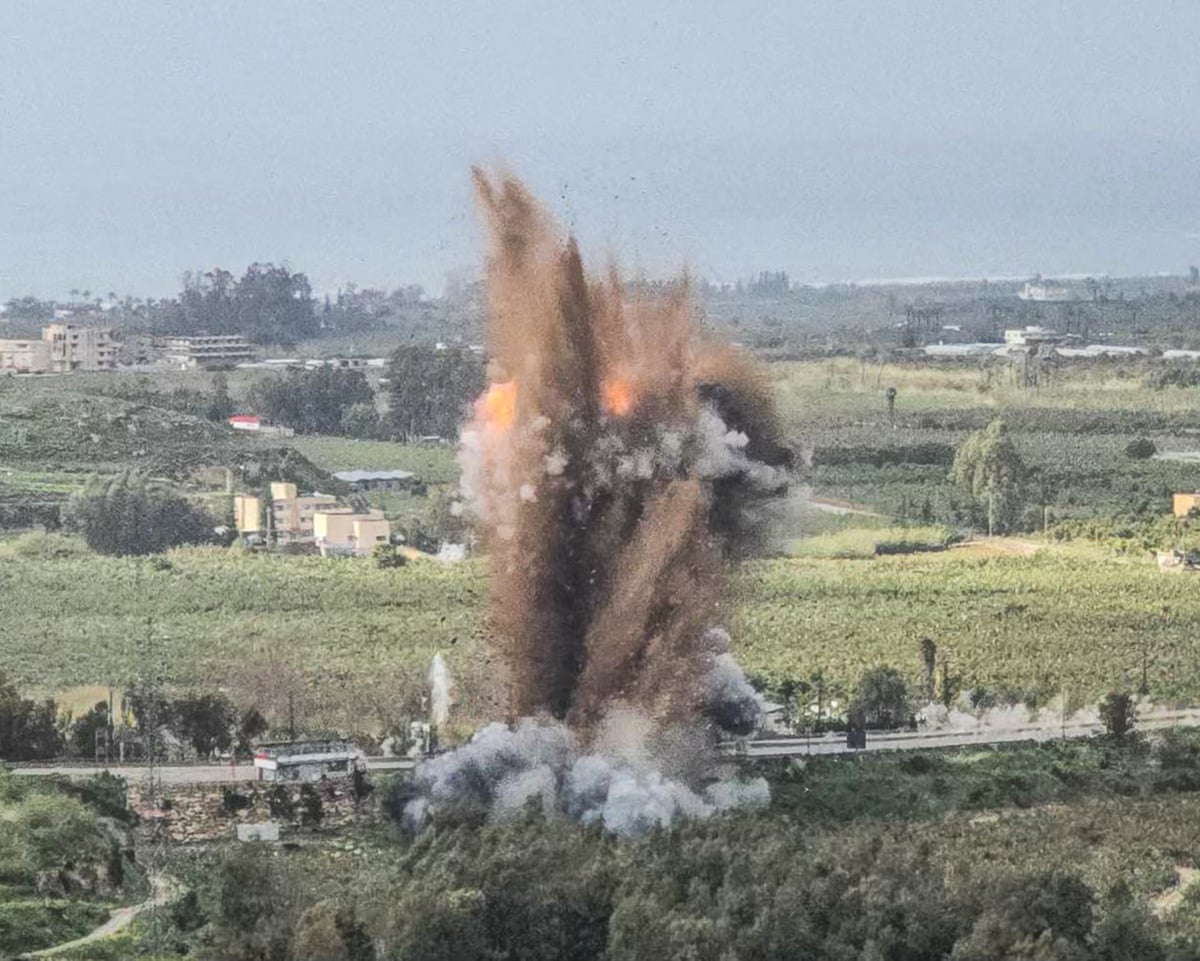
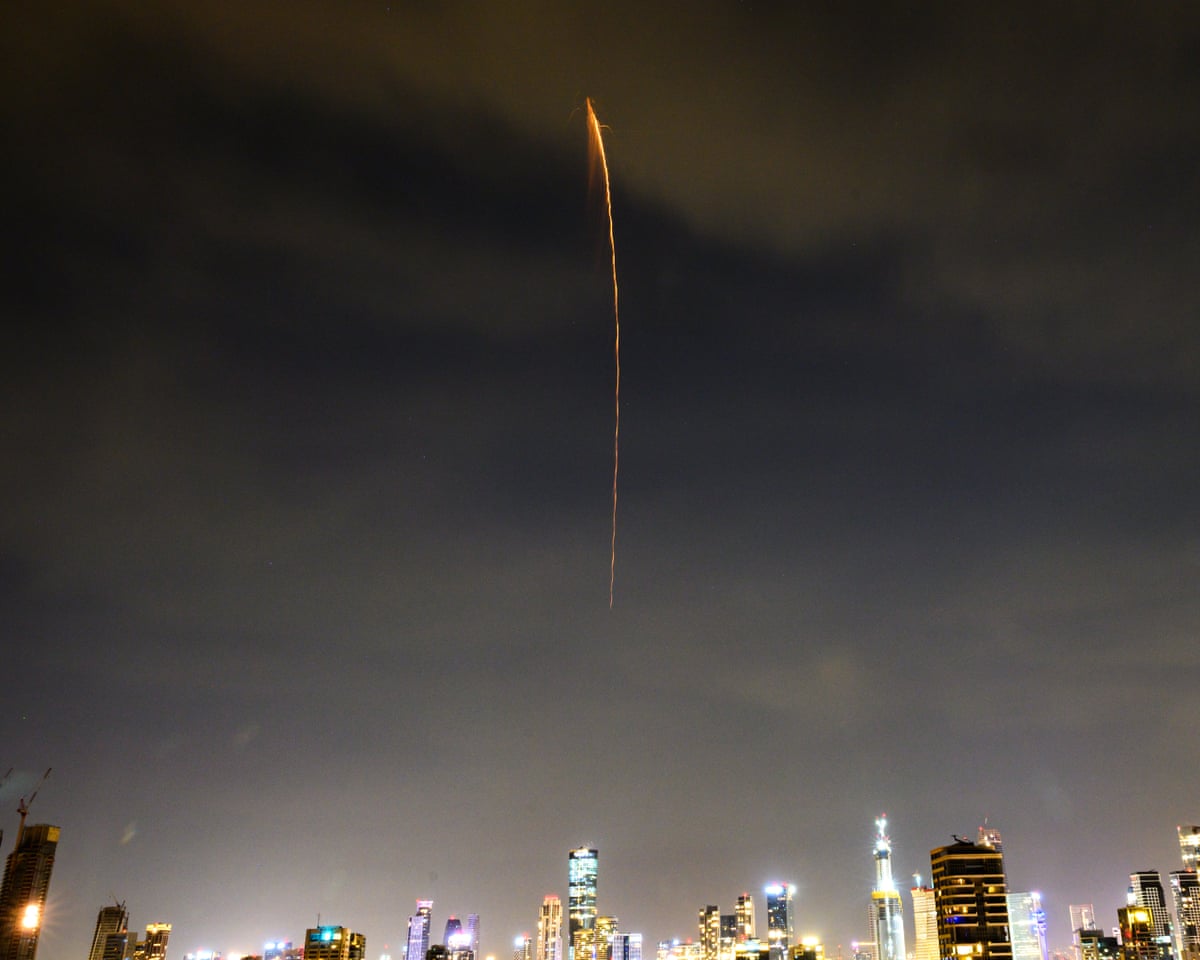
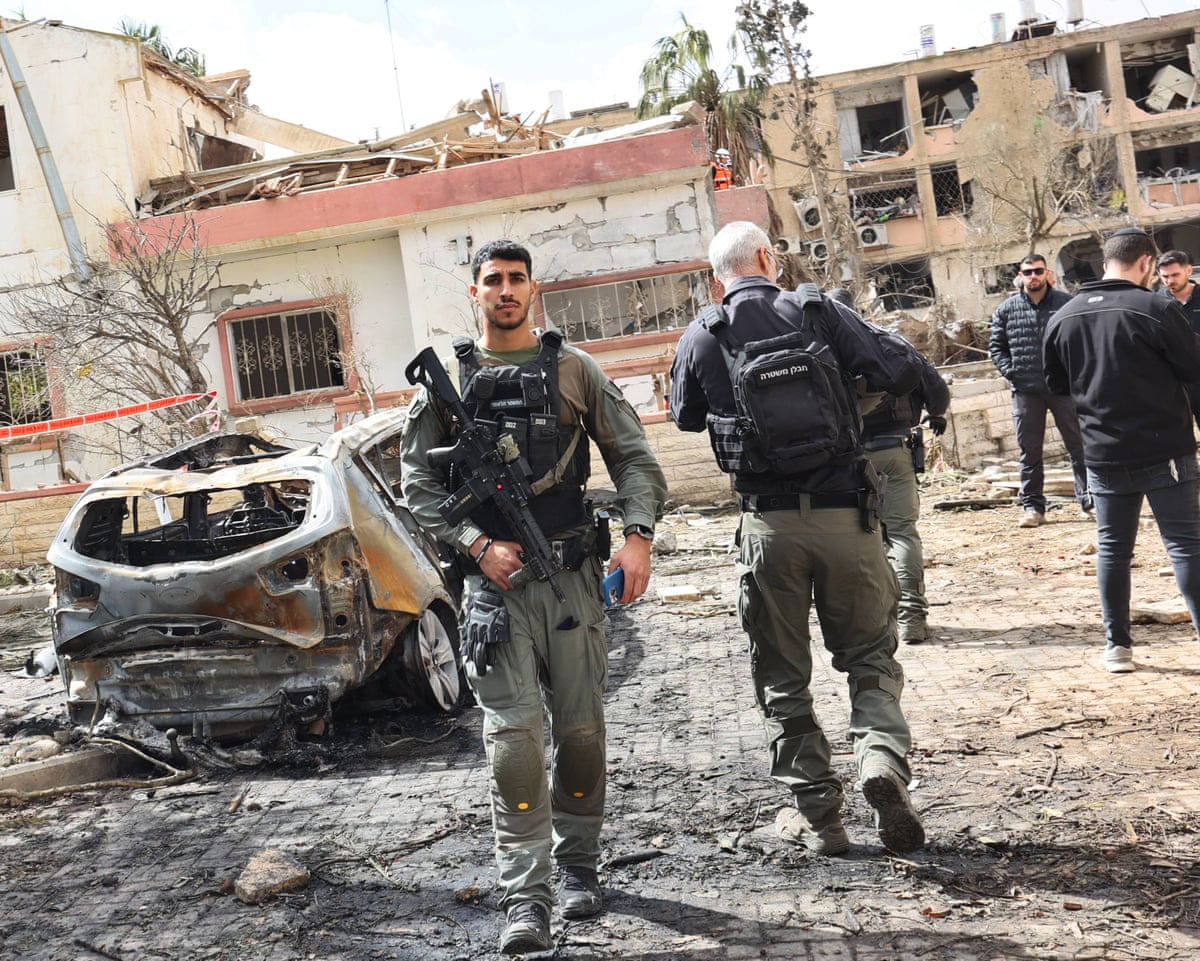
Saudi Arabia reported that two ballistic missiles were fired toward Riyadh; one was intercepted, and the other landed in an uninhabited area. The Saudi defense ministry also announced the interception of a drone in the eastern region, amid ongoing Iranian attacks in the Gulf in response to US-Israeli strikes.
New Zealand announced a temporary measure allowing fuel meeting Australian standards to be supplied domestically for up to 12 months to mitigate supply risks and price increases linked to the Middle East conflict.
Associate Energy Minister Shane Jones stated that aligning fuel standards would broaden import options and reduce disruption risks.
"This is a sensible, time-limited step that gives importers access to a broader range of fuel shipments, including those already in our region,"
Jones added that New Zealand would not relax its own standards to permit higher sulfur fuel, unlike Australia.
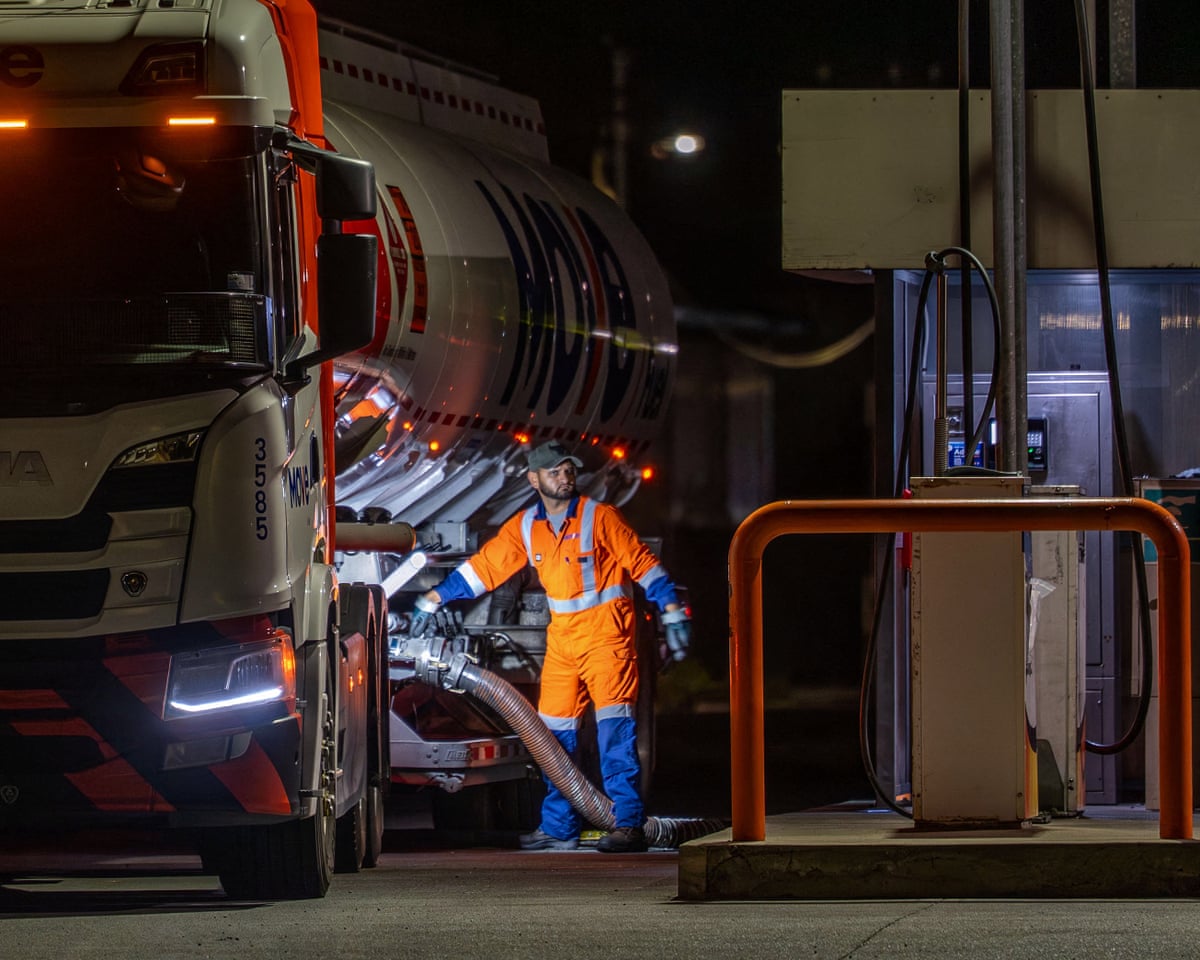
Asian stocks tumble
Stock markets declined while oil prices rose after US and Iranian leaders exchanged threats over the Strait of Hormuz. Israel indicated the Middle East conflict could extend for several more weeks, AFP reports.
The escalation heavily impacted stock markets, with Seoul and Tokyo, previously strong performers, experiencing losses of up to 6% and 5%, respectively.
Hong Kong’s market dropped over 3%, while Shanghai, Taipei, and Manila each declined more than 2%. Sydney, Singapore, and Wellington also saw significant losses.
South Korea’s currency, the won, weakened to 1,510 per US dollar, its lowest level since 2009.
Oil prices increased, with Brent crude around $112 per barrel and West Texas Intermediate just below $100.
Opening summary
Welcome to our live coverage of the Middle East conflict, the broader regional crisis, and its global economic implications.
International Energy Agency head Fatih Birol emphasized the severity of the global challenges resulting from the war in the Middle East.
Speaking at Australia’s national press club on Friday, Birol stated the situation is now "very serious," surpassing the oil crises of 1973 and 1979 and the gas crisis triggered by Russia’s invasion of Ukraine.
"At that time, in each [oil] crisis, the world has lost about 5 million barrels per day, both of them together 10 million barrels per day. And after that we all know that there were major economic problems around the world. And today we lost 11 million barrels – so more than two major oil shocks put together,"
"Plus after Russia’s invasion of Ukraine, the gas markets – especially in Europe – we lost about 75 billion consumer metres (BCM). And as of now, as a result of this crisis, we lost about 140BCM, almost twice. So the situation is, if we want to put in a context, this crisis as it stands now, two oil crises and one gas crash put all together."
Birol also noted the crisis is affecting other critical sectors such as petrochemicals and fertilizers, with long-term consequences.
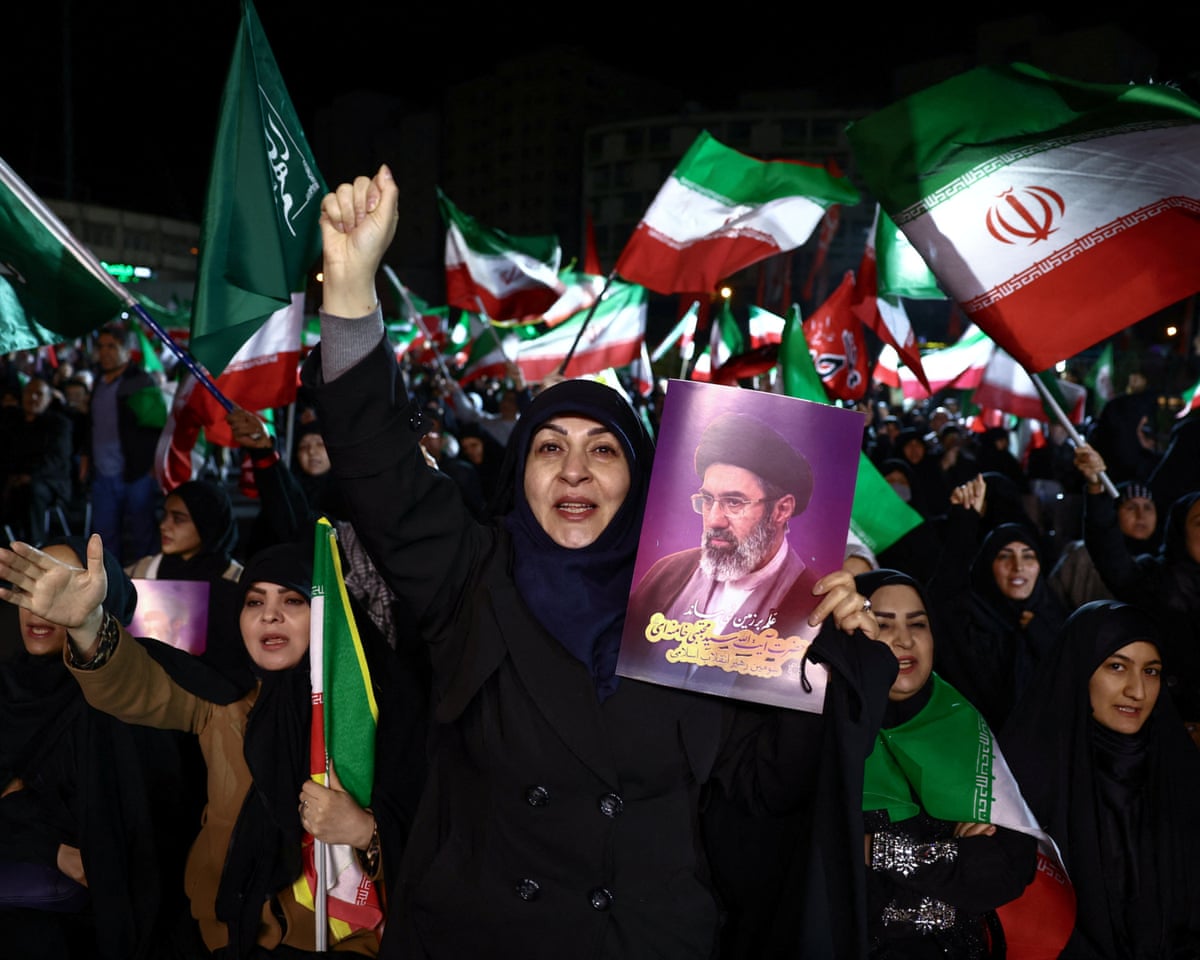
Iranian President Masoud Pezeshkian stated that "threats and terror" are fostering Iranian unity following Donald Trump’s warning to destroy Iranian power plants if the Strait of Hormuz is not reopened within 48 hours.
Oil prices rose early Monday after Trump’s warning and Israel’s announcement that the conflict may last several more weeks. West Texas Intermediate crude for May delivery increased 1.8% to just over $100 per barrel before slightly retreating.
US Treasury Secretary Scott Bessent, when asked whether Trump was escalating or winding down the conflict, told NBC News,
"They are not mutually exclusive. Sometimes you have to escalate to de-escalate."
Bessent added that the US government has sufficient funds for the conflict but is seeking supplemental funding from Congress to maintain military supplies.
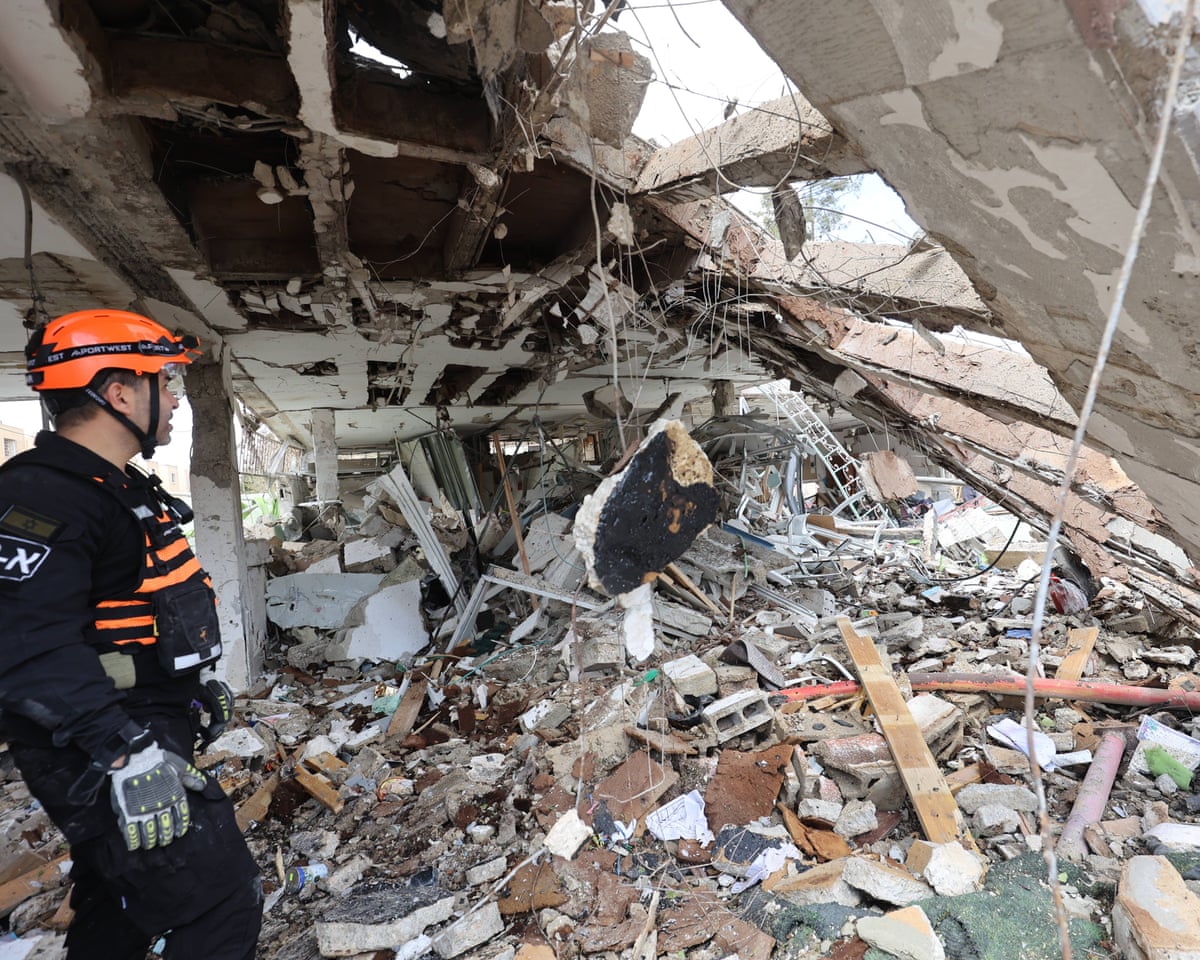
Lebanon’s health ministry reported on Sunday that 118 children and 79 women were among those killed during Israel-Hezbollah fighting, with at least 2,786 wounded, according to the Associated Press. Lebanon’s total death toll as of Saturday was 1,024.
International Atomic Energy Agency Director General Rafael Grossi expressed hope to "re-establish" talks between Iran and the US regarding Tehran’s nuclear program despite the escalating conflict. He noted ongoing conversations at the White House and with Iranian officials.
UK Prime Minister Keir Starmer and Donald Trump spoke by phone Sunday evening, discussing the Middle East situation and the importance of reopening the Strait of Hormuz to resume global shipping.
Pope Leo condemned the death and suffering caused by the war as a "scandal to the whole human family," calling for an immediate ceasefire during his weekly Angelus prayer at St Peter’s Square.
"We cannot remain silent in the face of the suffering of so many people, the defenceless victims of these conflicts. What hurts them hurts the whole of humanity,"