South Korea’s AI Chip Boom and Wealth Surge
Driven by chipmakers Samsung Electronics and SK Hynix, South Korea is experiencing a significant increase in wealth, though questions remain about who benefits from the profits.
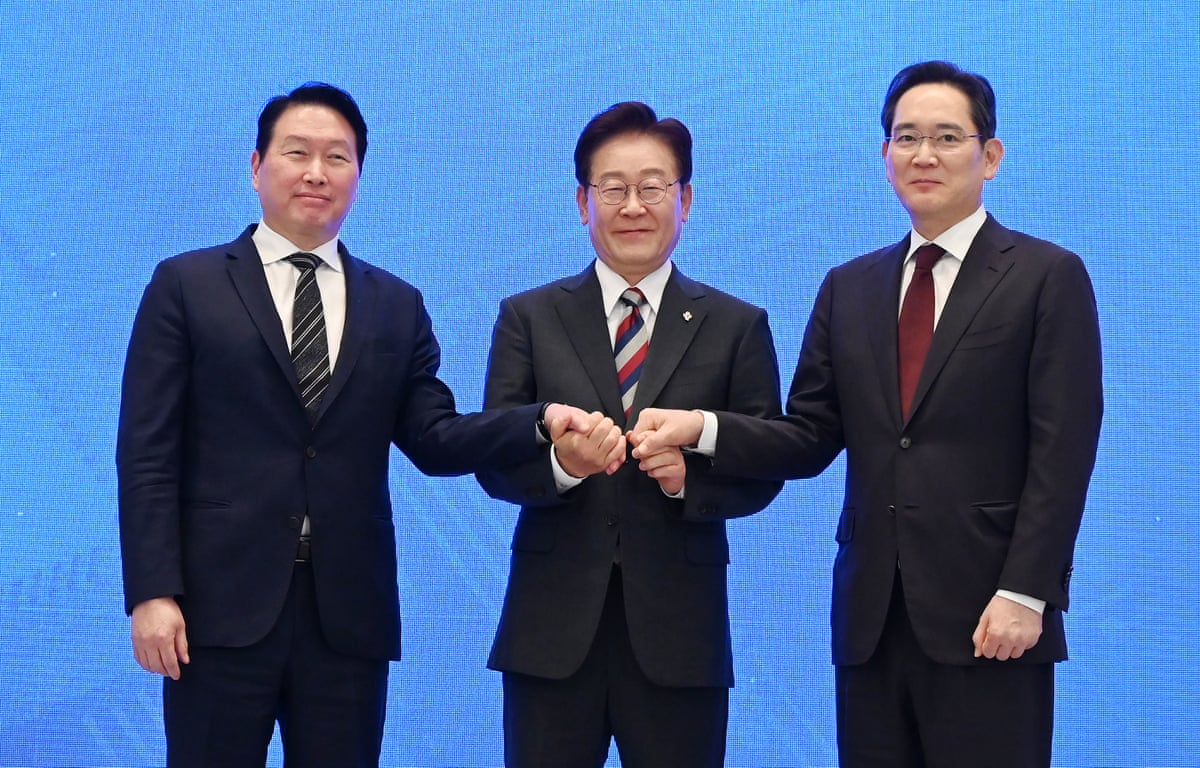
Last month, a high-profile divorce case in South Korea returned to court, where lawyers debated not only the dissolution of a marriage but also the precise date to value shares in a particular company. The ruling by judges in Seoul could alter the valuation of business magnate Chey Tae-won’s assets by billions of dollars. These shares belong to the holding company behind SK Hynix, a leading manufacturer of chips that power AI systems worldwide.
South Korea is among the countries witnessing an unprecedented wealth boom fueled by the rise of AI chip production. Workers in technology firms are receiving six-figure bonuses, and ordinary citizens are realizing substantial investment returns, all contributing to a surge in luxury spending.
However, only a small portion of the population is benefiting financially, prompting a broader discussion about who should share in the profits of the nation’s most valuable industry. As South Korea confronts growing inequality, calls are increasing for some of the earnings or the taxes they generate to be distributed more broadly.
The dramatic increase in wealth has been primarily driven by two companies—Samsung Electronics and SK Hynix. These firms dominate the global supply of high-bandwidth memory, the specialized chips essential for AI systems to operate. Analysts forecast their combined operating profits could increase nearly sevenfold this year.
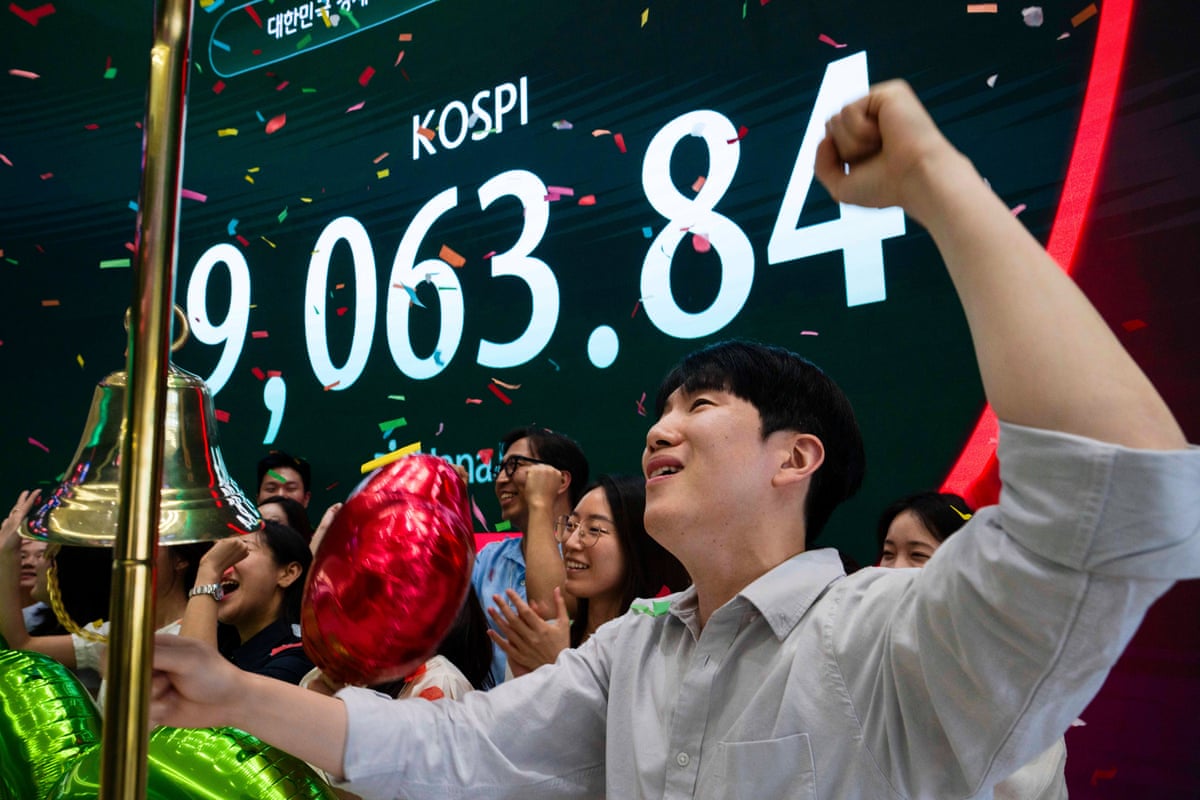
Their success has propelled the Kospi stock index to record highs.
Both chipmakers have begun distributing record profits to their employees on a scale unprecedented in South Korea. At Samsung, a memory-chip worker with a base salary of 80 million won ($51,300) received bonuses nearing 600 million won ($384,900) this year, mostly in stock. This amount is approximately 17 times the average annual salary at a small South Korean company.
Earlier this year, SK Hynix awarded its employees bonuses amounting to nearly 3,000% of their monthly salary. Based on projected profits, next year’s payout is expected to be several times higher.
Signs of this growing wealth are evident throughout the country. In satellite cities surrounding chip factories south of Seoul, luxury sales are rising sharply.
In early May, jewellery sales at a department store increased by 146%, while watch sales rose by 85%. In Icheon, home to SK Hynix’s main campus, registrations of imported cars surged 108% in February. Apartment prices near bus routes servicing semiconductor companies are increasing at four times the average rate for the broader Seoul area.
Not all beneficiaries of the AI boom work directly in chip manufacturing.
Brian Lee, a retiree in Seoul, began purchasing small amounts of SK Hynix and Samsung shares after watching financial videos online several years ago, then largely forgot about them. His SK Hynix investment has since yielded a return of 1,264%.
“This is the result of my hard work, plus luck,” he says. “I feel guilty, and at the same time, even though I have yet to cash it out, I tend to spend more,” he said, adding he has started looking at collector watches.
Who Owns the Profits?
The surge in wealth has raised questions about entitlement to profits and how to distribute wealth more equitably across society.
“Over the years, the semiconductor industry benefited enormously from government support,”says Kim Yong-jin, professor of business administration at Sogang University in Seoul, referencing decades of state investment in research and industrial policy.
“So they have to think about society itself.”
The president’s chief policy adviser entered the debate in May by proposing a “citizen dividend,” arguing that the wealth was built on foundations established by all Koreans over half a century.
While some critics interpreted this as a plan to distribute cash directly or seize company profits, the adviser later clarified it as a proposal to channel surplus tax revenues back to the public through structured investments.
Opposition politicians condemned the idea as akin to communism, and the presidential office distanced itself from the proposal.
The issue of shared gains extends beyond politics. Samsung’s largest union nearly halted production in May, demanding a guaranteed share of profits before a last-minute agreement averted a strike. However, the deal caused discontent within the company, as employees in the phone and appliance divisions were set to receive only a fraction of the bonuses awarded to chip manufacturing workers.
South Korea has long struggled with inequality. It has one of the highest rates of elderly poverty among developed nations, and rising housing and living costs have intensified financial pressure on many households.
More South Koreans report that their living standards have declined rather than improved, despite the accumulation of wealth elsewhere. Manufacturing employment has decreased year-over-year for nearly two years. Nearly one million small businesses closed in 2025, leaving many owners burdened with substantial debts. The income gap between the richest and poorest households reached a six-year high.
“Everyone is talking about the boom, but most Koreans can’t feel it,”says Kyusuk Cho, a graduate student in information studies.
“Life is getting more expensive and jobs are harder to find.”
Excluding the two chipmakers—which constitute over 50% of the Kospi index—the rest of the economy shows minimal growth.
Kim Yong-jin emphasizes that the gains should be shared among investors, workers, and the society that enabled the industry’s success, in a manner that strengthens the country over the long term. However, South Korea has yet to develop a framework to achieve this.
“We need a consensus on how to share these profits,”he states.
“That is the most important part.”