

Concerns Raised Over Executive Culture at the Co-op
Several senior managers at the Co-op, a 180-year-old member-owned food and services group known for its ethical values, have expressed concerns about a "toxic culture" at the executive level.
A letter addressed to Co-op board members, reviewed by the BBC, highlights feelings of "fear and alienation" among senior staff who reportedly feel intimidated and reluctant to voice concerns about the business direction in the presence of the leadership team, including chief executive Shirine Khoury-Haq.
Multiple sources indicated that a culture discouraging challenge has contributed to a series of poor decisions, resulting in declining morale, sudden departures, a "sharp drop in profits," and a significant increase in food waste.
Lawyers representing the Co-op stated to the BBC that they did not recognize the critical comments and "do not believe that they represent the views of our broader leadership and colleagues."
One senior manager described the environment, saying:
"You learn to look at your shoes. Nobody can speak their mind in this business - anyone who does has their card marked."
The letter, which purports to represent the views of many senior managers, was emailed to the chair and another board member over two weeks ago. It alleges that "leadership behaviours have significantly degraded the leadership culture of our Co-op."
Several senior managers have confirmed the letter's contents to the BBC, sharing that they have personally felt intimidated and fearful of speaking up in front of the most senior executives.
Impact of Cyber-Attack and Response Measures
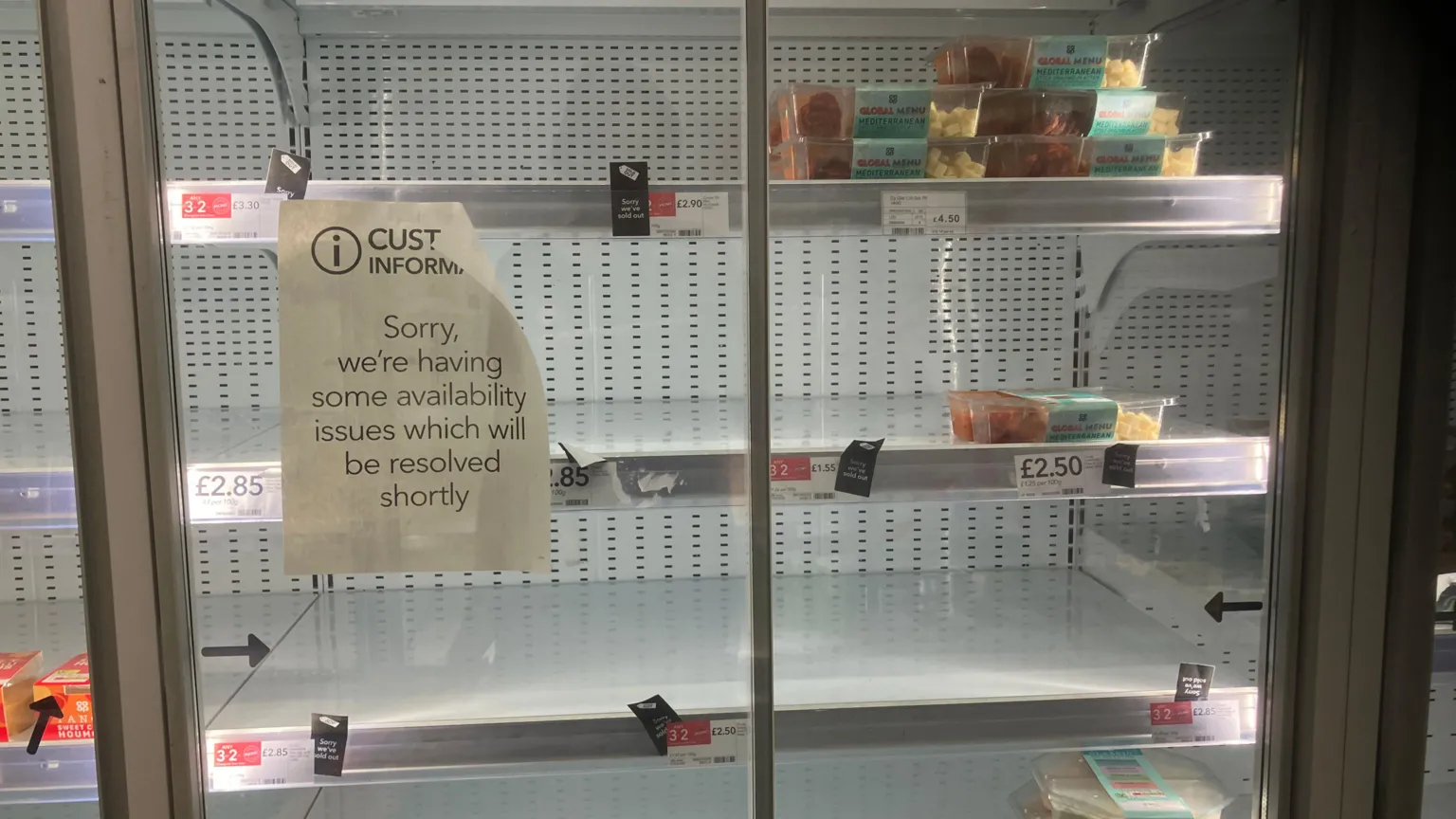
The letter acknowledges the organisation's swift response to a debilitating cyber-attack that disrupted trading for three weeks and resulted in £206 million in lost sales. However, it criticizes the subsequent actions taken to address media reports of empty shelves, which involved restocking with whatever products were available, regardless of suitability. This approach reportedly led to declines in sales and profits while exacerbating food waste.
One individual close to the situation explained:
"We were sending parsnips, which we could get, to fill the shelf space of steak, which we couldn't."
A Co-op spokesperson responded to the BBC, stating:
"Given the challenging nature of these events, we had to make many difficult and decisive choices."
Restructuring and Its Consequences
Despite the disruption caused by the cyber-attack, the Co-op proceeded with significant restructuring plans, merging its retail, wholesale, and third-party buying functions into a single unit named Group Commercial and Logistics (GCL).
This decision was made despite warnings from experienced staff that it could disrupt the business and cause confusion among suppliers. The Co-op operates with a total turnover of £9 billion.
Senior managers conveyed to the BBC that the ongoing decline in operating performance cannot be solely attributed to the cyber-attack but is also a result of poor decisions, including the reorganisation and consolidation of buying functions into GCL.

Since July 2025, the Co-op has recorded declining monthly sales compared to the previous year every month. Industry benchmarks indicate it is among the worst performers in the grocery sector, with its market share near record lows.
A Co-op spokesperson emphasized the group's financial stability, noting reduced debt levels compared to five years ago and cash reserves that provide "significant financial headroom."
Following the GCL restructuring, "tens of colleagues" have left the business, including many senior and experienced personnel.
Notable departures in the last six months include Jerome Saint-Marc, managing director in the food business; Sinead Bell, chief commercial officer; and Adele Balmforth, propositions director. Commercial director Rebecca Oliver-Mooney announced her departure recently.
The letter to board members states that many feel "decision after decision ... has been poor, against advice, and carelessly communicated."
A Co-op spokesman told the BBC:
"Our culture, as a co-operative, ensured decision-making throughout has listened to views from leaders and colleagues across our food and wider business, whilst simultaneously acknowledging when a wide range of views are expressed, not everybody will always agree with the final decisions and actions taken."
Morale and Workplace Environment
One source described the current state of the Co-op to the BBC:
"The Co-op is a great business that has had a wrecking ball put through it. The collaborative and supportive culture has been ruined. It's toxic now. People are shell-shocked. Morale is at rock bottom - junior colleagues are looking to senior ones and asking why no one is doing anything about it."
Another source likened the situation to:
"It's like corporate gaslighting with top management saying that everything is going fine when all evidence is to the contrary."
Historical Background and Ethical Commitments
The Co-op traces its origins to 1844 when the Rochdale Society of Equitable Pioneers established a store aimed at providing quality food at fair prices to working-class neighborhoods in industrial towns.
Its code of conduct includes the following commitment:
"Here at the Co-op we're committed to carrying out our business in a safe, honest and ethical way. Part of that is creating an open and supportive working environment."
However, one staff member expressed disappointment to the BBC:
"I came to work at the Co-op because it did business the right way but the way colleagues and the business itself is being treated is a betrayal of those values."
A Co-op spokesperson responded:
"Our colleague engagement remains high, and our culture and ethos mean we continue to engage with all our colleagues and leaders to ensure they act constructively and co-operatively for the long-term benefit of the business."
Ownership and Profit Allocation
The Co-op is owned by its 6.5 million members, who historically received dividends paid out from profits.
The dividend was abolished in 2014. Since then, any profits remaining after business investments are redirected to lowering member prices and supporting community projects, including the operation of dozens of academy schools in predominantly disadvantaged areas.


