

Fuel Prices Impacting South-West England Fishing Industry
Members of the fishing industry in south-west England have issued warnings that rising diesel prices could soon make it "too expensive to go to sea."
Chris Ranford, representing the Cornish Fish Producers' Organisation, highlighted the sharp increase in fuel costs. He stated that in January, "the price of fuel for fishing was 64p a litre, earlier this week it was £1.20 a litre so we're nearly double the actual cost."
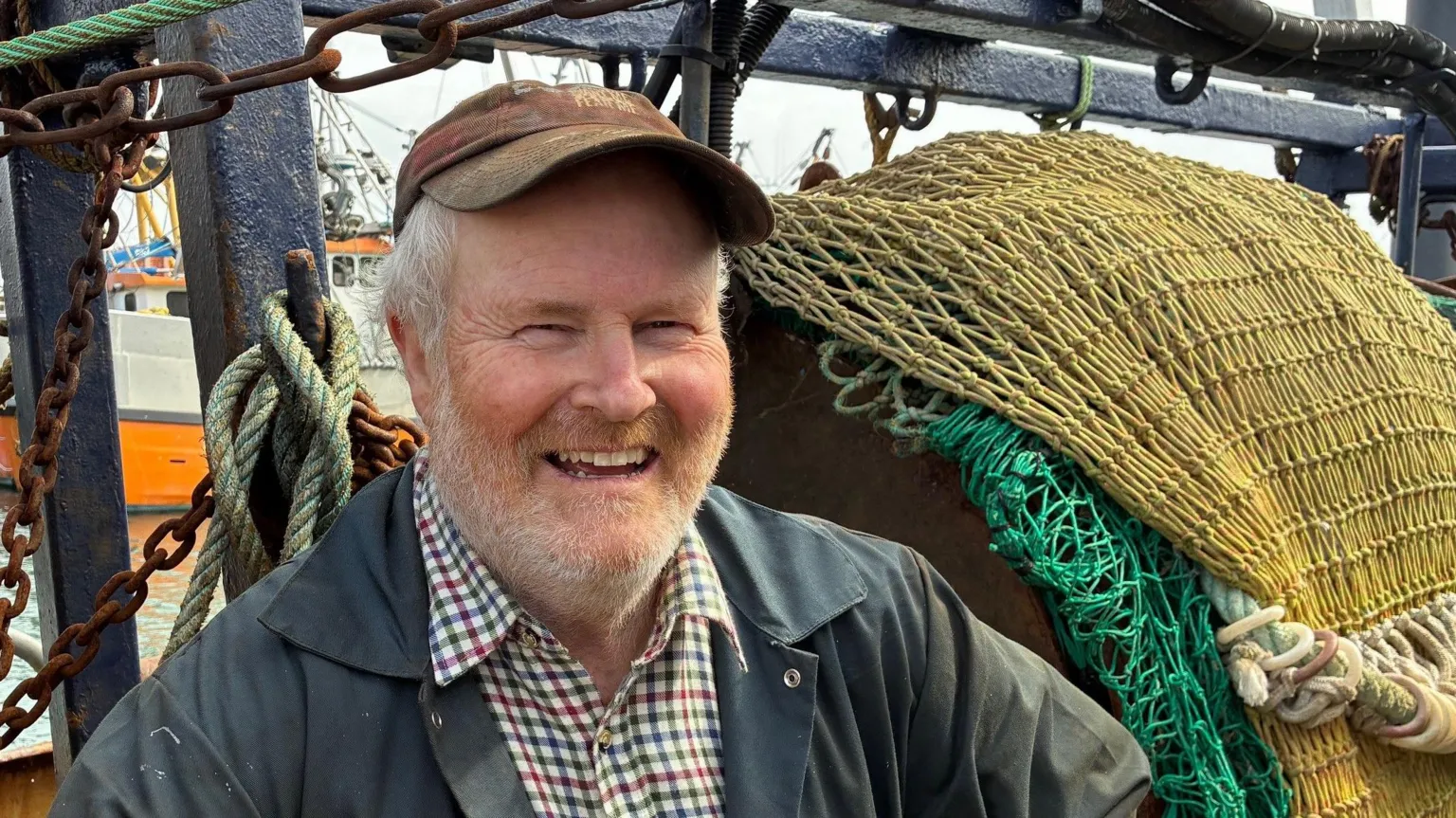
Tom McClure, skipper of the Milennia from Newlyn, described the fuel price fluctuations as "going up like a rocket" and "coming down like a feather."
Meanwhile, Joe Lynch, a rod and line fisherman based in Plymouth, expressed concern over the escalating expenses, noting they were "hurting more and more each time."
"What we're selling isn't actually going up in line with the costs."
Lynch further explained the challenges faced by fishermen, emphasizing the need to catch more fish to maintain viability at sea. However, he pointed out that fish stocks are insufficient, and on days with poor catches, the financial impact is significantly magnified.
"We need to catch more fish for it to be viable for us to be at sea, but the fish isn't making enough so when you do have that bad day that cost is really amplified each day."


Industry Unable to Pass Costs to Buyers
Ranford noted that the fishing industry lacks the capacity to transfer increased fuel costs to buyers or consumers. This is largely because most fish and shellfish are sold at auction, where prices are "dictated by the buyer and demand."
"We don't set the price,"Ranford said.
He added that profit margins across the industry are under significant pressure, approaching a critical tipping point. Ranford highlighted the extreme nature of the current situation, explaining that some towed gear vessels and offshore boats are incurring more than £1,000 extra per day in basic running costs just to operate at sea.
Feelings of Powerlessness Among Fishermen
Speaking on behalf of the fishing industry, McClure expressed a sense of powerlessness regarding the situation.
"The market driven auction and electronic auction does very well but the other merchants here have their transport costs.
They've got to make a living as well so it's a very difficult situation beyond our control."
McClure acknowledged that while fuel prices may decrease over time, a continued increase could reach a "cut off point" where it becomes "too expensive to go to sea."
Stay Connected
Follow BBC Cornwall on X, Facebook, and Instagram. Follow BBC Devon on X, Facebook, and Instagram. For story ideas, contact spotlight@bbc.co.uk.


