

Overview of Upcoming Tax Changes
The chancellor’s tax reforms will take effect in April 2027, impacting a broad spectrum of individuals including savers, landlords, and sole traders. Financial experts advise early preparation to adapt to these significant changes.
Millions will experience alterations to savings, investment, and taxation rules in less than a year’s time.
“April 2027 may feel some way off, but when it comes to financial planning, a year is not a long time,” says Jason Hollands at the wealth management firm Evelyn Partners.
“The changes on the horizon are significant and, for many people, will require a rethink of strategies that may have been in place for many years,” he adds. “The key message is not to wait. The sooner people start reviewing their plans, the more options they are likely to have.”
This article outlines steps individuals can take now to improve their financial positioning ahead of these reforms.
ISA Allowance and Cash ISA Limit Changes
Currently, each tax year allows individuals to save up to £20,000 in one ISA or split across multiple ISAs, with the option to allocate funds between cash or stocks and shares.
From 6 April 2027, the rules will change for those under 65 years old. The amount that can be placed into a cash ISA will be restricted, with any contributions above this limit required to be invested in a stocks and shares ISA.
Individuals aged 65 or over will retain the ability to invest the full £20,000 into a cash ISA.

Financial advisors recommend that those aged 18 to 64 consider this the final year to fully utilize the cash ISA allowance.
“This is a bit of a ‘use it or lose it’ moment for cash Isas,” says Clare Stinton at the investment platform Hargreaves Lansdown. “The countdown is on.”
It is advisable to review all savings accounts to ensure full utilization of the 2026-27 ISA allowance. Individuals may have older, non-ISA accounts that could be transferred into ISAs, which currently offer easy-access cash ISAs paying up to approximately 4.5% interest.
Interest earned outside an ISA is subject to tax once it exceeds the personal savings allowance, which is £1,000 for basic-rate taxpayers, £500 for higher-rate taxpayers, and up to £5,000 for those earning less than £17,570 annually. Additionally, higher taxes on savings income are anticipated.
Despite the reduction in the cash ISA allowance next year, funds saved within an ISA will remain tax-free. Transfers between ISA providers are permitted, provided the new provider accepts transfers.
“Setting up a monthly direct debit into your Isa is a simple – and non-taxable – move that makes a big difference,” says Stinton. “Whether you’re aiming to max out your £20,000 allowance or just save what you can, paying in regularly spreads the cost and smooths your cashflow.”
Tax Increases on Savings and Property Income
The government plans to increase taxes on savings and rental income to reduce the disparity between taxes paid on employment income and income derived from assets.
From 6 April 2027, income tax rates on savings and rental income will rise by 2 percentage points.

Post-change, basic-rate taxpayers will pay 22% on interest or property income, higher-rate taxpayers 42%, and additional rate taxpayers 47%, after applicable allowances.
With these higher tax rates, sheltering cash within ISAs becomes increasingly important.
“In a higher-tax environment, how you structure your savings will become even more important than it is now,” says Hollands.
Simple measures to enhance tax efficiency include ensuring both partners fully utilize their ISA allowances and holding the majority of family cash savings in the name of the lower-taxed spouse.
Premium bonds present an alternative to cash deposits, as prizes won are exempt from income and capital gains tax. Individuals can invest up to £50,000 in premium bonds, which currently offer an annual prize fund rate of 3.3%.
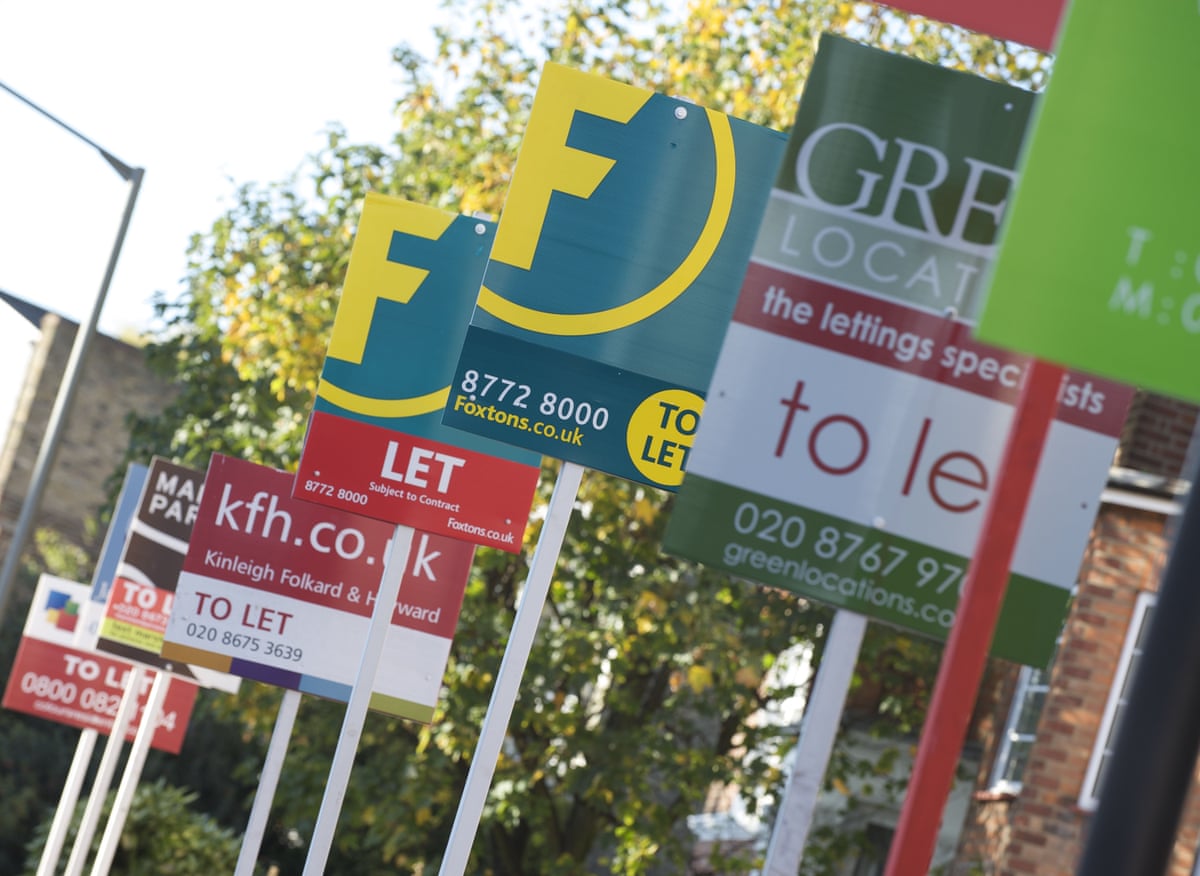
For buy-to-let landlords, the increased tax rates on rental income add to a series of recent changes.
“Many landlords are reassessing their position,” says Hollands. “While options such as transferring ownership between spouses or incorporating portfolios into company structures may help in some cases, these decisions are complex and need careful consideration … Some property investors may simply decide to sell up.”
Making Tax Digital Expansion
Making Tax Digital (MTD) represents a significant reform of the self-assessment tax system, requiring sole traders and landlords to report income and expenses digitally to HM Revenue and Customs (HMRC). This applies to self-employed individuals and those with property income above a specified threshold.
MTD implementation began this month, with the current threshold set at £50,000 for this tax year.
However, from 6 April 2027, the threshold will decrease to £30,000 for self-employment and property income earned in the 2025-26 tax year.
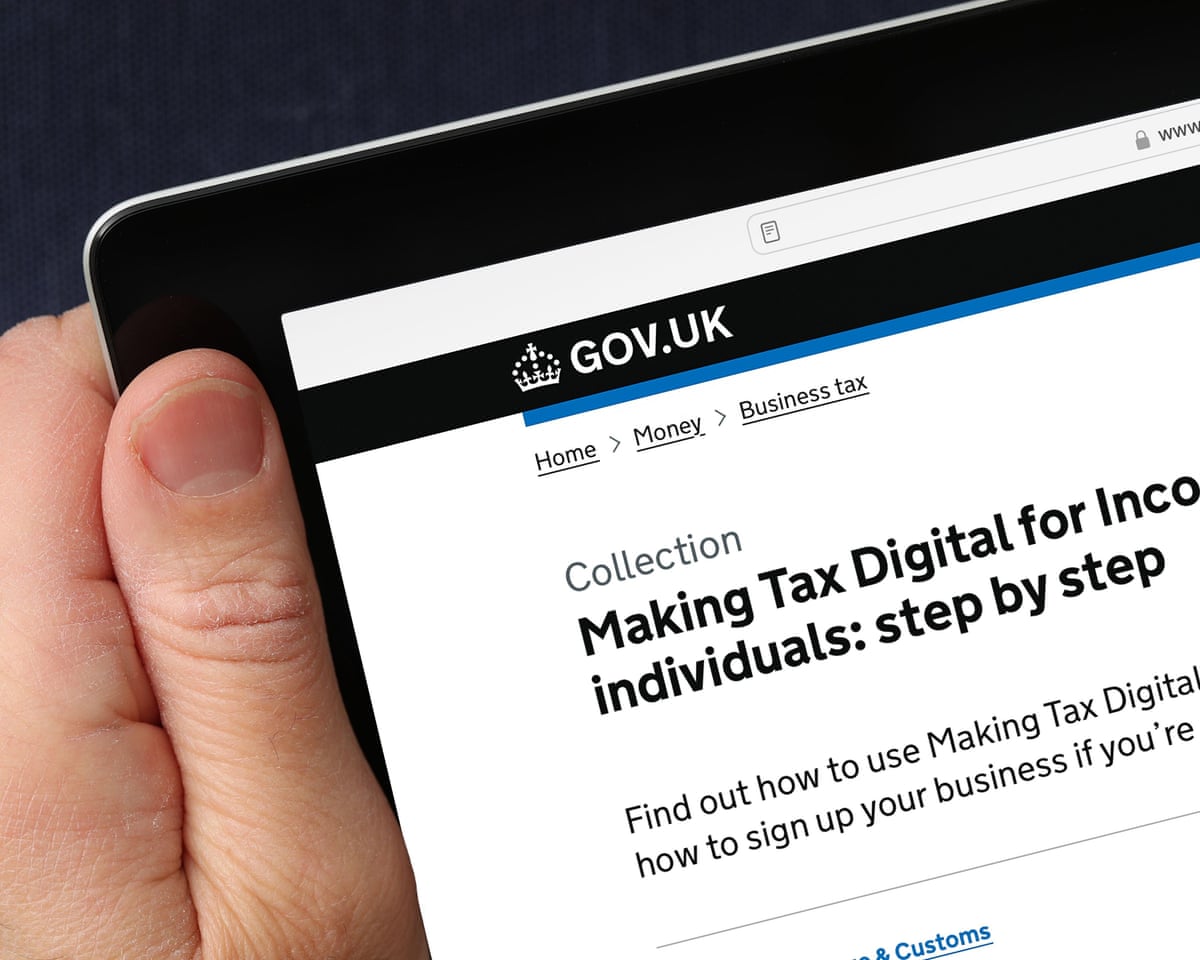
Individuals who anticipate being affected by the £30,000 threshold are encouraged to consult HMRC’s guidance on preparation and selecting appropriate software.
Experts recommend maintaining a separate bank account for business-related income and expenses to reduce the number of transactions requiring categorization for HMRC.
For those without one, opening a dedicated business current account is advisable. Mettle, a digital banking brand owned by NatWest, offers a free business account tailored for sole traders and landlords.
In February, Money published detailed advice on MTD and preparatory actions individuals can take.


