

Streaming costs could change
The proposed acquisition of Warner Bros by Paramount Skydance has the potential to significantly alter Hollywood and the broader media environment. While the deal is not finalized and awaits regulatory approval, its completion could bring notable changes for viewers.
Paramount plans to combine its Paramount+ streaming platform with Warner Bros' HBO Max to establish a comprehensive streaming service aimed at competing with Netflix, Amazon, and Disney. This merged service would offer rs access to a wide array of content, ranging from current popular titles like The Pitt to classics such as Casablanca, Star Trek, Friends, and The Sopranos.
The implications for subscription pricing remain uncertain. Analysts suggest that initially, customers subscribing to both services might benefit from a reduced combined price. However, over time, the enhanced content offering could enable Paramount to increase subscription fees. Additionally, reduced competition among streaming providers might lead to higher overall costs for consumers.
"There'd be just less competition," says Tom Harrington, a TV analyst from Enders. "The ability there would be to charge a bit more."
Conversely, Ben Barringer, head of technology research at Quilter Cheviot, notes that any price increases would likely be constrained by Netflix's pricing, which he describes as the "price-setter in the market." Nonetheless, these changes are not expected imminently.
Scott Wagner, head of the antitrust practice at the law firm Bilzin Sumberg, observes that under the Trump administration, regulatory approval might proceed swiftly. However, concerns regarding consumer pricing and potential harm to workers could prompt state attorneys general to challenge the deal later. California's attorney general has already pledged a "vigorous" investigation.
Given the regulatory process and existing distribution agreements, substantial alterations to current streaming services for viewers are likely years away.
A reprieve for cinemas but less content
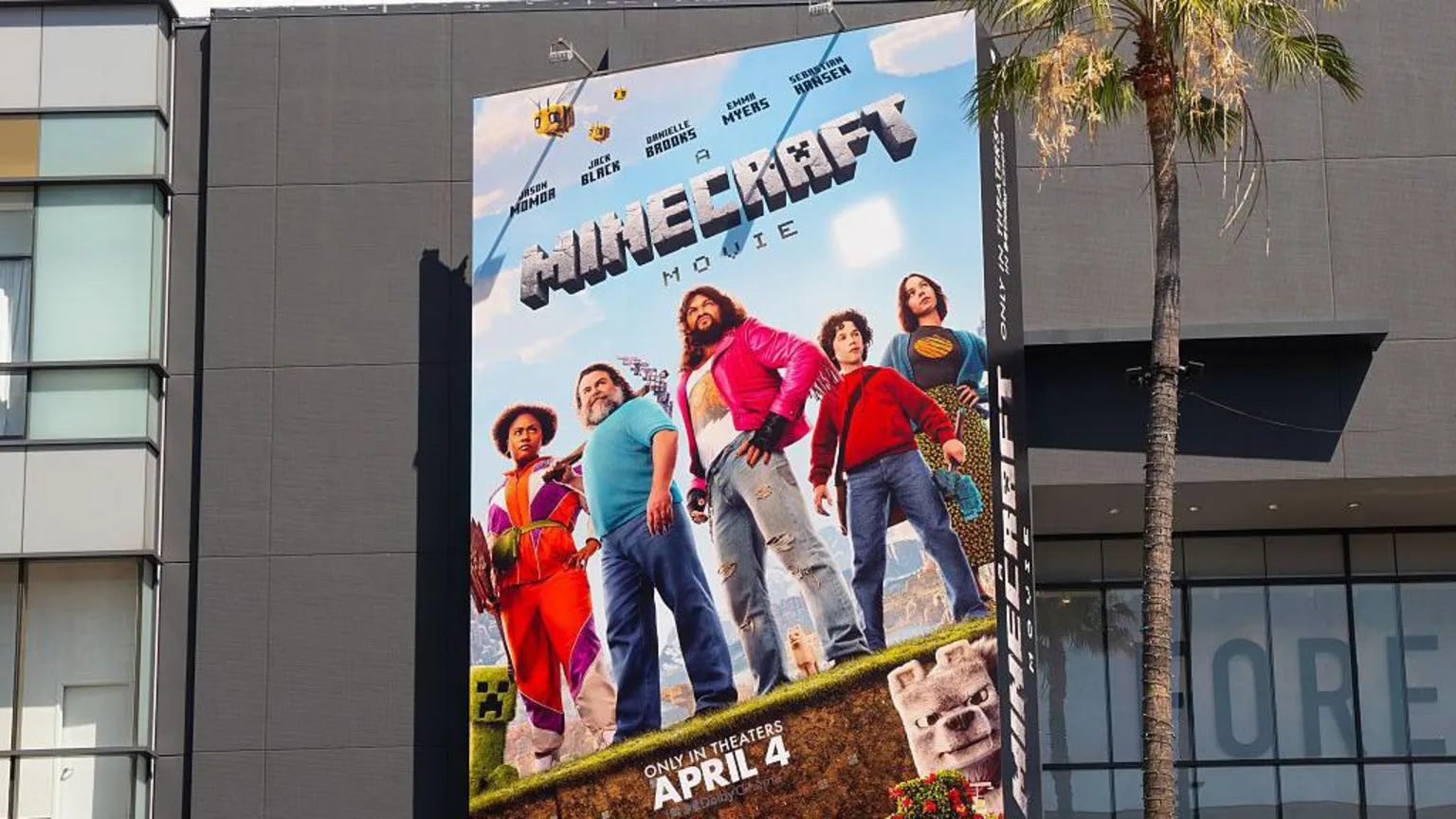
Movie theater operators and Hollywood stakeholders had expressed apprehension about a potential Netflix acquisition, fearing that one of the last major studios—responsible for titles last year such as Ryan Coogler's Sinners, The Minecraft Movie, and One Battle After Another—might abandon theatrical releases.
Unlike Netflix, both Paramount and Warner Bros continue to depend on box office revenues to maximize movie returns, explains Matt Britzman of Hargreaves Lansdown. This reliance suggests fewer films will be released directly to streaming platforms without a theatrical run.
"That won't reverse long-term trends in cinema attendance, but it may reduce the disruption that filmmakers feared under a Netflix-led model," he says.
Tom Harrington from Enders concurs that a Paramount acquisition likely represents a "better outcome" for cinemas. However, he cautions that consolidation often results in fewer films being produced, as evidenced by the period following Disney's purchase of Fox.
Paramount is already implementing cost reductions following its merger with Skydance last year under CEO David Ellison. Analysts anticipate further budget cuts, particularly since Paramount incurred debt to finance the acquisition.
"That will need to be paid off at some point," says Quilter Cheviot's Ben Barringer. "Having more debt means you've got more burden, and that means you've got less to spend on content."
A Trump-friendly CNN?
If the acquisition proceeds, CNN, a major American news network, would come under the control of the Ellison family, which maintains a cordial relationship with the White House. This prospect has raised concerns among Democrats and media watchdogs who fear it may result in more restrained coverage of the Trump administration.
They cite recent changes at CBS, which Ellison acquired as part of the Paramount merger, including appointing personnel to monitor bias, workforce reductions, the installation of a new editor-in-chief known for opinion journalism, and conflicts with journalists over editorial independence.
The Ellison family reportedly has discussed potential changes to CNN with President Donald Trump, who has frequently criticized the network. In December, Trump called for CNN to be sold, accusing its leadership of being "corrupt or incompetent."
"I don't think CNN would become Fox News overnight," says Seth Stern, chief advocate at the Freedom of the Press Foundation, noting that several popular right-wing news outlets already exist. "But coverage could be softened, critiques of the Trump administration could be reduced, hosts that are known for being particularly critical... could be fired."
Rodney Benson, a media professor at New York University, described the deal as "concerning," warning that it would concentrate America's largest media companies further in conservative hands. Many owners, including the Ellison family, have business interests beyond news that depend on government contracts or regulation, making them susceptible to pressure.
"This is not just an ideological shift, it's a threat to democracy and the rule of law," he says.
One critical factor will be the appointment of the editor-in-chief by Ellison, which will influence the network's editorial direction.
"He is going to make this choice knowing that Donald Trump is watching," Benson adds.
But YouTube remains the biggest disruptor
The success of merging two legacy media companies facing financial challenges remains uncertain. According to Harrington of Enders, the primary competitive threat to streaming services is not other streamers but YouTube.
Approximately half of YouTube's top-trending videos now resemble traditional television formats, including long-form interviews and game shows, positioning the platform as a direct competitor to ad-supported TV services. Concurrently, short-form video content has diminished audiences for traditional media.
"Staying competitive is not just about being competitive with one another, it's being competitive with short-form video and that's sort of the direction you'll see them going towards," Harrington explains.
Reporting contributed by Danielle Kaye.


