

Shift Toward Cashless Payments in UK High Street Shops
High Street shops across the UK are increasingly opting to accept only card or phone payments, according to new research. Retailers are balancing concerns about security, costs, and customer preferences in their payment methods.
A survey conducted by Link, the UK's main ATM network, found that 14% of shops have transitioned to cashless operations over the past year.
The findings highlight retailers' efforts to reduce payment charges and address security issues, even though approximately half of in-store purchases are still made using cash.
Concerns Raised by MPs About Cash Acceptance
Last year, members of the Treasury Committee expressed concerns about the lack of data on cash acceptance. They emphasized the need for the government to be prepared to mandate cash acceptance in shops and services to protect vulnerable populations.
The committee warned of the risk of creating a two-tier system, which could lead to higher prices in outlets that continue to accept cash and impose a poverty premium on those who manage their budgets using cash.
Currently, shops and services in the UK can choose which payment methods to accept. In contrast, some countries have introduced or plan to implement limited but mandatory cash acceptance policies for essential services.
Cash and Card Payment Practices in Hastings
The coastal town of Hastings in East Sussex features a diverse mix of independent and chain stores, alongside traditional seaside traders.
Within Hastings, there is a typical variety of shops that are cash-only or card-only, with most retailers willing to accept either payment form.
When Alex White launched Arkwhites in Hastings Old Town, a store selling items near their best before date at discounted prices, he initially accepted only cash.
"When I started I wanted it just to be a cash store, because that's the way I've been brought up. I didn't really want to go into using a credit card machine which is an extra cost," he said.
"But then over time I realised that a lot of people just use their cards and don't use cash."
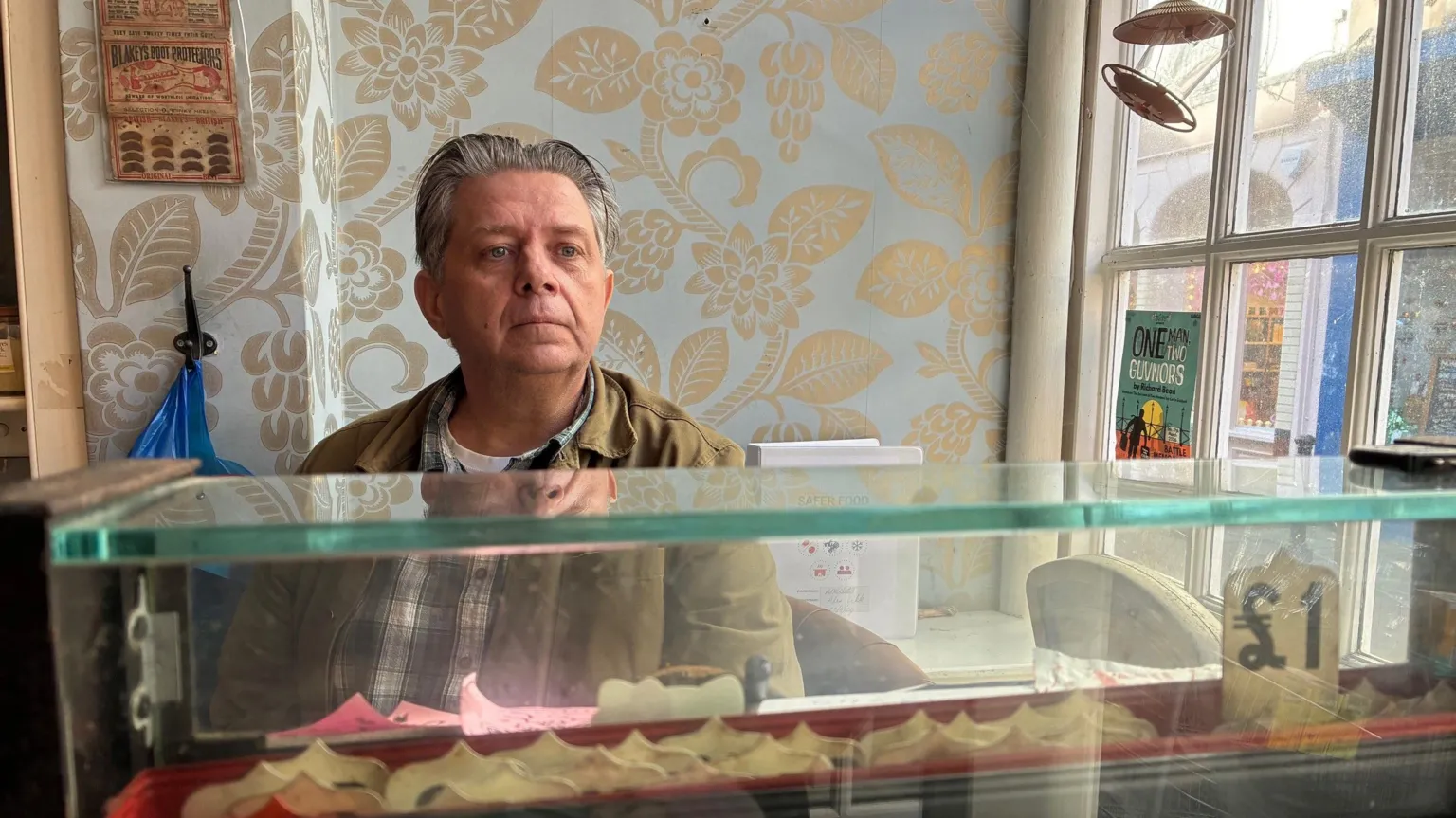
Elsewhere in Hastings, some shops selling fish and chips or books accept cash only, while others selling cakes and ice cream require card payments.

Reasons Behind the Move to Cashless Transactions
Decisions to go cashless are primarily driven by business costs and concerns about theft.
Link's report, Keeping Choice Alive, found that 77% of High Street businesses surveyed by its independent consumer council still accepted cash.
However, more than half of the businesses that no longer accepted cash had made that change within the last year.
Among those that went cashless, the cost of handling cash was a significant factor, especially as bank branches close or reduce their opening hours.
About half of retailers reported paying more than £50 monthly to handle cash deposits, with 15% paying over £200 per month.
Consumer Payment Preferences in Hastings
Shoppers in Hastings exhibit a range of payment preferences that mirror those of local stores.
People in their 20s and 30s tend to pay primarily using their phones and are less inclined to carry cash, while older shoppers still regard cash as essential or prefer having a choice in payment methods.
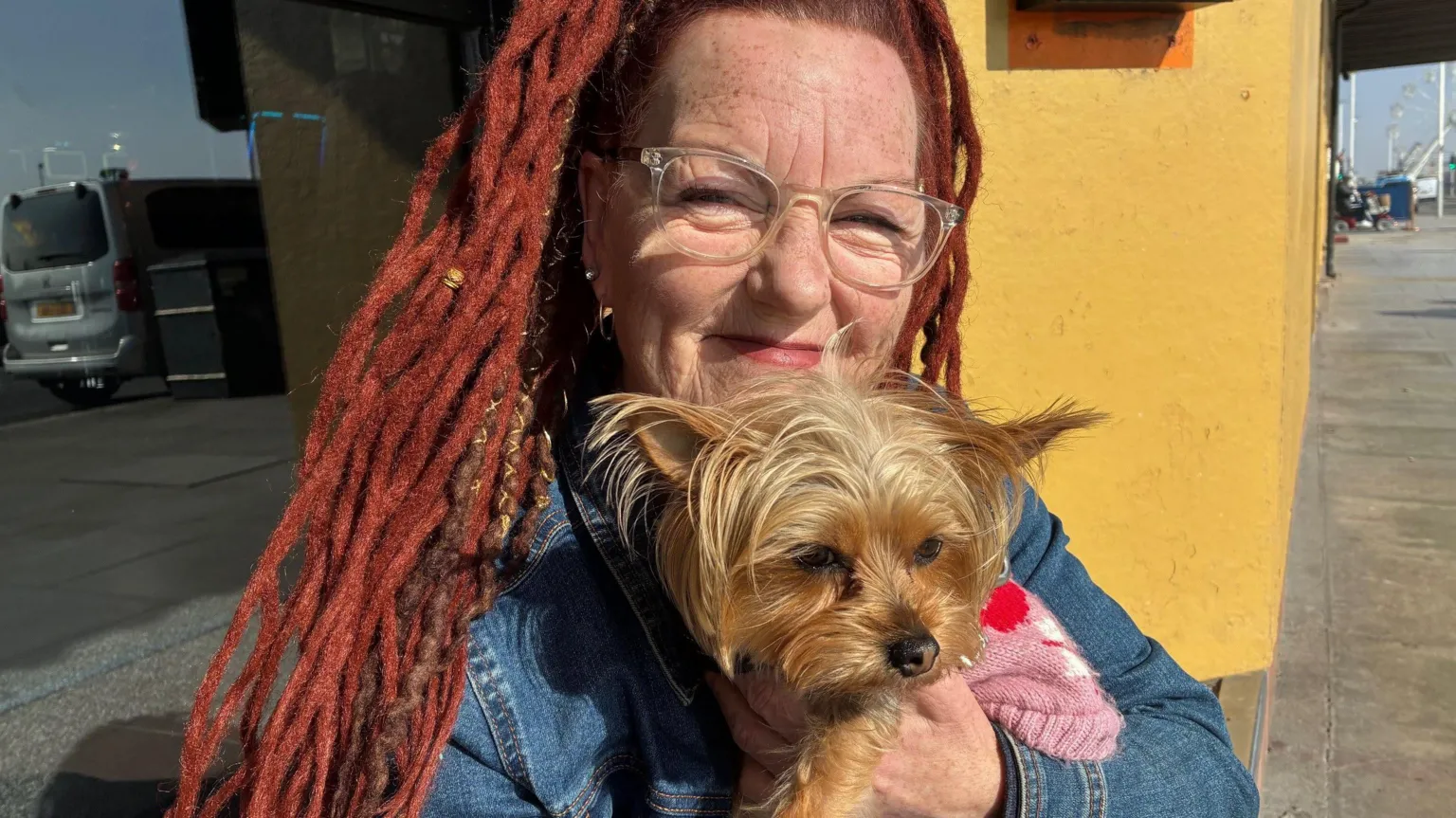
Sharona Wrighton, 63, explained her preference for cash budgeting.
"When you are on benefits you have to budget, so you need cash. Do not get rid of cash," she said.
Recommendations and Calls for Action
The Link report emphasized the importance of maintaining cash deposit options for local businesses and adopting a clearer strategy to address crime on the High Street.
It recommended careful monitoring of cash acceptance and the implementation of programs to promote digital inclusion alongside safeguarding cash usage.
Nick Quin, chief corporate affairs manager at Link, highlighted the need for better data and inclusion.
"There's a lack of evidence on what is actually going on with cash acceptance and there's a big risk that we exclude cash-users if we don't get this right.
So we've gone out and spoken to retailers about what's going on and we want to make sure that their voices and cash-users voices are heard as they way we pay for things is changing."


