

More home working, less shopping
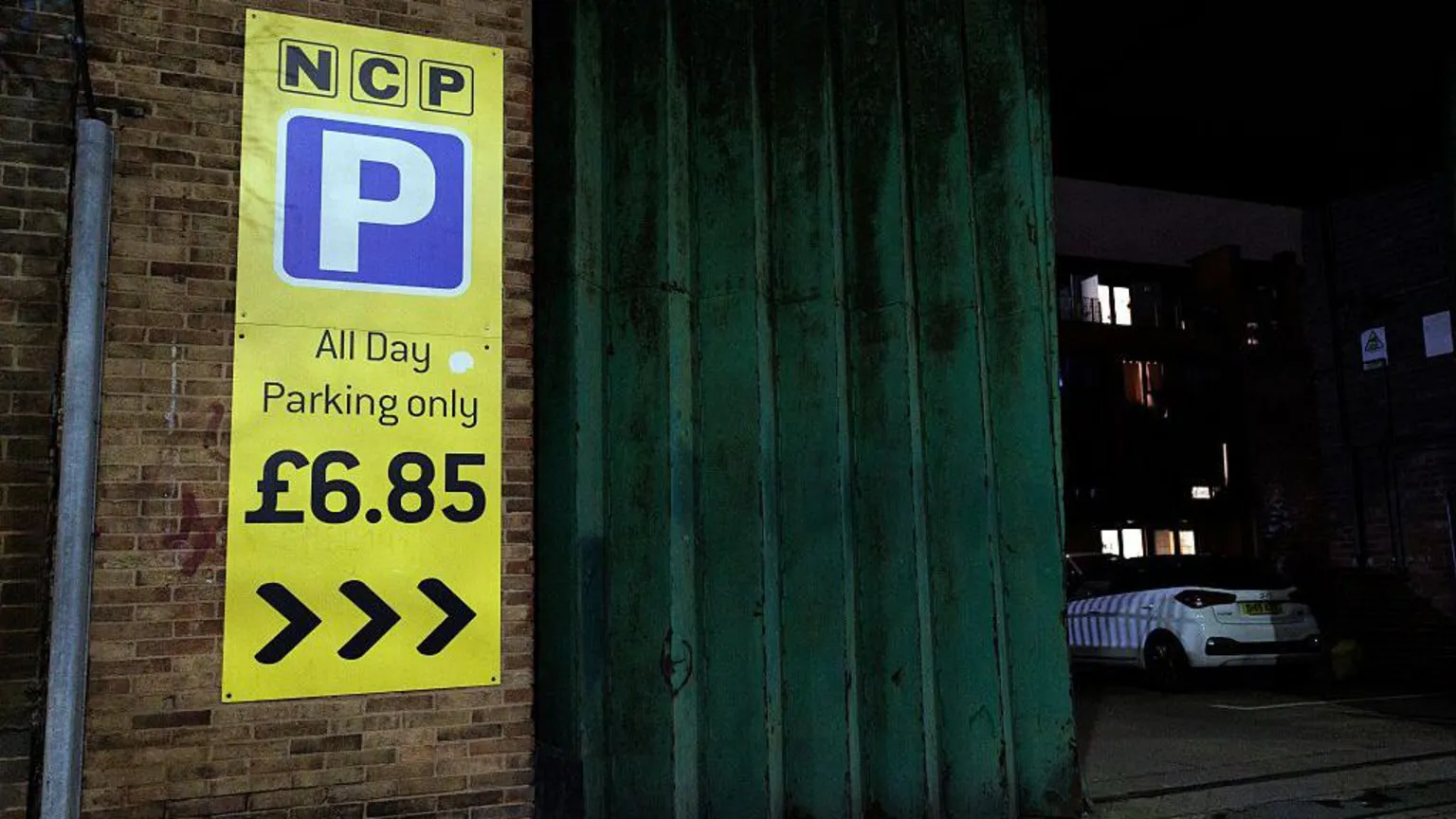
One of the UK's largest car park operators, National Car Parks (NCP), entered administration this week, putting nearly 700 jobs at risk. The announcement surprised many, given that some NCP locations charged up to £65 for a day's parking.
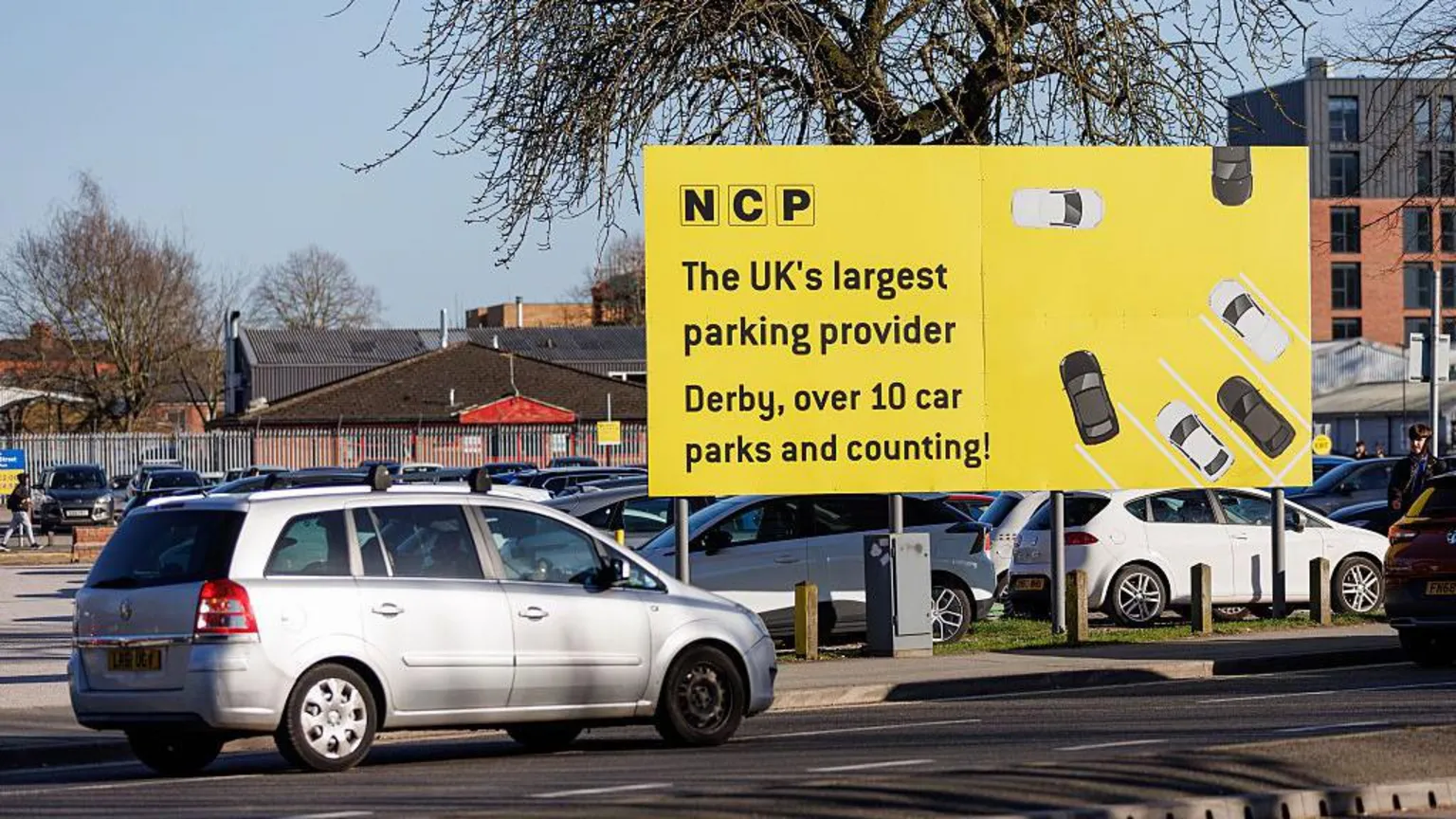
NCP operates a diverse portfolio of 340 car parks nationwide, including facilities at airports, train stations, hospitals, and town centres. However, the rise in remote working has diminished commuter demand, while retail habits have shifted increasingly towards online shopping, reducing foot traffic in city centres and commuter zones.
The company's collapse reflects the
"combined impact of flexible working, cost-of-living challenges and fuel prices, as well as the general fall in high street shopping and increase in delivery services", according to Nick Stockley, partner at Mayo Wynne Baxter.
The British Parking Association (BPA) acknowledges a
"big shift"away from traditional five-day-a-week commuter parking. Alison Tooze, BPA's chief engagement and policy officer, notes that travel patterns have become more irregular, with many drivers attempting to avoid paying for parking tickets.
"The difficulty has been knowing what normal looks like, where are we going to land post-pandemic, is this it in terms of people's travel, habits and demand for parking, and it's been a very uncertain picture."
Rising costs and parking apps
NCP's parent company, Japanese firm Park24, cited increased operating costs due to higher energy prices following the 2022 outbreak of war in Ukraine. This was further exacerbated by
"persistently high"inflation in the UK, including inflation-linked rent increases for NCP.
Maintaining car park infrastructure incurs substantial expenses, explains BPA's Tooze, including equipment upkeep, lighting, and staffing. Many car parks occupy prime locations, resulting in high business rates, and require ongoing structural maintenance to accommodate larger and heavier vehicles, including electric cars.
The AA highlights that failure to expand parking spaces in line with vehicle growth over the decades has caused issues such as scratched car doors. AA president Edmund King adds that rising costs have also affected customers, with
"councils and private operators copied each other's ever-rising ticket prices."
In some areas, it has become cheaper to pay parking fines than to use NCP car parks, leading some drivers to risk fines rather than pay what they consider
"extortionate"charges.
Since the early 2000s, numerous parking apps have emerged, providing drivers with alternatives to traditional multi-storey car parks. These platforms allow individuals to rent out empty driveways or unused residential parking spaces, offering greater choice, flexibility, and value to drivers.
"Punters have voted with their wheels,"says King.
"NCP didn't keep up with the changing world of more flexible and app-based local parking."

Racking up debt
NCP also faced significant financial burdens. As of 30 September 2023, the company's debts exceeded its asset value by £305 million, according to filings from its parent company.
Russ Mould of investment platform AJ Bell explains that business models suited to carrying debt typically are asset-backed with stable, predictable demand and cash flows.
"In principle, a car park would fit the bill nicely,"he says.
However, interest payments on debt must be met regardless of business performance. With customer numbers declining since the Covid-19 pandemic, NCP still faced consistent or increased costs for utilities, maintenance, and staffing, independent of parking volume.
'Inflexible' leases
One factor contributing to NCP's difficulties may have been its extensive portfolio of car parks across the UK. Administrators PwC noted that NCP held a
"high concentration"of inflexible, long-term leases that restricted its ability to reduce costs or close unprofitable locations.
Park24 indicated that
"significant"rent payments were due imminently.
Tooze explains that in such cases, operators are burdened with assets that are challenging to make profitable without raising parking fees.
"Then there is a sort of price elasticity tolerance that if you put it up too much, no-one's going to pay it,"she says.
"And there's nothing you can really do to change that until the lease is up, you can't sort of sublet. Car parks are not easy structures to do anything different with."
What next?
Michael Lynch, partner at city law firm DMH Stallard and expert in business restructuring and insolvency, states that administrators will evaluate which costs can be addressed. This may include staff redundancies or negotiating with landlords to ease the burden of onerous contracts.
"With lease discussions, it can be a question of 'who's gonna budge first?'"he says.
Administrators may consider options such as selling the company, divesting certain assets, or, as a last resort, winding up operations.
Nick Stockley anticipates that more profitable sites, including those at airports and stations, will likely continue operating as car parks. Less viable locations, particularly in town centres, may be sold and attract interest from residential property developers.
PwC has indicated it is working to keep car parks operational during its assessment of the business, though some closures may occur.
For the time being, drivers can expect business to continue as usual.


