

India's Economic Optimism Faces Middle East Oil Crisis
Recently, India's central bank, the Reserve Bank of India (RBI), characterized the nation's environment of robust growth combined with low inflation as a "Goldilocks" moment. However, this optimism has been short-lived as the ongoing conflict in the Middle East and the resulting disruption to oil markets have delivered an unexpected shock to India's otherwise strong growth trajectory.
The most immediate impact is evident in the Indian rupee, which has reached record lows, depreciating nearly 10% against the US dollar over the past year. Although the RBI intervened to slow the rupee's decline by curbing speculative trading, experts warn that this relief may be temporary. Many anticipate further depreciation depending on the duration of the conflict.
In a worst-case scenario where the war continues through much of 2026, Bernstein, a global equity research firm, warns the rupee could face "catastrophic" consequences, potentially falling beyond 110 to the dollar. Even if the conflict ends sooner, additional challenges remain.
Persistent currency weakness can have widespread negative effects, including increased consumer prices, reduced corporate profit margins, larger government deficits, and diminished capital inflows into the stock market.
India's benchmark equity indices have already declined approximately 12% since the start of the year amid foreign capital outflows, weakening the wealth effect—the tendency of increased asset values to boost consumer spending—that had supported consumption among wealthier segments.
The geopolitical tensions have also begun to adversely affect India's inflation and growth outlook. Higher import and logistics costs, along with a potential drop in remittances from the estimated 10 million Indians residing in the Gulf region, could significantly impact these economic indicators, according to India's finance ministry in its latest monthly review. The ministry noted that recent shocks are being transmitted through "supply constraints, and pressures across sectors, with early indications of some moderation in economic activity."
Gross domestic product (GDP) was previously forecast to grow at around 7% in the financial year 2026-27. However, various brokerages estimate that the Gulf crisis could reduce growth by up to 1%. This comes on the heels of recent GDP downgrades following revisions to the statistical base year, likely delaying India's goal of surpassing Japan to become the world's fourth-largest economy.
Regarding inflation, food prices have started to rise, although fuel prices at the pump have not yet increased significantly due to government intervention. India has reduced excise duties on petrol and diesel to shield consumers ahead of key state elections and imposed windfall taxes on exports.
Energy Imports and Supply Chain Vulnerabilities
The energy shock is complex. India is the world's third-largest crude oil importer, but it also sources 60% of its natural gas and over 90% of its liquefied petroleum gas (LPG) imports from the Middle East, where it ranks as the second-largest consumer globally. This dependency heightens the crisis's potential severity for Delhi.
Additionally, about 25% of India's fertilizer imports come from Middle Eastern countries. Disruptions in supply could pose challenges for the vast agricultural sector, especially during the upcoming sowing season amid an increased likelihood of the El Niño weather phenomenon, according to Care Edge Ratings.
"The bigger concern for India's economy is outright shortage,"said Shilan Shah and Mark Williams of Capital Economics.
"[They] have already triggered partial or full closures of restaurants and hotels and are reportedly also hitting food processing factories, the ceramics industry and even funeral services."

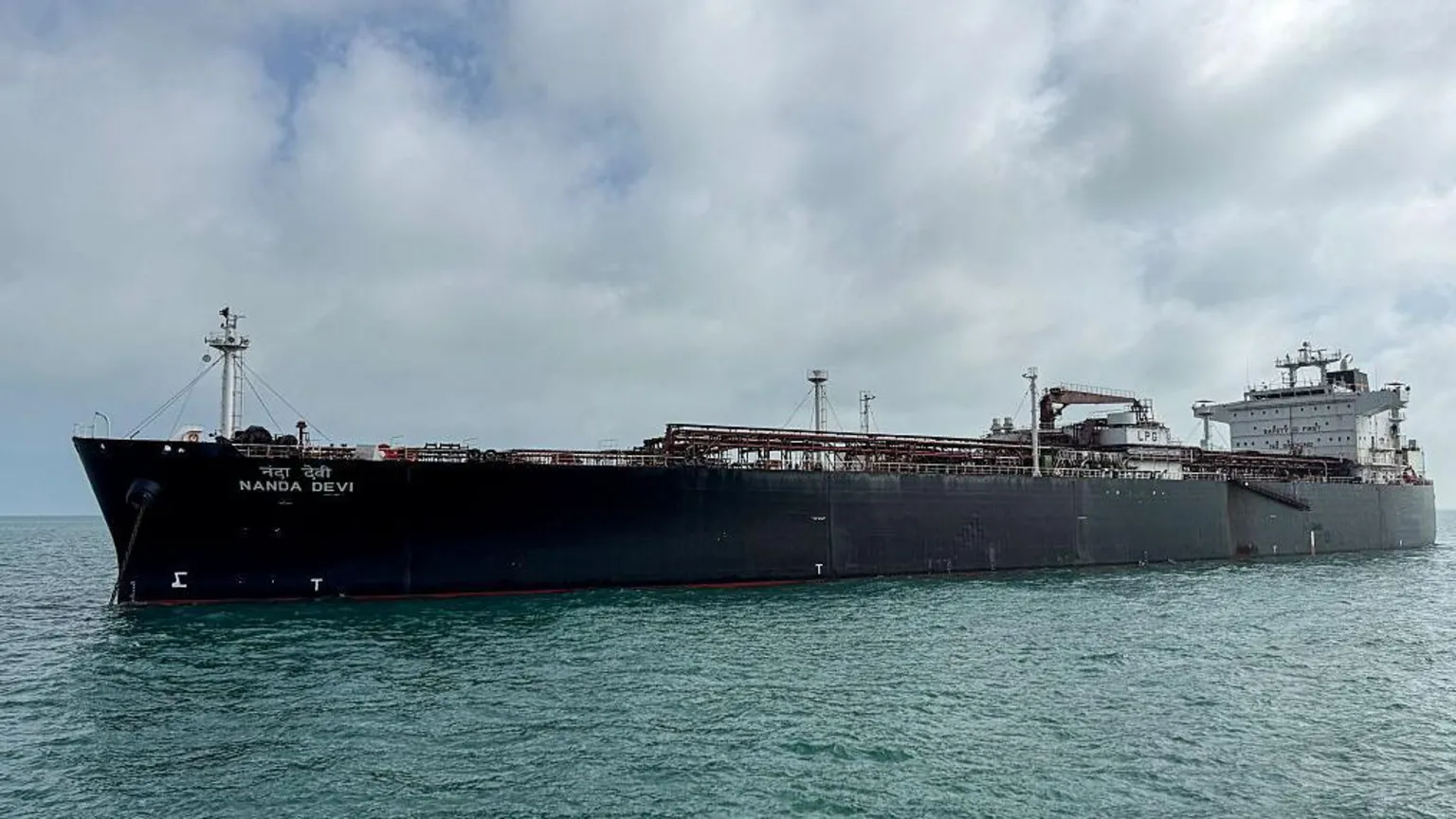
These developments could result in a "stagflationary shock of pretty large magnitude," where inflation rises while economic growth stagnates, explained Arvind Subramanian, India's former chief economic adviser, in an interview with India Today TV channel.
"The stag part of the stagflation is already being felt in terms of restaurants closing down and households having less natural gas,"Subramanian added.
There are also early indications of a potentially more severe situation. Similar to the lockdowns during the COVID-19 pandemic, the LPG supply shortage appears to be prompting some migrant workers to return from major cities such as Mumbai. Economists warn this could create supply-side challenges if labor availability diminishes and wages rise.
Government Response and Economic Measures
In response to the crisis, the government has proposed a $6.2 billion "economic stabilisation fund" and sought approval for increased spending on food and fertilizer subsidies. However, these resources have been reallocated from other expenditures, possibly affecting infrastructure projects such as roads and railways. Bernstein notes that these funds are "modest relative to the scale of the challenge."
Given the uncertainty regarding the conflict's duration and its economic impact, the RBI is expected to maintain steady interest rates in its upcoming announcement.
"The 'wait and watch' strategy will enable the RBI to preserve flexibility to gauge the emerging risks to growth and inflation dynamics and take a calibrated call on future rate actions,"said Care Edge Ratings.
Outlook and Strategic Considerations
Despite these challenges, there is room for cautious optimism. A weaker rupee could enhance India's export competitiveness. Compared to previous crises, India's substantial foreign exchange reserves provide a buffer to manage the current turmoil.
However, as Subramanian observes, this situation serves as a wake-up call for India to develop both immediate and long-term strategies addressing its energy sector vulnerabilities. This includes expanding strategic stockpiles, diversifying energy reserves, and accelerating the transition to renewable energy sources.
Follow India on Instagram, YouTube, X, and Facebook for ongoing updates.


